




South Africa’s automotive sector is moving into an era where technological sophistication is advancing faster than the skills required to maintain it. As modern vehicles evolve into highly connected, software-driven machines, the industry is being forced to rethink how it develops technicians capable of keeping pace with this transformation.
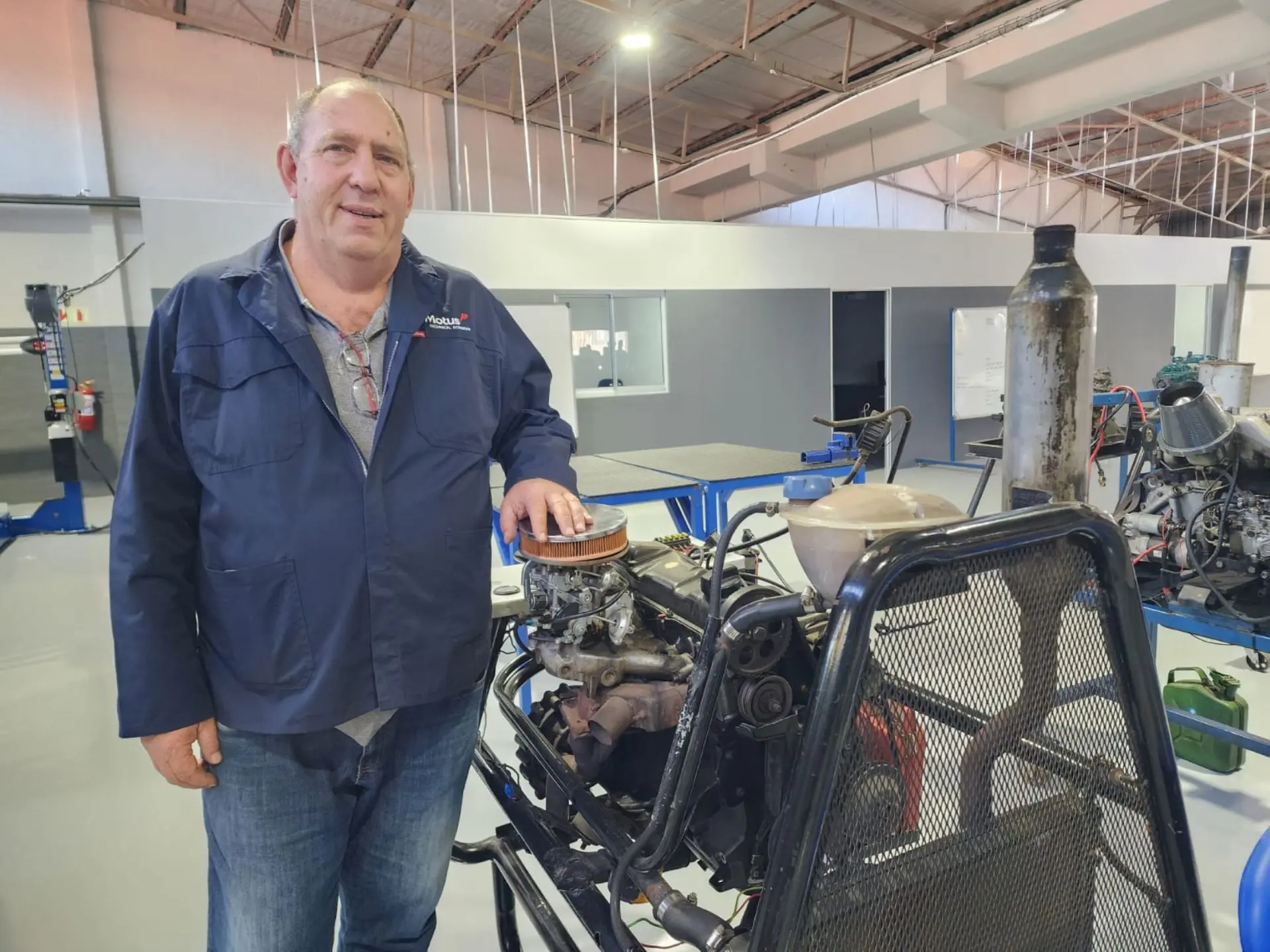
This urgency was highlighted in Pinetown, KwaZulu-Natal, at the launch of the new Motus Training Academy, an initiative designed to train more than 2,000 students annually across disciplines such as mechatronics, electric vehicle systems, diagnostics and advanced servicing technologies. The academy represents a direct response to a growing reality in the automotive world: traditional mechanical expertise alone is no longer sufficient to service the vehicles entering the market.
Hyundai Automotive South Africa CEO Stanley Anderson underscored this shift, noting that the industry’s evolution is accelerating at a pace that demands equally rapid development in technical skills. With electric mobility, connected systems and digital diagnostics becoming standard features, technicians are now expected to operate in an environment where software and hardware are deeply integrated.
He emphasised that the role of training academies has become critical in preparing young people for sustainable careers while ensuring that the broader automotive ecosystem remains competitive on a global scale. Without continuous investment in skills development, the gap between vehicle complexity and aftersales capability risks widening further.
Hyundai Automotive South Africa has already expanded its youth development efforts, currently supporting 338 apprentices across its 97-dealer national network. A notable proportion of these apprentices are women, making up nearly a quarter of the programme, reflecting a gradual but important shift in the industry’s talent landscape.
At the same time, demand for entry into the sector is growing rapidly. Hyundai’s youth employment initiative recently received more than 33,000 applications, highlighting both the appeal of automotive careers and the significant shortage of opportunities relative to demand.
This surge in interest comes at a critical time for South Africa’s broader economic and industrial landscape. The automotive sector contributes more than 5.2% to GDP and supports approximately 500,000 jobs across its wider supply chain, including over 115,000 highly skilled positions in vehicle and component manufacturing. Government’s National Development Plan further reinforces the importance of skills development, with a target of producing 30,000 artisans annually by 2030.
Against this backdrop, initiatives like the Motus Training Academy are becoming essential infrastructure for the industry’s future. They are not simply training centres, but strategic investments in the capability required to sustain an increasingly advanced automotive ecosystem. As vehicles continue to evolve into complex digital platforms, the ability to service and understand them will define the competitiveness of South Africa’s automotive sector in the years ahead.