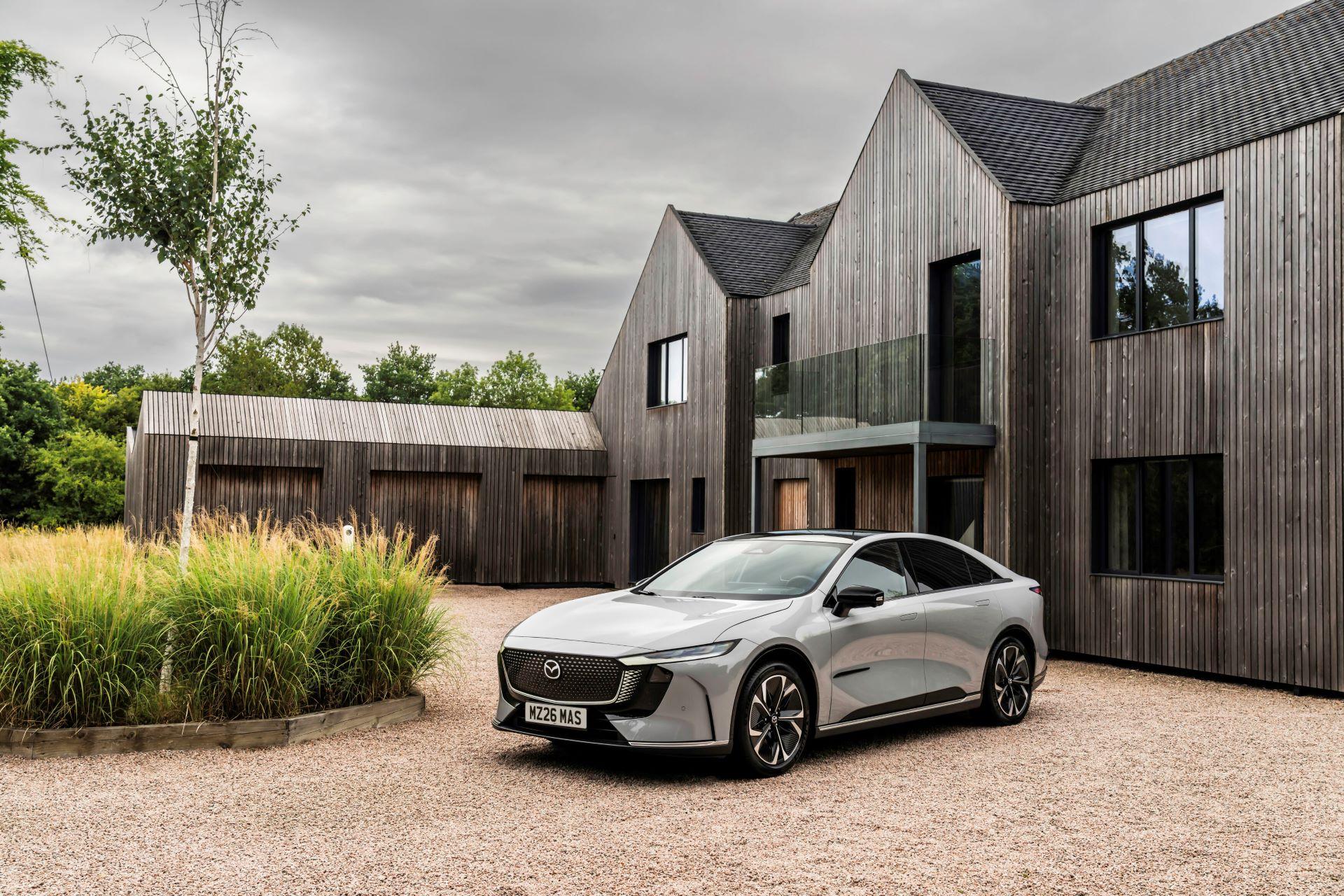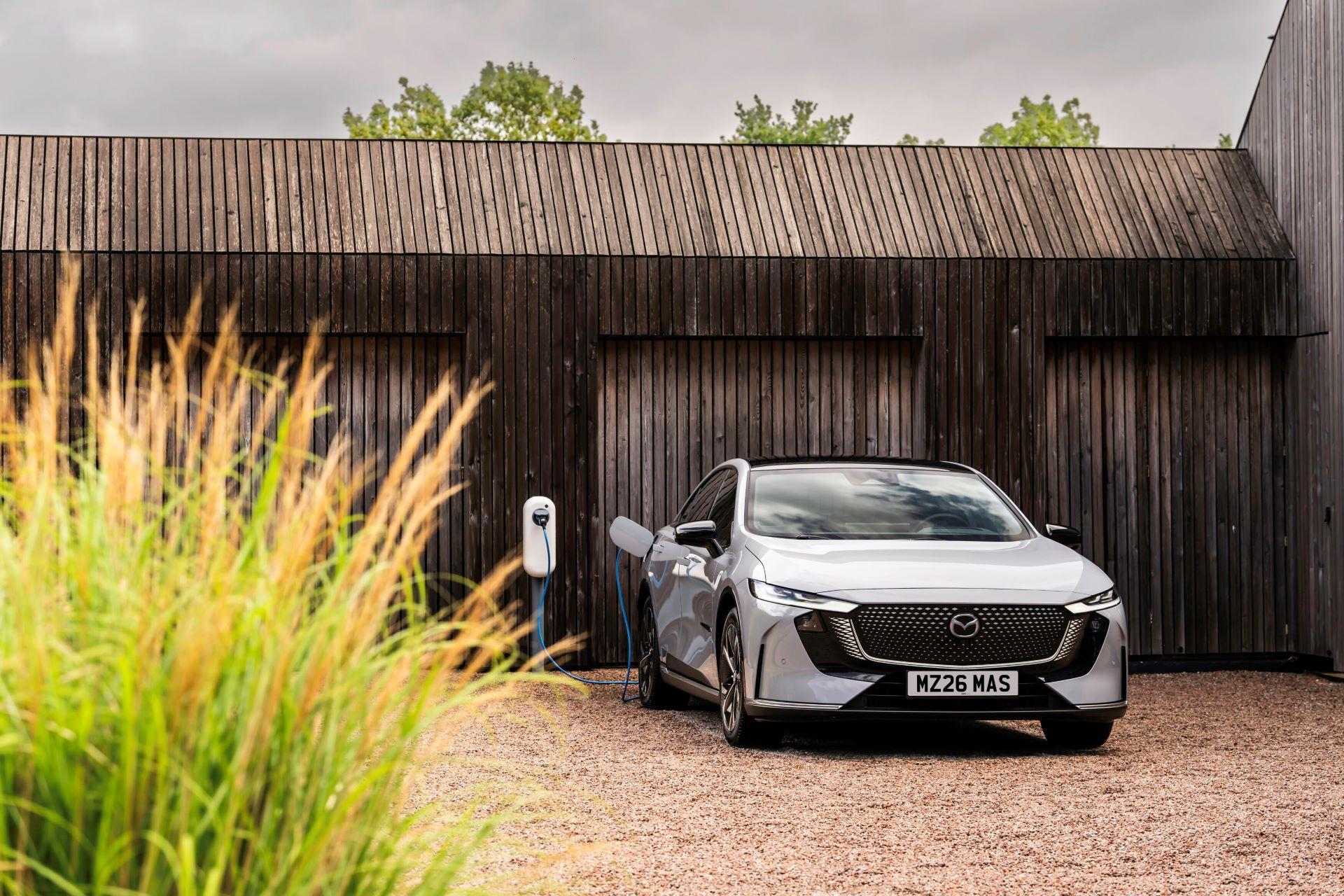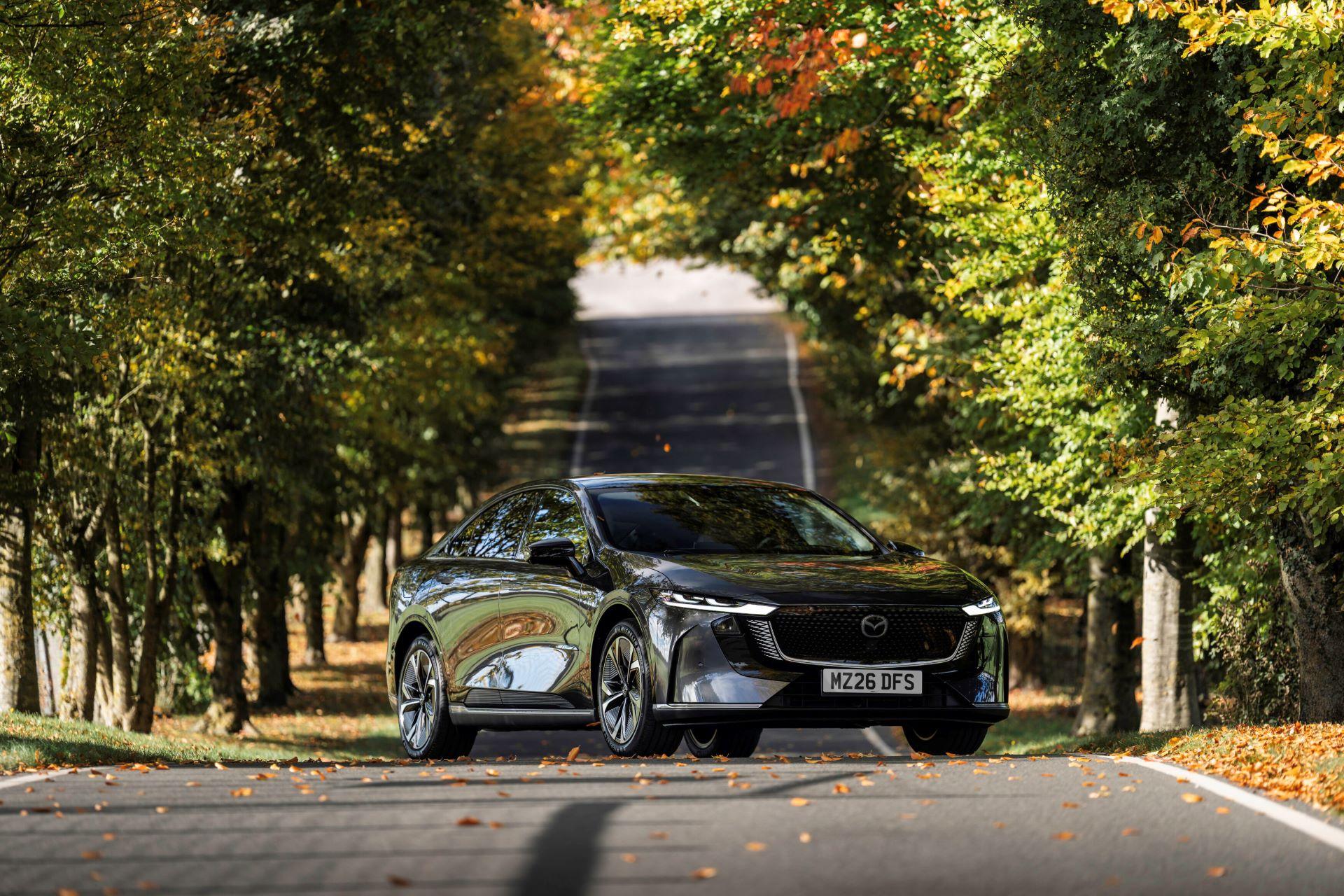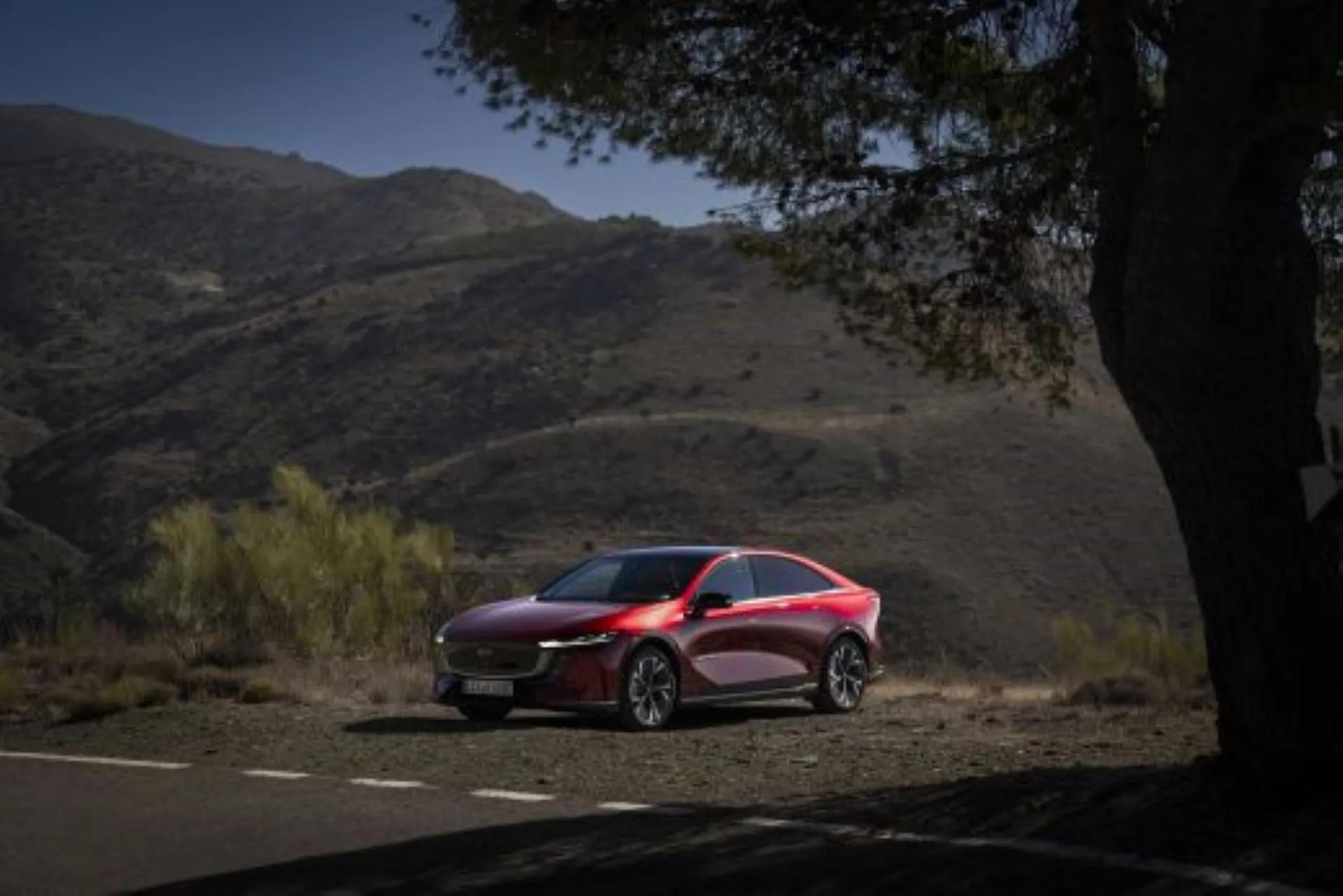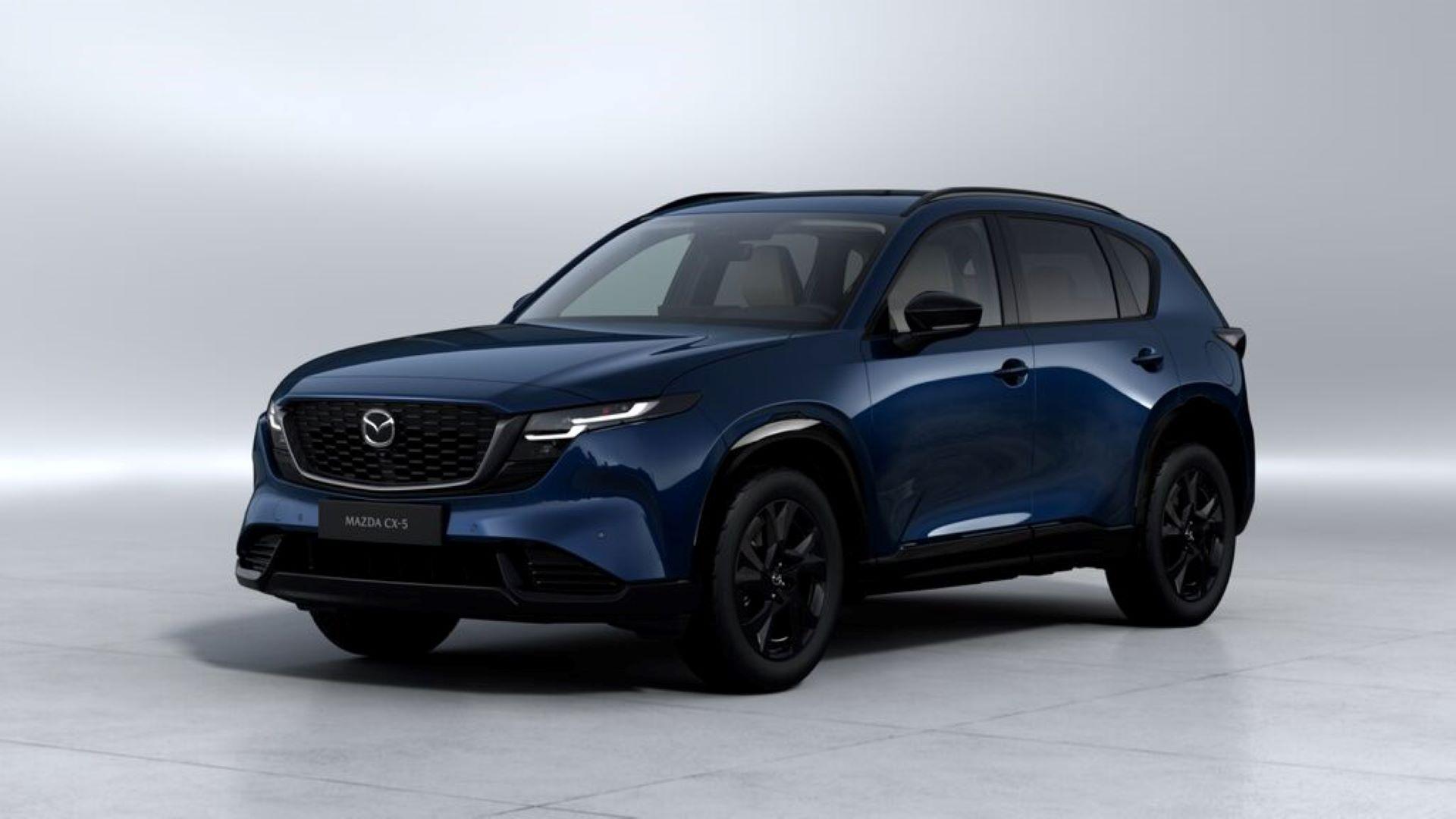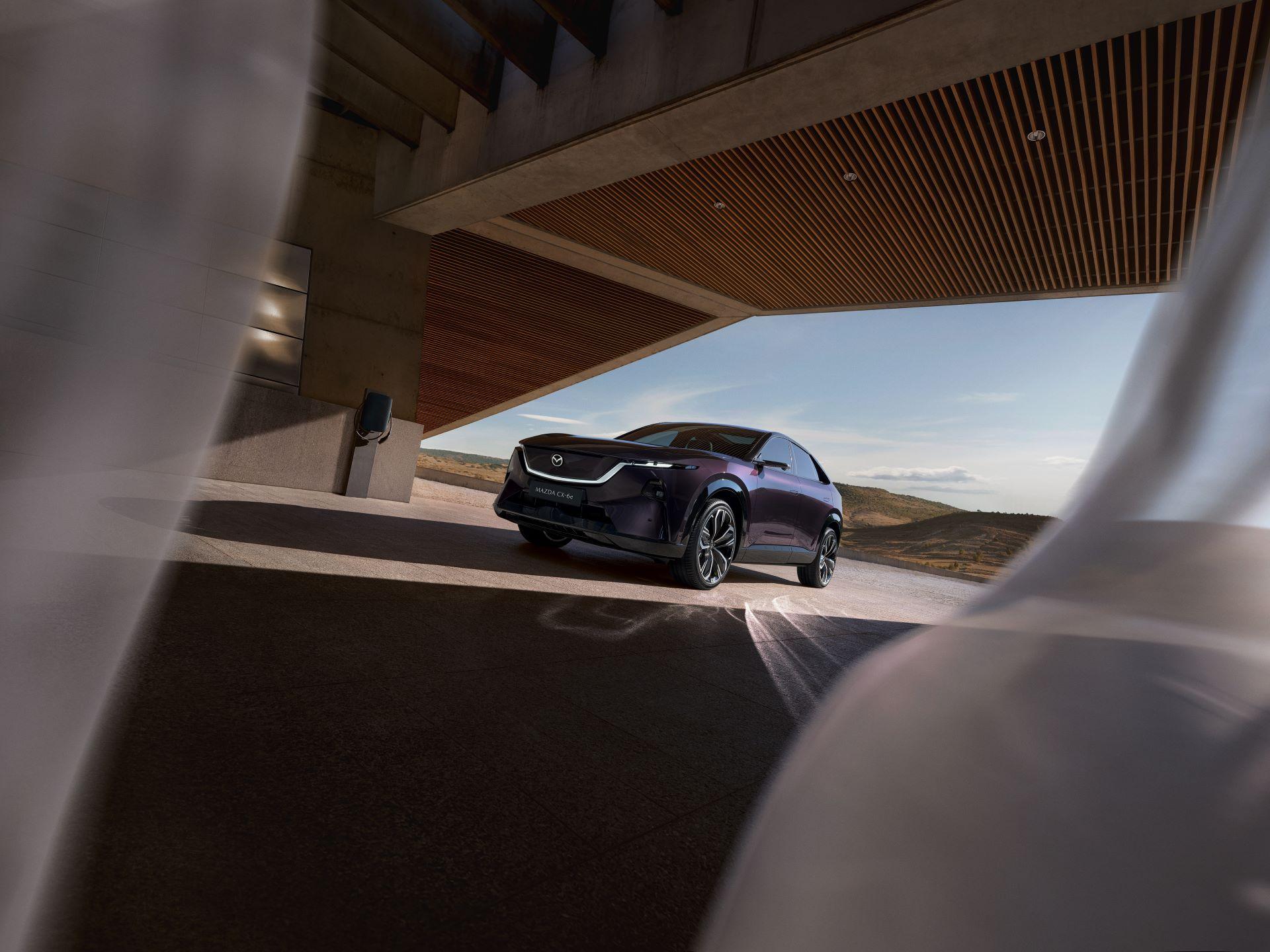



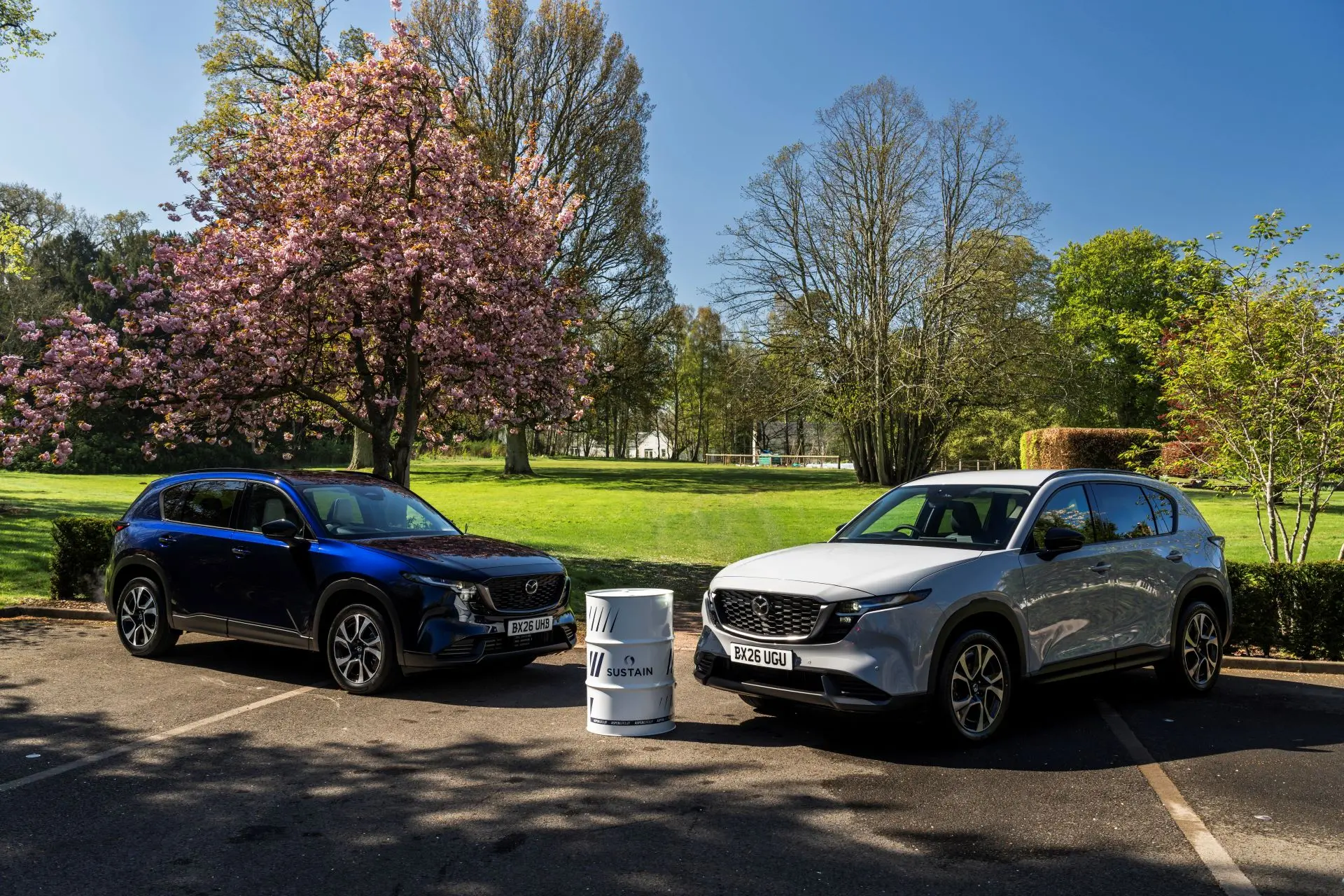
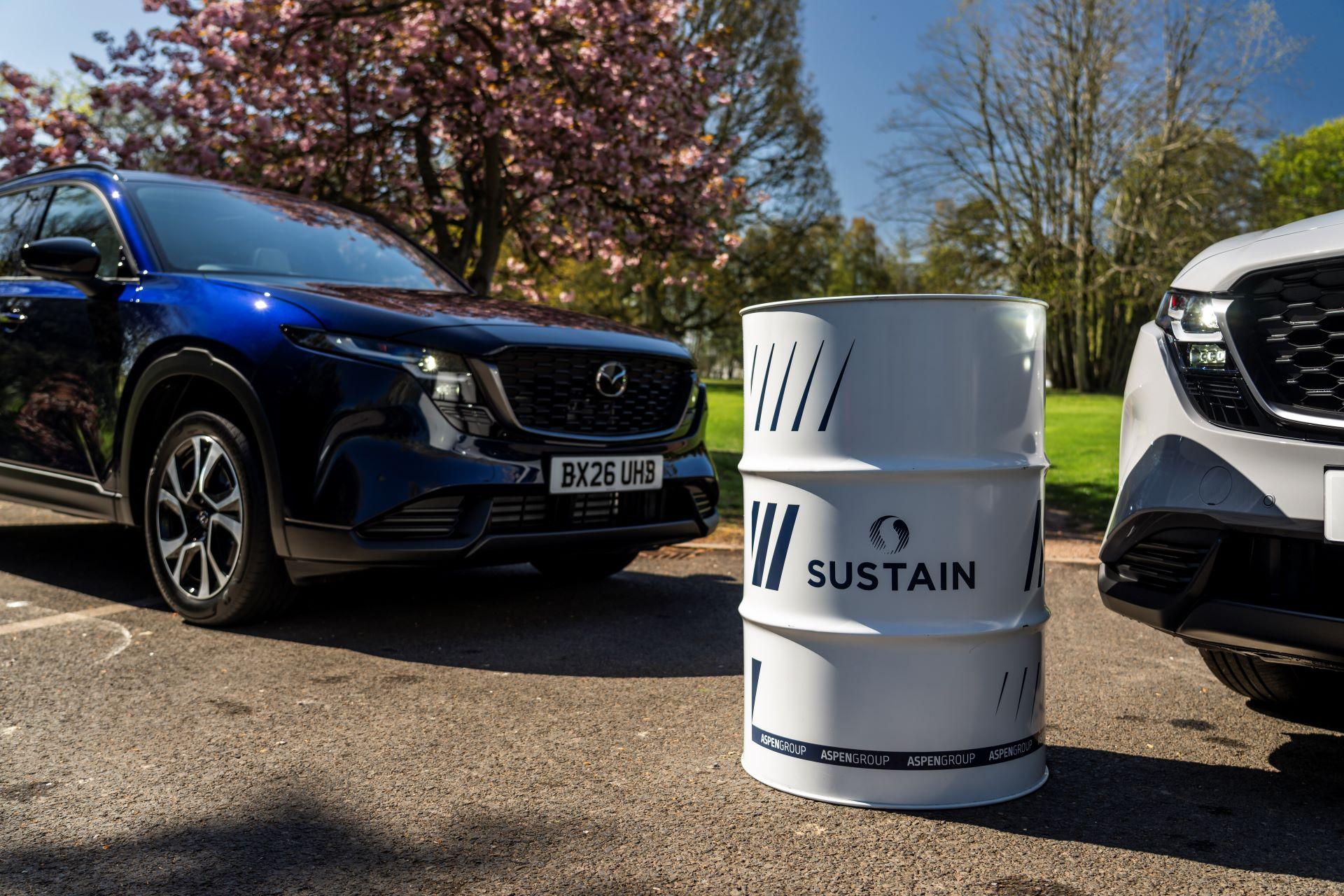
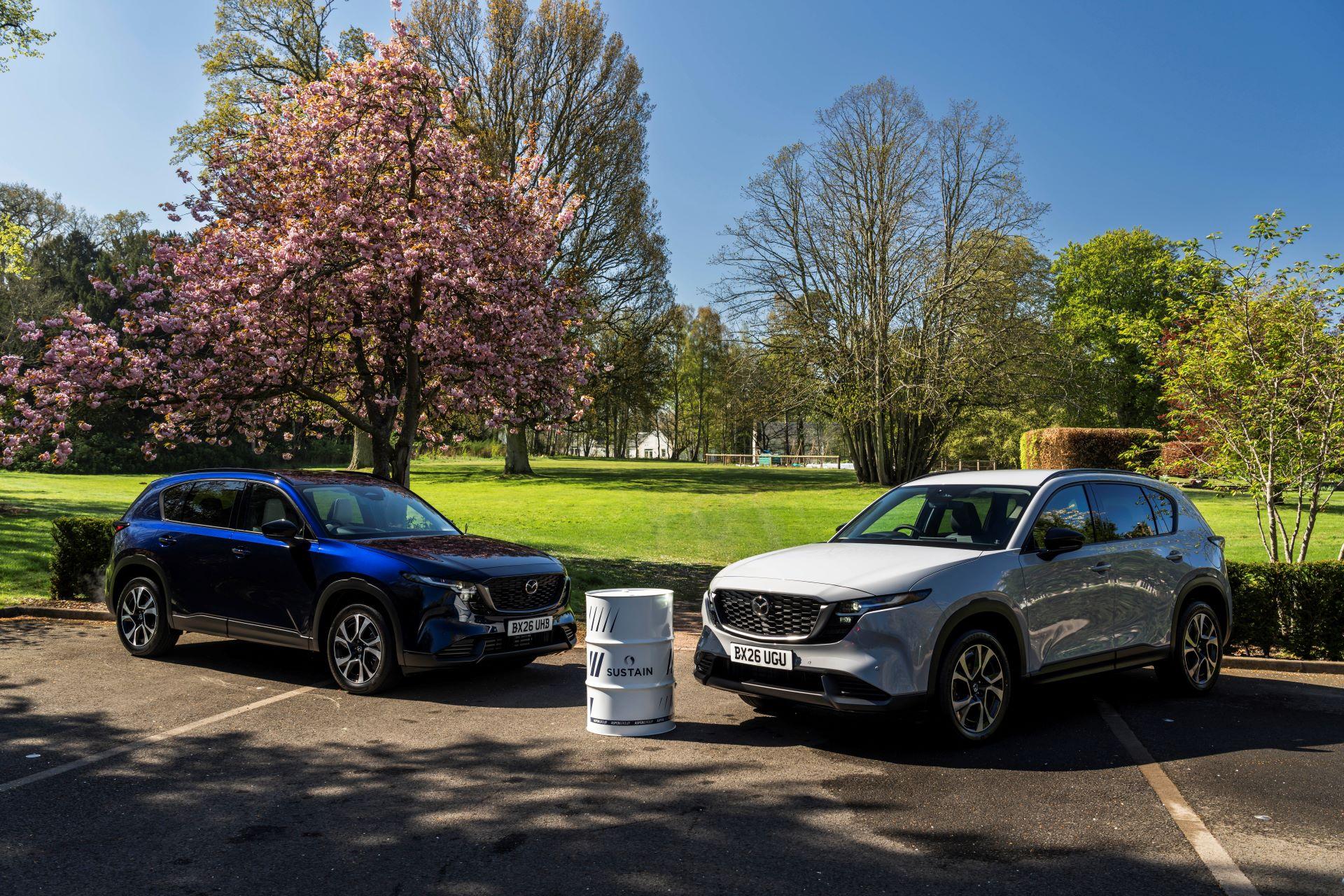
The launch of the all-new Mazda CX-5 marks more than a product reveal; it signals a deliberate step into a more resource-conscious era of mobility, where performance and responsibility are no longer competing narratives. Across its UK media introduction, every CX-5 in the fleet is being powered exclusively by SUSTAIN 100 per cent second-generation biofuel, a fuel with no fossil content, demonstrating what is already possible when advanced internal combustion engineering meets renewable chemistry.
Developed by SUSTAIN Fuel Technologies, the SUSTAIN 100 95 RON E10 fuel is derived from biomass such as food and agricultural waste, as well as other non-food by-products. Rather than introducing new carbon into the atmosphere, it works within a closed-loop logic, recycling carbon that has already been absorbed by plants during growth. The result is a fuel pathway that reduces reliance on fossil extraction while maintaining compatibility with existing engines and infrastructure.
At the centre of the new CX-5 is a 2.5-litre e-Skyactiv G 141ps petrol engine, paired with Mazda’s 24V M Hybrid mild-hybrid system. This combination replaces the previous 2.0-litre base unit and brings a more confident, elastic driving character, with 238 Nm of torque supporting smoother response and more immediate acceleration. The front-wheel drive variant reaches 0–62mph in 10.5 seconds, while cylinder deactivation contributes to improved efficiency under light load conditions. Crucially, when powered by SUSTAIN fuel, the engine requires no mechanical modification and delivers identical performance characteristics, reinforcing the compatibility of renewable fuels with modern ICE platforms.
This approach sits within the broader engineering philosophy of Mazda Motor Corporation, which continues to pursue what it calls a Multi-Solution strategy. Rather than committing to a single technological pathway, Mazda is refining internal combustion systems alongside electrification, exploring how each can contribute to reduced lifecycle emissions. Sustainable fuels, in this context, are positioned as a practical bridge, capable of lowering greenhouse gas output while preserving the familiarity, range, and usability that many drivers still value.
The use of SUSTAIN fuel at the CX-5 launch is not an isolated gesture. Since 2023, Mazda UK has been powering its Heritage Fleet with sustainable fuel blends, extending the life and relevance of classic models without requiring adaptation. That same year saw an MX-5 complete a UK-wide endurance drive across all four home nations using sustainable fuel, followed by a 2024 Land’s End to John o’ Groats journey undertaken by a quartet of MX-5s, and a Baltic to Arctic expedition completed by CX-30 models. Each milestone has reinforced a consistent message: that lower-carbon fuels can operate reliably across both modern and legacy vehicles.
For the CX-5 launch, the entire fleet of 20 vehicles will operate on SUSTAIN fuel over a week-long programme, carrying more than 70 guests through real-world driving conditions. The experience is designed to demonstrate not only technical feasibility but also day-to-day drivability, showing that sustainability does not need to alter the rhythm or feel of the journey itself.
Speaking on the partnership, Suresh Nahar, Brand Manager for SUSTAIN, highlighted the significance of the collaboration and its setting within Scotland’s landscape. He noted that using a fuel with no fossil component during a flagship automotive launch underscores the role of advanced fuels in shaping a more flexible and resilient energy future for transport. He also pointed to the broader greenhouse gas benefits, estimating an over 80 per cent reduction in emissions compared with conventional fossil fuels for the bespoke blend used during the event.
Jeremy Thomson, Managing Director of Mazda Motors UK, reinforced this positioning by emphasising Mazda’s ongoing commitment to developing internal combustion technology alongside electrification. He noted research efforts in Japan involving biofuels, algae-based fuels, and synthetic alternatives, as well as Mazda’s involvement in the eFuel Alliance in Europe. For Mazda, sustainable fuels are not a replacement narrative, but part of a broader toolkit aimed at reducing emissions while maintaining engineering continuity and customer choice.
The all-new Mazda CX-5 itself arrives with refined dynamics, evolved Japanese design language, and enhanced versatility, positioning it as a more mature interpretation of one of Mazda’s most recognisable nameplates. Orders are now open in the UK ahead of first customer deliveries scheduled for summer, with full specifications and pricing available through official Mazda channels.
In the broader context, the CX-5 launch does more than introduce a new vehicle. It quietly reframes a familiar question in automotive progress: not just how we power the next generation of cars, but how we can immediately reduce the impact of the ones already on the road.