Modena, 15 May 2025 – In a landmark move that underscores both its heritage and its forward-looking strategy, Maserati has announced that from the fourth quarter of 2025, production of the GranTurismo and GranCabrio will return to the brand’s historic Viale Ciro Menotti plant in Modena. This decision signals a profound reaffirmation of Maserati’s roots in Italy’s Motor Valley, a region synonymous with automotive excellence.
For over 80 years, Modena has served as the pulsating heart of the Trident brand. Now, as Maserati continues to evolve as a modern luxury marque, it’s also returning two of its most iconic nameplates—GranTurismo and GranCabrio—to their spiritual home. Their reintroduction to the Modena production line is not only a strategic industrial move but a symbolic one: the continuation of a narrative that bridges rich tradition with technological innovation.
A Homecoming for Icons
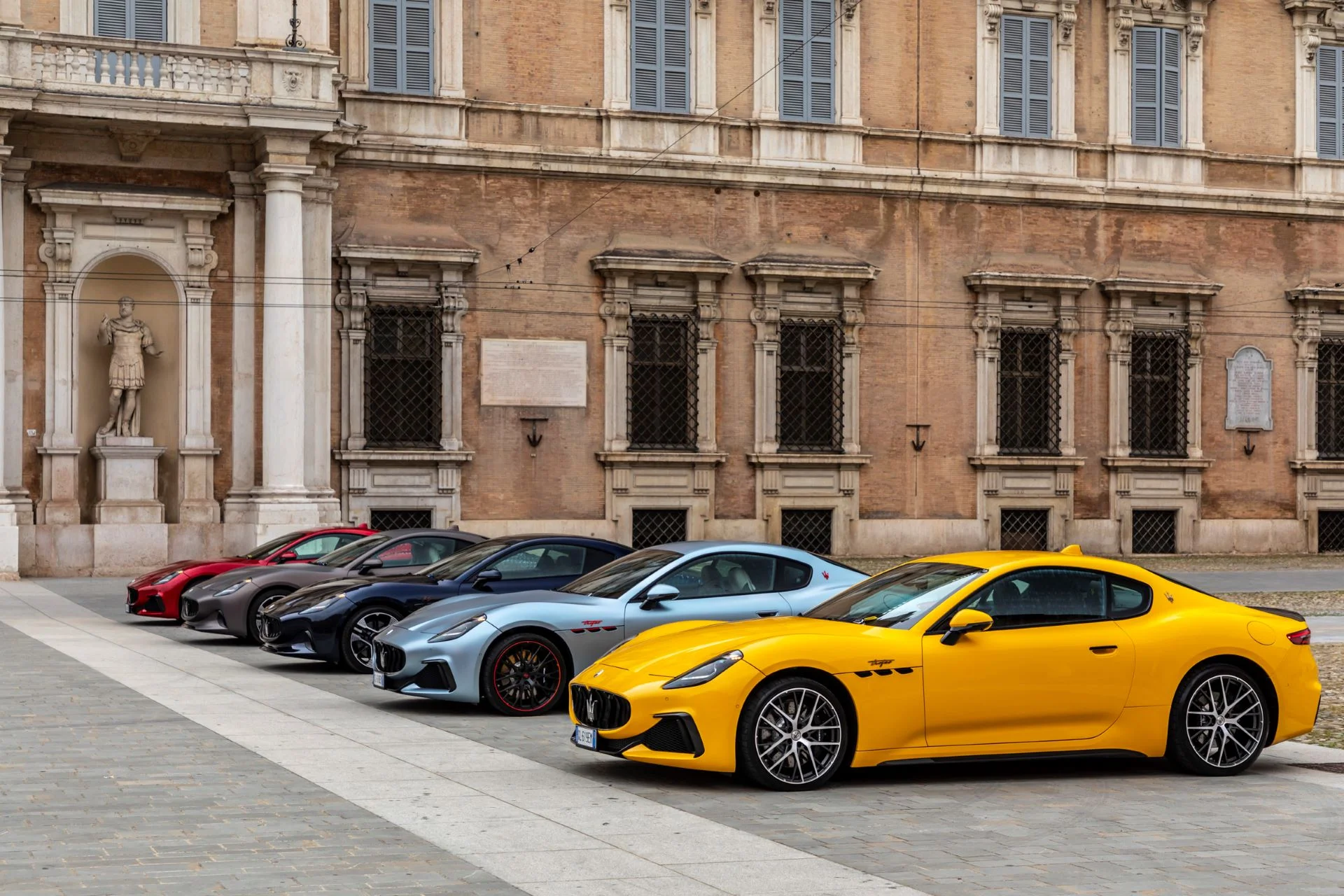
The GranTurismo and GranCabrio, revealed in their latest iterations in 2022 and 2024 respectively, are the very embodiment of “Italian-style granturismo”—balancing exhilarating performance with the comfort and sophistication required for long-distance touring. Both models are offered with a range of powertrains, including potent internal combustion engines and the cutting-edge Folgore 100% electric versions, signalling Maserati’s commitment to a multi-energy future.
Their return to Modena marks a full-circle moment. The first-generation GranTurismo made its debut in 2007 at the Geneva Motor Show, a Pininfarina-designed coupé inspired by the legendary 1947 A6 1500. It was later joined by the GranCabrio at Frankfurt in 2009. Between 2007 and 2019, more than 40,000 units of both models were sold globally, cementing their status as modern Maserati legends.
Production of the previous generation ended in 2019 with the GranTurismo Zeda—a special edition created to symbolise both a farewell and a new beginning. That next chapter, which began at Mirafiori in Turin, introduced the brand’s first fully electric powertrain. But now, the full story comes home.
A Modena Plant Steeped in Innovation
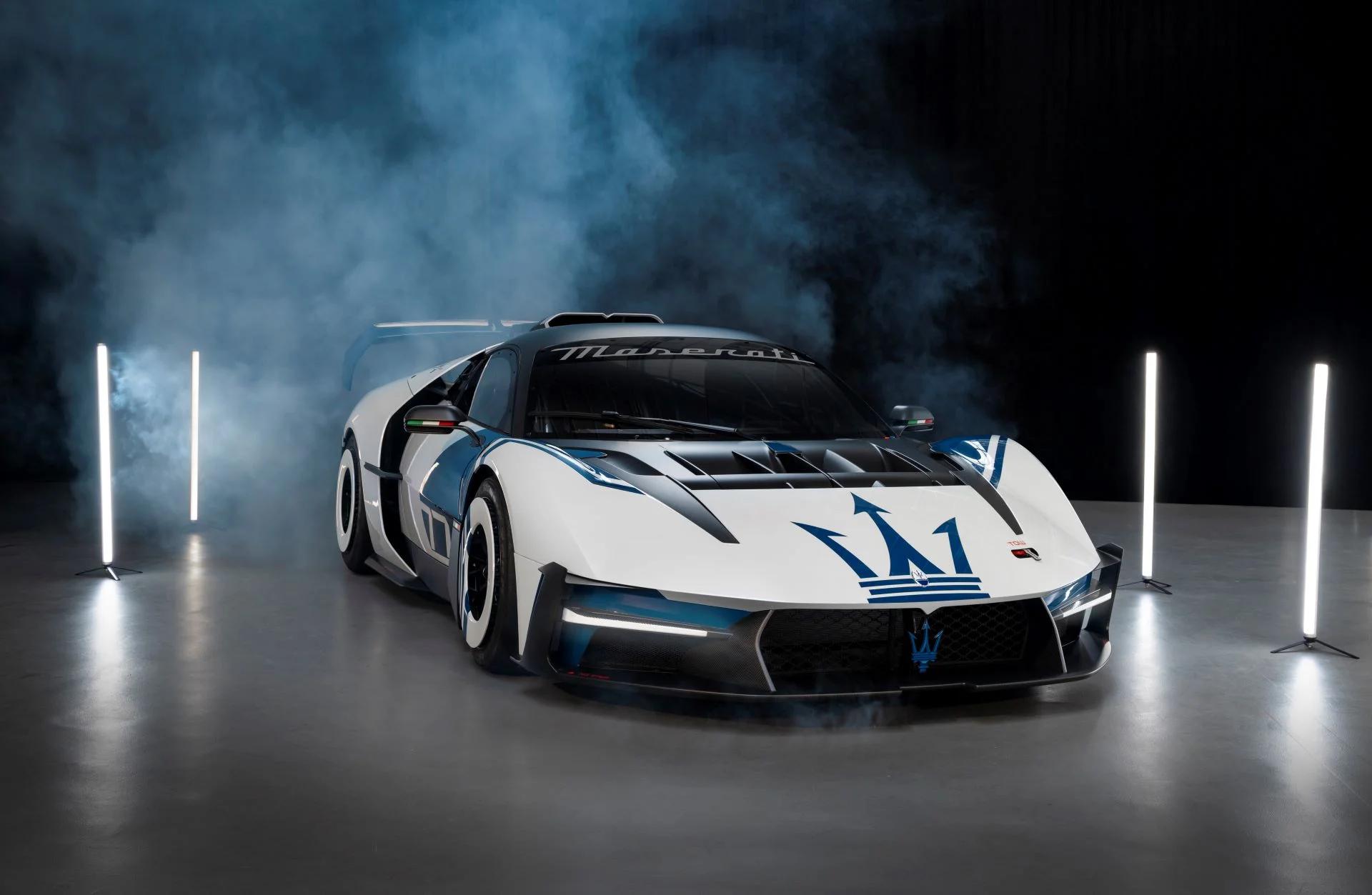
The Viale Ciro Menotti facility is far more than a heritage site. It stands today as one of Italy’s most advanced automotive manufacturing centres, home to the brand’s flagship MC20 super sports car and its convertible sibling, the MC20 Cielo. Both are powered by the revolutionary Nettuno engine—a 630 CV V6 unit born entirely in-house and equipped with Maserati Twin Combustion (MTC) technology inspired by Formula 1.
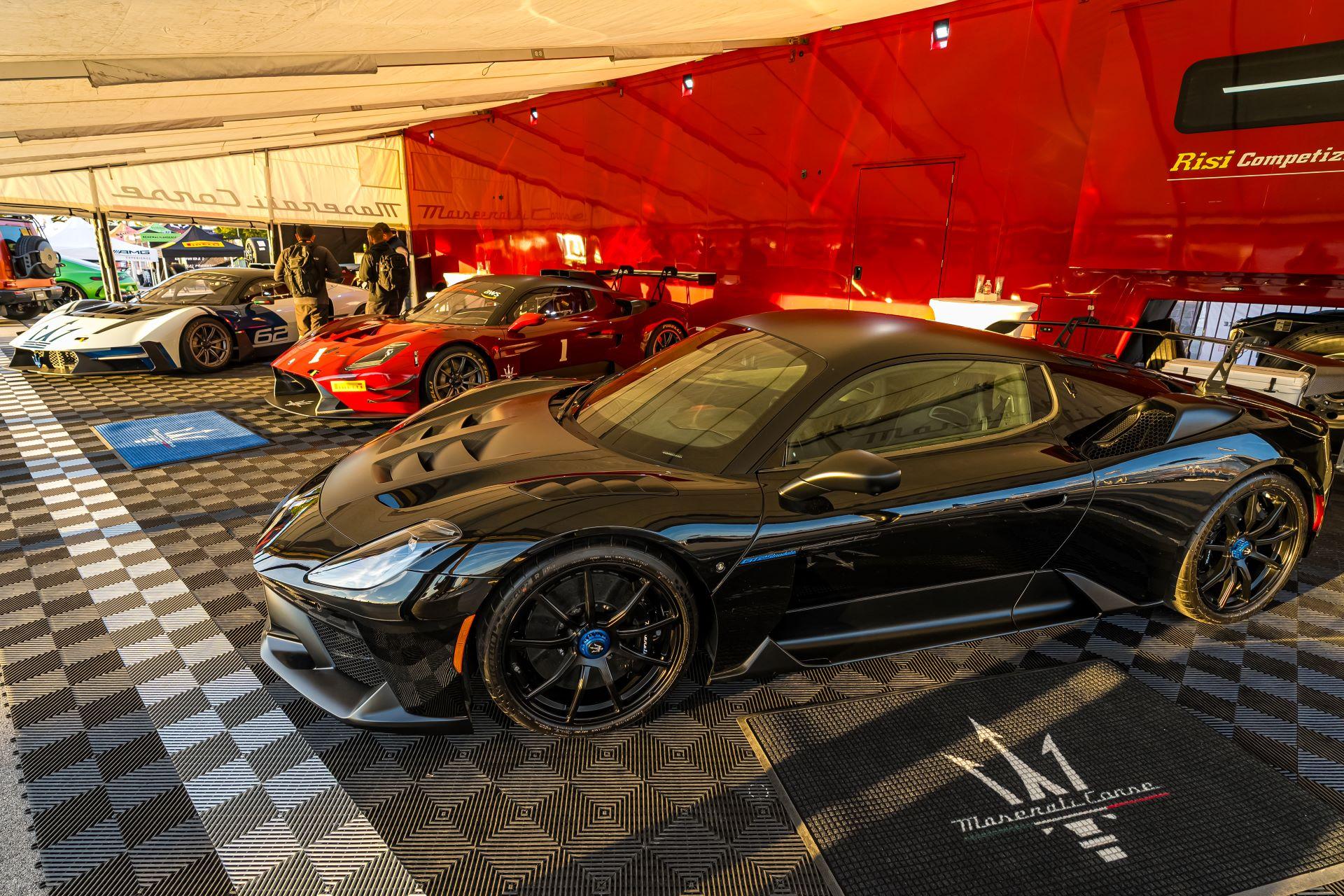
The same engine underpins the GT2 Stradale, a road-legal version of Maserati’s racing marvel. With 640 CV (471 kW), it is the most powerful internal combustion Maserati ever engineered for road and track use.
This fusion of tradition and technology is exemplified not only in the engineering but also in the plant’s flexibility. Multi-energy platforms allow for seamless production of electric and combustion variants on the same line, ensuring each Maserati meets the exacting standards of its global clientele.
Furthermore, the recent launch of Officine Fuoriserie Maserati within the Modena facility adds a layer of personalisation never before seen. This bespoke atelier offers clients a canvas for ultimate expression, made even more enticing by a new state-of-the-art paint line capable of delivering virtually limitless exterior finishes.
Strengthening Ties to Motor Valley and the Future
“Bringing the GranTurismo and GranCabrio back to Modena is a proud and strategic decision that combines our industrial heritage with the capabilities of the future,” said Santo Ficili, Maserati CEO. “By starting production in the fourth quarter of 2025, we are strengthening our roots while offering the flexibility and innovation that our customers expect.”
Ficili also expressed gratitude to the Mirafiori team for their exceptional stewardship of these models in recent years, noting that Maserati’s return to Modena is not a step back, but a leap forward—one rooted in history yet reaching towards a new era of responsible, luxurious, and innovative motoring.
This return also aligns with Maserati’s year-long celebration of the Trident logo, designed 100 years ago, and preludes the centenary of Maserati’s motorsport debut in 1926. That year, Alfieri Maserati drove the Tipo 26 to class victory in the Targa Florio, etching the brand’s name in racing history.
The Beating Heart of a Bold Vision
In repatriating GranTurismo and GranCabrio production, Maserati is not simply reviving its icons; it’s reaffirming a philosophy. The move reflects a broader strategic commitment to build cars that are as innovative as they are distinctly Italian, all while investing in the people, skills, and culture of Modena.
It is, in every sense, a return to the brand’s beating heart—where every Maserati is more than a car; it is a crafted symbol of elegance, emotion, and enduring performance.
With its gaze firmly set on the future, Maserati continues to blend engineering artistry with timeless design—offering the world not just Italian luxury, but the pure spirit of Modena in motion.