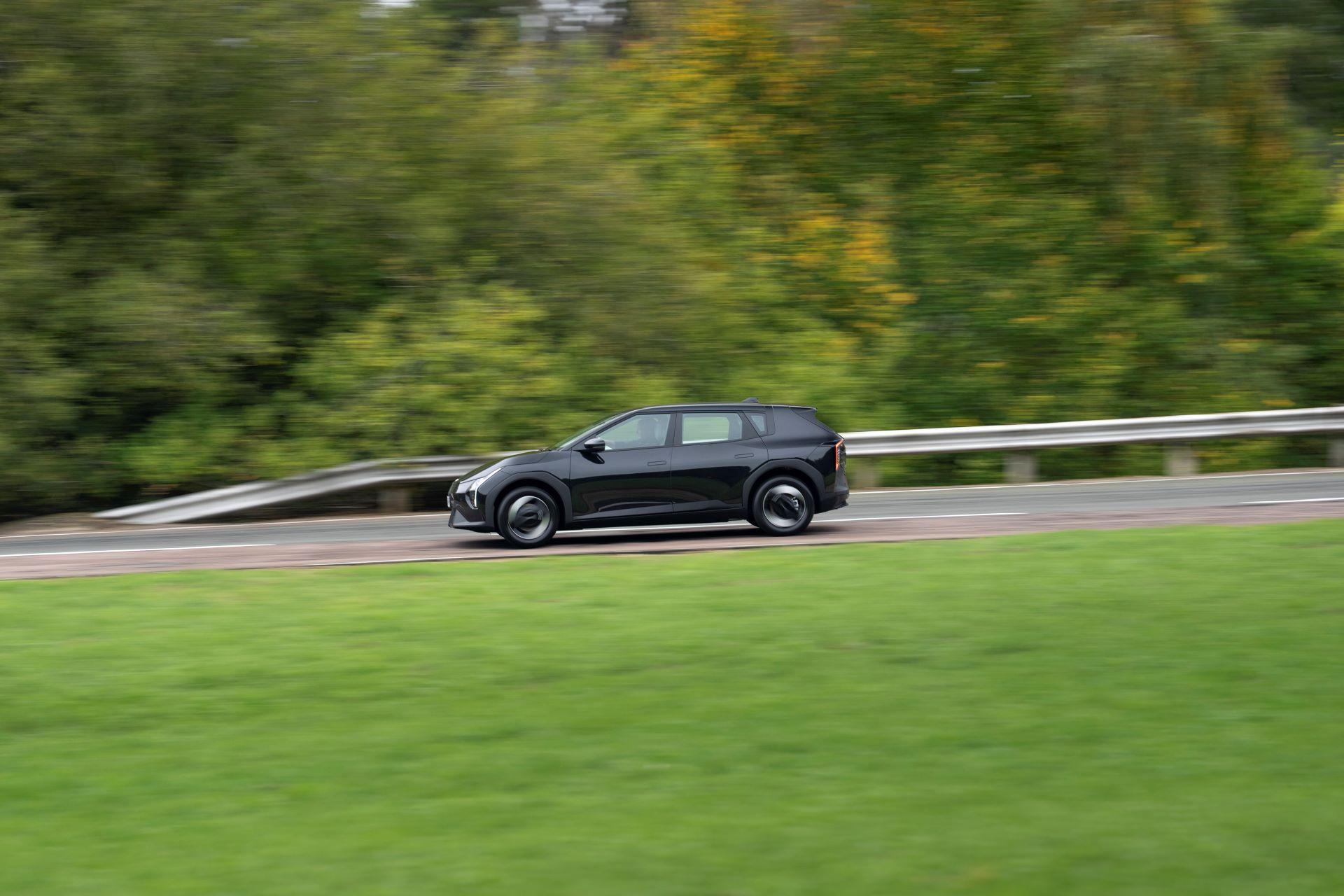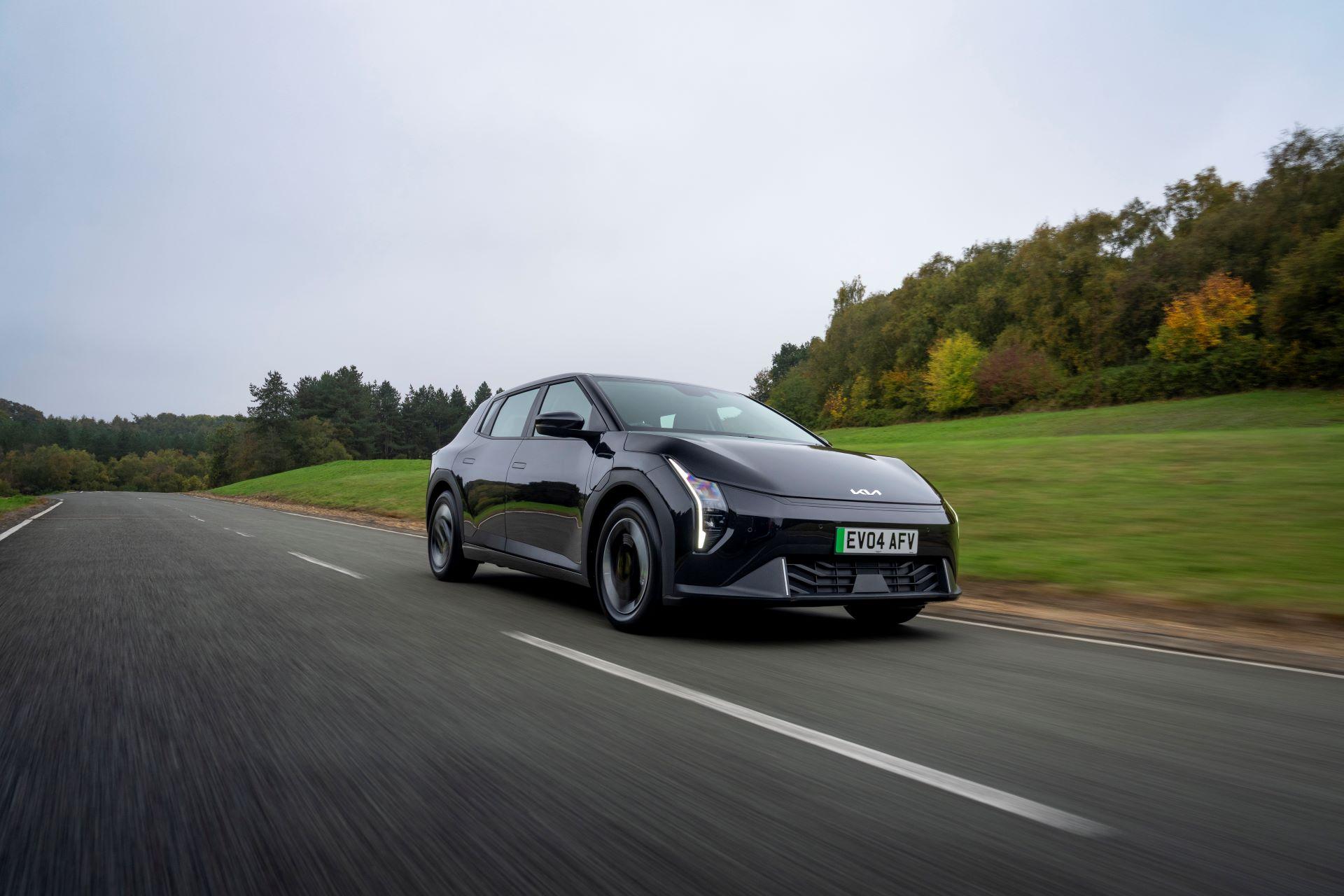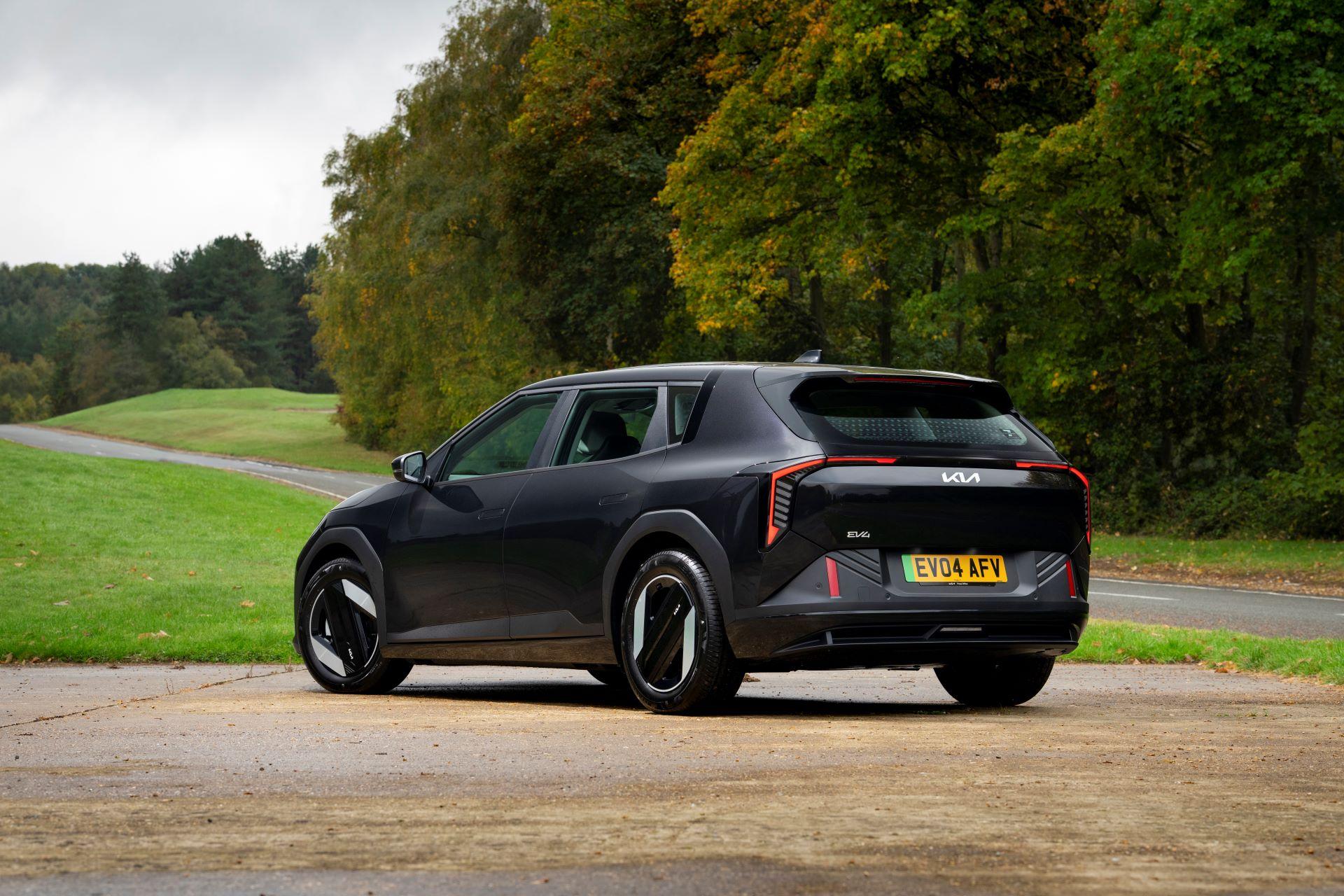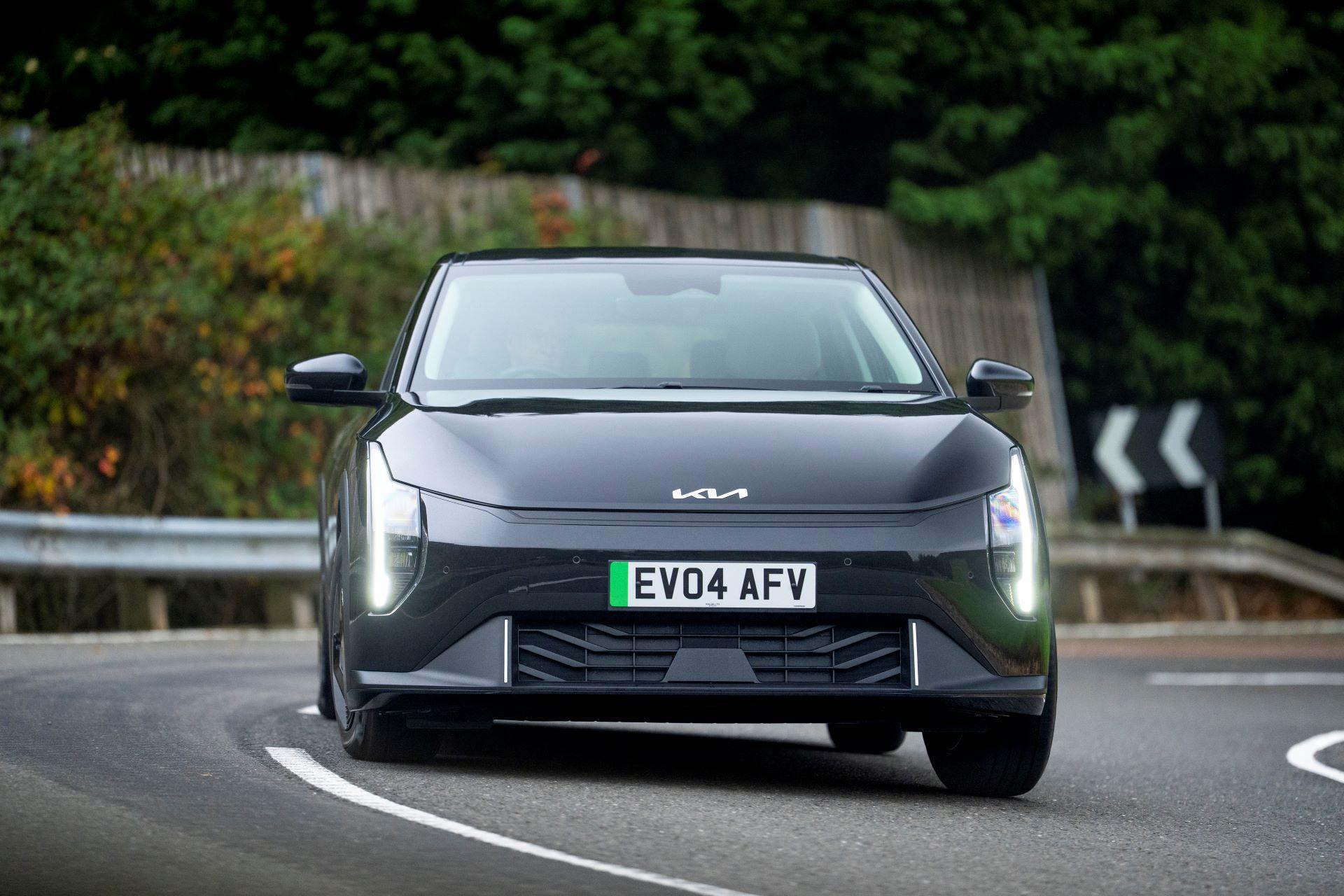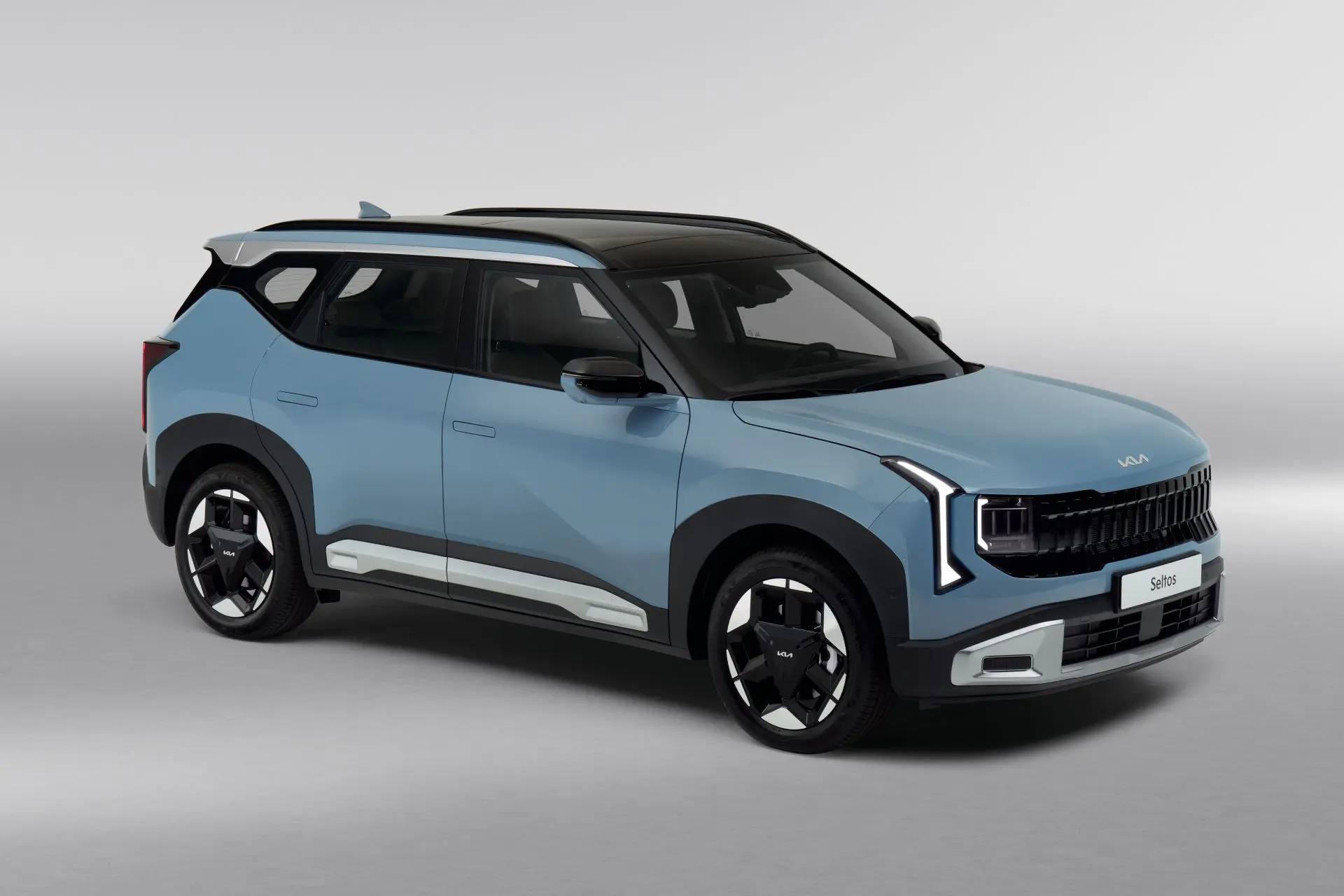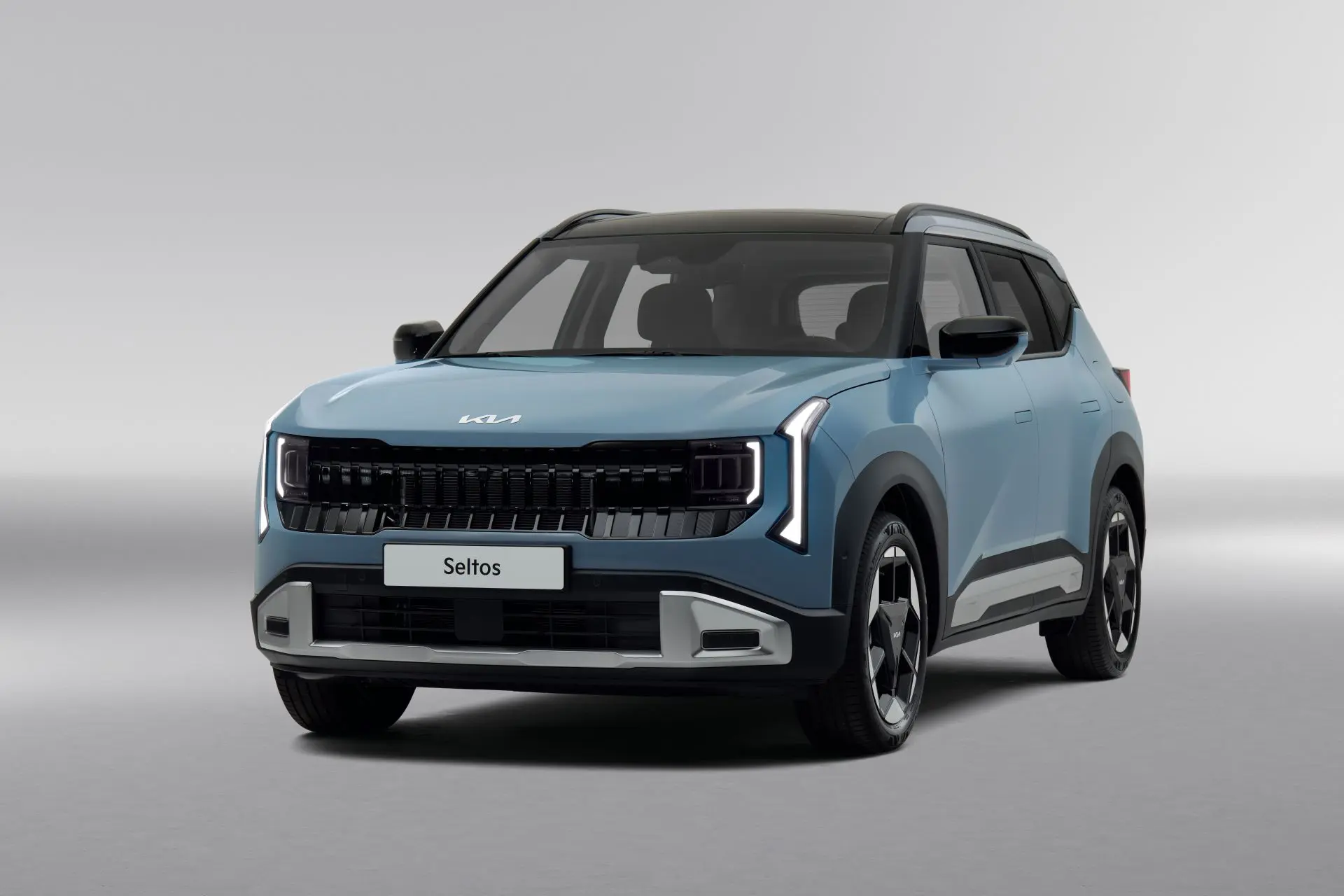



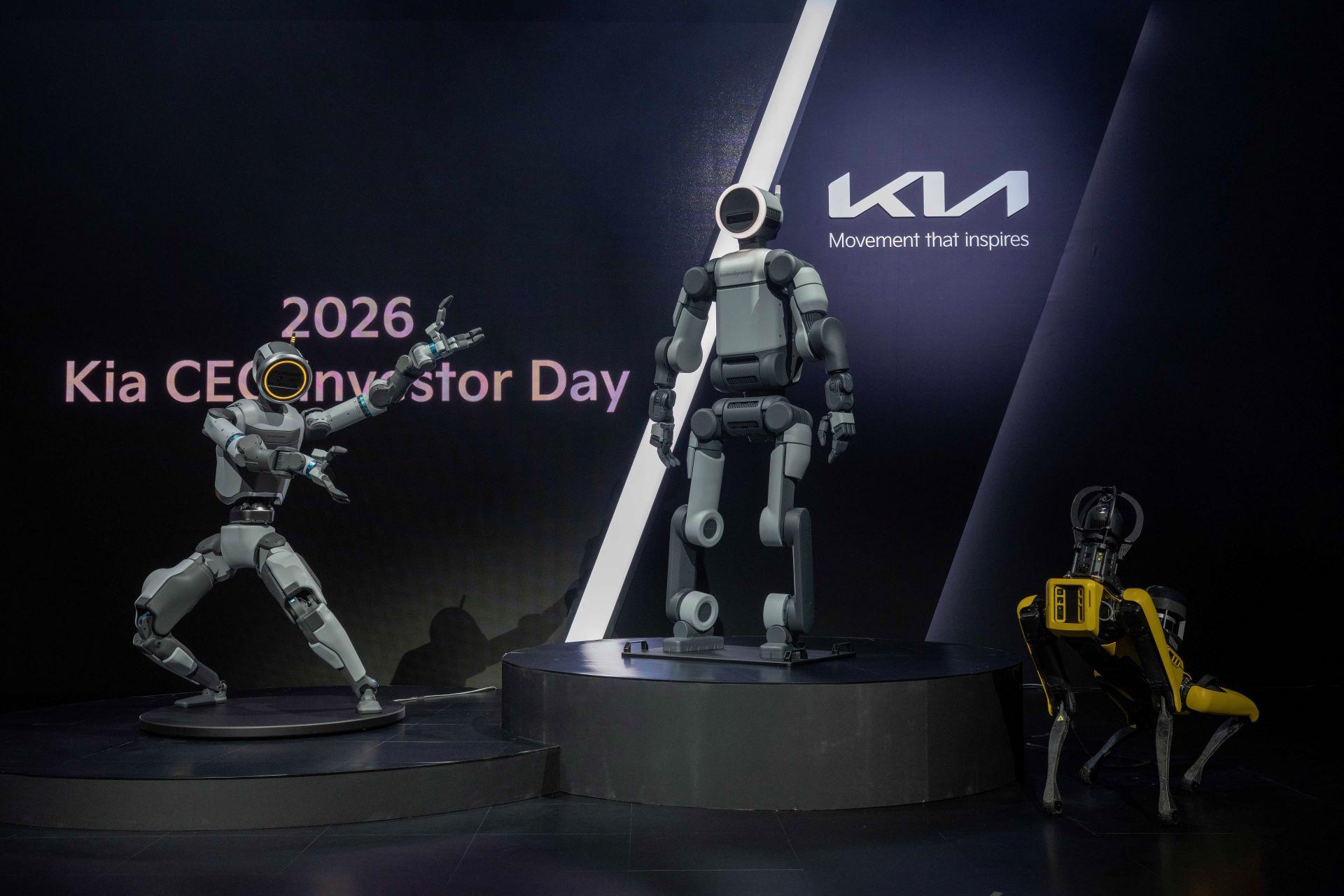
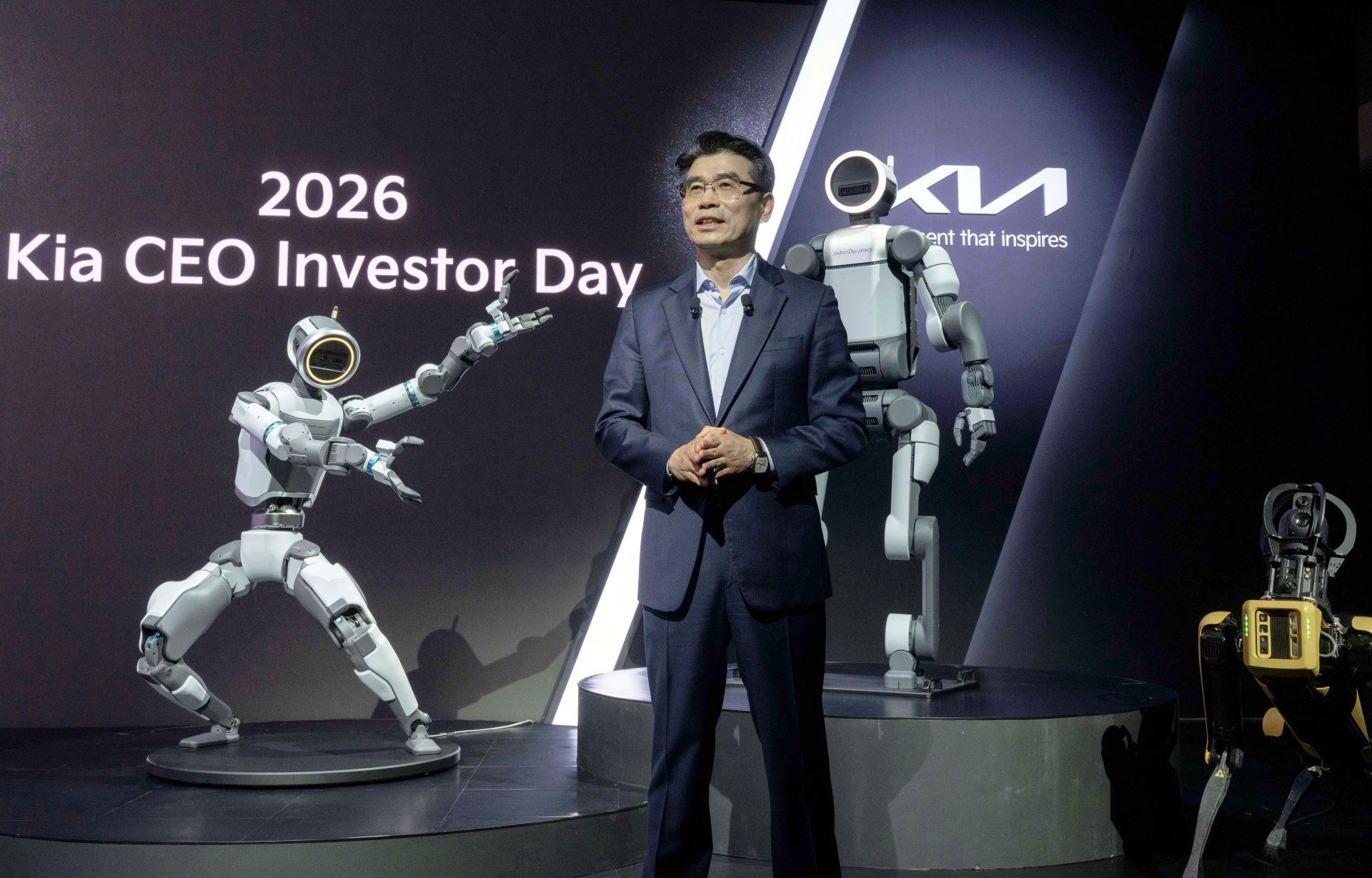
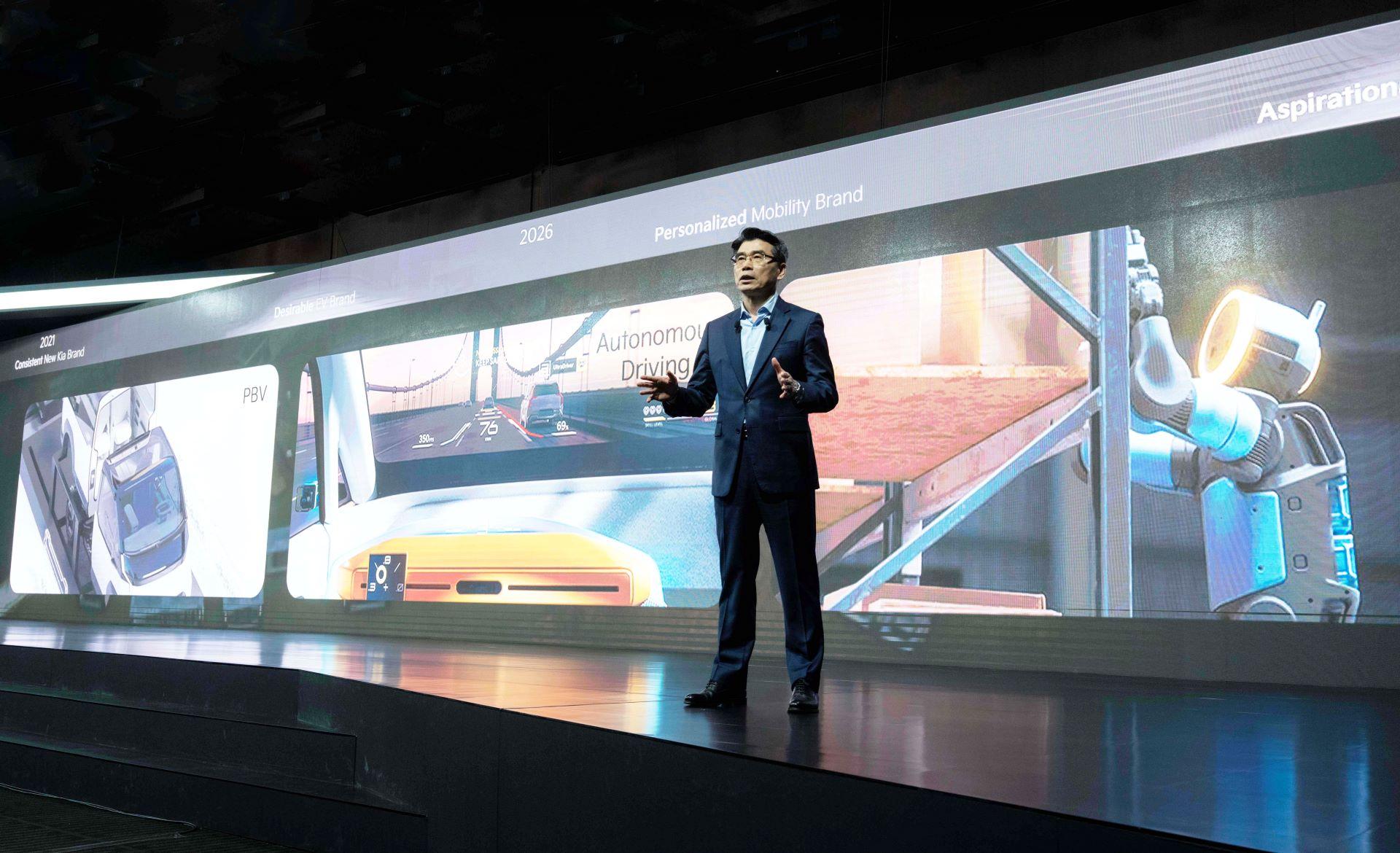
Kia Corporation has unveiled its ambitious mid- to long-term strategy, charting a course for exponential growth across electric vehicles, hybrids, PBVs, and autonomous technologies. The plan, revealed at Kia’s 2026 CEO Investor Day in Seoul, positions the brand for global sales of 4.13 million units by 2030, capturing a 4.5% market share, up from a projected 3.35 million units in 2026. Central to Kia’s strategy is a customer-focused approach that expands mobility solutions while driving innovation in electrification, autonomous driving, and robotics.
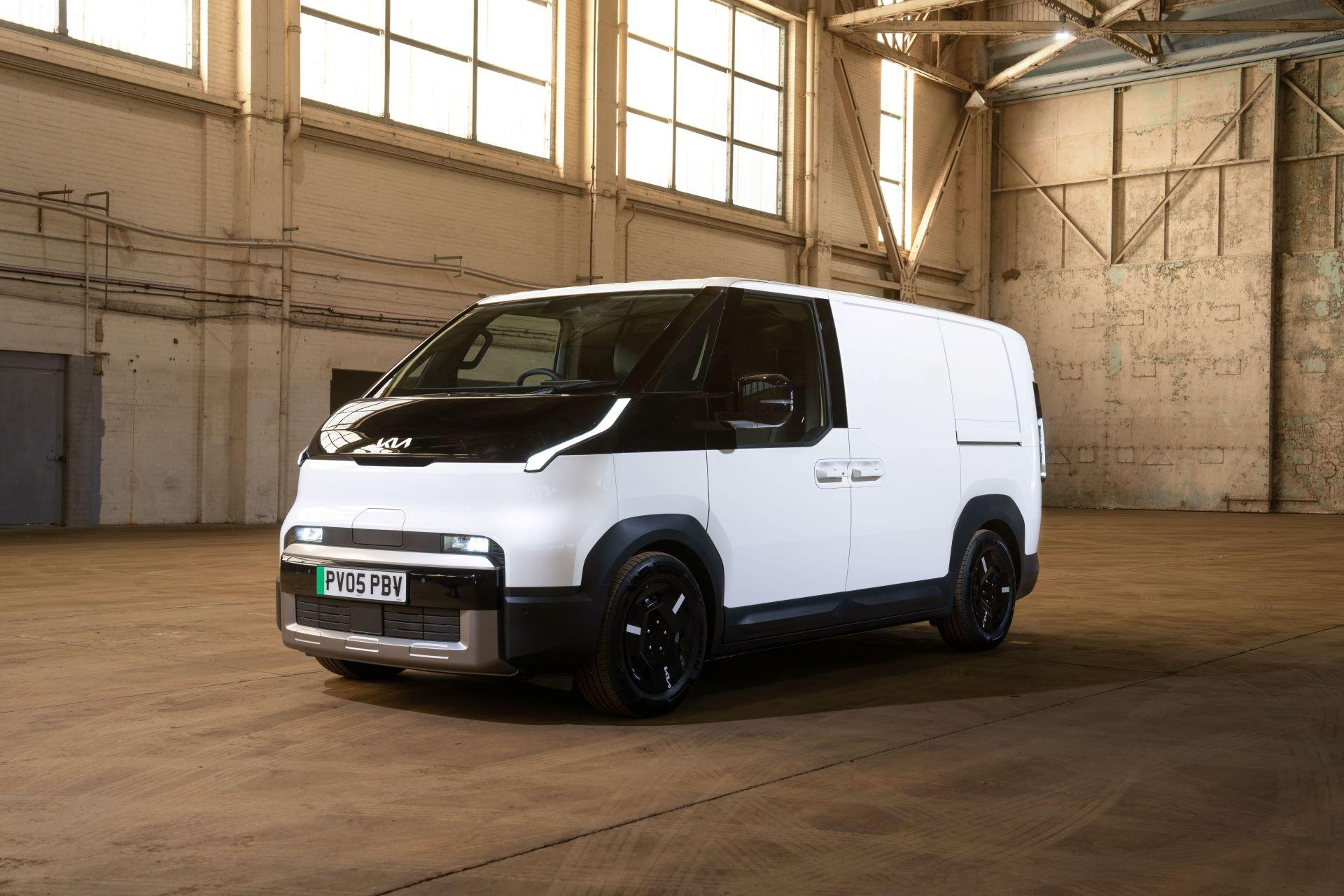
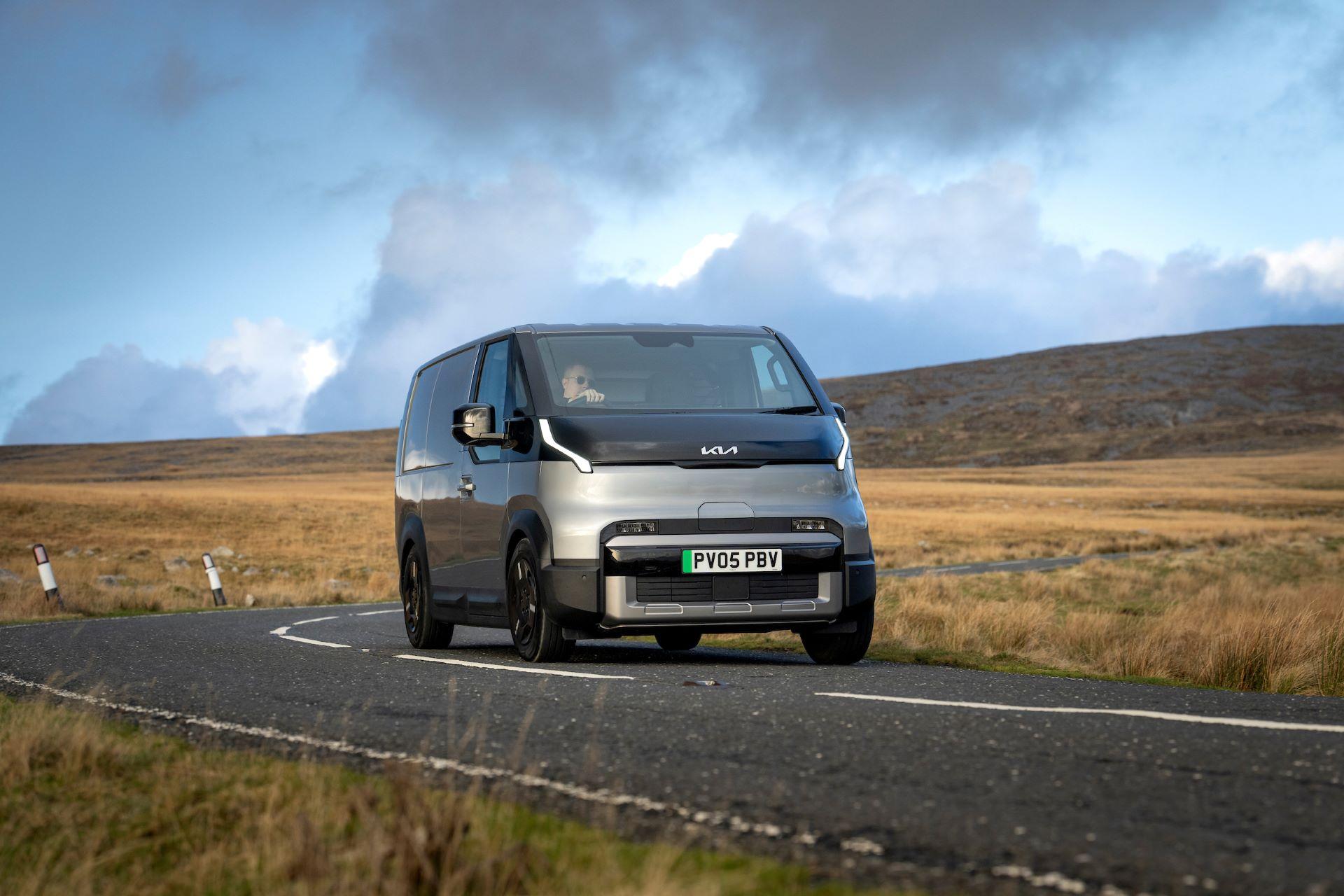
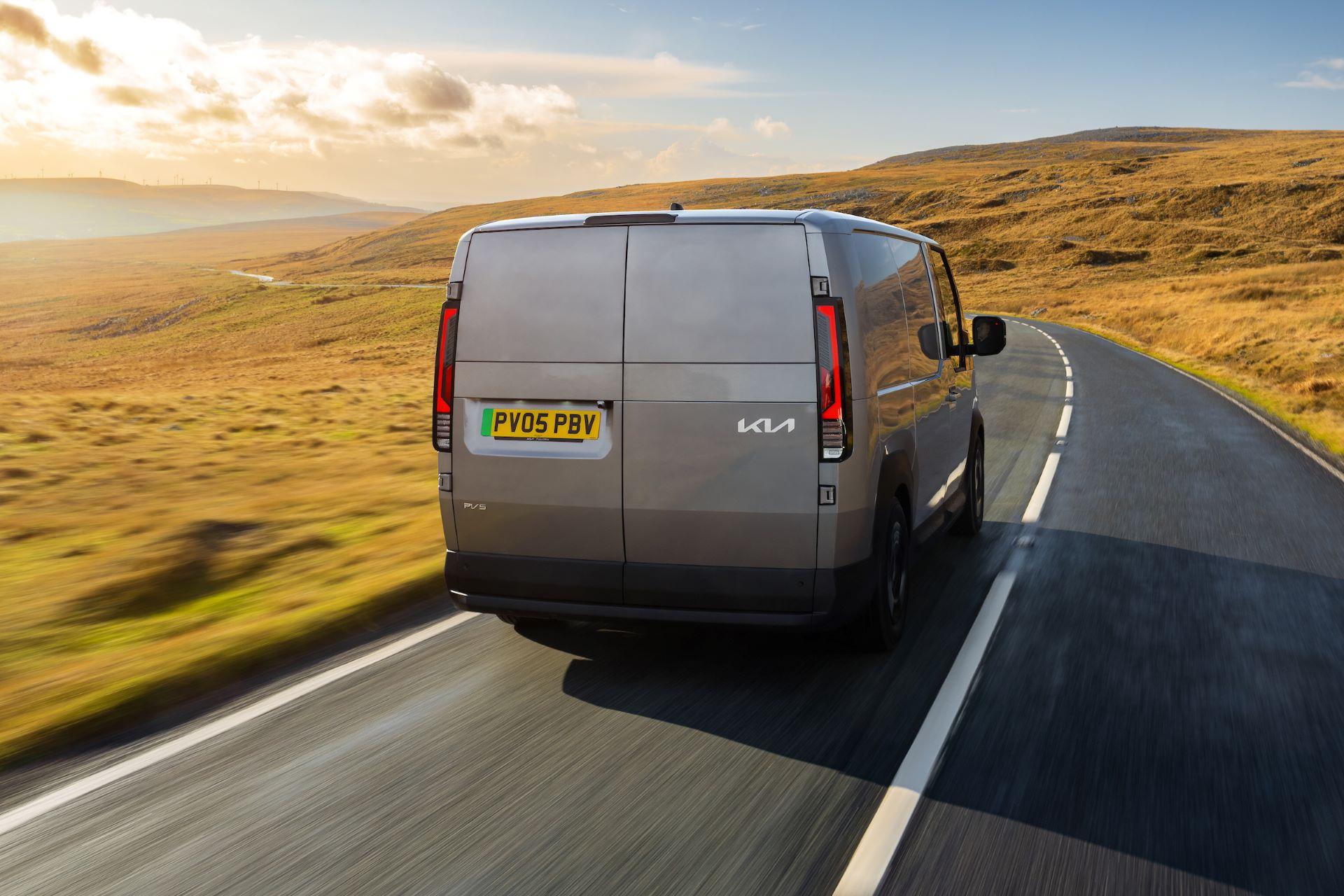
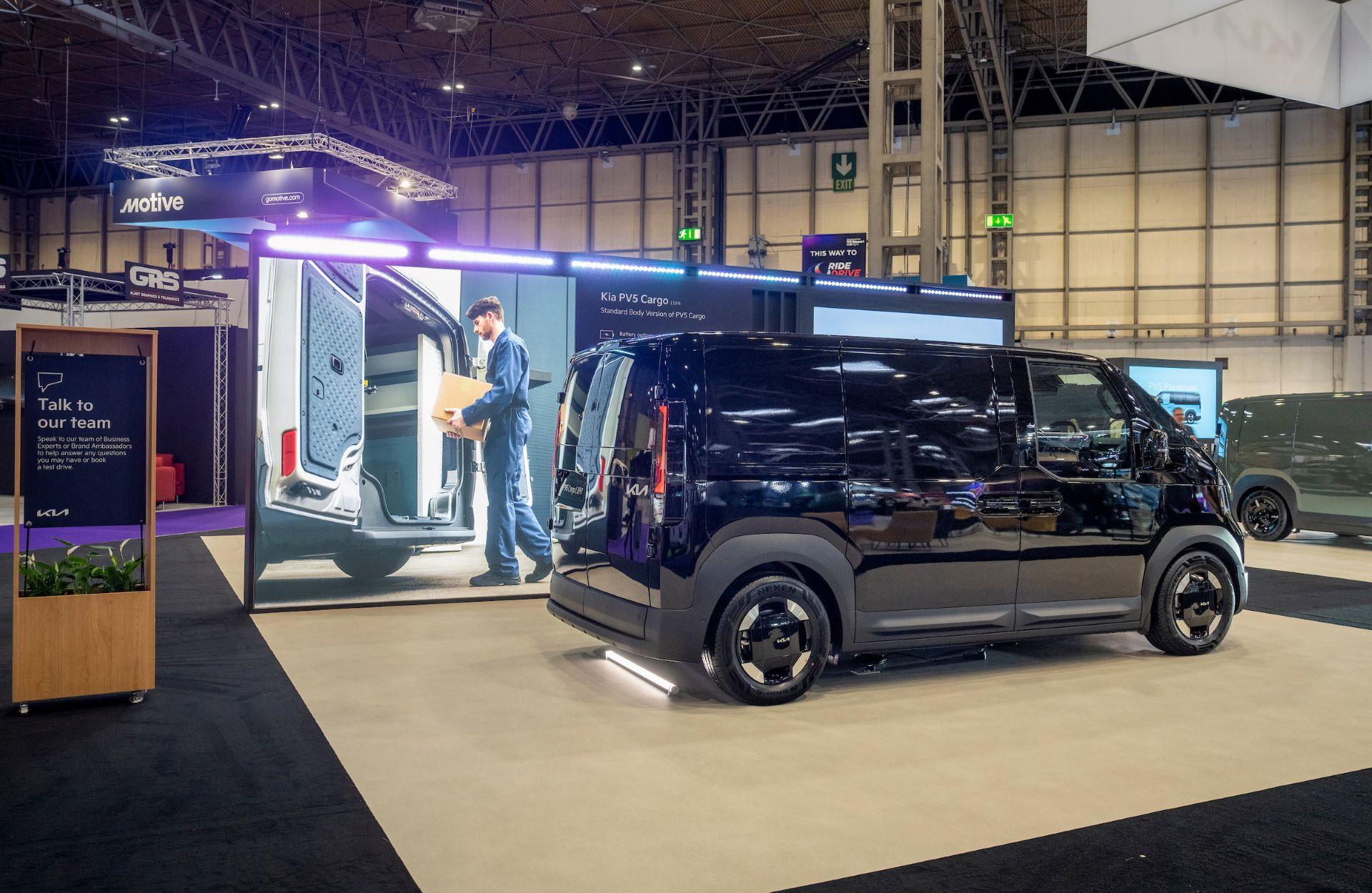
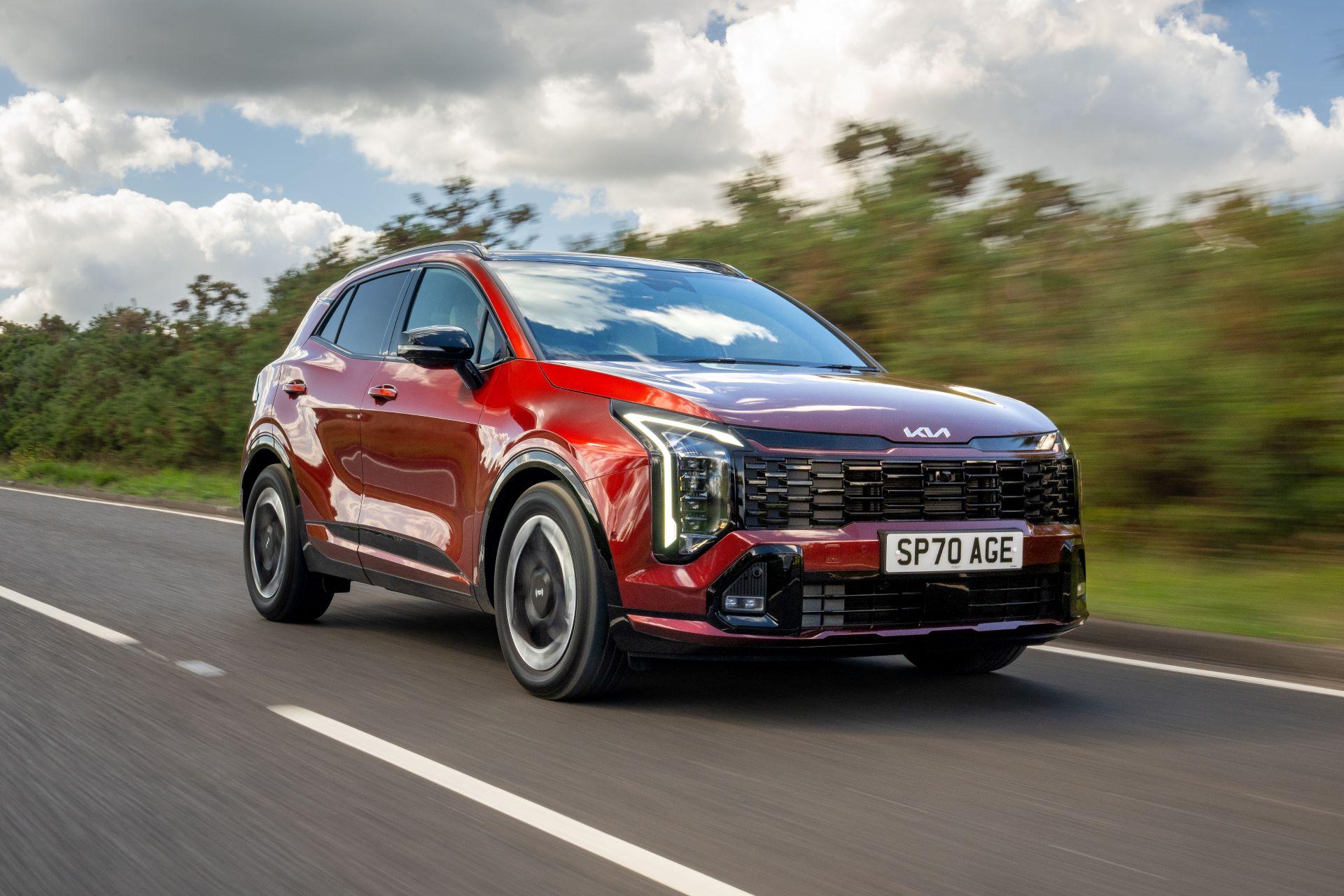
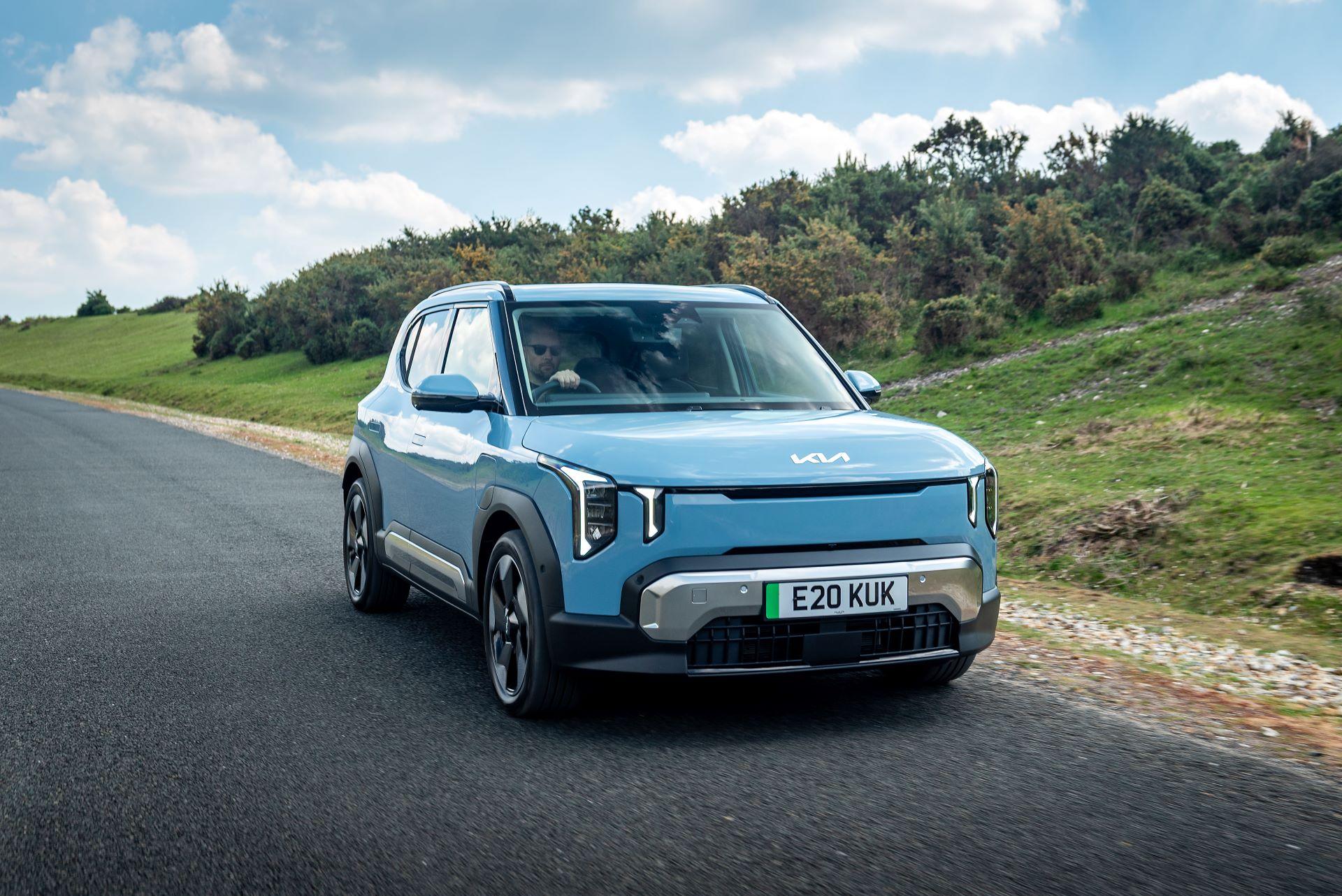
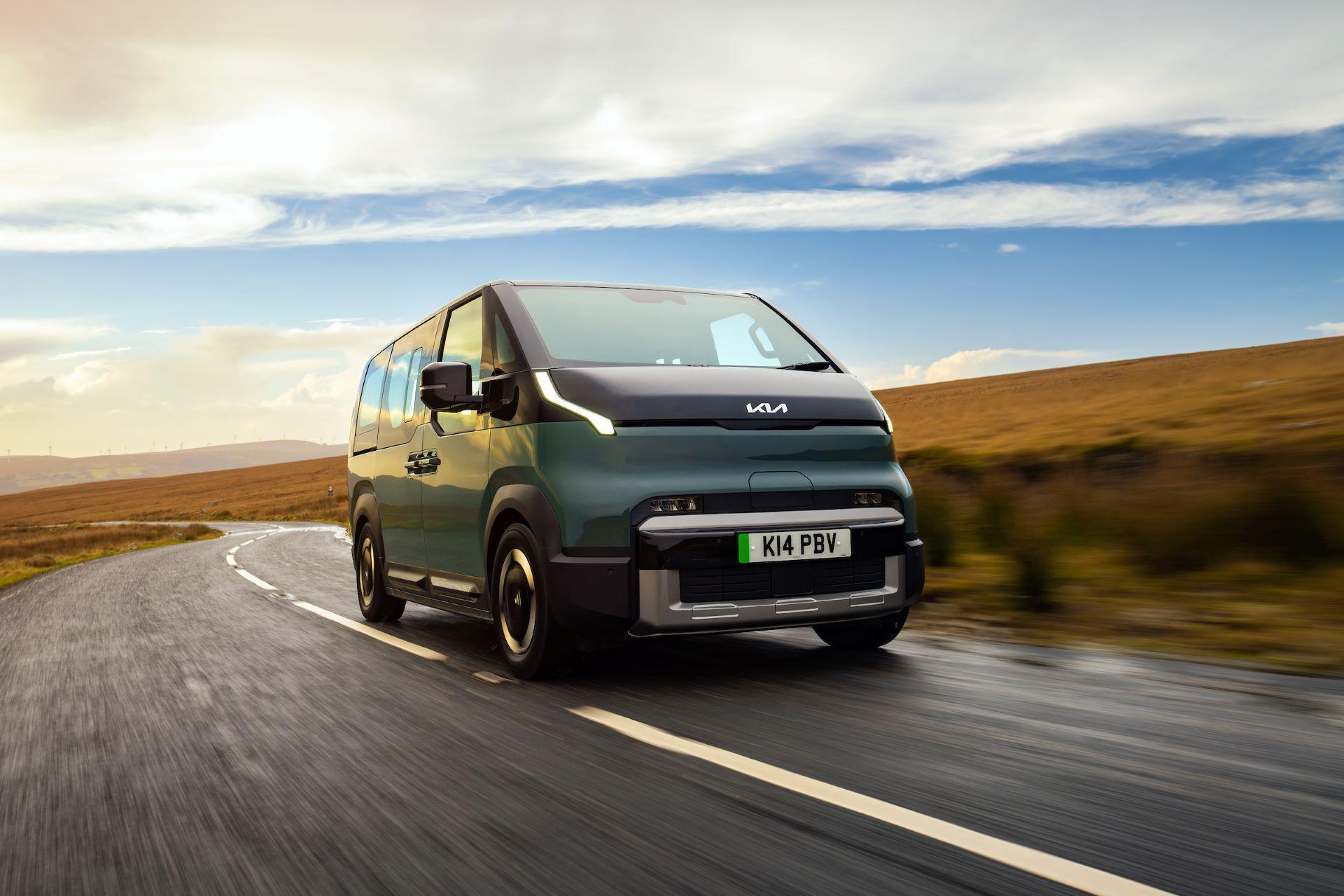
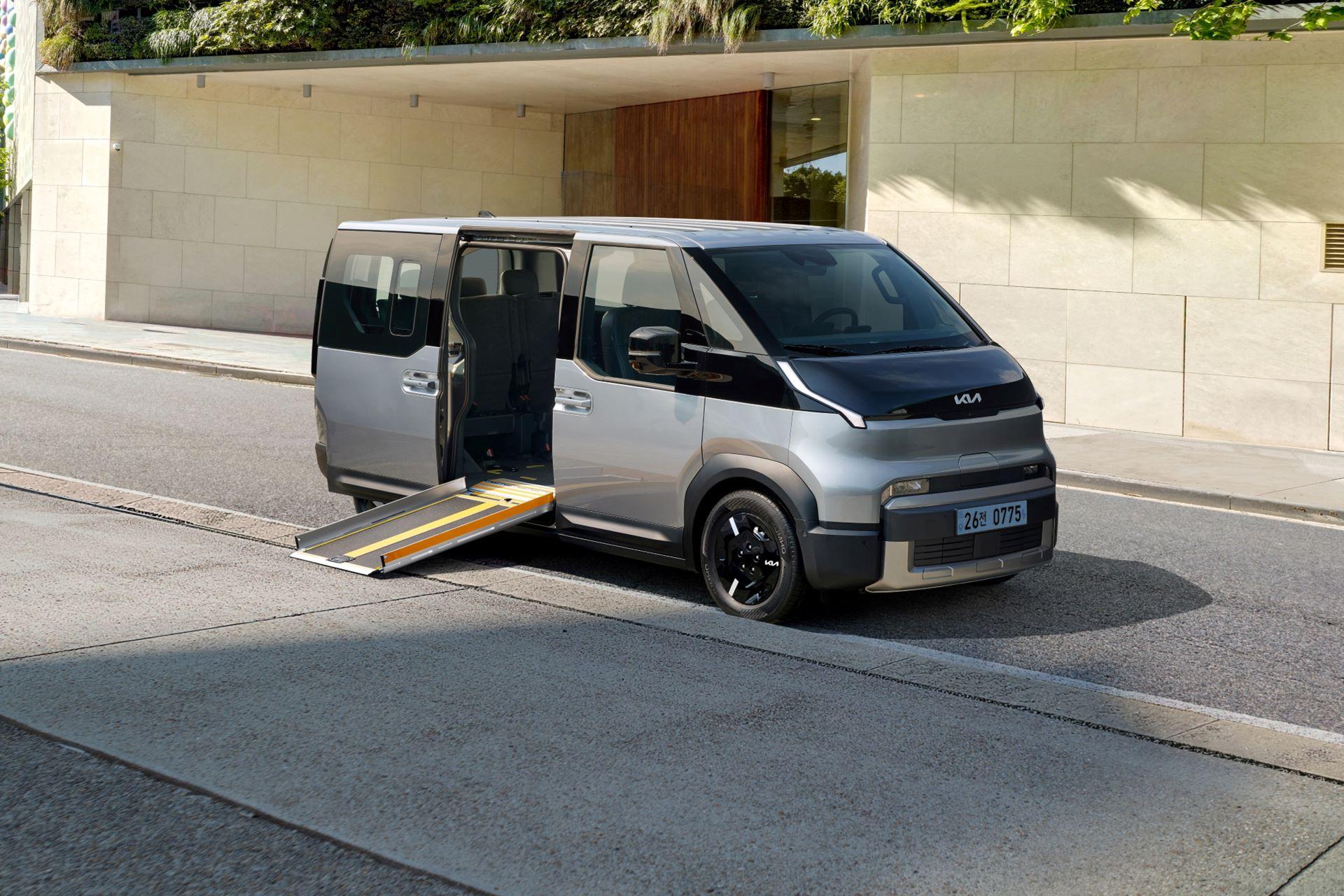
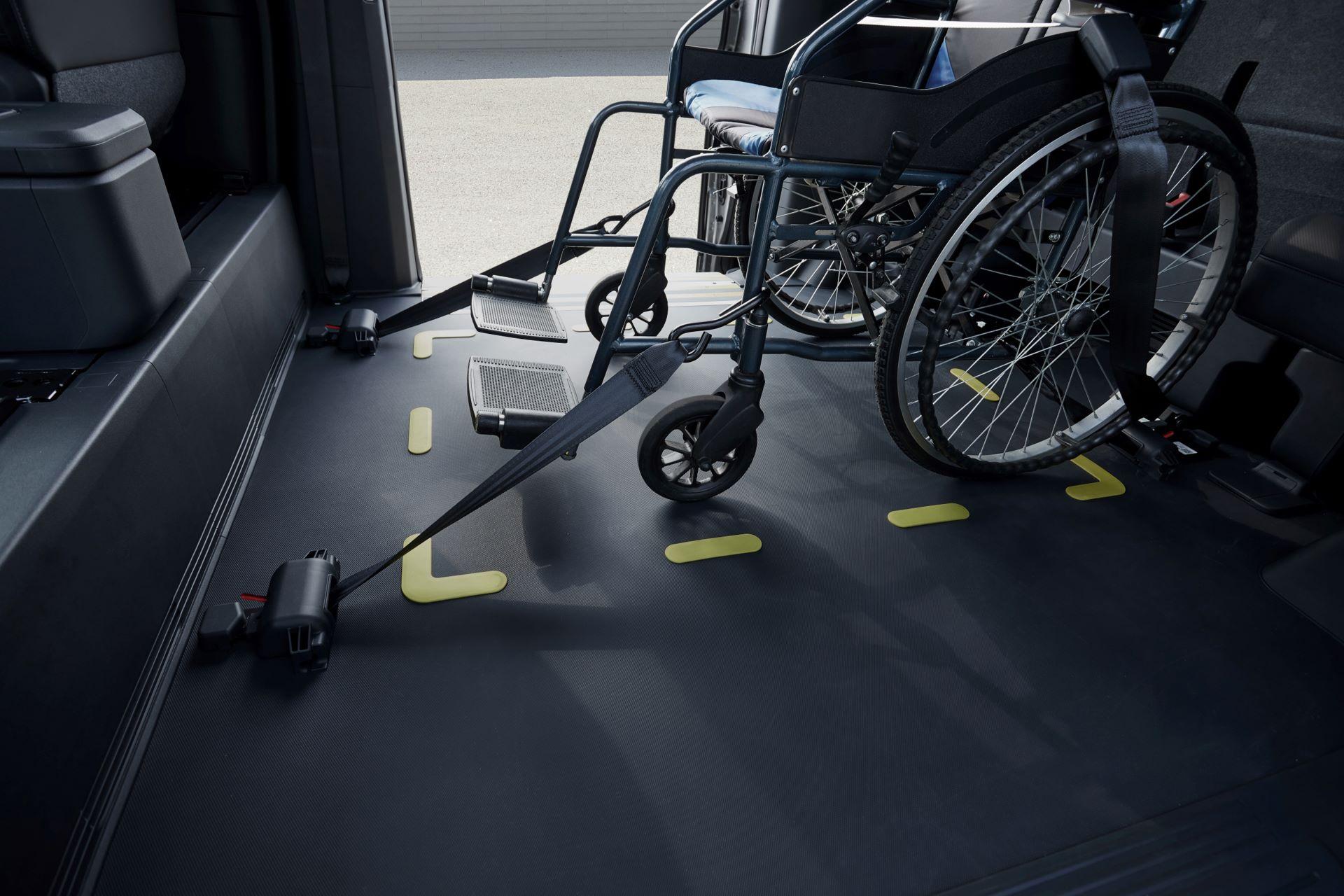
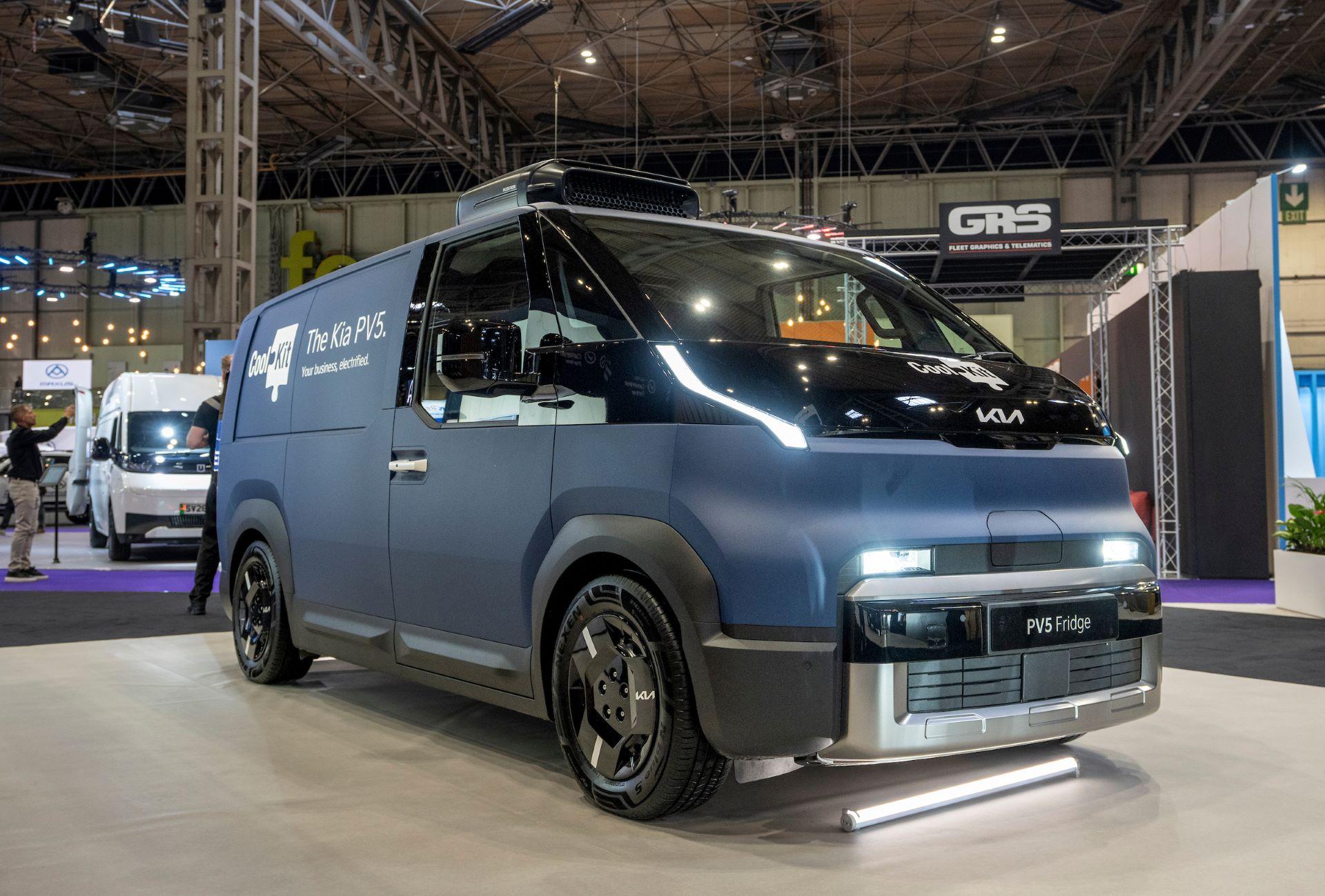
The company plans to grow its EV lineup to 14 models by 2030, targeting one million annual EV sales. This will be complemented by a strengthened HEV portfolio of 13 models, aiming for 1.1 million sales, including HEVs, PHEVs, and EREVs. Kia is also deepening its presence in the PBV market with the PV5, PV7, and PV9, setting a sales target of 232,000 units.
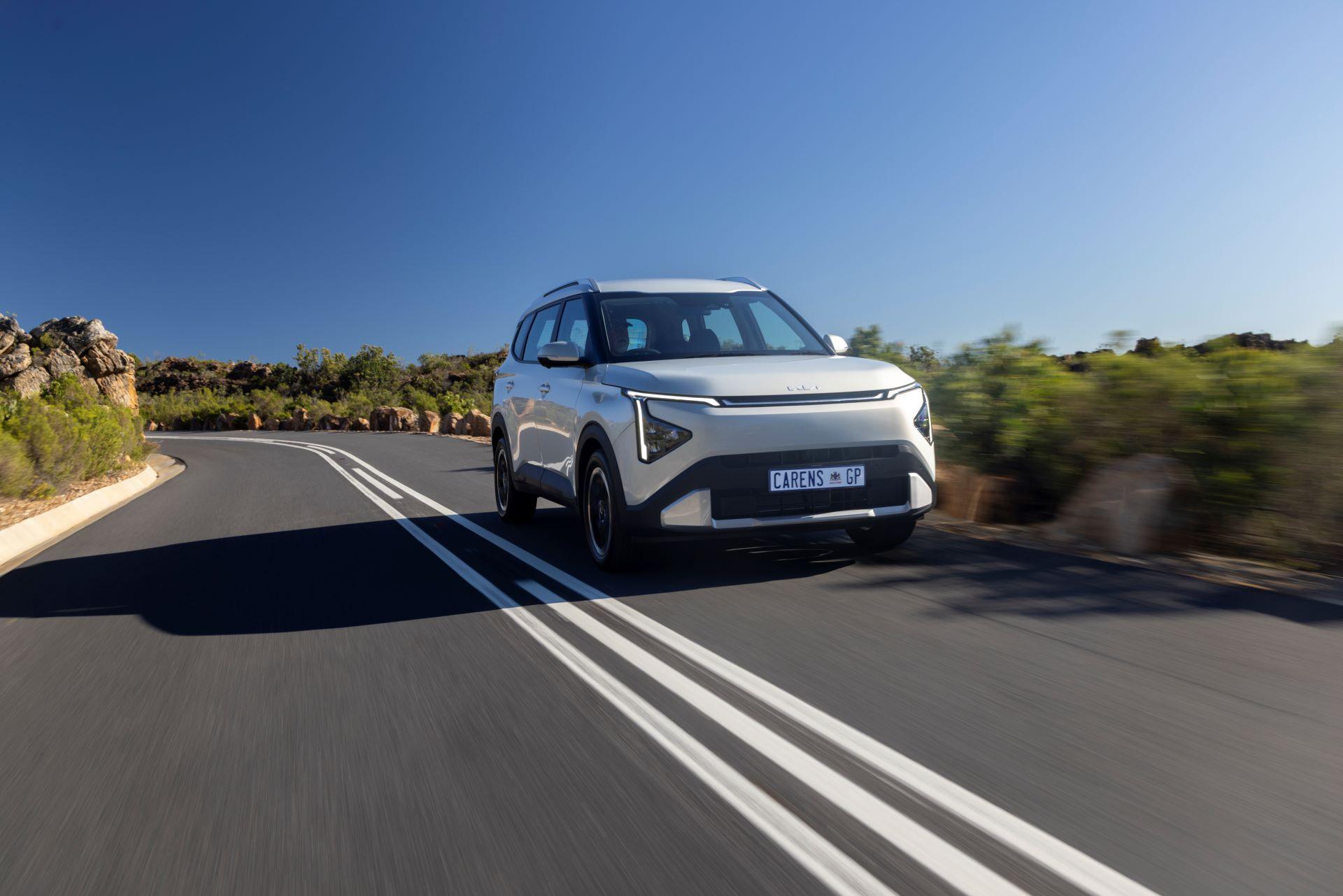
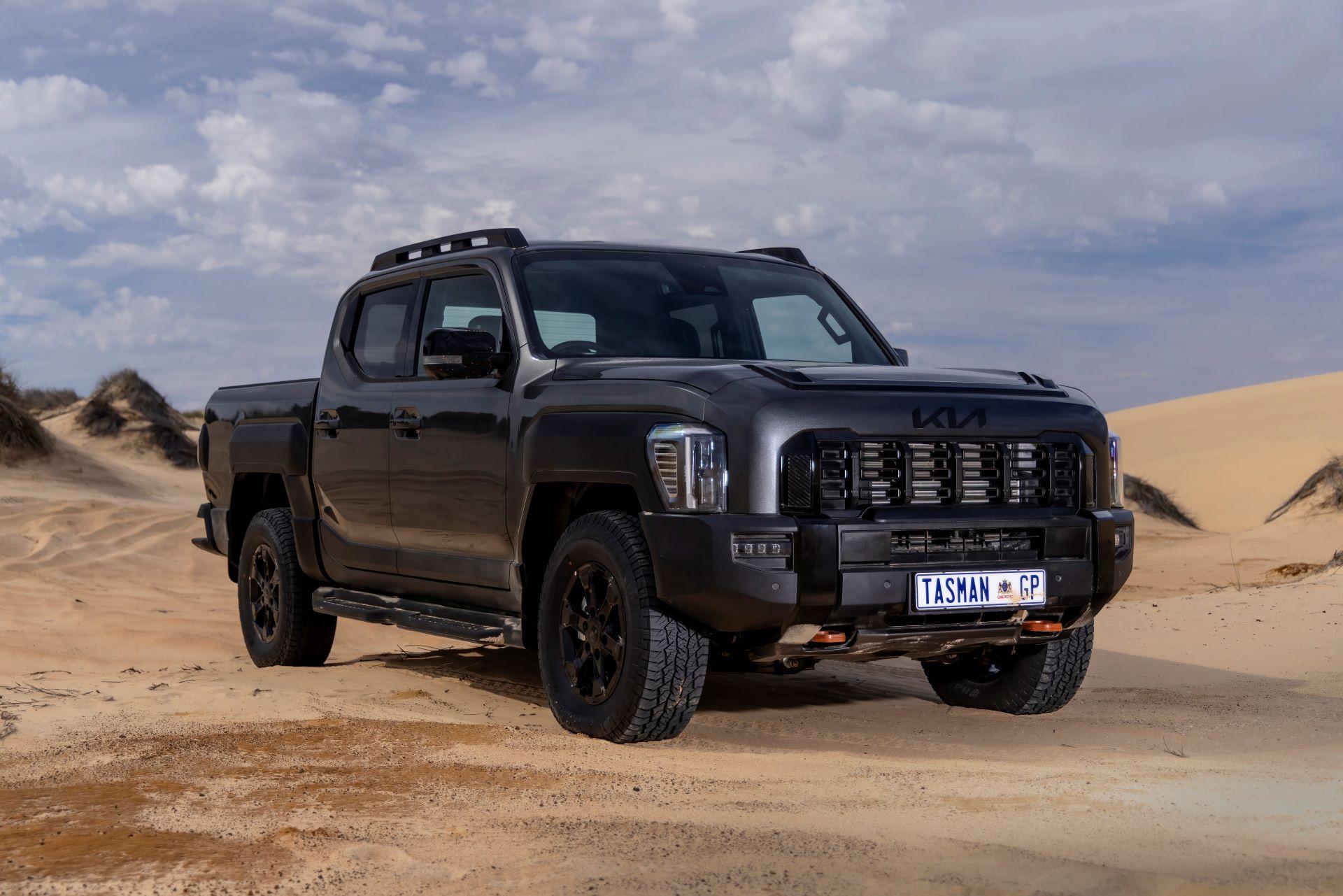
Regional growth is another cornerstone of Kia’s roadmap. In the U.S., the company is targeting over one million units annually, leveraging an expanded SUV and HEV lineup alongside new pickup truck entries. Europe will see a strong push in EV adoption, with electrified vehicles expected to comprise 66% of total sales by 2030, surpassing market averages. Emerging markets, including India, Mexico, and Africa, will focus on volume growth with tailored vehicle lineups and localised production strategies.
Future mobility solutions are a key pillar of Kia’s strategy. The company plans to complete its first SDV model by late 2027, with Level 2++ autonomous driving deployed in urban environments by 2029. Robotics integration is set to transform manufacturing and logistics, with Atlas robots introduced at Kia and Hyundai Motor Group production facilities starting in 2028, enhancing safety, productivity, and quality.
Kia’s financial roadmap is equally ambitious, with total investments of KRW 49 trillion from 2026 to 2030, including KRW 21 trillion dedicated to future growth areas. By 2030, the company aims for KRW 170 trillion in revenue, a 10% operating profit margin, and KRW 17 trillion in operating profit. Kia also plans to deliver strong shareholder returns, targeting a total shareholder return of over 35% between 2026 and 2028 through dividends, buybacks, and cancellations.
President and CEO Ho Sung Song emphasised the transformative nature of this strategy, highlighting EVs, HEVs, autonomous driving, and robotics as the drivers of Kia’s fastest growth to date. With a bold vision anchored in technology, sustainability, and customer-centric mobility, Kia is setting a course to redefine the automotive landscape by 2030.