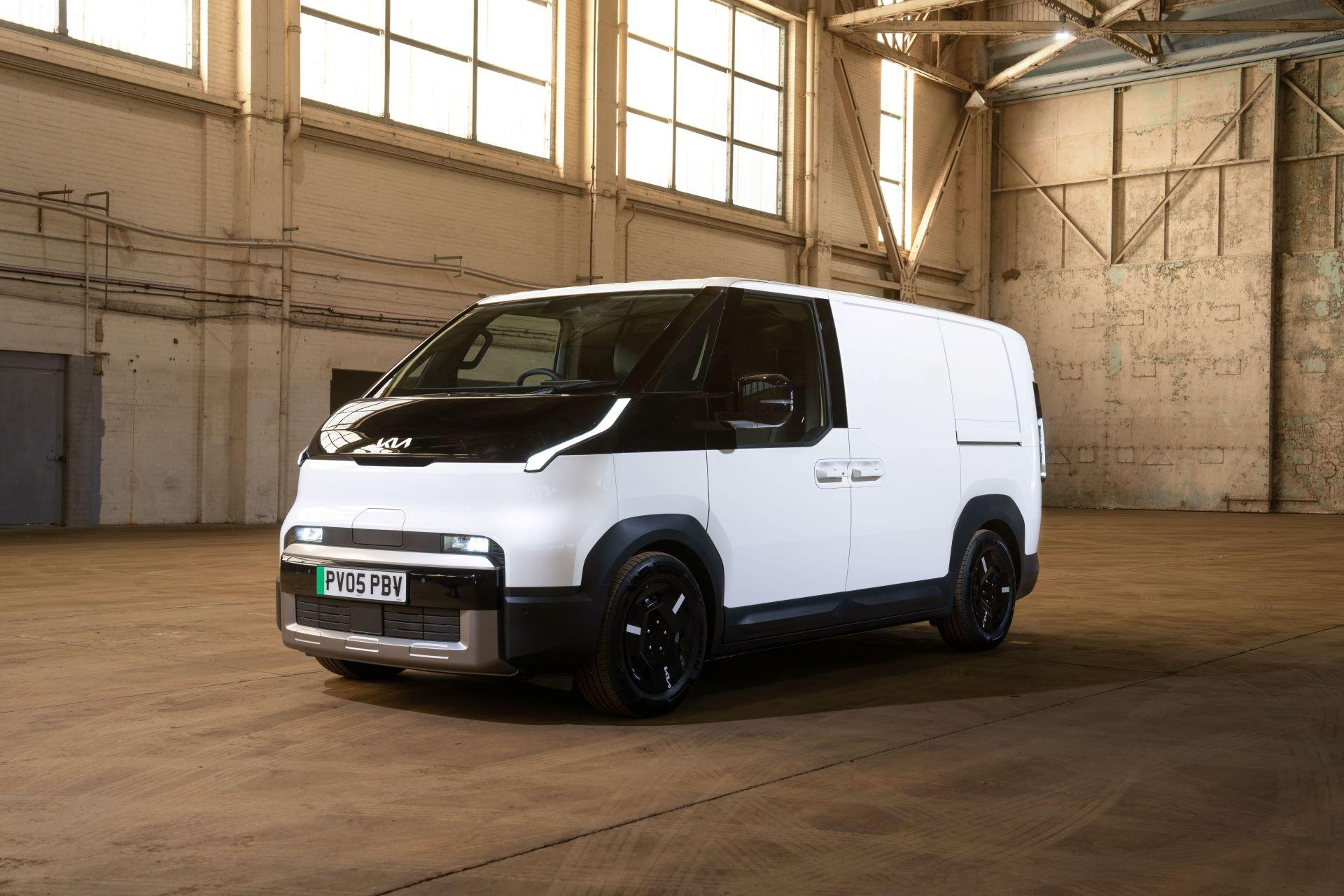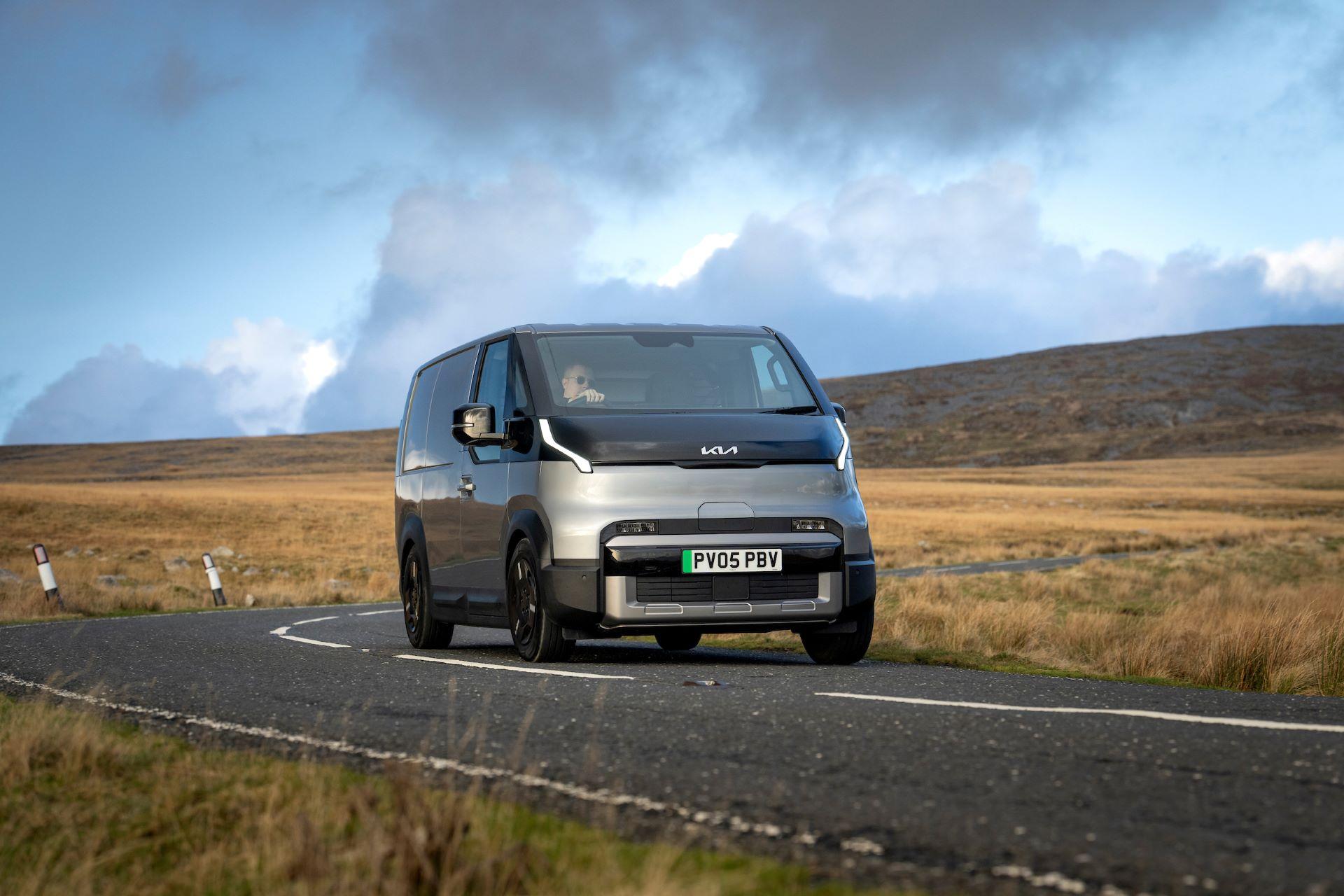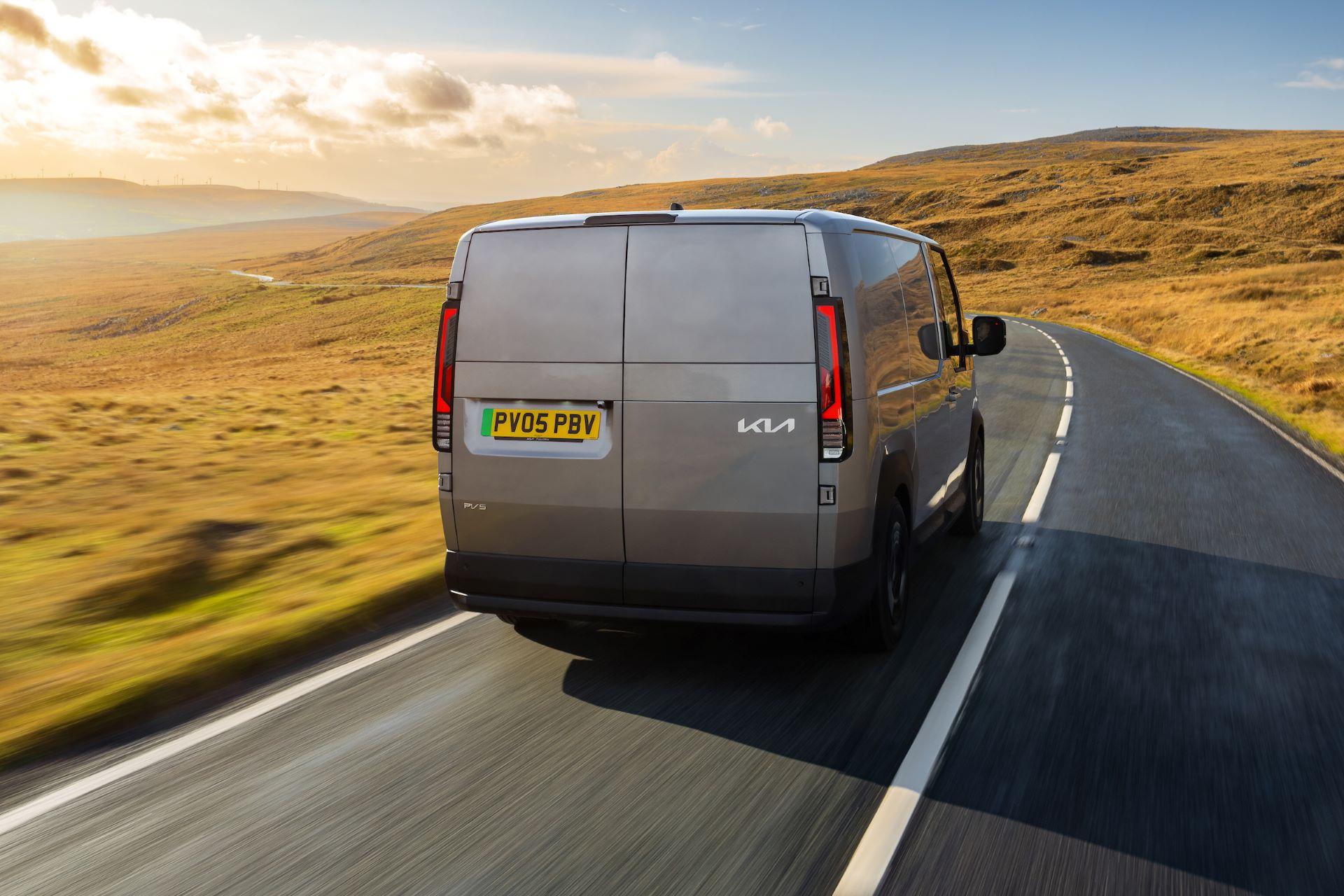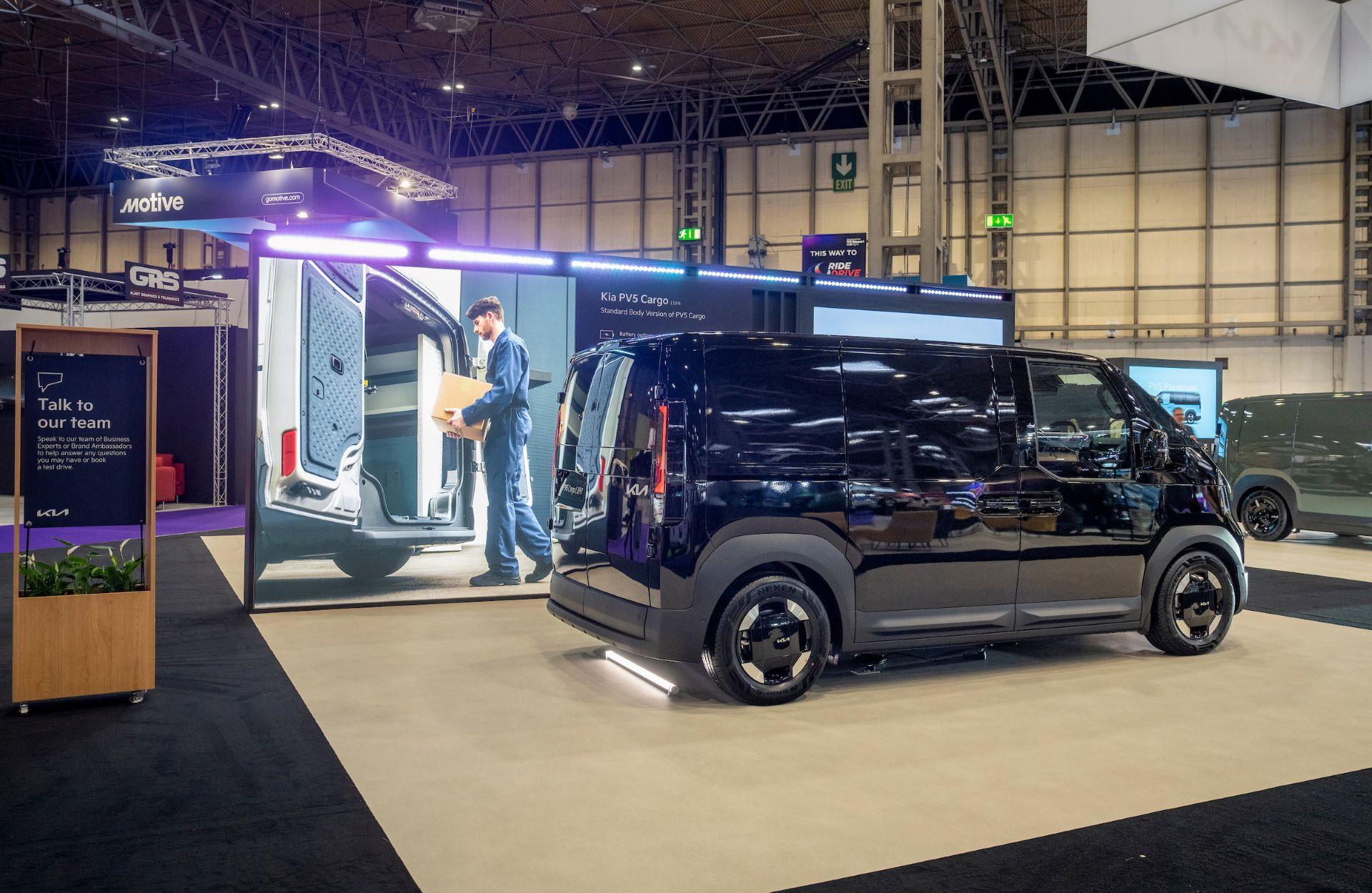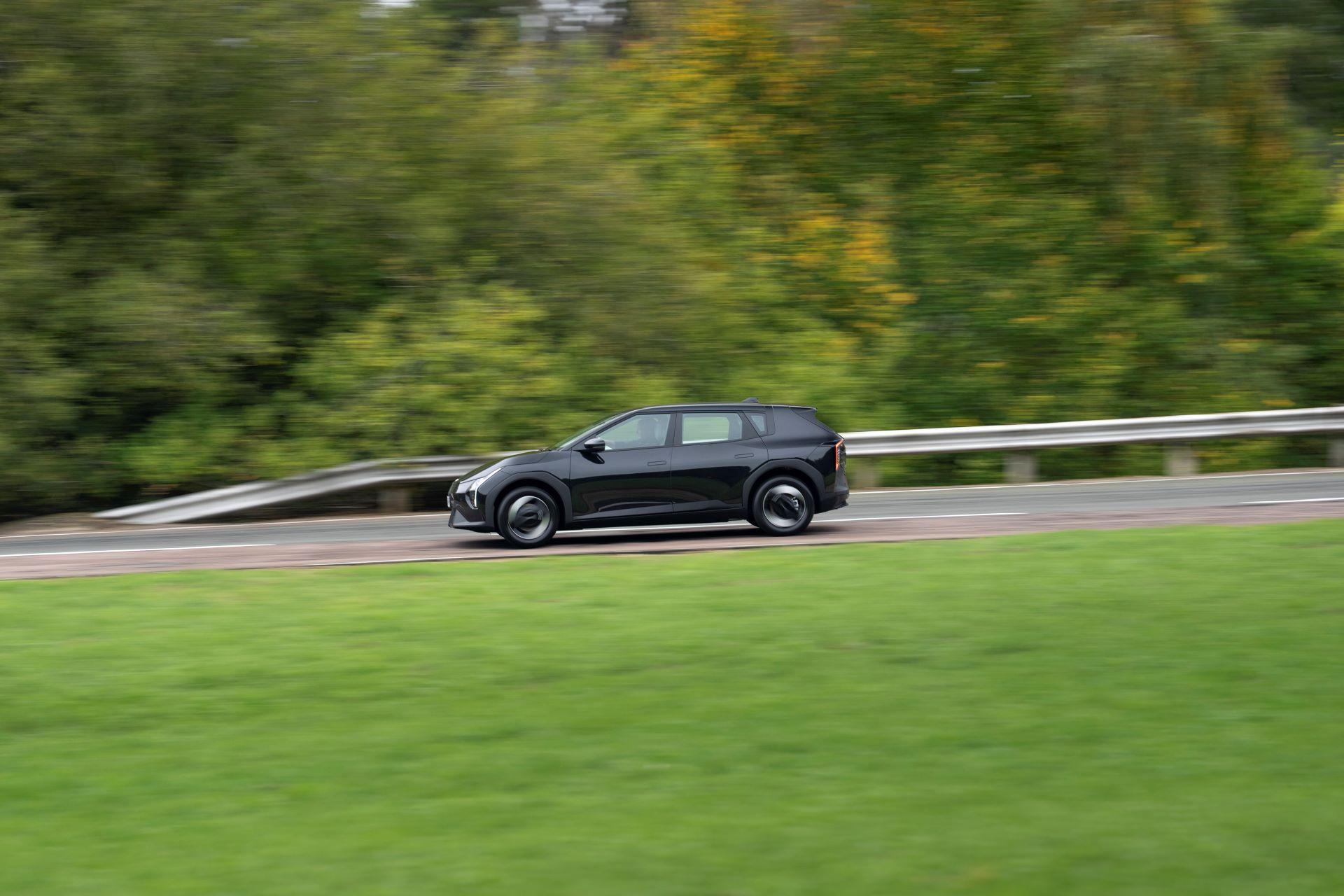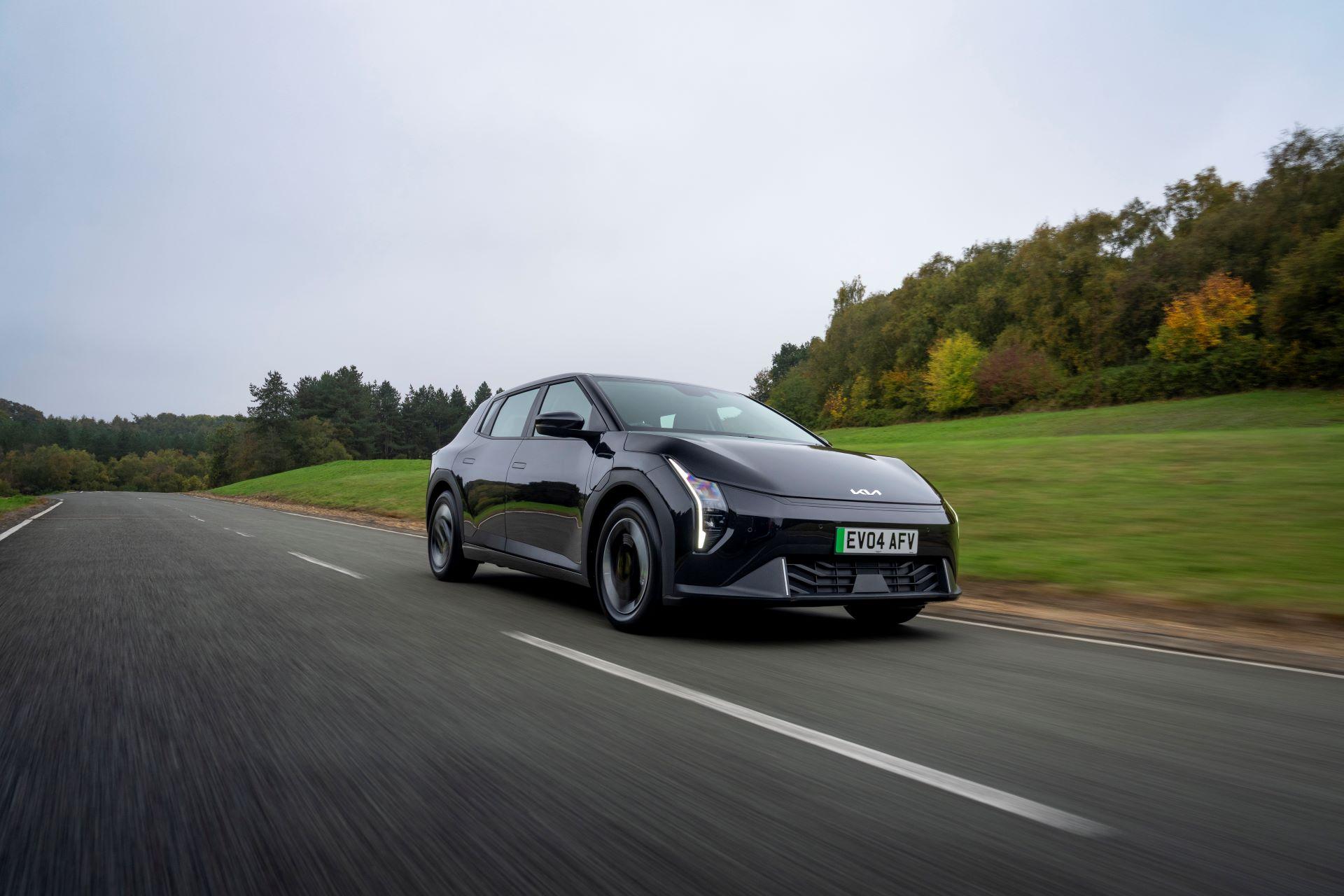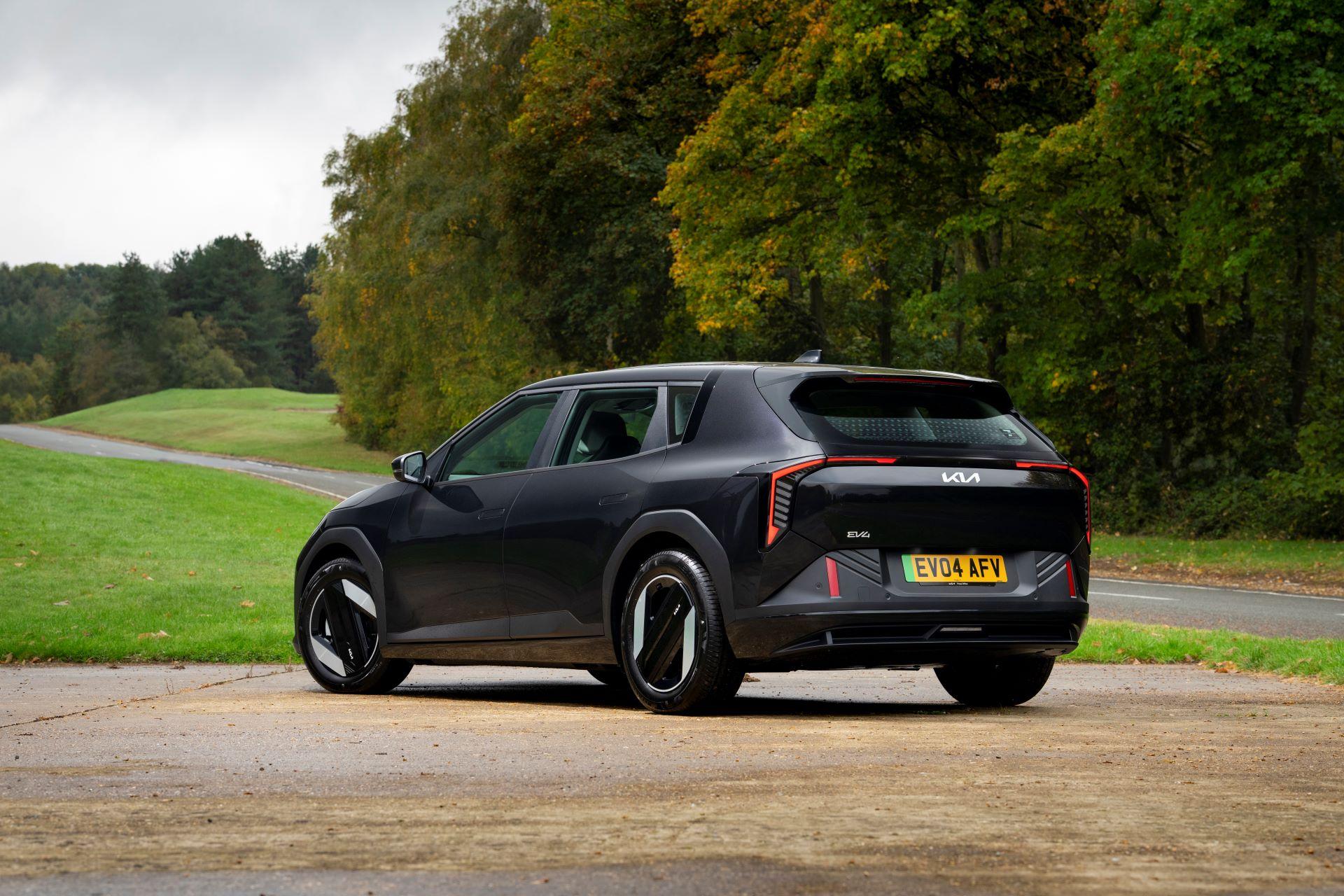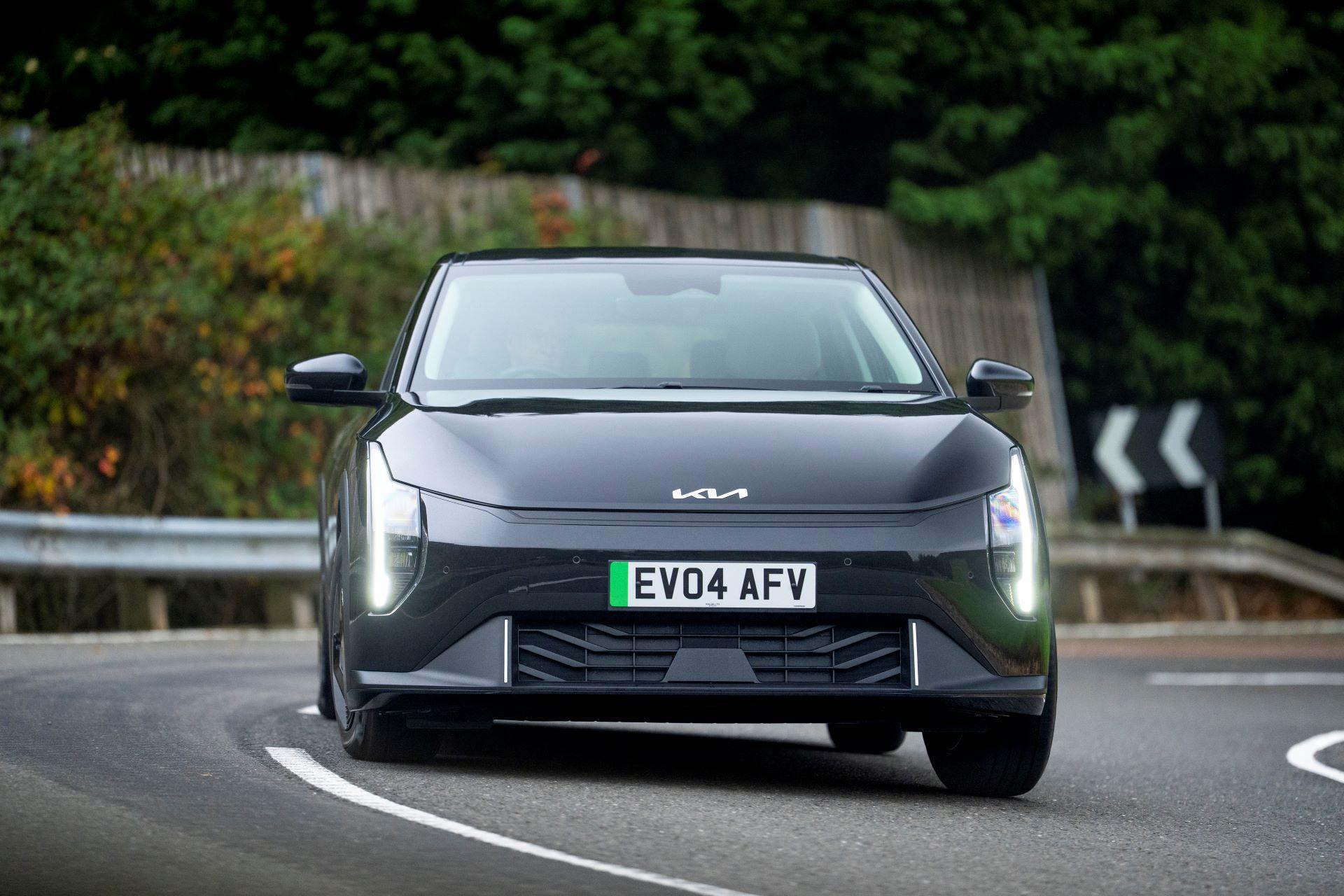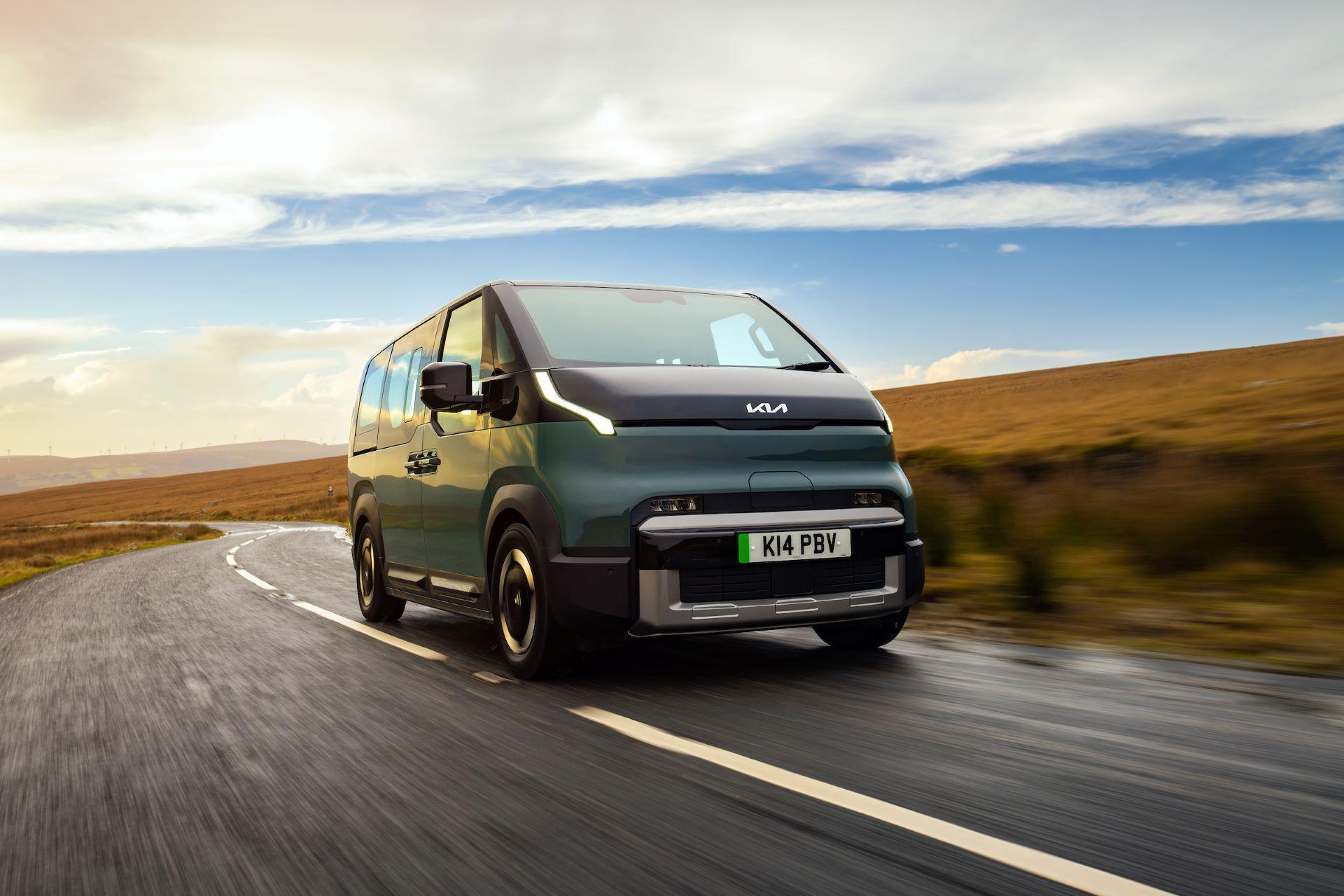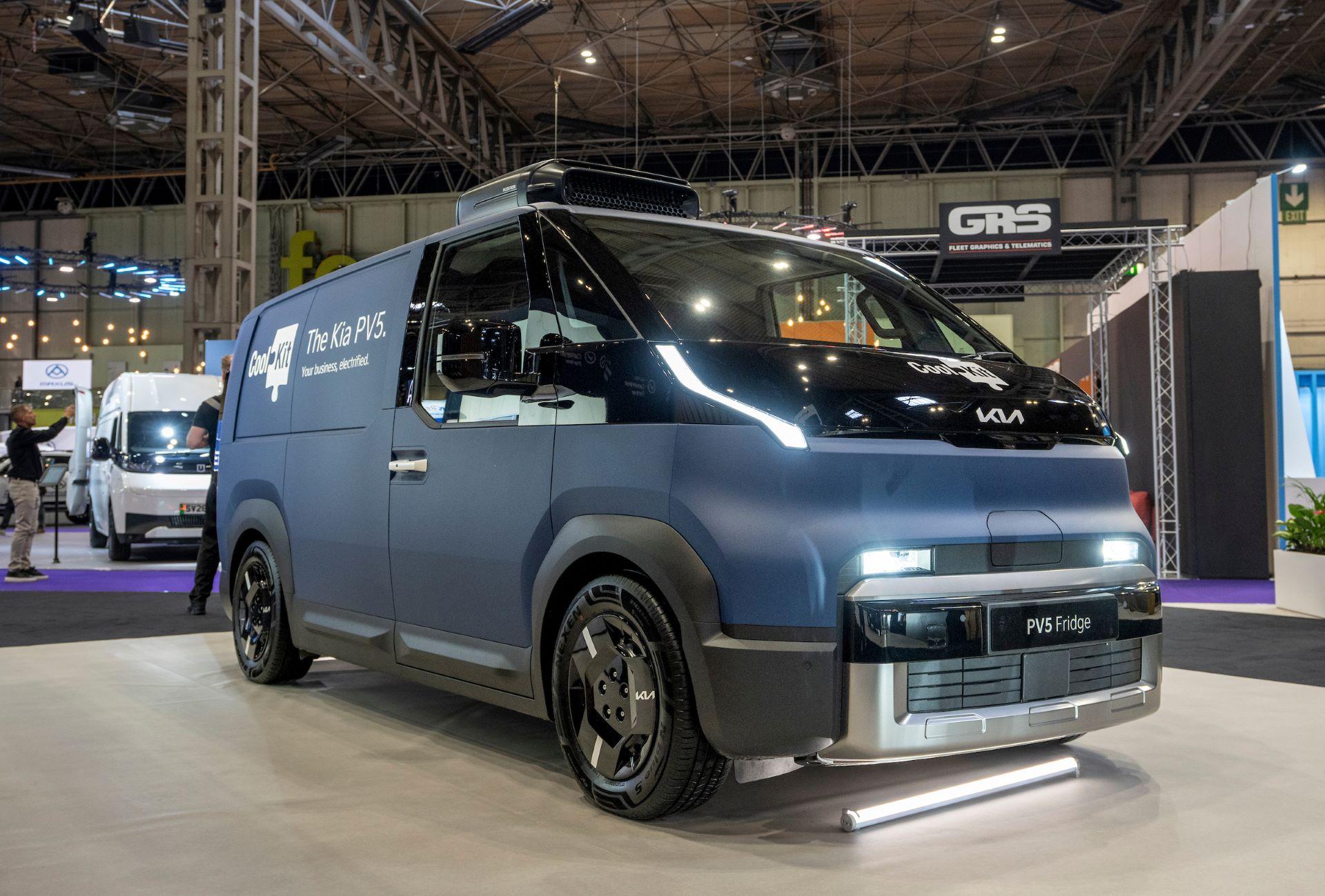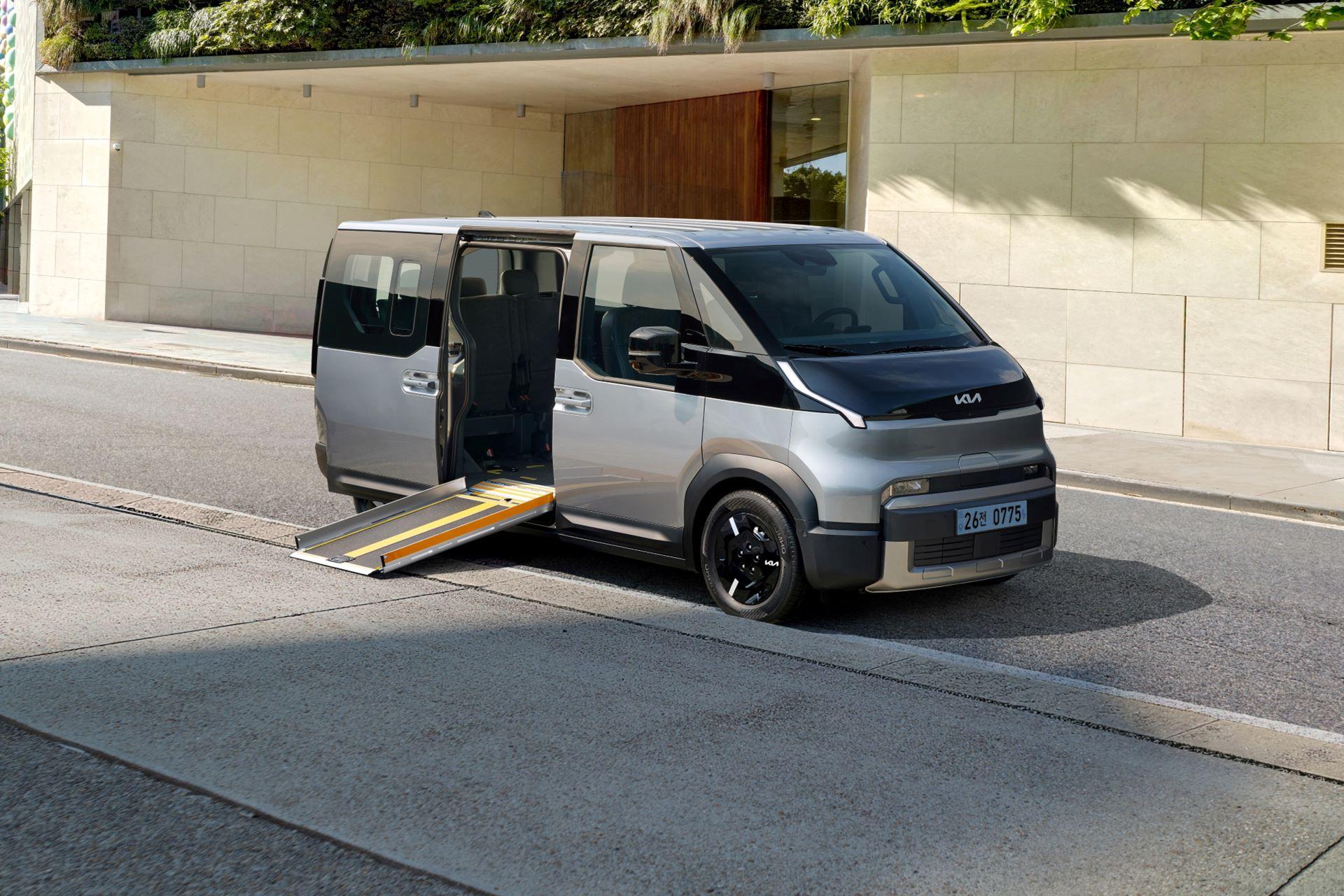
Kia has taken a decisive step forward in accessible mobility with the European debut of its PV5 WAV Side Entry at the Motability Scheme Live exhibition in Birmingham, marking a pivotal moment in how modern mobility solutions are designed, built, and integrated into everyday life. The unveiling reflects the brand’s growing commitment to inclusive transport within its Platform Beyond Vehicle strategy, where adaptability and user-centric engineering sit at the core of product development.
Developed under Kia’s Made-In-Plant conversion strategy, the PV5 WAV Side Entry is engineered to ensure that wheelchair-accessible vehicle production is not an afterthought or a secondary modification process, but a carefully controlled extension of the manufacturing line itself. By producing variants either directly within its plant or through dedicated conversion facilities, Kia aims to maintain consistent build quality while enabling scalable production tailored to European demand.
At the centre of the PV5 WAV Side Entry’s design is its segment-first approach to side-entry access in the small van category, a configuration that allows direct kerbside entry for wheelchair users. This is particularly significant for urban environments where space, traffic flow, and accessibility constraints often determine whether a journey is practical or not. The system is designed with real-world usability in mind, enabling smoother boarding for private users, shuttle services, and taxi operators who rely on efficiency and dignity in passenger movement.
A two-step manual ramp system provides the physical bridge between pavement and cabin, engineered to accommodate varying roadside conditions. With an incline angle of up to 13.1 degrees, or 11 degrees when deployed from a 150-millimetre kerb, the ramp balances ease of use with safety, ensuring a controlled gradient for wheelchair users. Integrated floor lighting enhances visibility during entry and exit, reinforcing usability in low-light conditions where safety becomes even more critical.
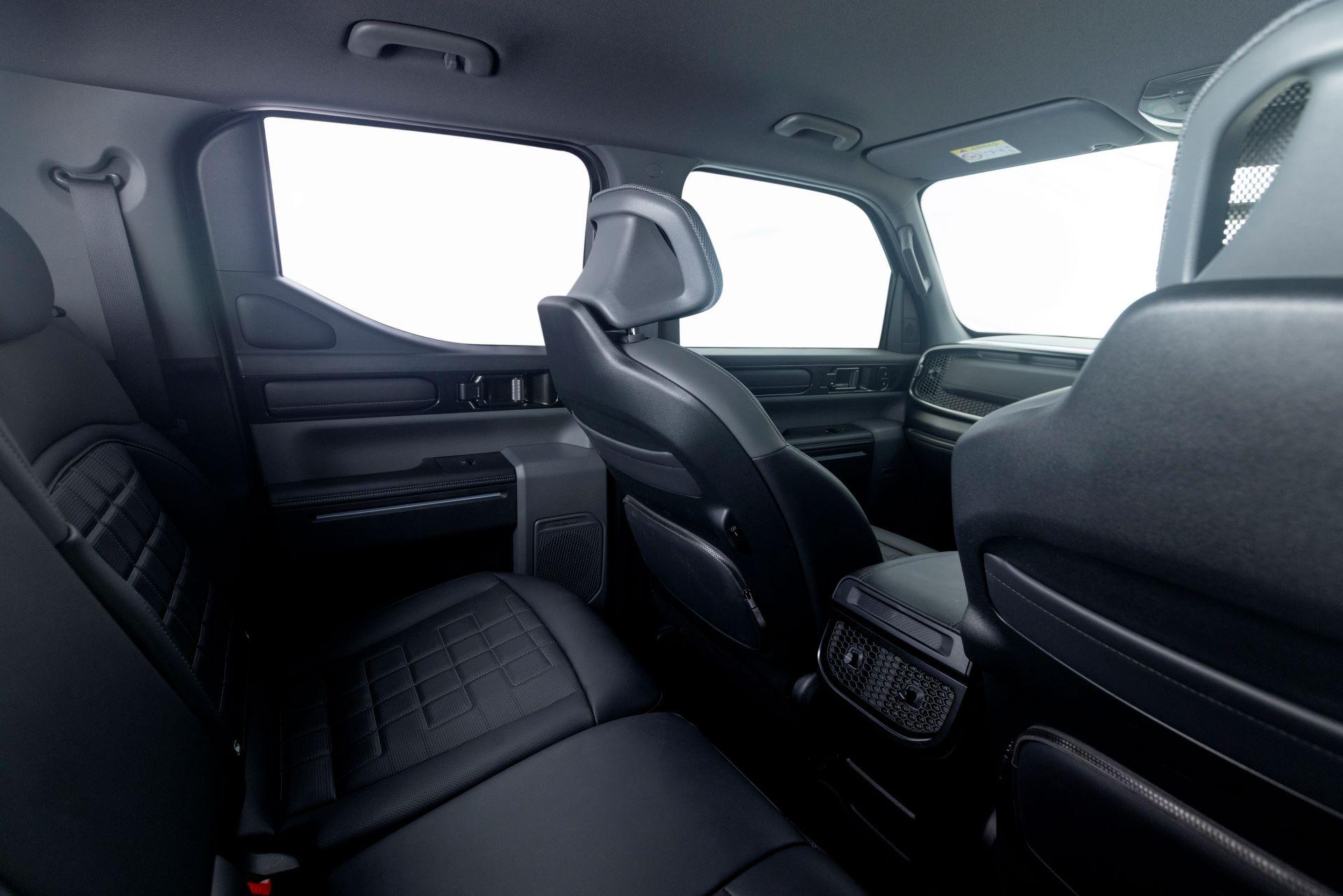
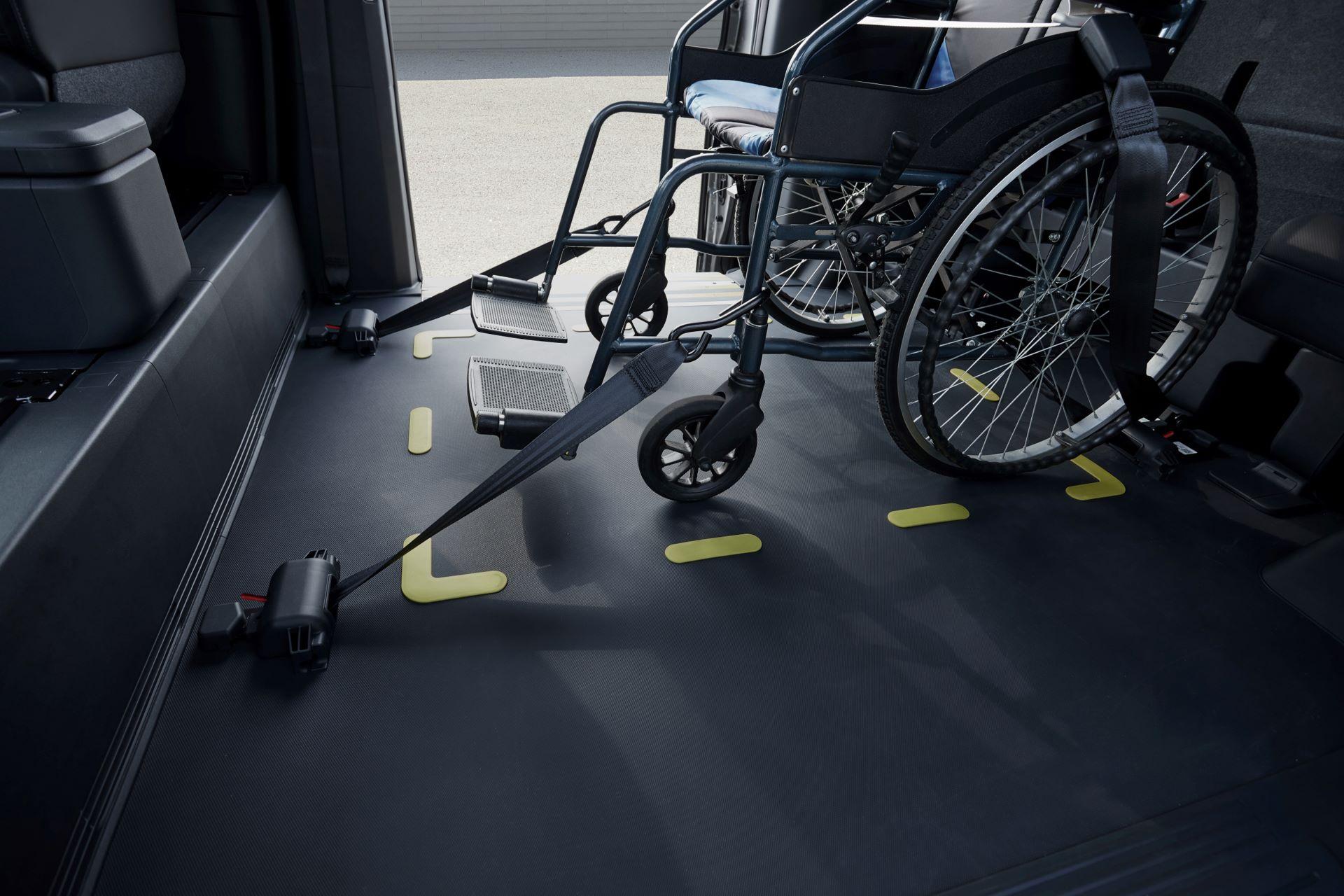
Inside the cabin, flexibility defines the experience. The centrally positioned wheelchair space is designed to integrate occupants into the main passenger environment rather than isolating them within the vehicle layout. Depending on operational needs, the PV5 WAV Side Entry supports a 2-0-3 seating configuration for standard passenger transport or a 2-0-1 layout that accommodates a wheelchair user alongside additional seating. A 60:40 split, tip-up third-row seat adds further versatility by allowing a companion to travel alongside the wheelchair user without compromising space or comfort.
Structural reinforcement across the floor ensures long-term durability under repeated use, while an integrated anchorage system provides secure wheelchair restraint during transit. These engineering details are critical in ensuring that accessibility does not come at the expense of safety or stability, particularly in commercial or high-frequency transport applications.
The PV5 WAV Side Entry is part of a broader ecosystem of accessible mobility solutions emerging from Kia’s PBV portfolio. Alongside it, UK customers are also being introduced to rear-entry PV5 WAV conversions delivered through conversion specialists such as GM Coachwork, one of Kia UK’s first approved PBV Conversion Partners. These rear-entry models expand the range of accessible transport options, offering alternative configurations suited to different operational and regulatory requirements.
Among these adaptations, the GM Coachwork lineup introduces multiple rear-entry WAV solutions designed to enhance independence and practicality for wheelchair users. Features such as fold-flat ramp systems, powered tailgates, and automatic deployment mechanisms contribute to a more seamless user experience, while also supporting drive-from-wheelchair capability in selected configurations. The result is a broader spectrum of mobility solutions that prioritise autonomy and comfort across different journey types.
All of these developments are built on the foundation of the PV5 Passenger model, which has already demonstrated strong credentials in the commercial mobility space. Underpinned by the E-GMP.S platform, the vehicle architecture is designed for modularity, durability, and advanced connectivity, enabling integration with modern fleet systems and long-term operational efficiency. This foundation has already earned recognition, with the PV5 Passenger named Best Van-Based MPV at the 2026 What Car? Van and Commercial Vehicle Awards, reinforcing its credibility in both passenger and commercial segments.
As Kia continues to expand its accessible mobility portfolio, the PV5 WAV Side Entry represents a significant evolution in how wheelchair-accessible vehicles are conceived and delivered. Market availability will be announced in due course, but its debut signals a clear direction of travel: mobility solutions that are not only inclusive, but intelligently engineered for the complexities of modern urban life.