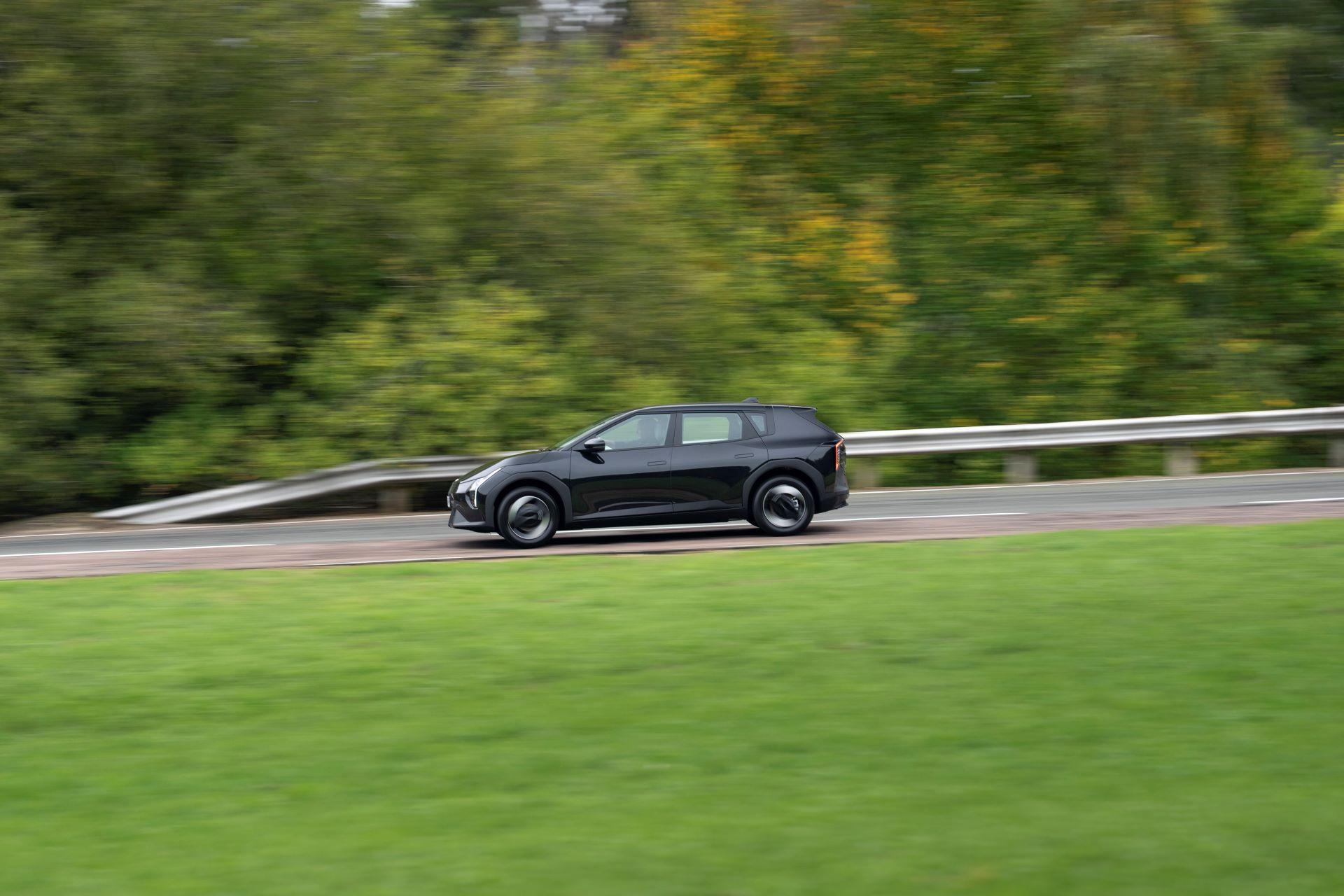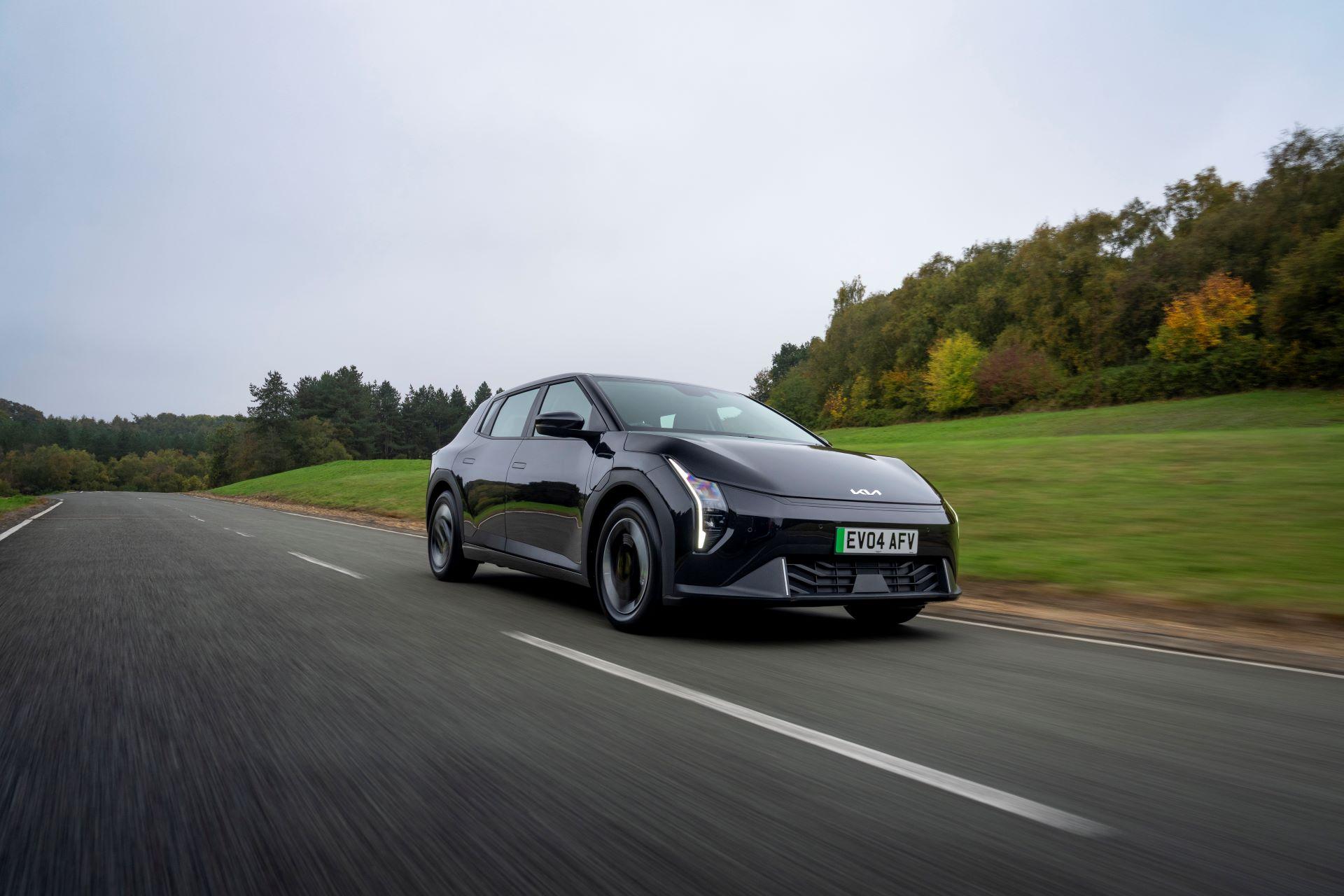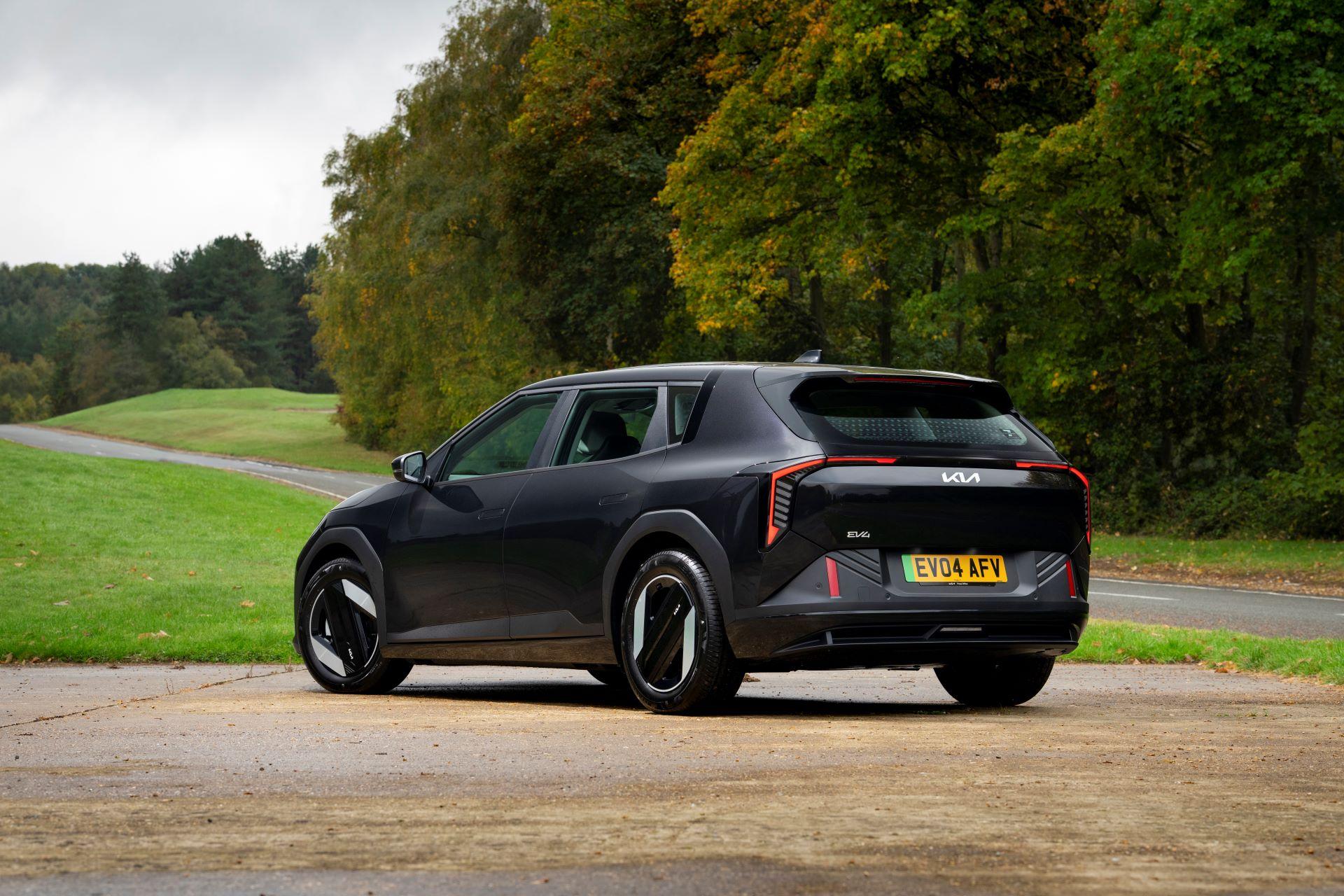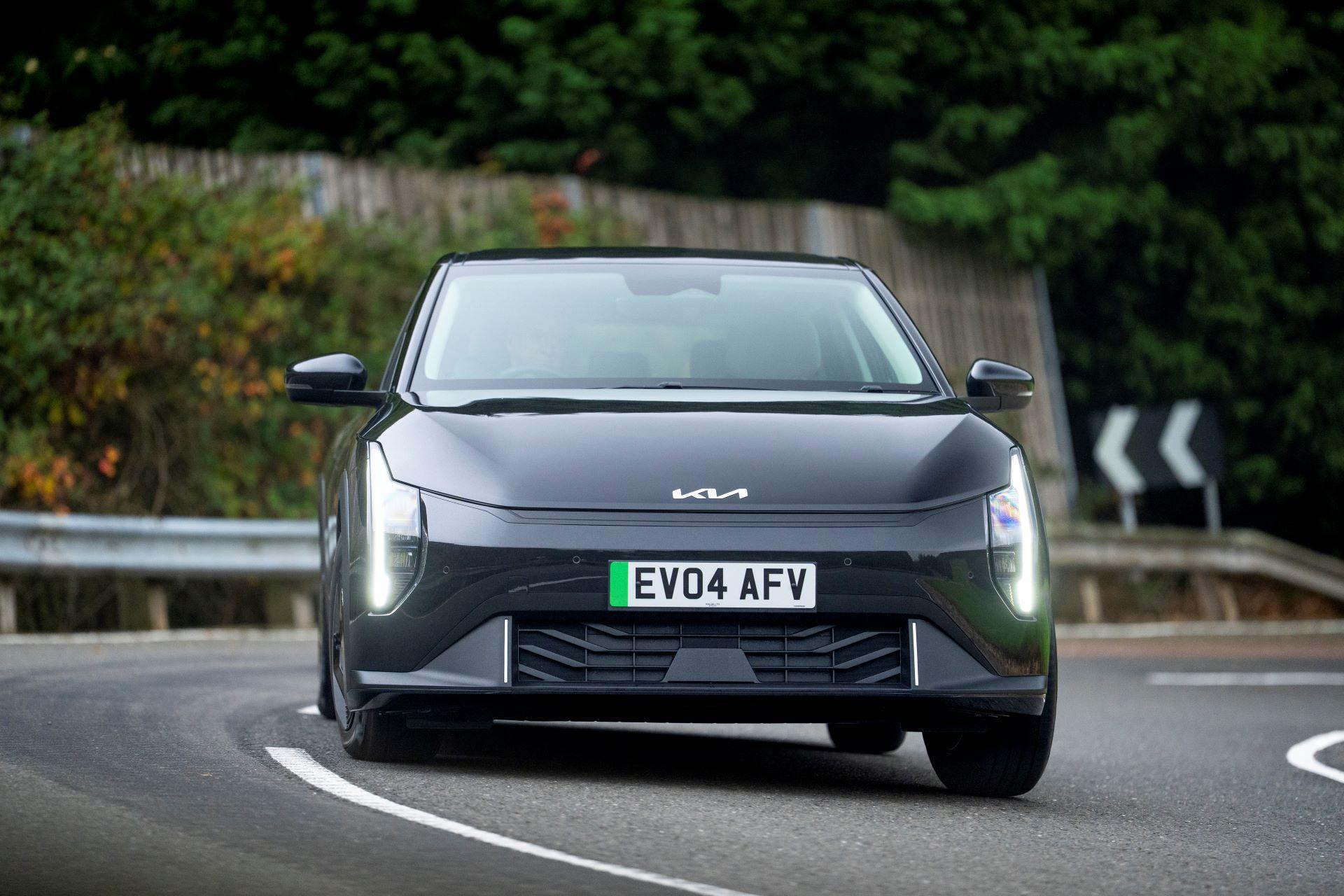




Kia has crossed a defining threshold in its electrification journey, surpassing 100,000 electric vehicle sales in the United Kingdom and becoming the first Korean automaker to do so. It is the kind of milestone that feels less like a finish line and more like a checkpoint on a fast-moving road, one that Kia has been steadily accelerating down for more than a decade.
The 100,000th vehicle, an EV5 GT-Line S finished in Iceberg Green, was registered in March 2026, a fittingly modern marker for a brand that has transformed its identity alongside the market it now helps shape. By early April, total UK EV sales had climbed to 104,794 units, underlining just how quickly momentum has built. That same month, nearly a third of Kia’s UK registrations were fully electric, its strongest performance to date and a clear signal that demand is no longer niche but deeply rooted in the mainstream.
Kia’s electric story in the UK began quietly in 2014 with the original Soul EV, a boxy, modestly ranged pioneer that arrived without grand ambitions. Early sales volumes were measured and cautious, supported by a small network of specially trained dealers. Yet beneath that restraint was a brand learning the rhythms of a new market, gradually tuning its approach as technology matured and customer confidence grew.
The turning point came with the arrival of the e-Niro in 2019. It did not shout for attention, but it didn’t need to. By combining practicality, range and affordability in a familiar package, it quickly became one of the UK’s most influential early mass-market EVs. Its success was not just commercial but symbolic, repositioning Kia from a participant in electrification to a credible leader. Over time, electric versions of the Niro would account for more than half of Kia’s total EV sales in the UK, quietly carrying the brand across the halfway mark to 100,000 units.
From there, the pace changed. The introduction of the EV6 in 2021 marked a clean break from converted combustion platforms, ushering in Kia’s dedicated EV architecture and a more ambitious design language. Built on advanced 800V technology, it delivered faster charging and longer range, but perhaps more importantly, it reframed expectations of what a Kia could be. Awards followed, recognition accumulated, and the brand’s confidence grew.
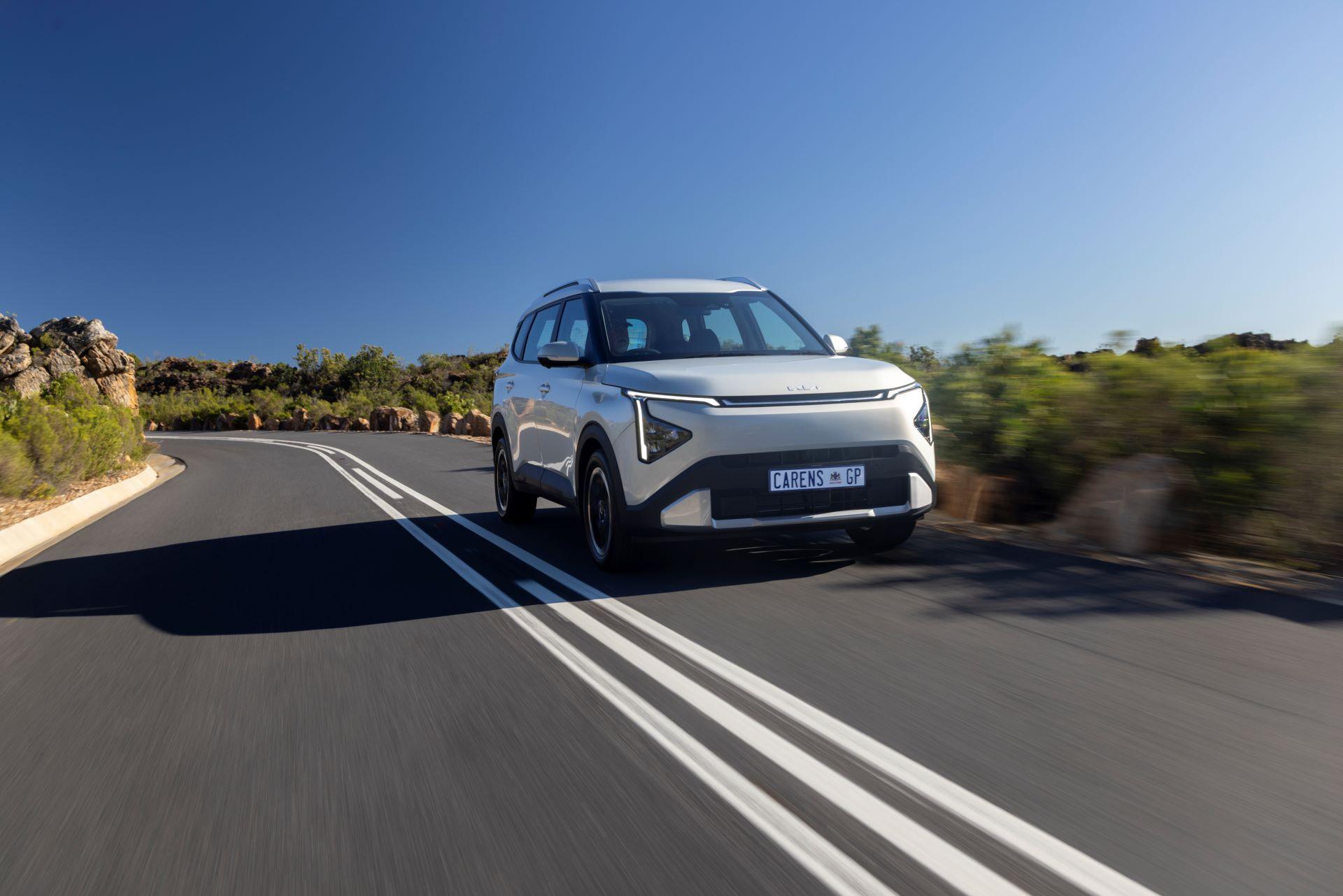
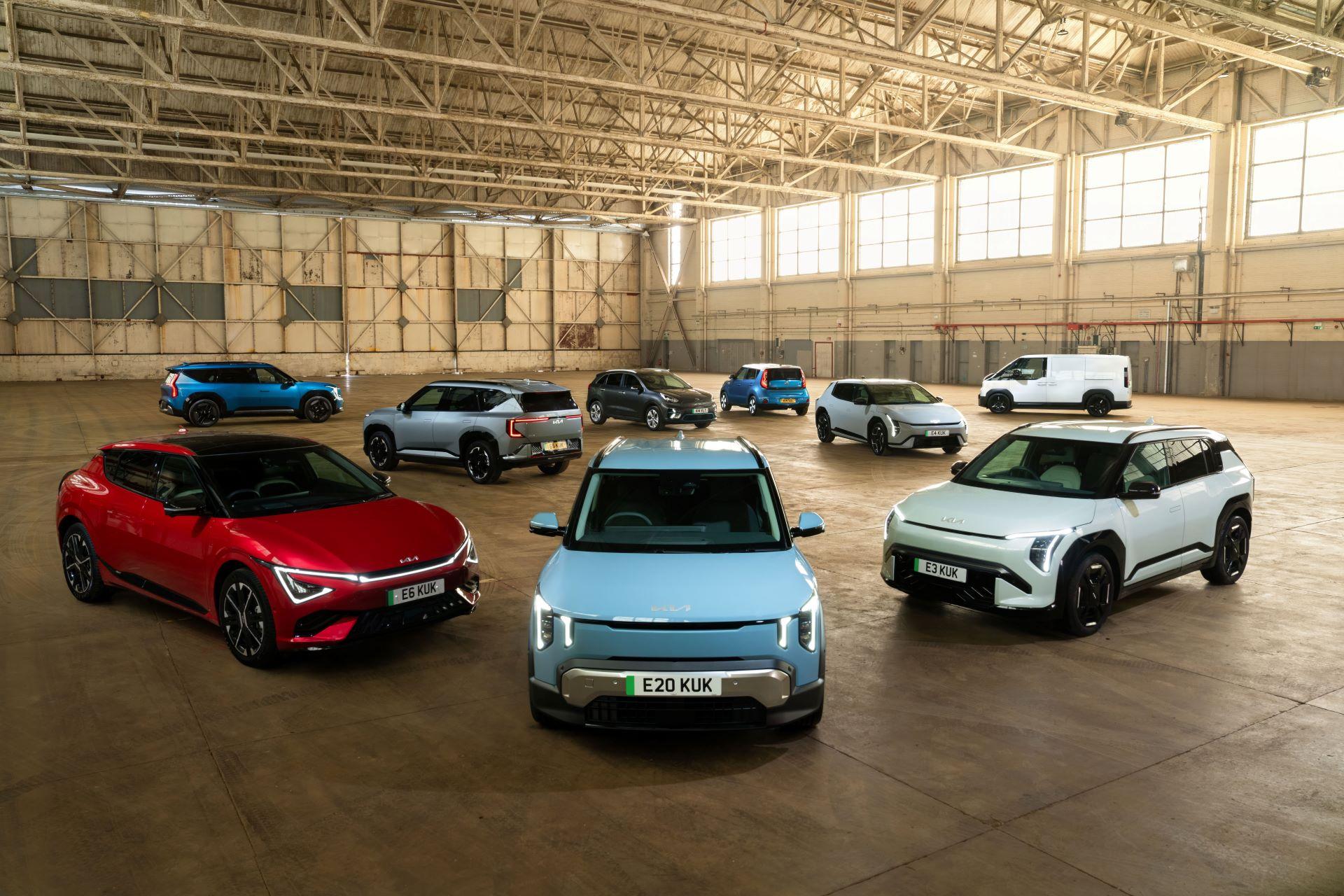
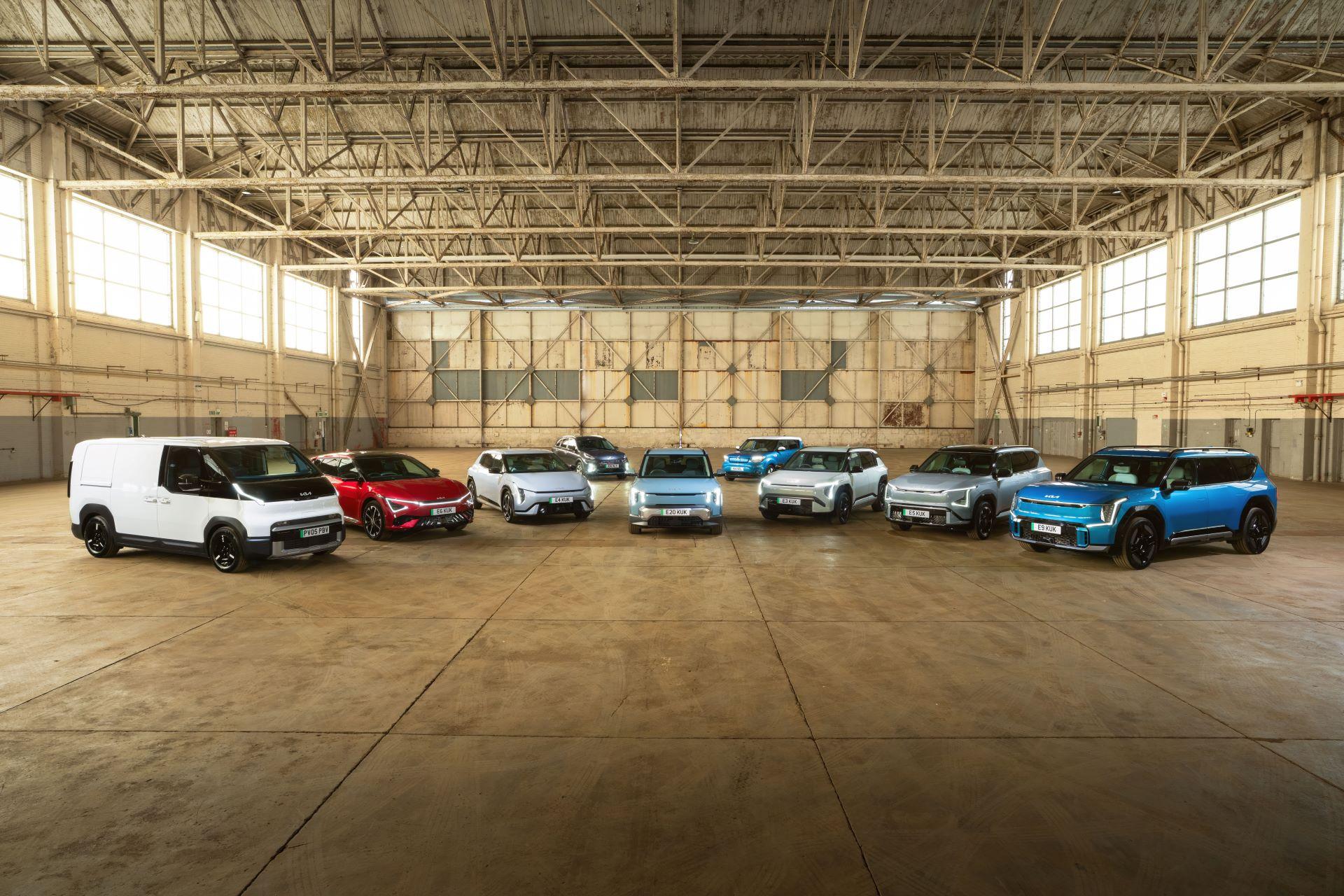
That confidence now manifests in breadth. Kia’s UK lineup has expanded into one of the most comprehensive electric portfolios in the market, spanning everything from compact urban crossovers to large seven-seat SUVs and, increasingly, commercial vehicles. With seven dedicated EV and PBV models and a total of 11 electric offerings when including performance variants, the brand has positioned itself not around a single hero product, but around a fully formed ecosystem.
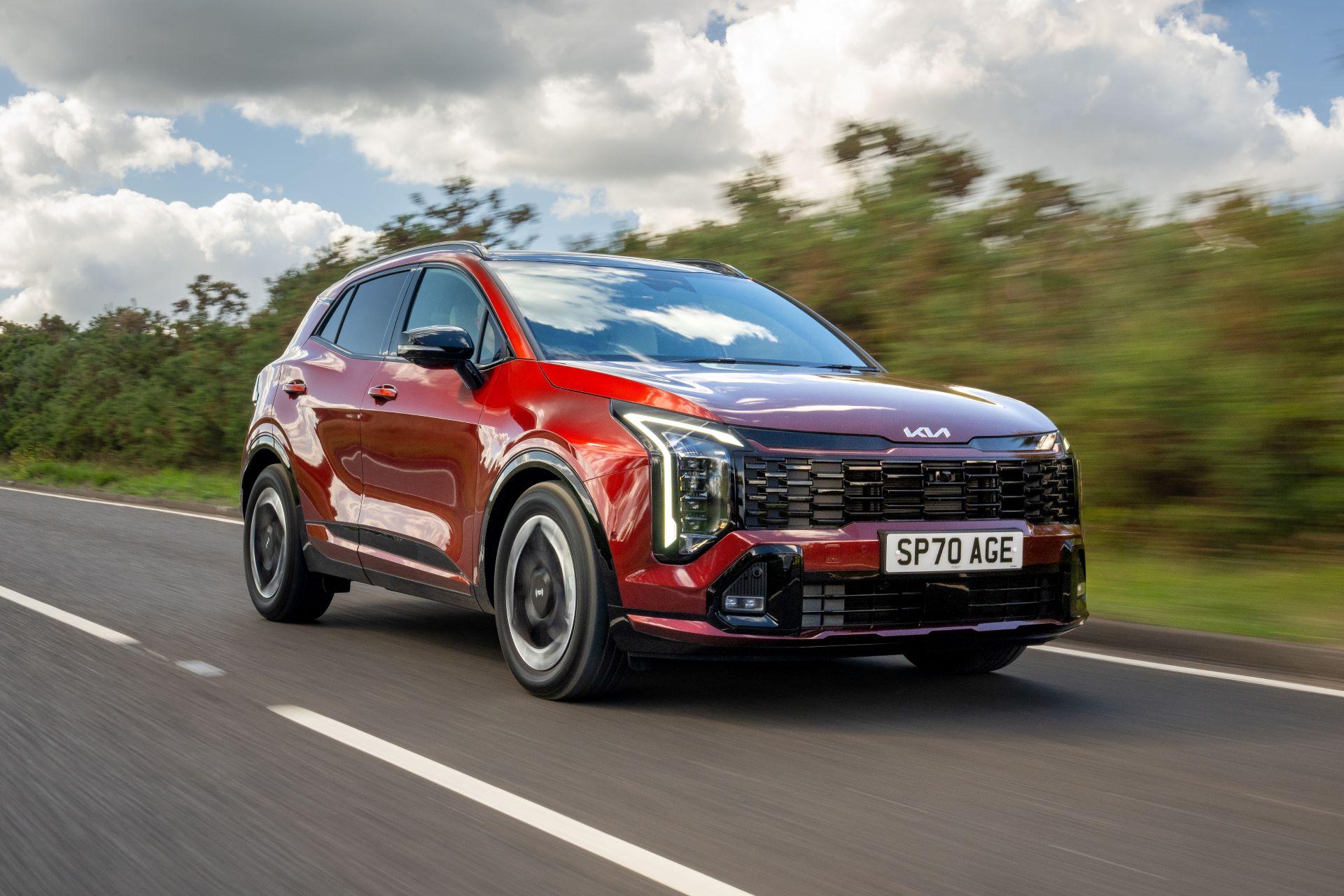
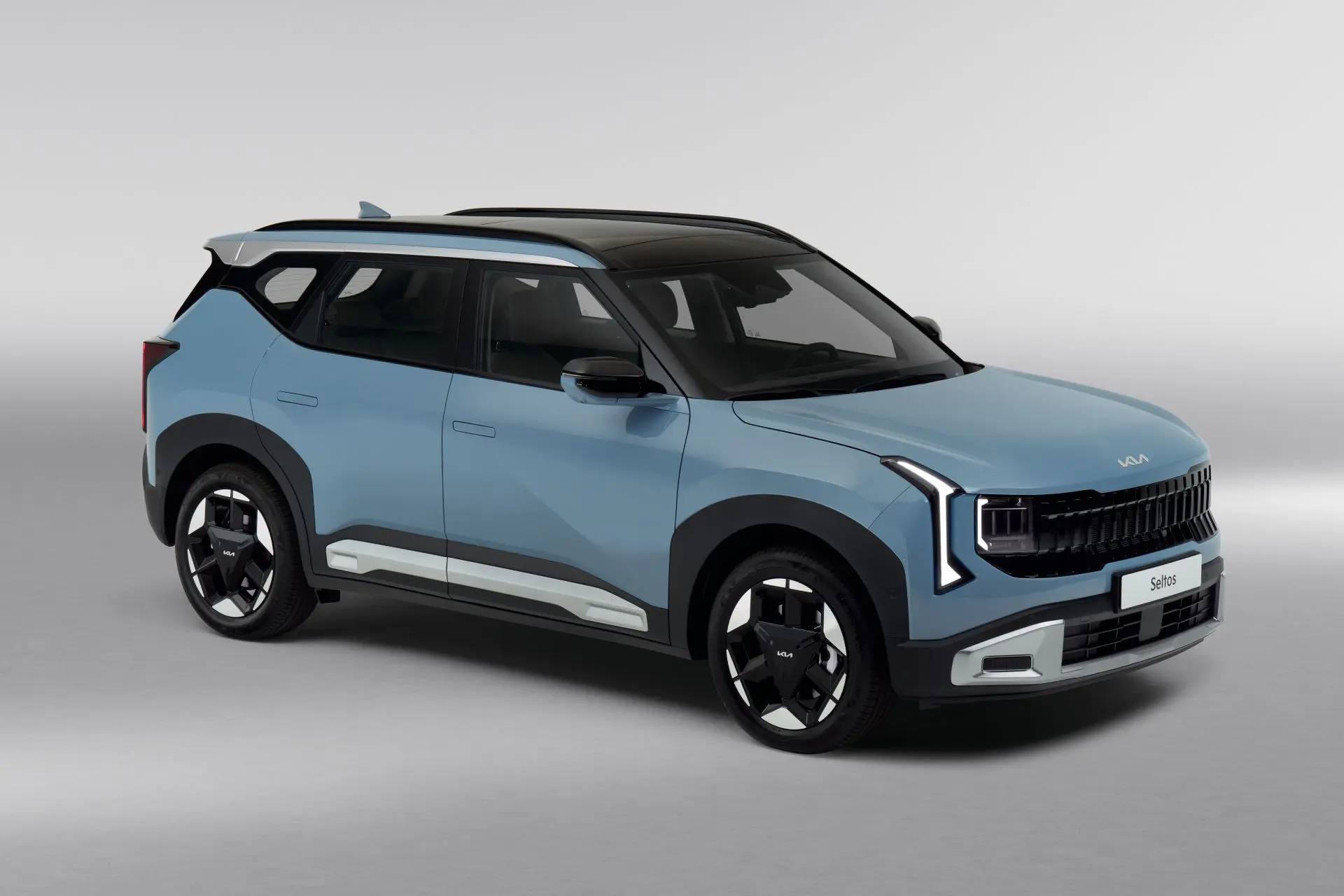
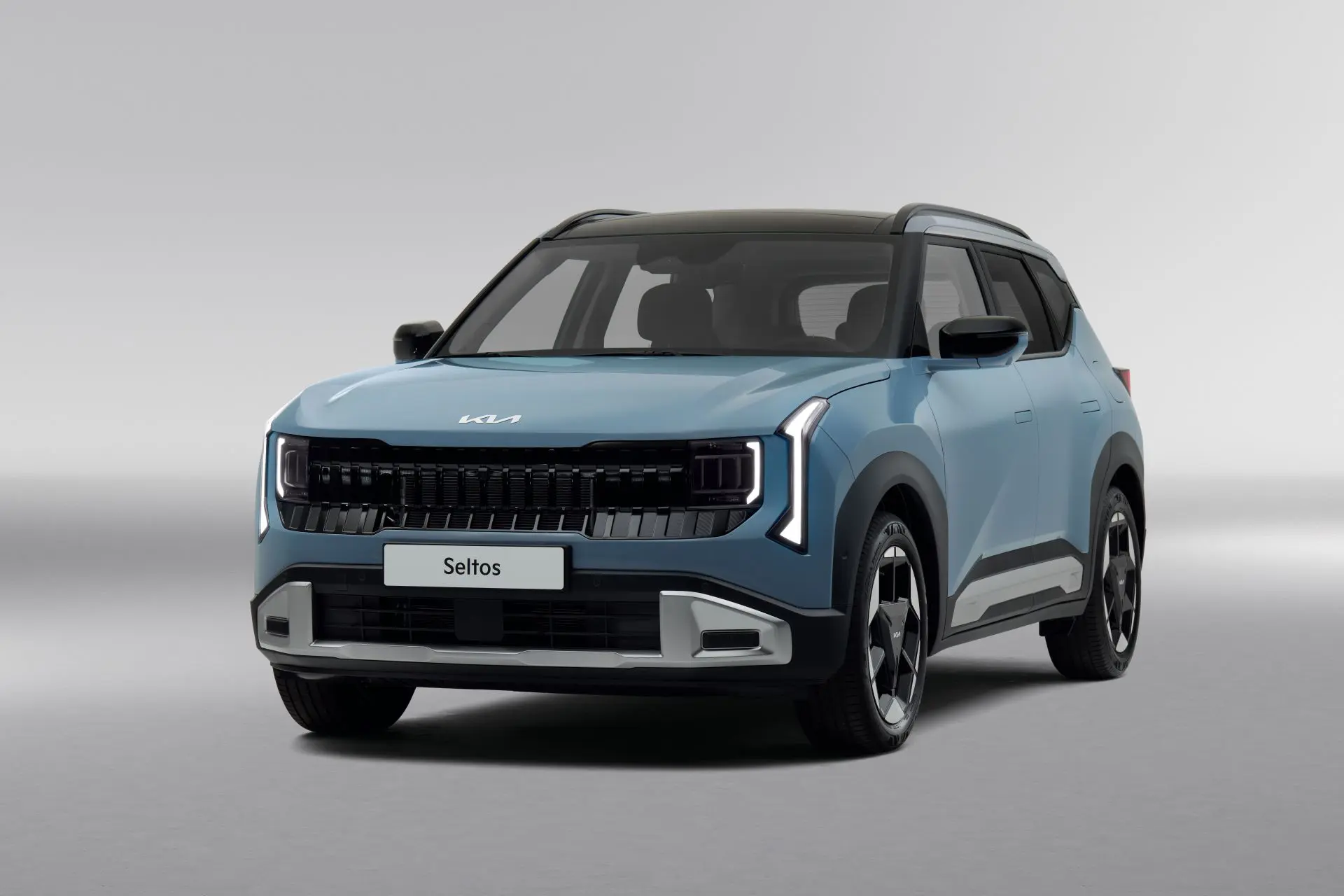
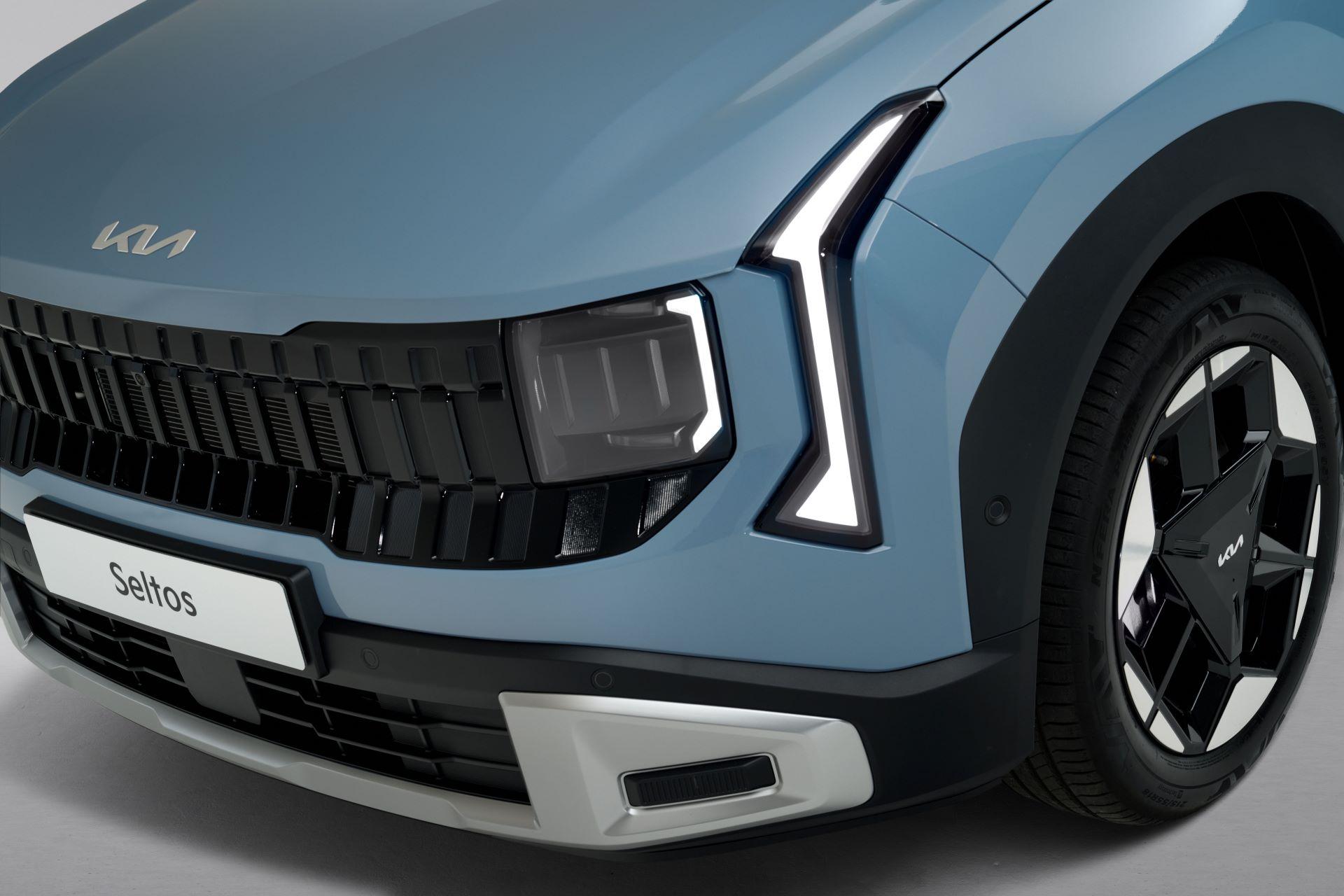
This expansion has not come at the expense of balance. Kia continues to introduce petrol and hybrid models alongside its EVs, recognising that the transition to electrification is uneven and shaped by infrastructure, pricing and consumer readiness. Models like the K4 and the updated Sportage ensure that the brand remains accessible across different segments, while the upcoming Seltos hybrid will further broaden its appeal.
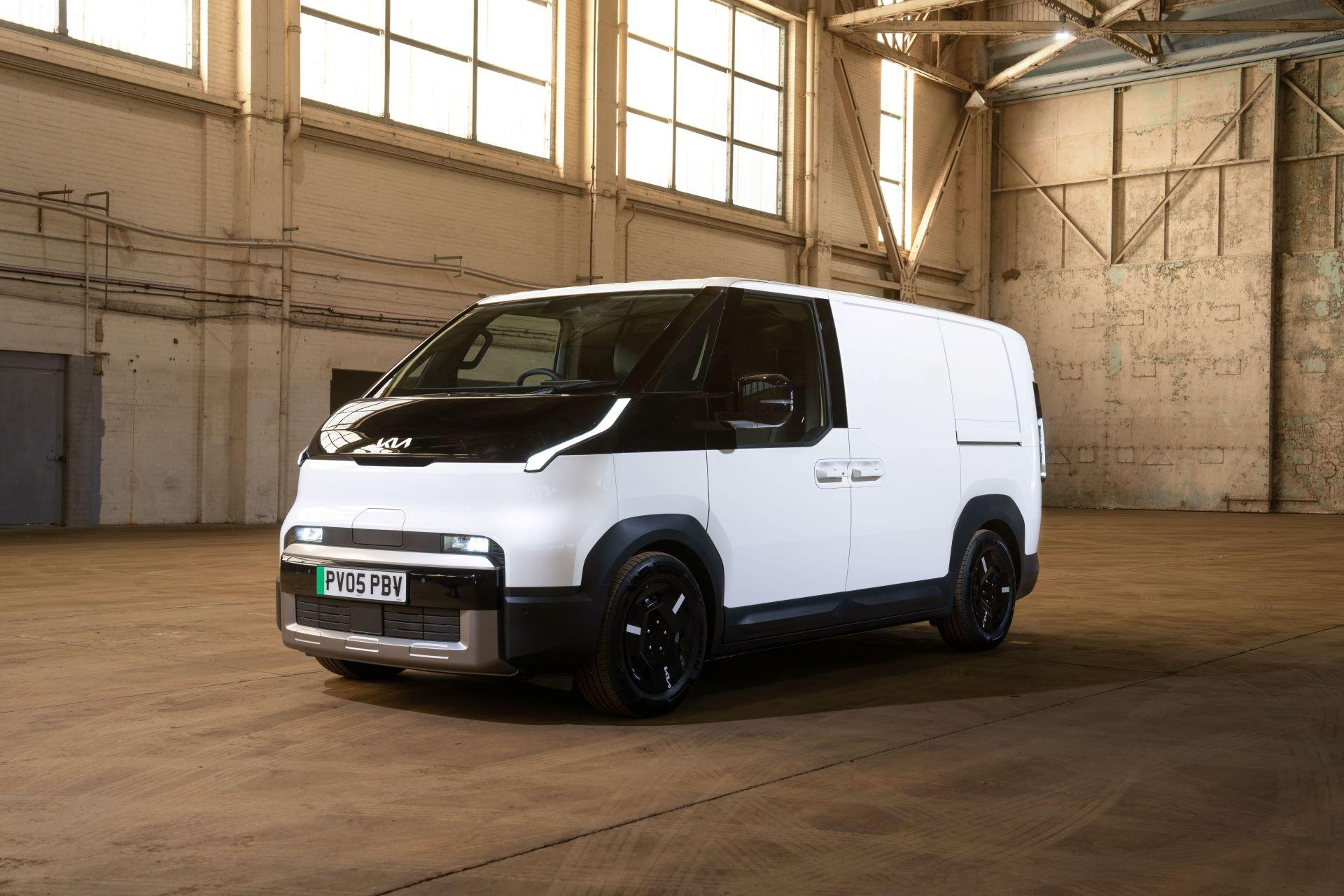
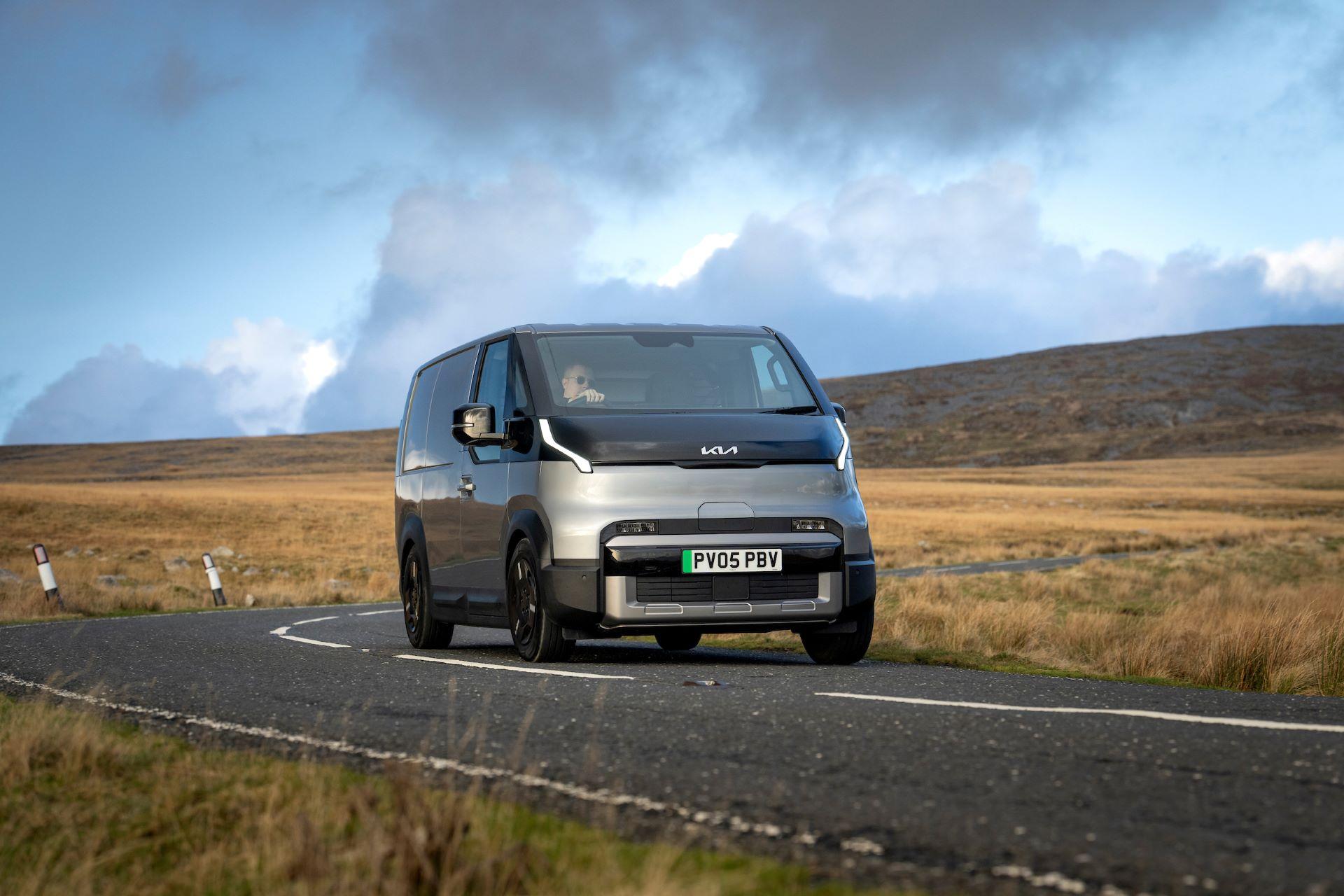
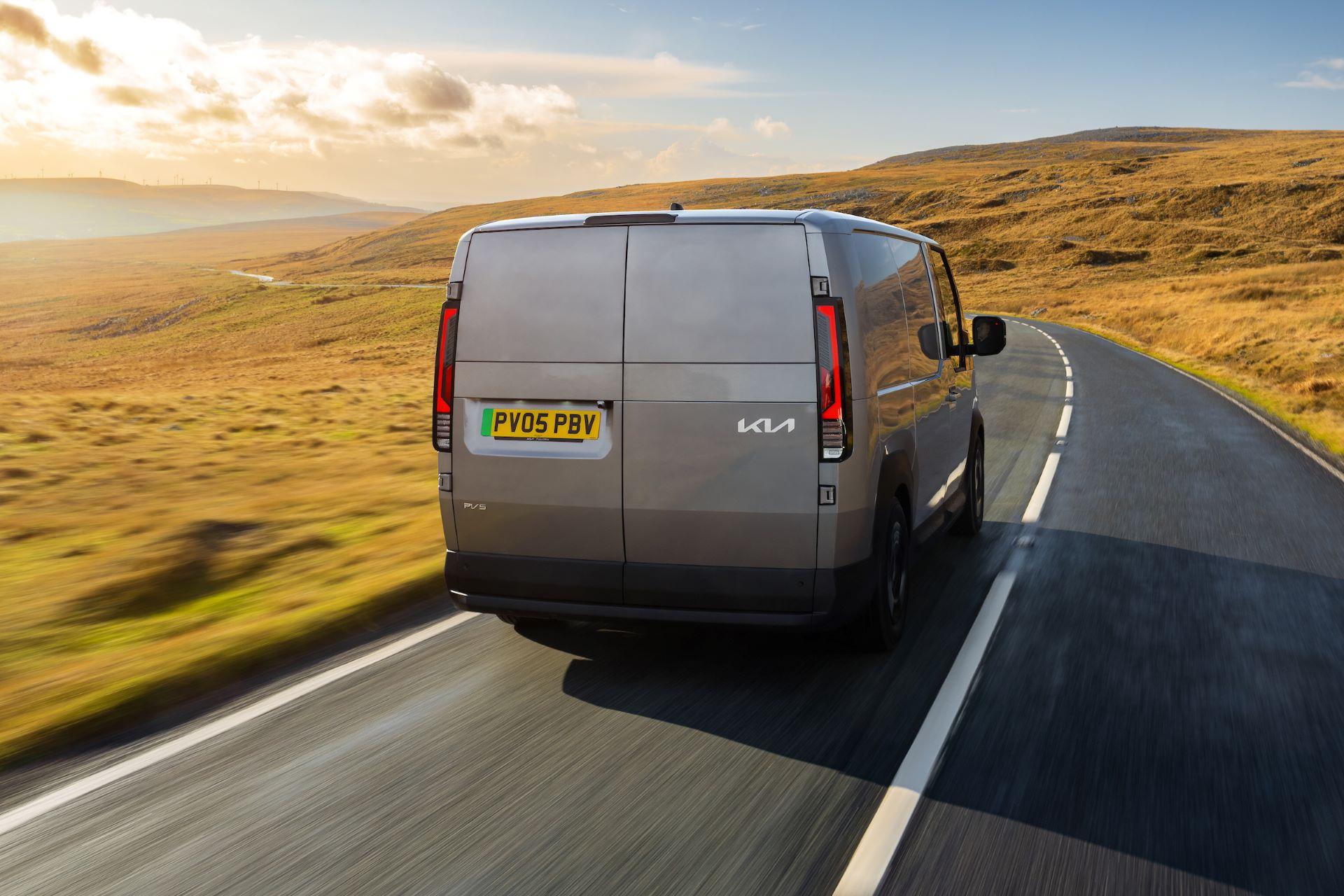
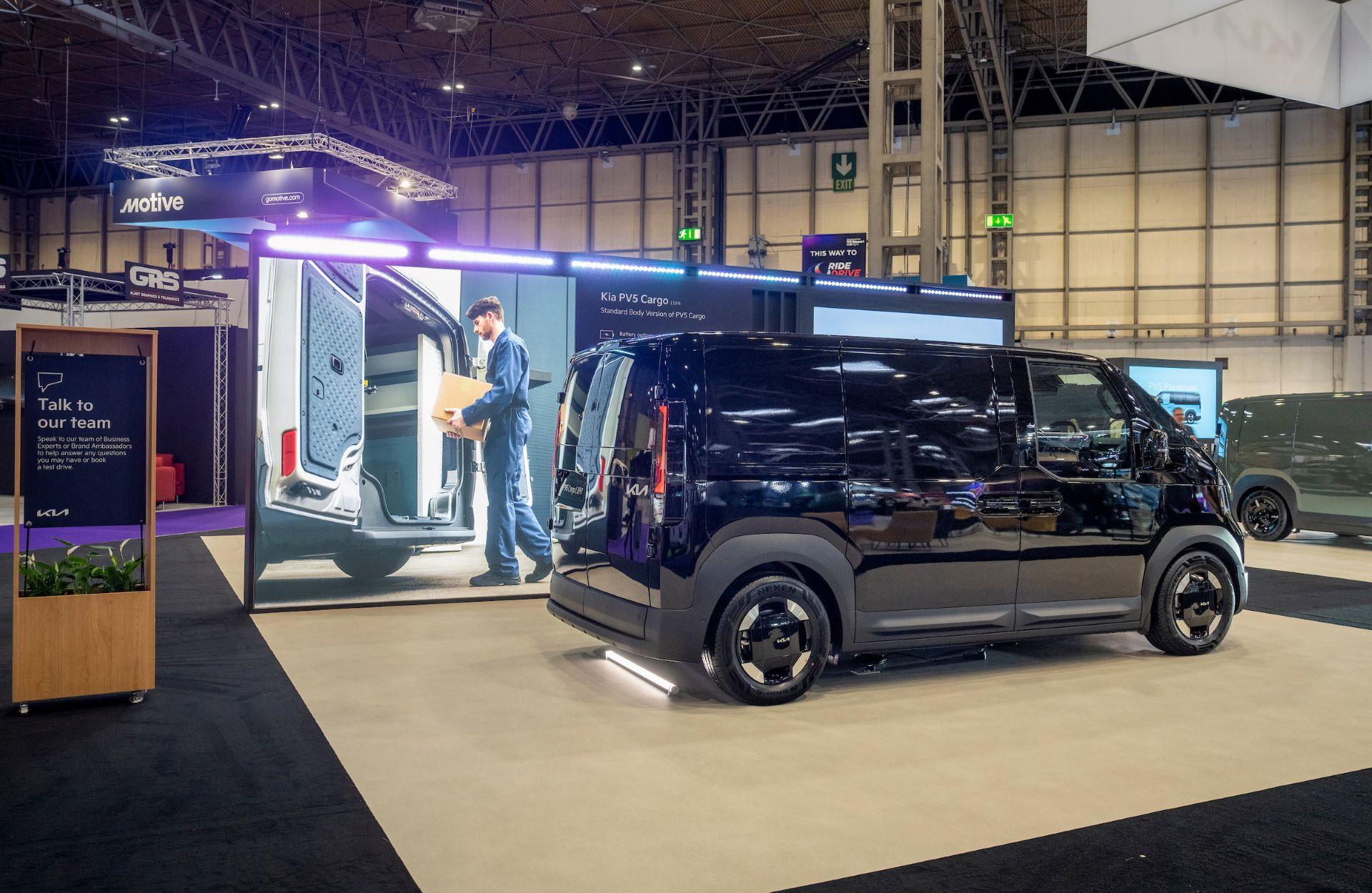
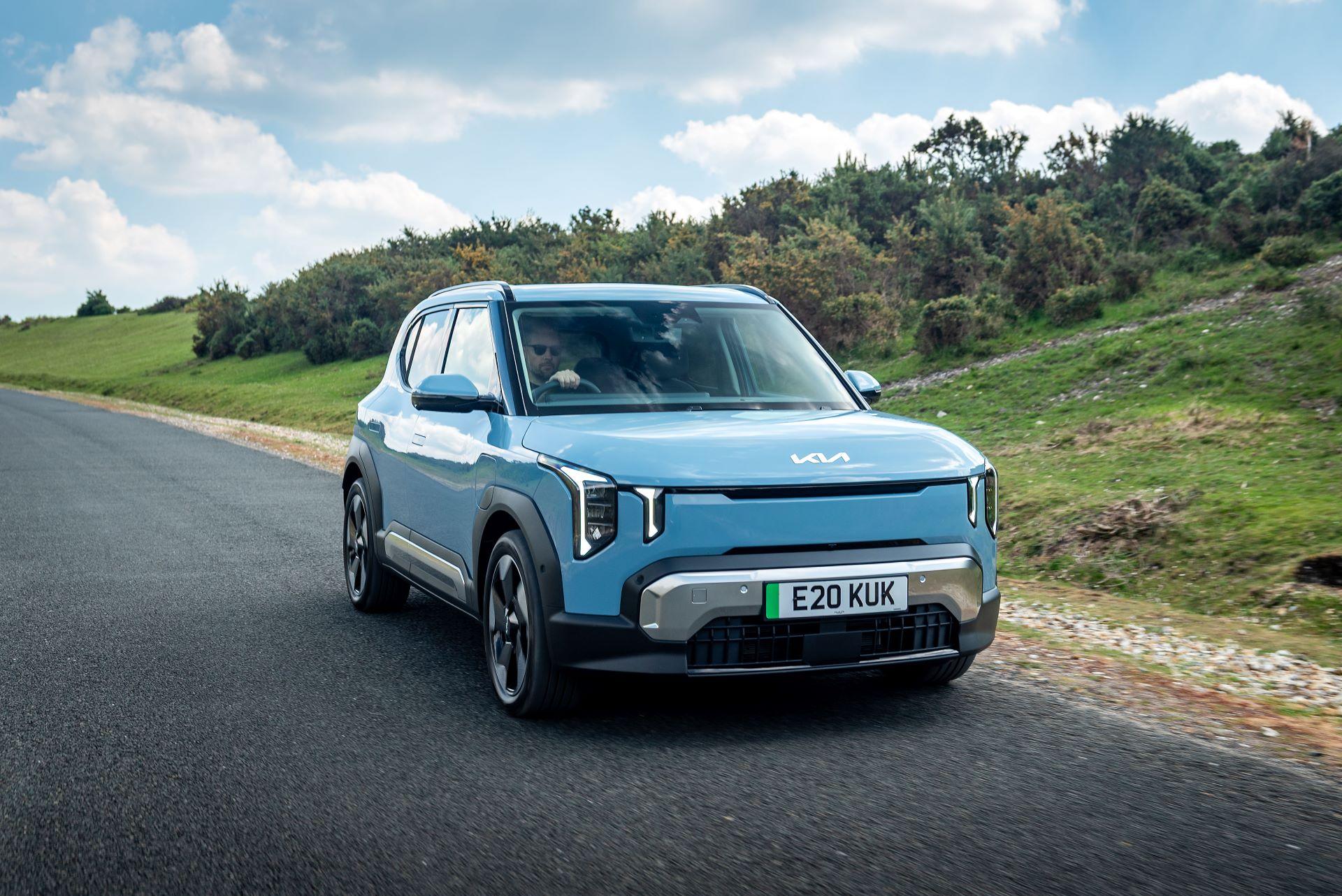
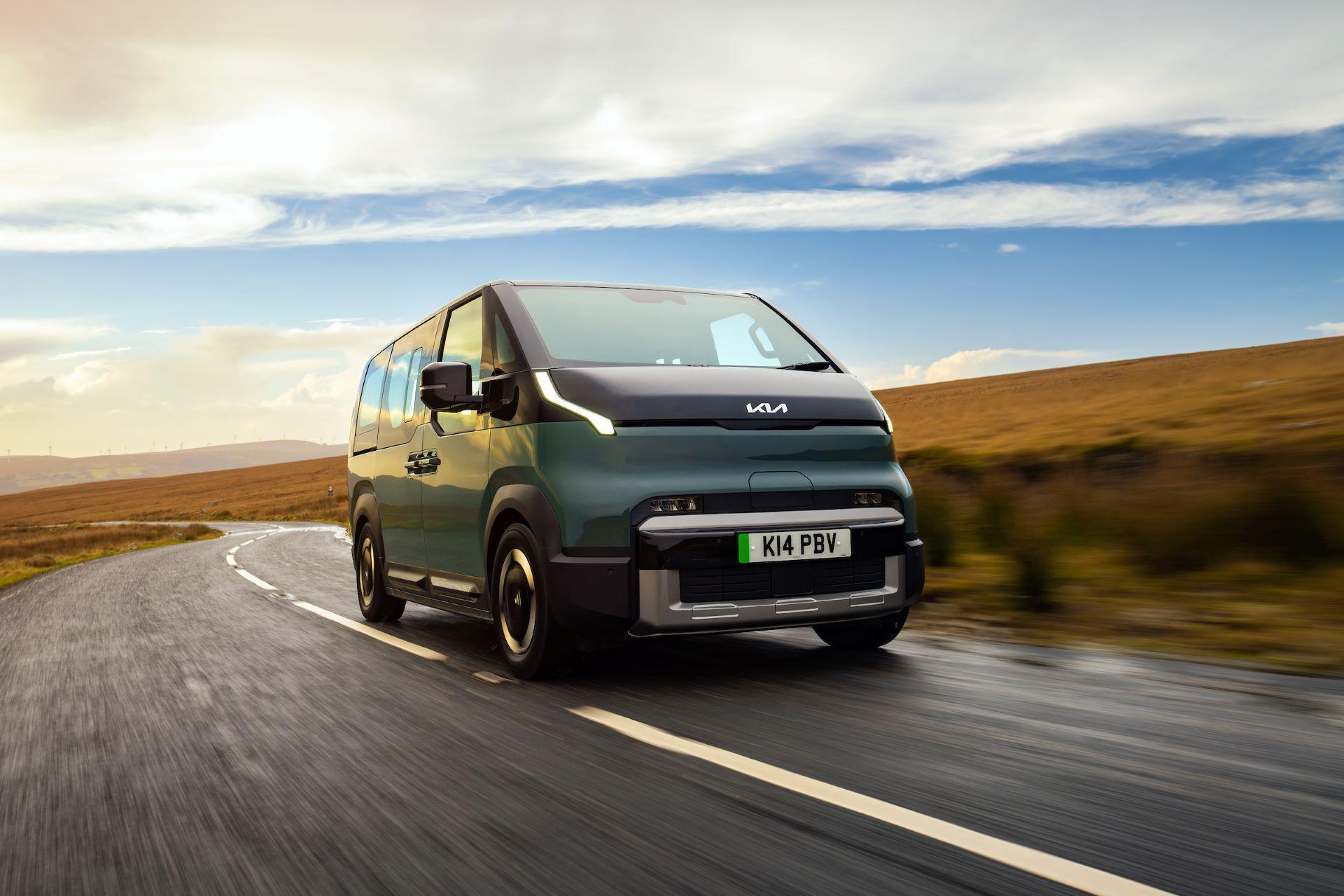
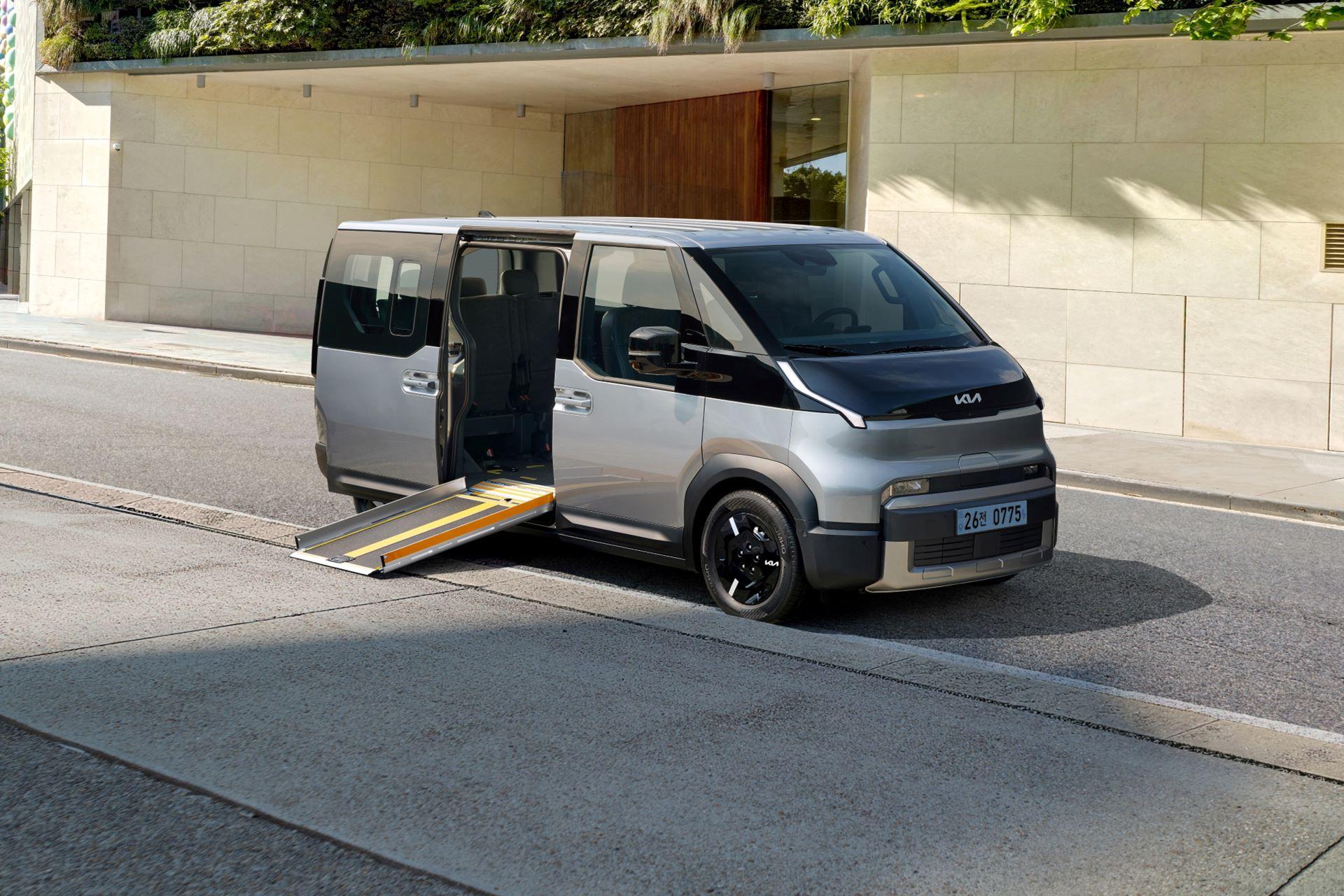
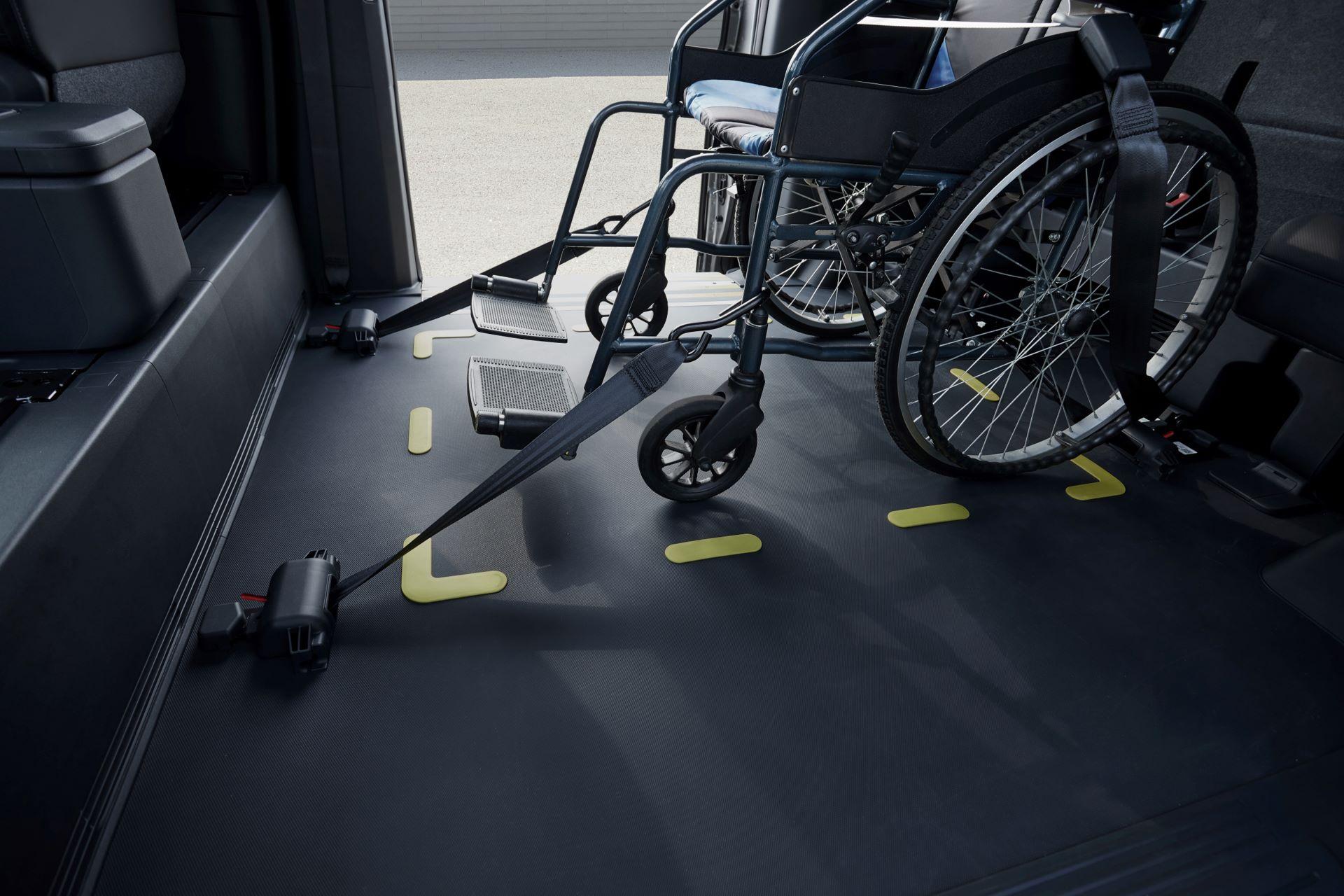
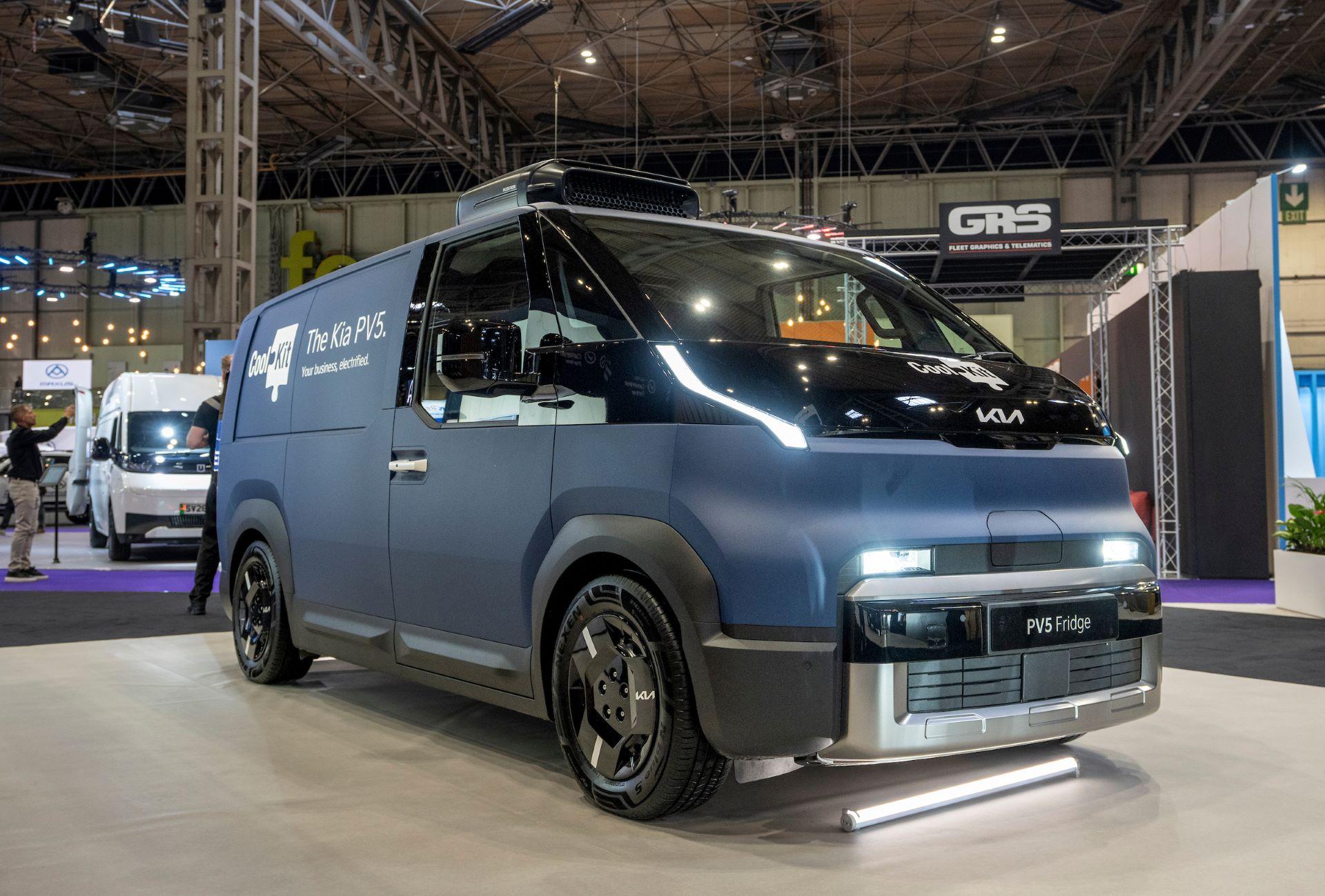
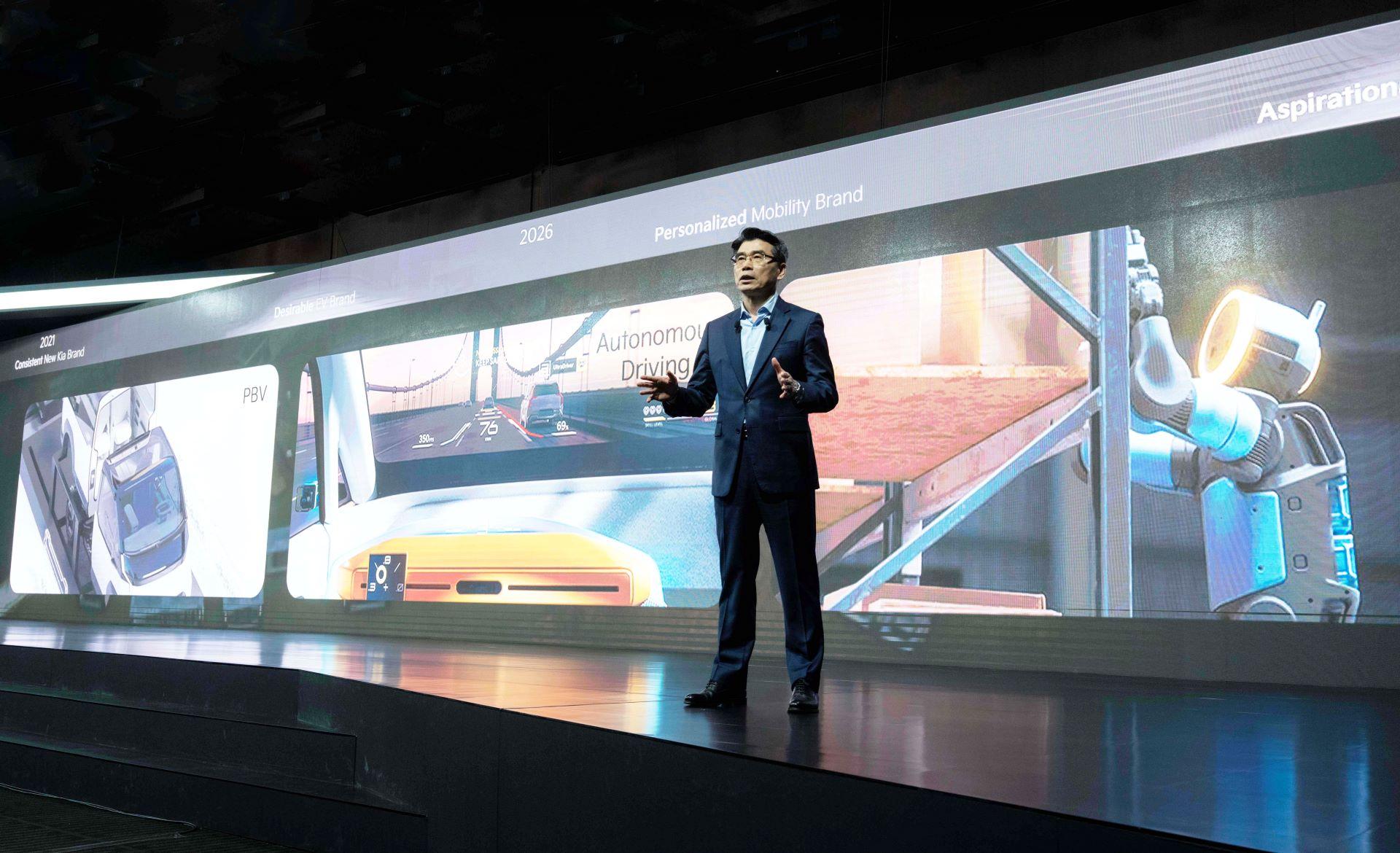
The past year, in particular, has been a surge of activity. Multiple new models have entered the UK market, including the EV4, EV5 and PV5, each targeting a distinct use case. At the same time, Kia has pushed into the electric commercial vehicle space, laying the groundwork for its Platform Beyond Vehicle strategy. This dual focus on passenger and commercial mobility suggests a company thinking beyond traditional categories, designing vehicles not just as products but as adaptable tools for different lifestyles and industries.
Even as new models arrive, older ones step aside. The Niro EV, after 7.5 years and more than 51,000 units sold, has exited the UK market. Its departure feels less like an ending and more like a passing of the baton. It leaves behind a legacy of accessibility and trust, having introduced thousands of drivers to electric mobility without friction or fanfare.
Looking ahead, Kia’s trajectory shows little sign of slowing. The newly unveiled EV2, set to become the brand’s most affordable electric model, signals an intent to push further into the mass market. With a starting price below £25,000 and a range of up to 281 miles, it is designed to lower the barrier to entry while maintaining the practicality and design that have become Kia hallmarks. Beyond that, the pipeline continues with larger PBV models such as the PV7, reinforcing Kia’s ambitions in the commercial space.
What makes Kia’s 100,000-unit milestone significant is not just the number itself, but the speed and structure behind it. The brand reached the second 50,000 sales in just over two and a half years, a sharp acceleration compared to its early efforts. This reflects a broader shift in the market, where electric vehicles have moved from curiosity to consideration, and increasingly, to default choice.
Kia’s journey mirrors that evolution. From tentative beginnings with a single model and limited infrastructure, it has built a diverse, confident and future-facing portfolio that aligns closely with how the market now behaves. The road ahead will bring new challenges, from charging networks to regulatory pressures, but it will also bring opportunity. If the past decade has been about proving that Kia can compete in the electric era, the next may be about defining what that era looks like.