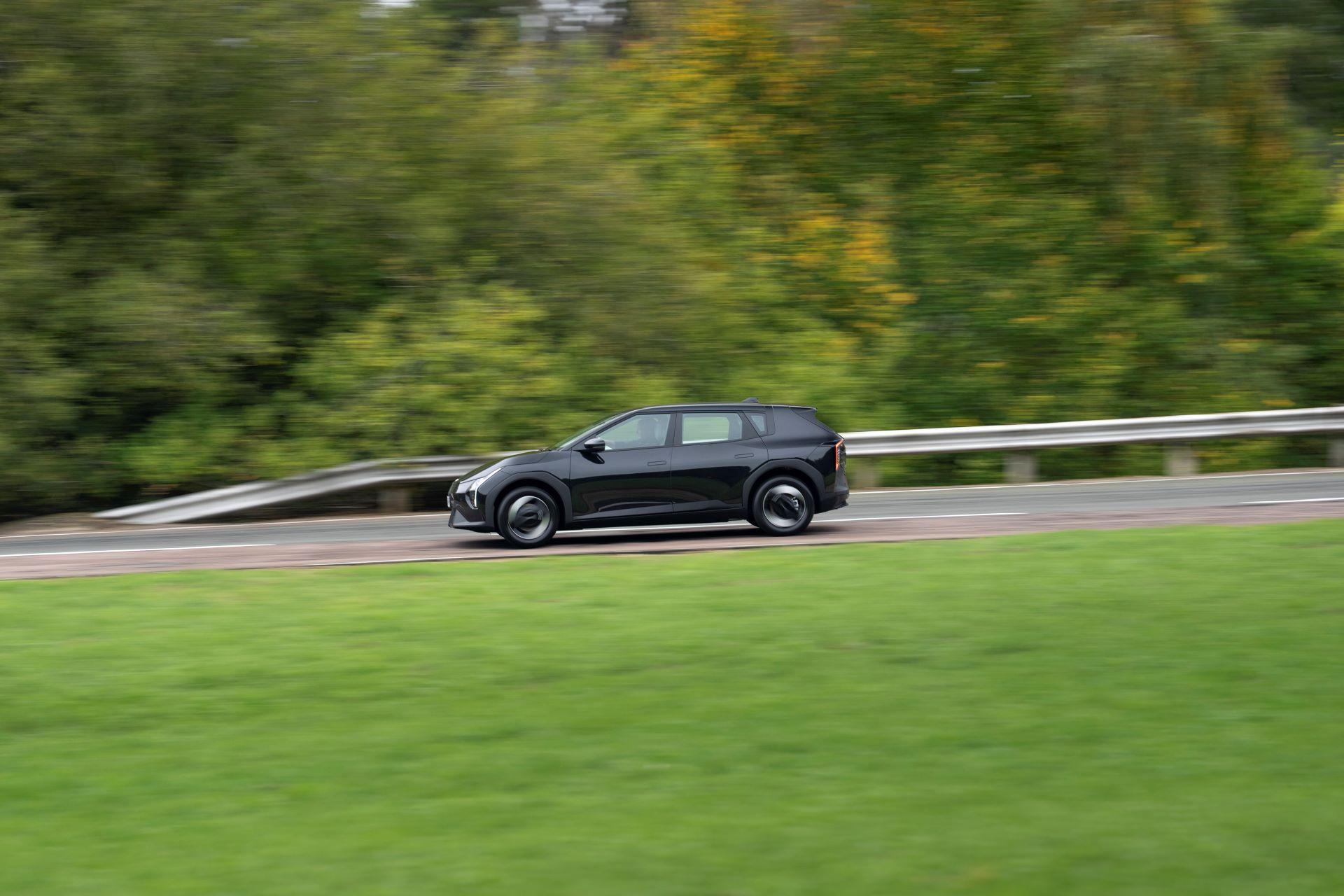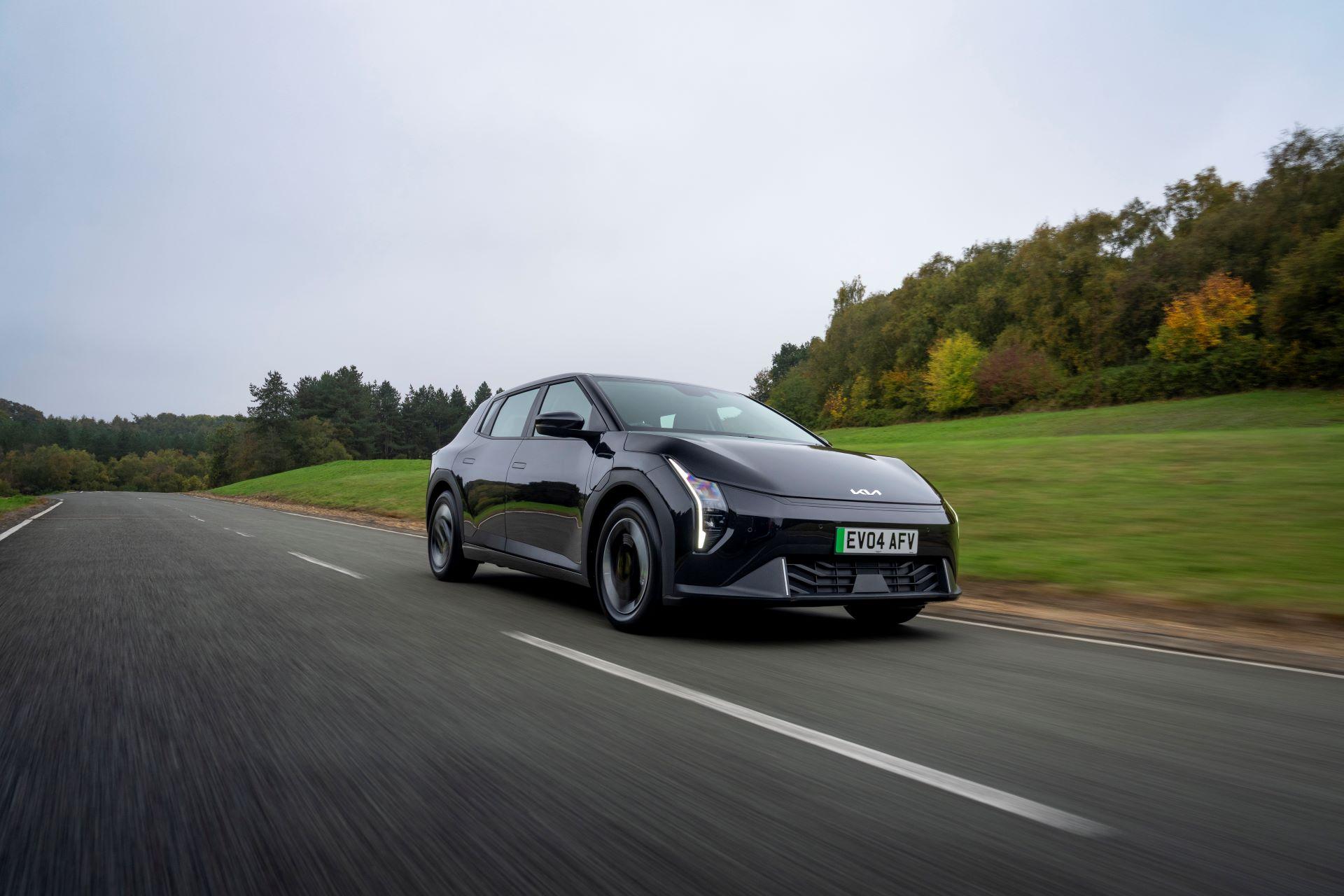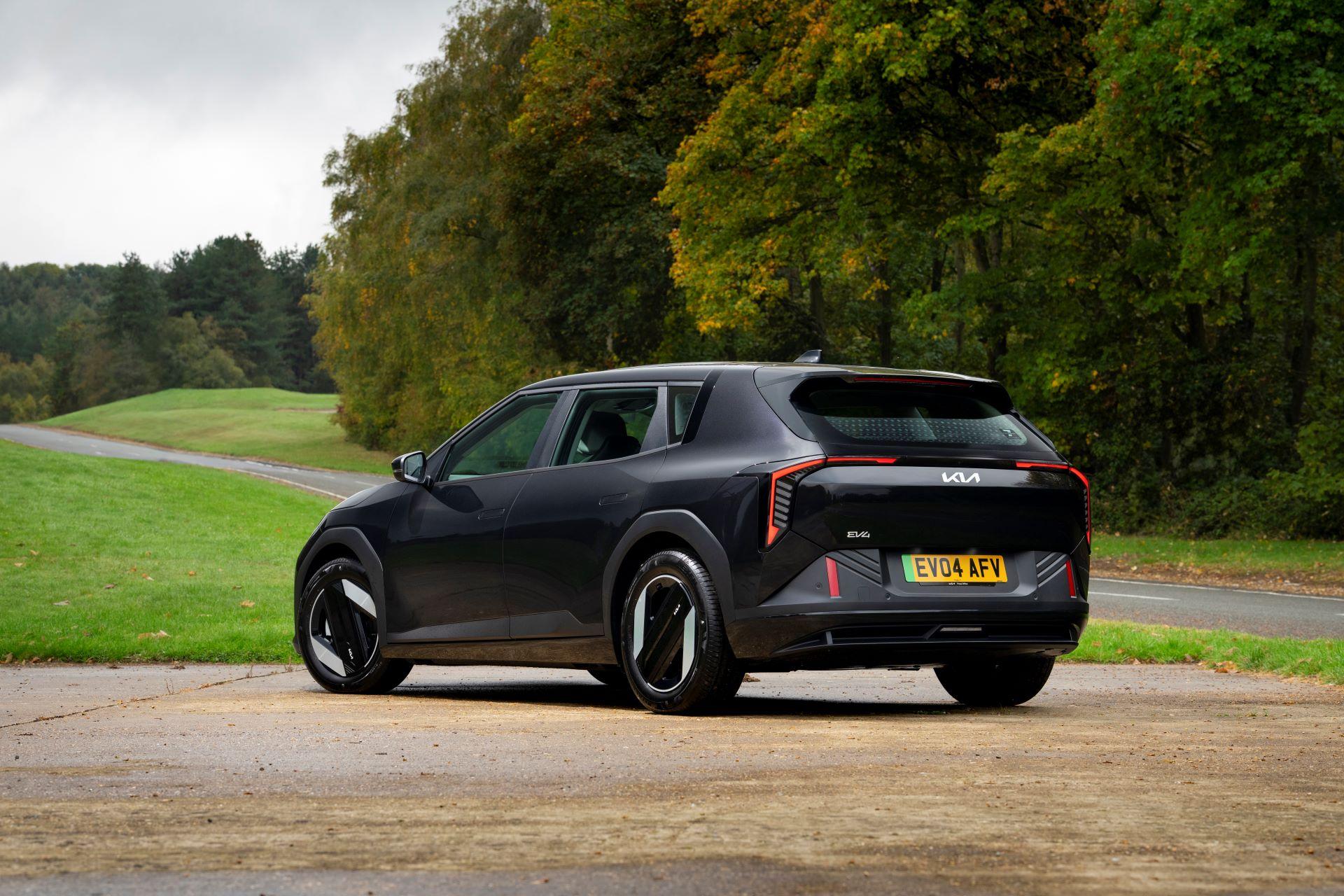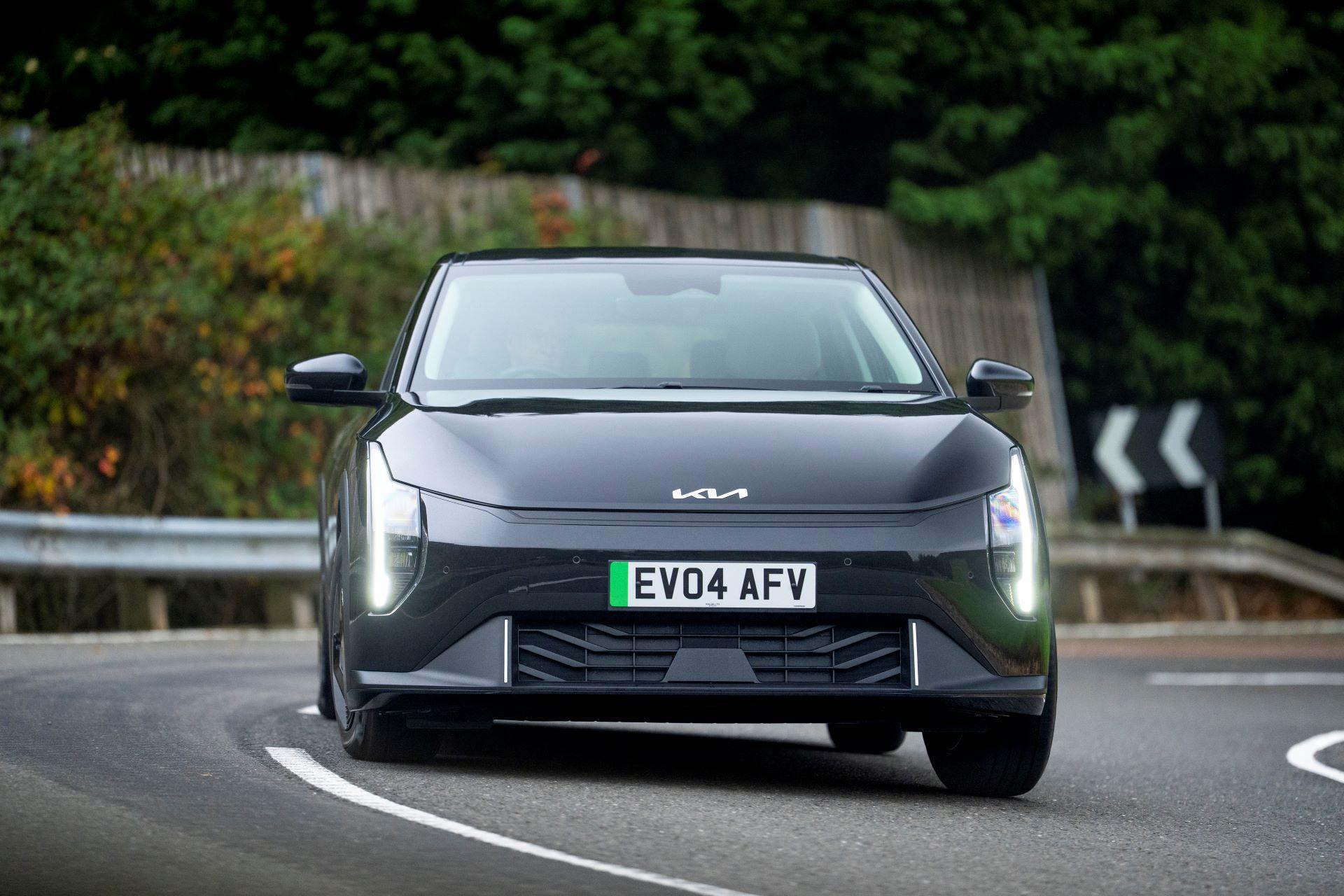



At Milan Design Week, Kia pulled the covers off something that feels less like a conventional concept car and more like a glimpse into a parallel evolution of mobility. The Vision Meta Turismo concept arrives as a bold statement of intent, blending performance driving, immersive digital interaction and lounge-inspired comfort into a single, fluid experience. First revealed in Korea to mark Kia’s 80th anniversary, the concept now steps onto the global stage with a sharper narrative: electric mobility is no longer just about movement, but about emotional resonance, sensory engagement and design that refuses to sit still.
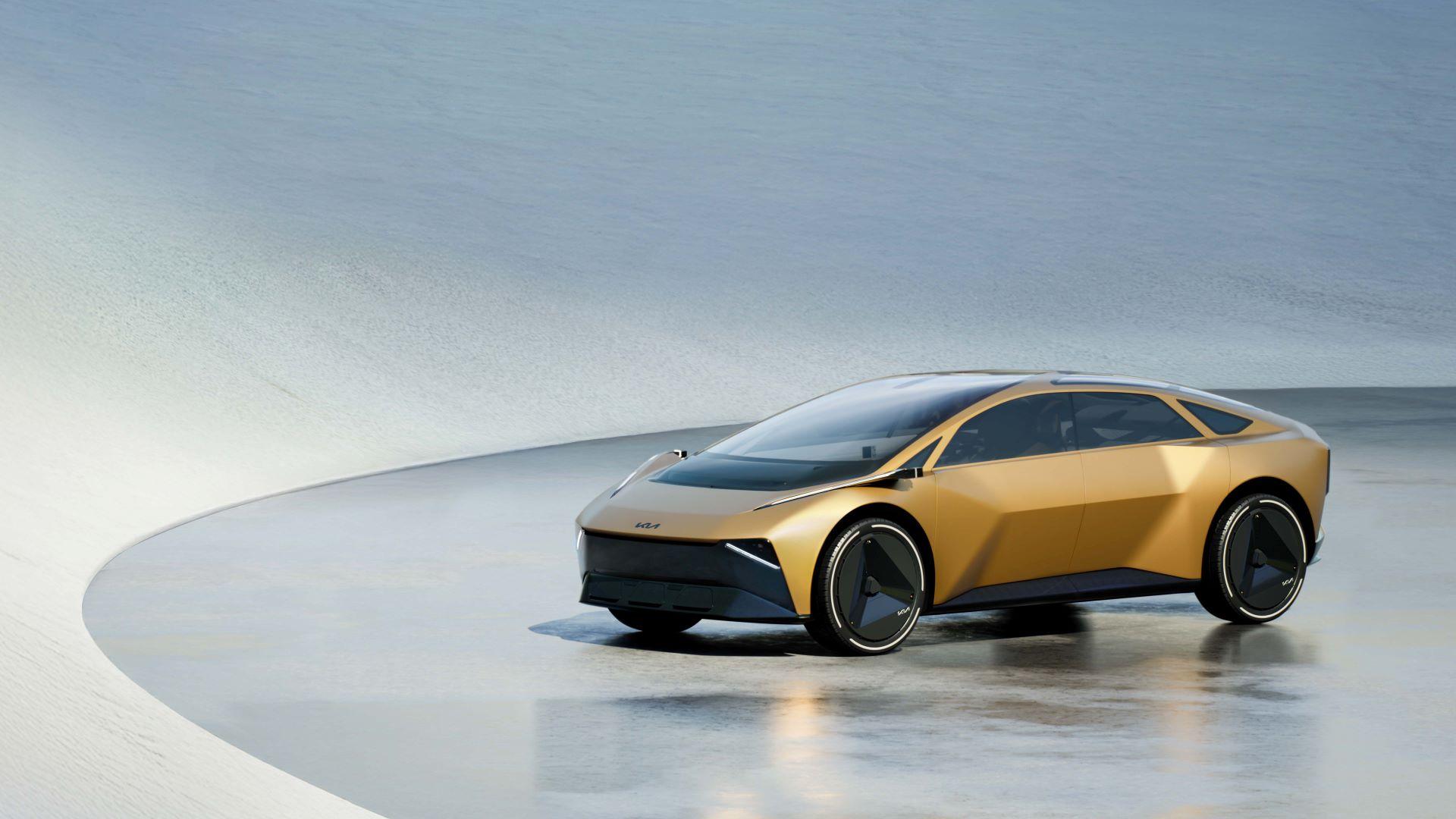
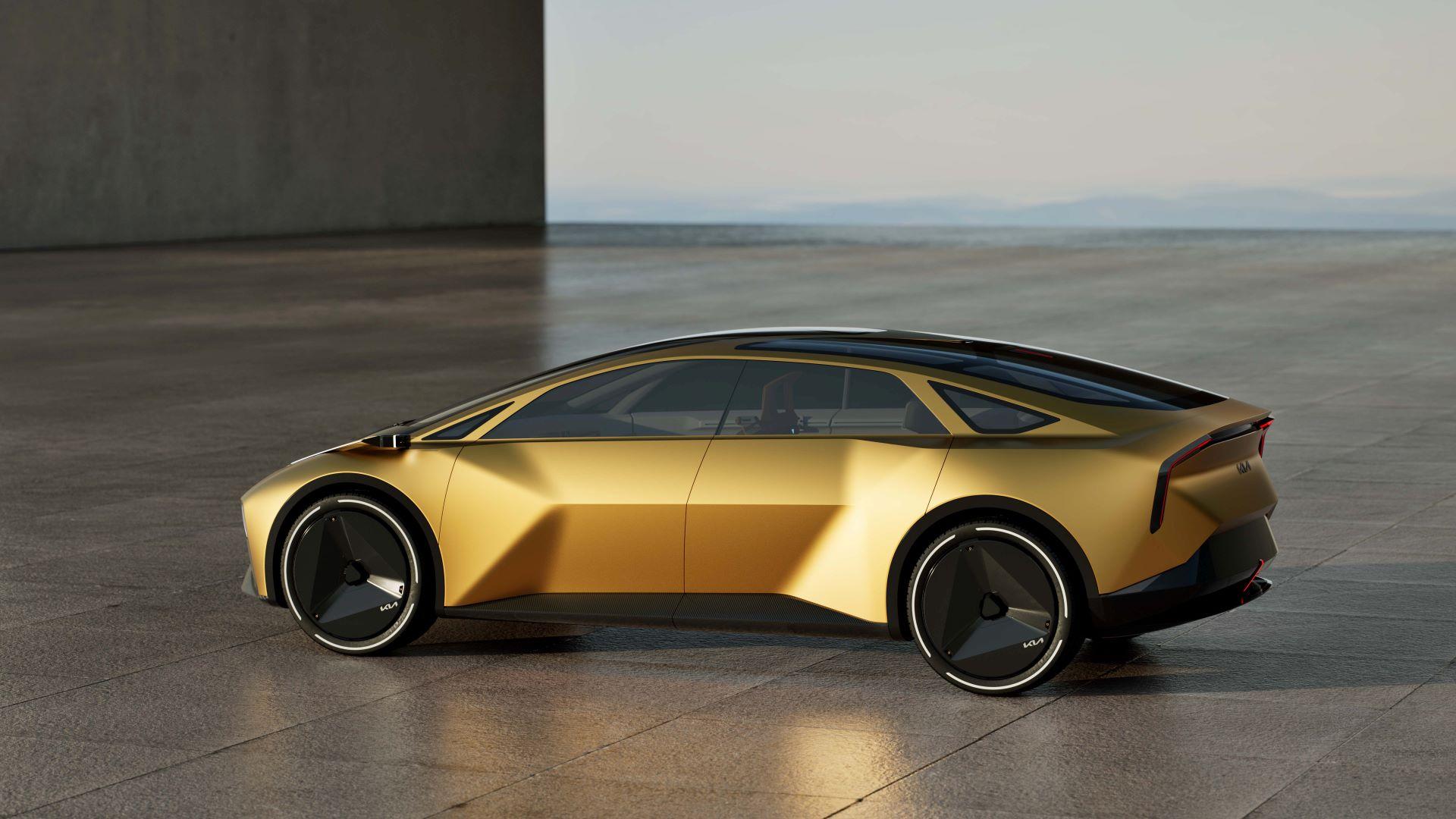
The Vision Meta Turismo is deeply rooted in Kia’s “Opposites United” design philosophy, where contrast is not conflict but creative fuel. Soft sculptural surfaces meet precise technical geometry, producing a body that feels both organically fluid and mechanically deliberate. Its cab-forward architecture stretches into a low, wide stance, giving the car a sense of forward motion even at rest. Light plays a central role in shaping its identity, with faceted surfaces that shift between softness and sharp definition depending on angle and illumination, as though the car is constantly recalibrating its own presence in space.
At the front, a low nose and cut-back lower section create a floating effect, with black technical elements housing sensors and lighting that emphasise its futuristic function. The design draws inspiration from jet aircraft, particularly the canard concept, which informs the placement of aerodynamic and technical components such as upper lighting and camera systems. This aviation influence reinforces the sense that the vehicle is engineered for both precision and agility, even while standing still.
The rear design transitions from smooth, flowing curves into a sharply truncated tail, prioritising aerodynamic efficiency and high-speed stability. A defining feature is the ultra-slim LED lighting signature that wraps around the rear corners in a continuous blade of light, visually widening the stance and anchoring the car’s low centre of gravity. Above it all, a sweeping glass canopy reveals an internal structure of slender, lightweight framing, reinforcing a tension between openness and engineered strength.
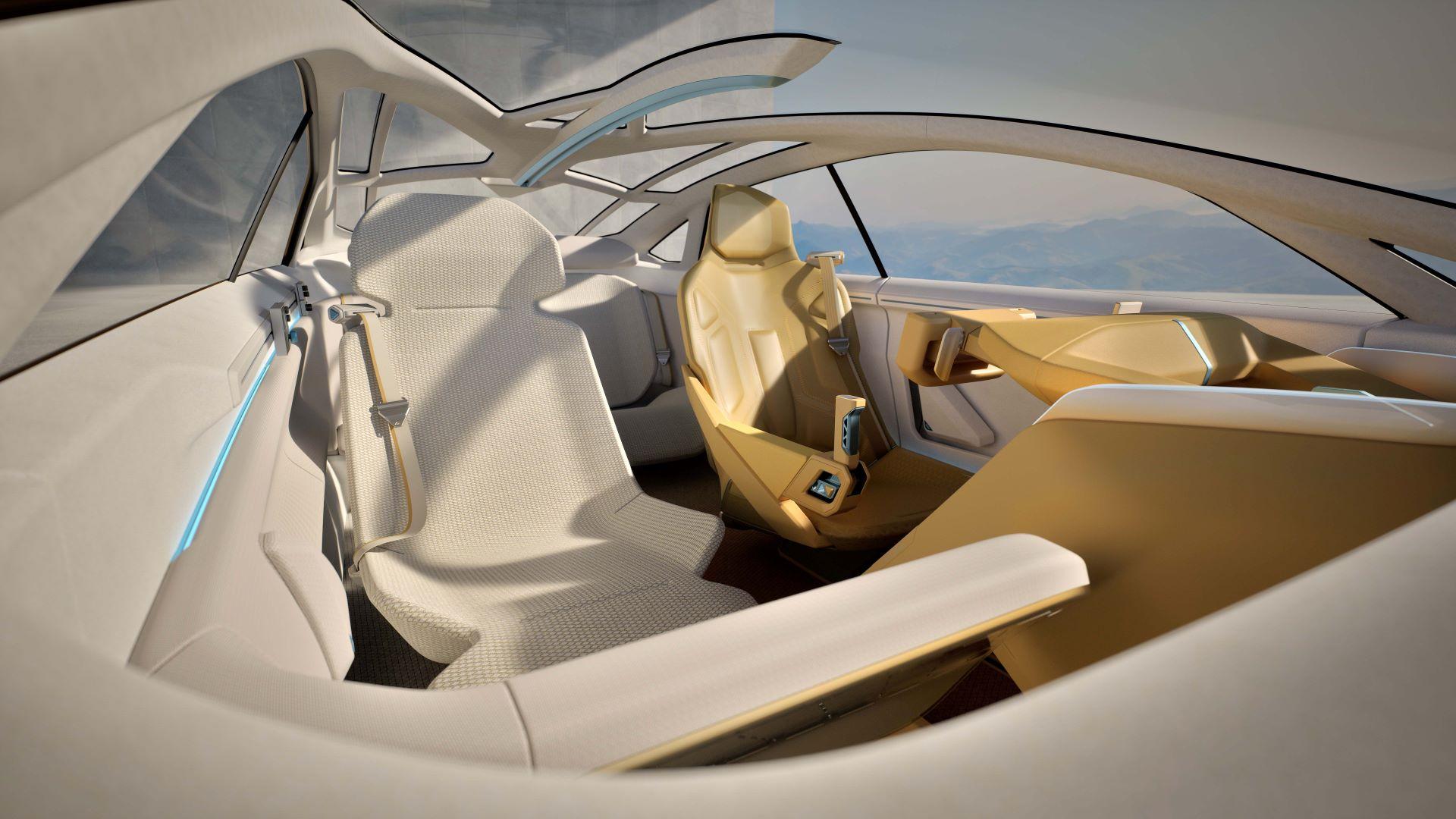
Inside, the Vision Meta Turismo shifts the conversation again, reimagining the cabin as a multi-layered digital environment rather than a fixed driving space. The layout introduces two distinct experiences within one interior logic. The driver’s side is focused and performance-driven, with a lightweight seat structure, breathable mesh materials and an ultra-slim instrument cluster designed to keep attention locked into the driving experience. The passenger side, by contrast, leans into relaxation and immersion, offering a lounge-like posture designed for comfort and augmented reality engagement through a 3D head-up display. When stationary, the passenger seat can rotate to face the rear, transforming the cabin into a social space that dissolves traditional automotive orientation.
This duality extends into how the vehicle behaves through interaction. Instead of relying purely on digital inputs, Kia introduces analogue-inspired controllers that reconnect physical sensation with virtual systems. A joystick-style virtual gear shifter simulates mechanical engagement through vibration and sound, while a launch and GT boost control delivers an immediate surge of acceleration with theatrical intensity. A dial-based interface allows drivers to adjust virtual engine character, suspension feel and overall driving personality, creating a deeply customisable emotional driving experience.
Even the steering wheel has been reimagined as an interface rather than a static tool. Inspired by gaming controllers, it becomes a gateway into three distinct experiential modes that shift the entire character of the vehicle. In Speedster mode, the focus is pure performance, enhanced through wide-angle augmented reality visuals and dynamic lighting cues. Dreamer mode transforms urban environments into layered digital spaces using augmented reality glasses and immersive overlays. Gamer mode extends the experience beyond driving, turning parked moments into shared interactive play using projection and virtual racing elements.
Karim Habib, Executive Vice President and Head of Kia Global Design, describes the Vision Meta Turismo as a milestone in how the brand interprets its design philosophy for the future. It is not simply about merging technology and design, but about creating a space where emotion, interaction and mobility converge into something more human-centred and expressive.
Ultimately, the Vision Meta Turismo positions itself as more than a concept car. It is a curated environment of motion, emotion and digital possibility, shaped by Kia’s belief that the future of mobility will be defined not just by where we go, but by how deeply we experience the journey itself.