


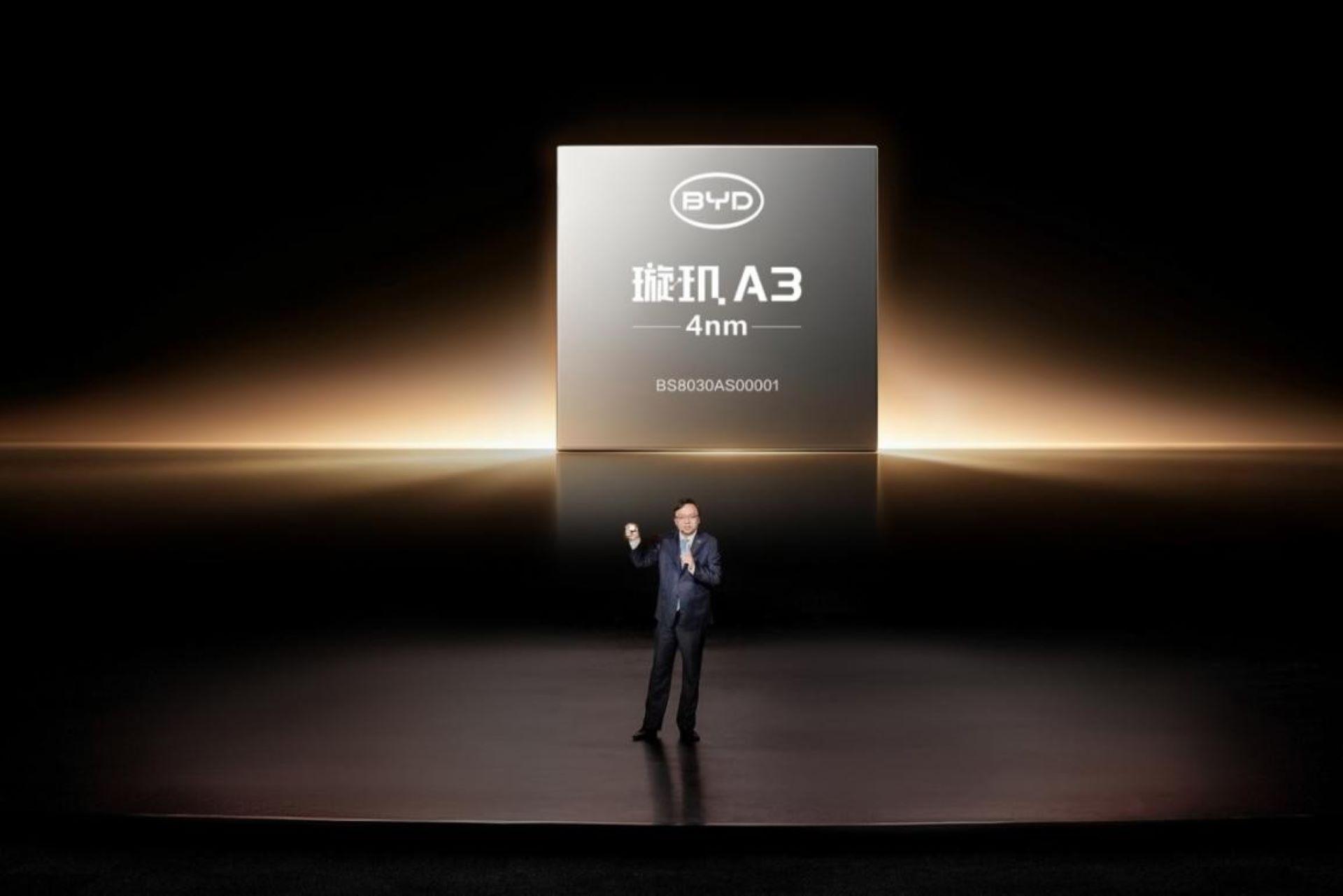
BYD has announced a major new milestone in the evolution of advanced driver assistance systems (ADAS), becoming the world's first automaker to provide dual coverage for both intelligent parking and intelligent driving functions. The announcement was made during the company's Intelligence Strategy Launch Event in Shenzhen, China, where BYD also revealed its self-developed XUANJI A3 automotive-grade Driving SoC, China's first 4nm chip designed specifically for intelligent driving applications.
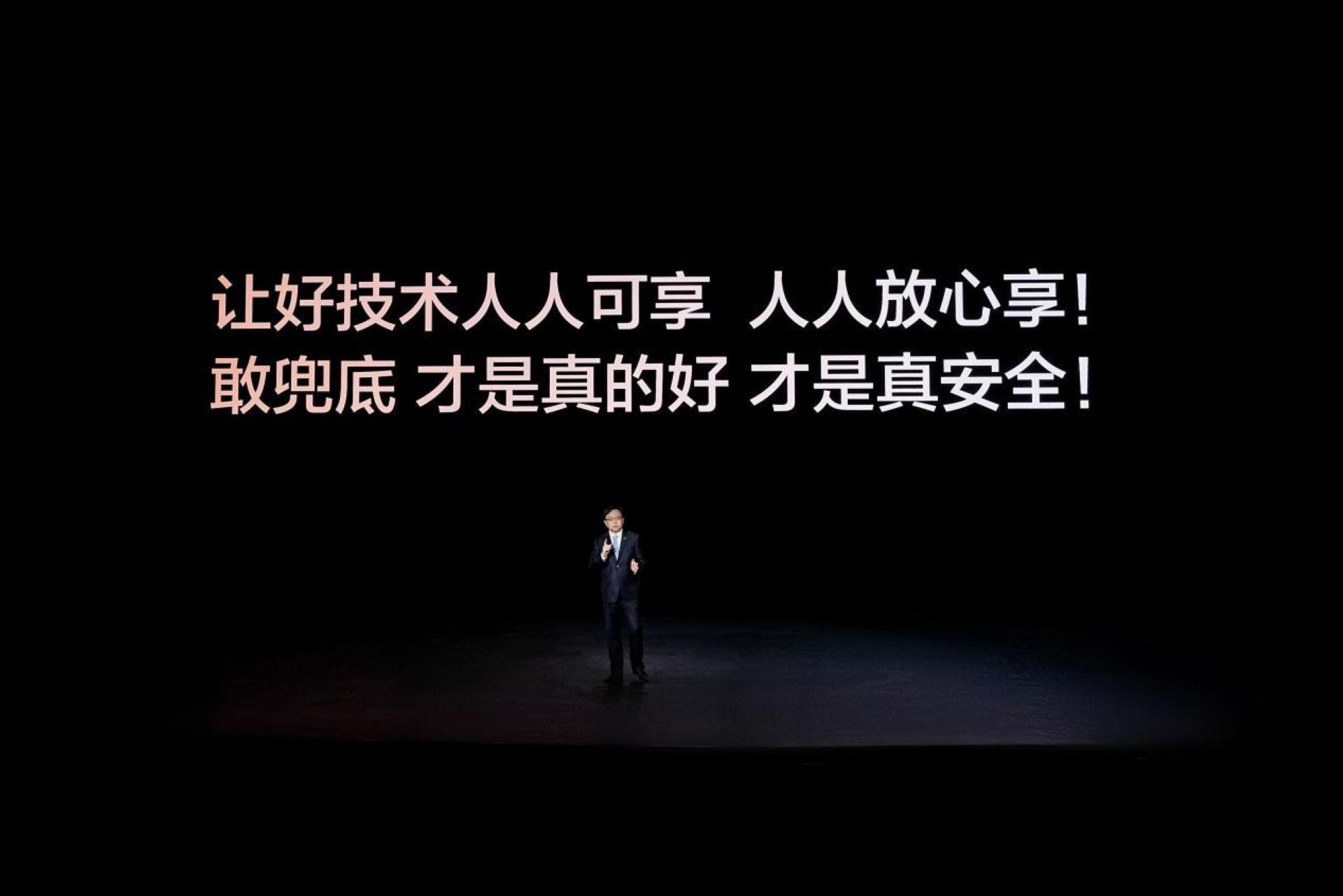
The move reinforces BYD's commitment to making intelligent driving technology more accessible while strengthening user confidence in increasingly sophisticated ADAS systems.
At the centre of the announcement is BYD's new Full Damage Coverage pledge for the Urban Navigate on Autopilot (NOA) function of the God's Eye Intelligent Driving System. The one-year guarantee applies to both new customers and existing owners who upgrade to God's Eye 5.0 in China. Under the policy, if a legally liable accident occurs while the Urban NOA function is being used in accordance with applicable regulations, BYD will directly cover all resulting economic losses.
The guarantee represents a significant step forward for the automotive industry, where manufacturers have traditionally maintained strict limitations regarding responsibility for incidents involving driver assistance technologies. By offering direct coverage, BYD is signalling confidence in the reliability and maturity of its intelligent driving platform.
That confidence is supported by an extensive foundation of real-world experience. BYD currently has more than 3.15 million intelligent driving assistance-equipped vehicles operating on public roads, making it the largest such fleet among Chinese automakers. These vehicles collectively generate more than 200 million kilometres of driving data every day, providing a vast pool of information for continuous software refinement and algorithm improvement.
Supporting this effort is a dedicated research and development team of approximately 5,000 engineers focused on intelligent driving technologies, making it one of the largest automotive software and ADAS development teams in China.
As part of its broader "Intelligent Driving for All" strategy, BYD also confirmed that its entire vehicle lineup can now be optionally equipped with the God's Eye-B Intelligent Driving System LiDAR Version. The expansion is intended to accelerate the adoption of advanced safety technologies across a wider range of vehicles rather than limiting them to premium segments.
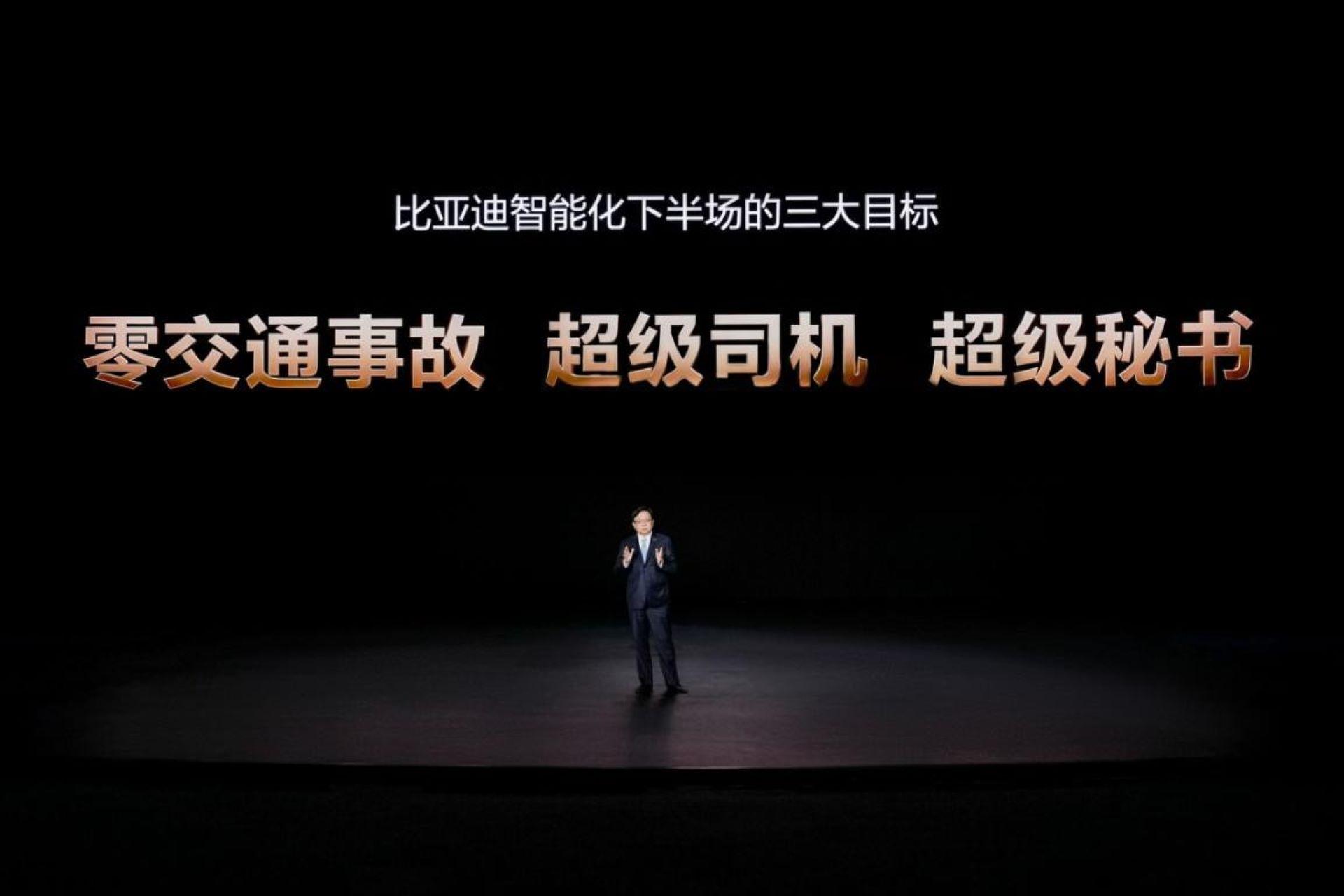
BYD's long-term vision for intelligent mobility is built around three objectives: reducing traffic accidents to zero, transforming ADAS into a "Super Driver" capable of assisting users in increasingly complex driving environments, and developing artificial intelligence systems that function as highly capable personal assistants.
To support these ambitions, the company plans to invest more than RMB 100 billion into intelligent driving assistance research and development, with safety remaining the primary focus.
The latest version of the God's Eye Intelligent Driving System receives four major upgrades designed to improve performance and scalability. These include the introduction of the new XUANJI Architecture 2.0, an industry-first satellite sensor architecture, an upgraded physical AI large model and a self-evolving data flywheel that continuously improves system performance using real-world driving scenarios.
Inside the vehicle, BYD has also introduced the new DiLink AI Intelligent Cockpit. The system incorporates a highly advanced digital assistant capable of proactive task execution and deeper contextual reasoning, creating a more personalised and continuously evolving in-car experience.
The most significant hardware announcement was undoubtedly the launch of the XUANJI A3 Driving SoC. Developed entirely in-house, the chip is China's first self-developed 4nm automotive-grade processor designed specifically for intelligent driving applications.
The XUANJI A3 has been engineered to support both Level 3 and Level 4 autonomous driving capabilities. In a three-chip configuration, the system can provide more than 2,100 TOPS of computing performance per vehicle. BYD claims the chip delivers the industry's lowest power consumption per TOPS, consuming approximately 20% less power than comparable products while maintaining high computational performance.
The company also reports that the combination of the XUANJI A3 and BYD's proprietary software algorithms can double computing utilisation efficiency, helping unlock greater levels of safety, responsiveness and overall system capability.
The announcement reflects a broader strategic direction that mirrors BYD's earlier approach to vehicle electrification. During the transition to electric mobility, the company addressed consumer safety concerns through innovations such as the Blade Battery. Today, BYD is applying the same philosophy to intelligent driving, combining self-developed technologies, large-scale data collection and direct customer protection measures to build trust in next-generation mobility solutions.
By pairing advanced intelligent driving capabilities with industry-leading coverage commitments and proprietary semiconductor development, BYD is positioning itself at the forefront of the rapidly evolving intelligent vehicle landscape. The company's latest announcements underline its belief that technological innovation, when focused on safety and reliability, can help deliver a safer and more intelligent driving experience for millions of motorists worldwide.