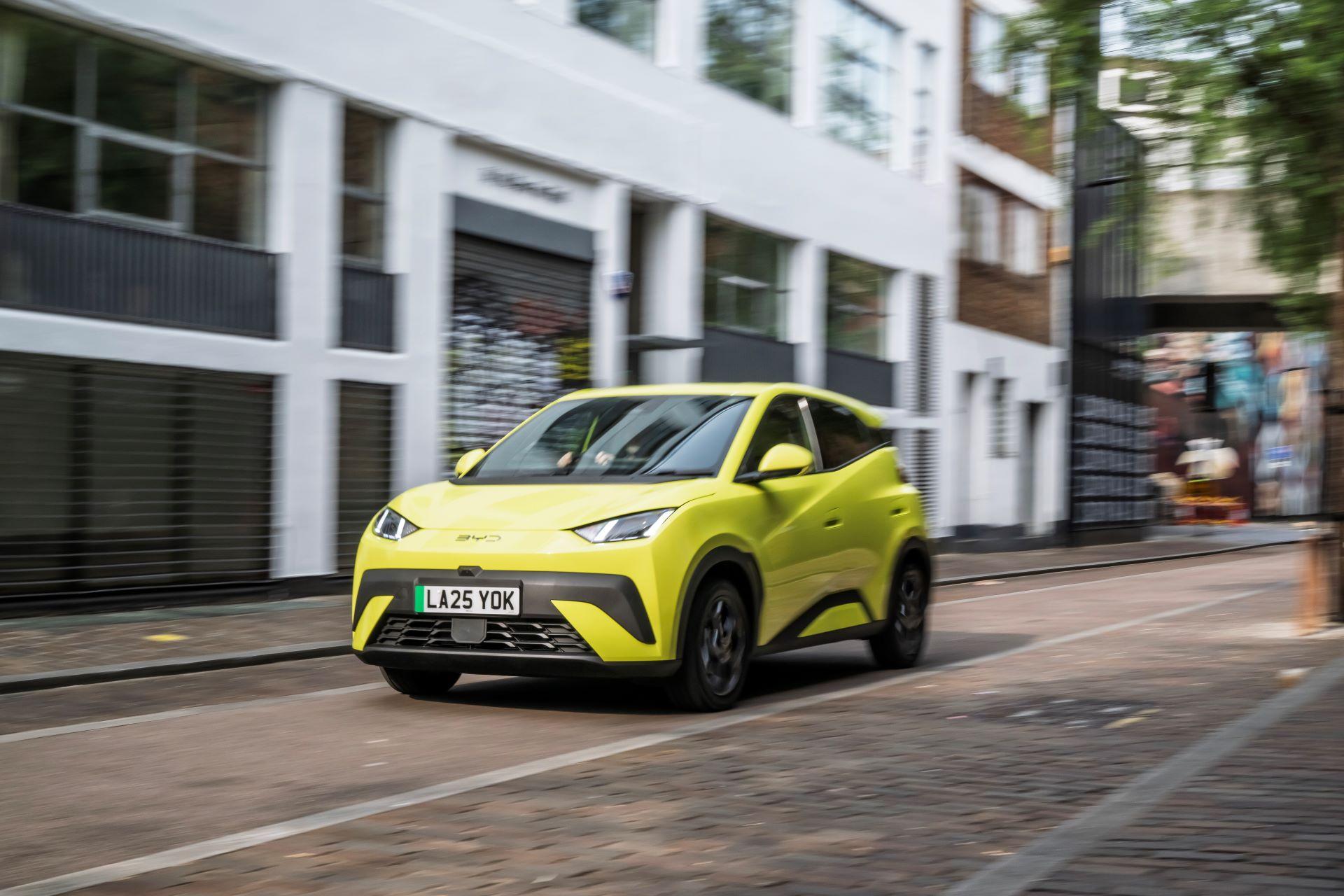
When it comes to sustainable mobility, few names resonate as strongly as BYD. With over 7.7 million plug-in hybrid vehicles produced globally, the Chinese automaker has not only pioneered the market but continues to define it. At the heart of this achievement is BYD’s Dual Mode (DM) technology—a visionary system first unveiled in 2008 with the F3DM, the world’s first mass-produced plug-in hybrid vehicle.
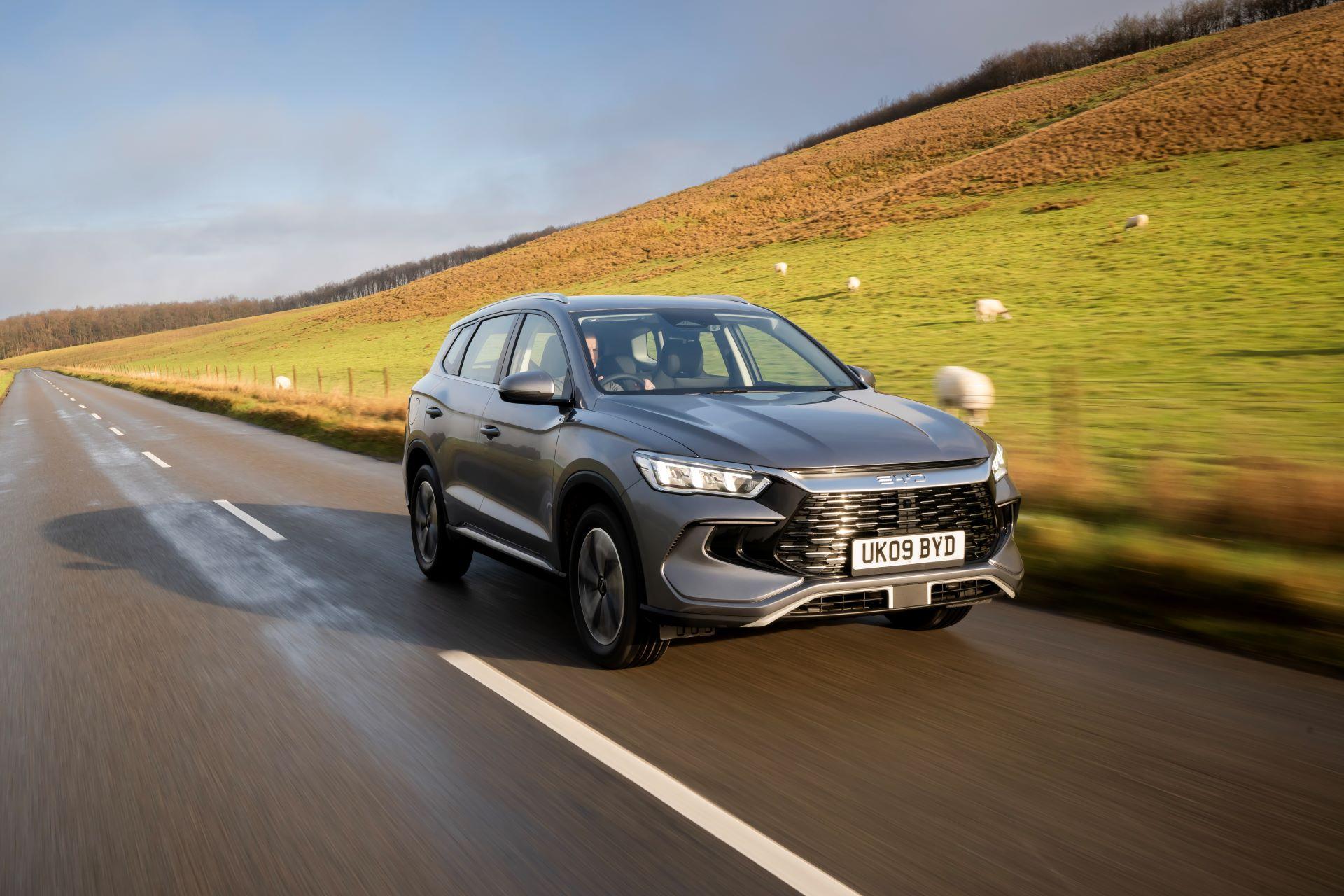
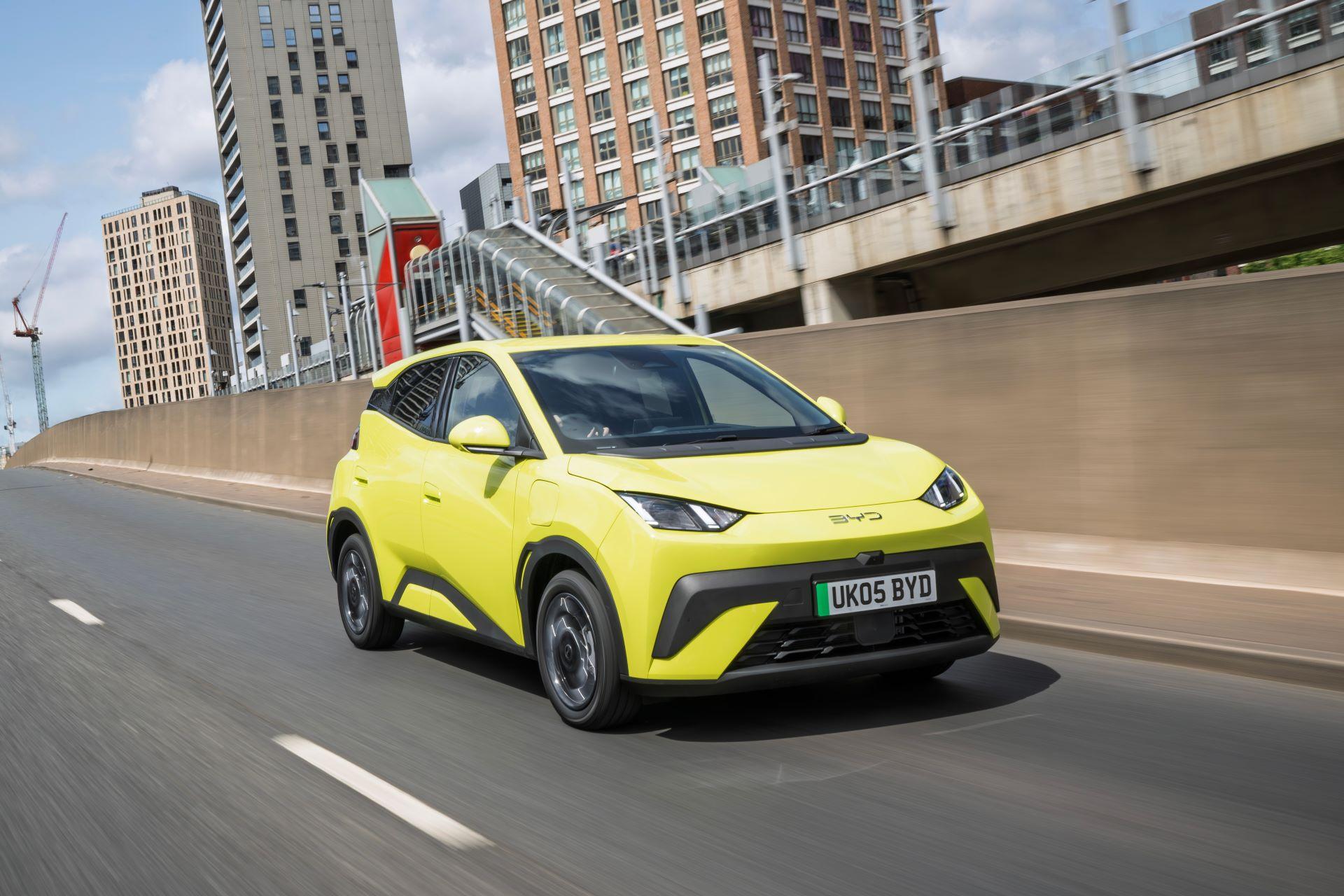
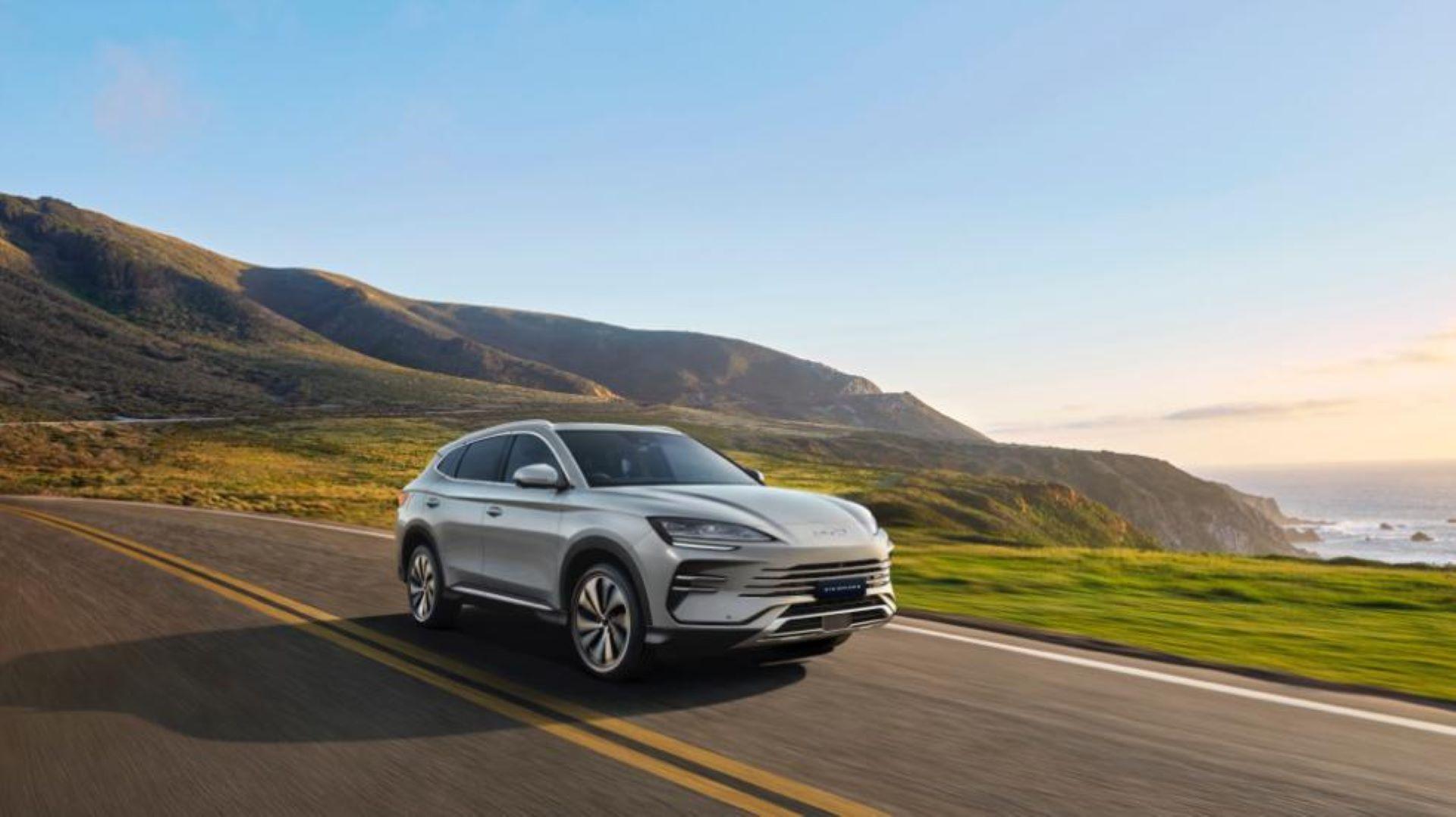
Nearly two decades later, BYD’s commitment to innovation is clearer than ever. The brand’s DM technology, now refined and more efficient than ever, underpins a growing range of vehicles in the UK, including the SEALION 5 DM-i, SEAL U DM-i, SEAL 6 DM-i, and the soon-to-arrive ATTO 2 DM-i, set to reach showrooms in May.
From Pioneering Beginnings to Global Leadership
The journey began at the 2008 Geneva Motor Show, when BYD unveiled the F3DM to an automotive world still questioning the practicality of electrification. Equipped with a 16 kWh battery, the F3DM offered a 37-mile electric range and a total 280-mile range under the NEDC cycle—a glimpse of what electrified driving could achieve. While many manufacturers were still experimenting, BYD demonstrated that plug-in hybrid technology could be practical, reliable, and mass-produced.
Eighteen years of relentless research and development have transformed that early promise into a mature, efficient, and accessible technology. Today, BYD boasts over 110,000 engineers and continues to advance DM-i systems, marrying high-performance electric motors with the 1.5-litre Xiaoyun petrol engine to deliver unrivalled efficiency in real-world driving conditions.
DM-i Technology: Intelligent Efficiency in Action
BYD’s DM-i models stand apart from conventional plug-in hybrids. Rather than the petrol engine taking center stage, it primarily serves as a generator, engaging directly only when higher speeds or additional power are required. This allows many urban journeys to be completed in zero-emissions mode.
The system intelligently alternates between modes for maximum efficiency: EV mode for fully electric driving in city environments, HEV “Series” mode where the petrol engine charges the battery while the electric motor drives the wheels, and HEV “Parallel” mode where both petrol and electric power combine during high-demand driving. This orchestration is supported by the Blade Battery, featuring lithium iron phosphate chemistry renowned for thermal stability and safety, alongside Vehicle-to-Load (V2L) functionality, turning the vehicle into a portable power source.
A Growing UK Line-Up
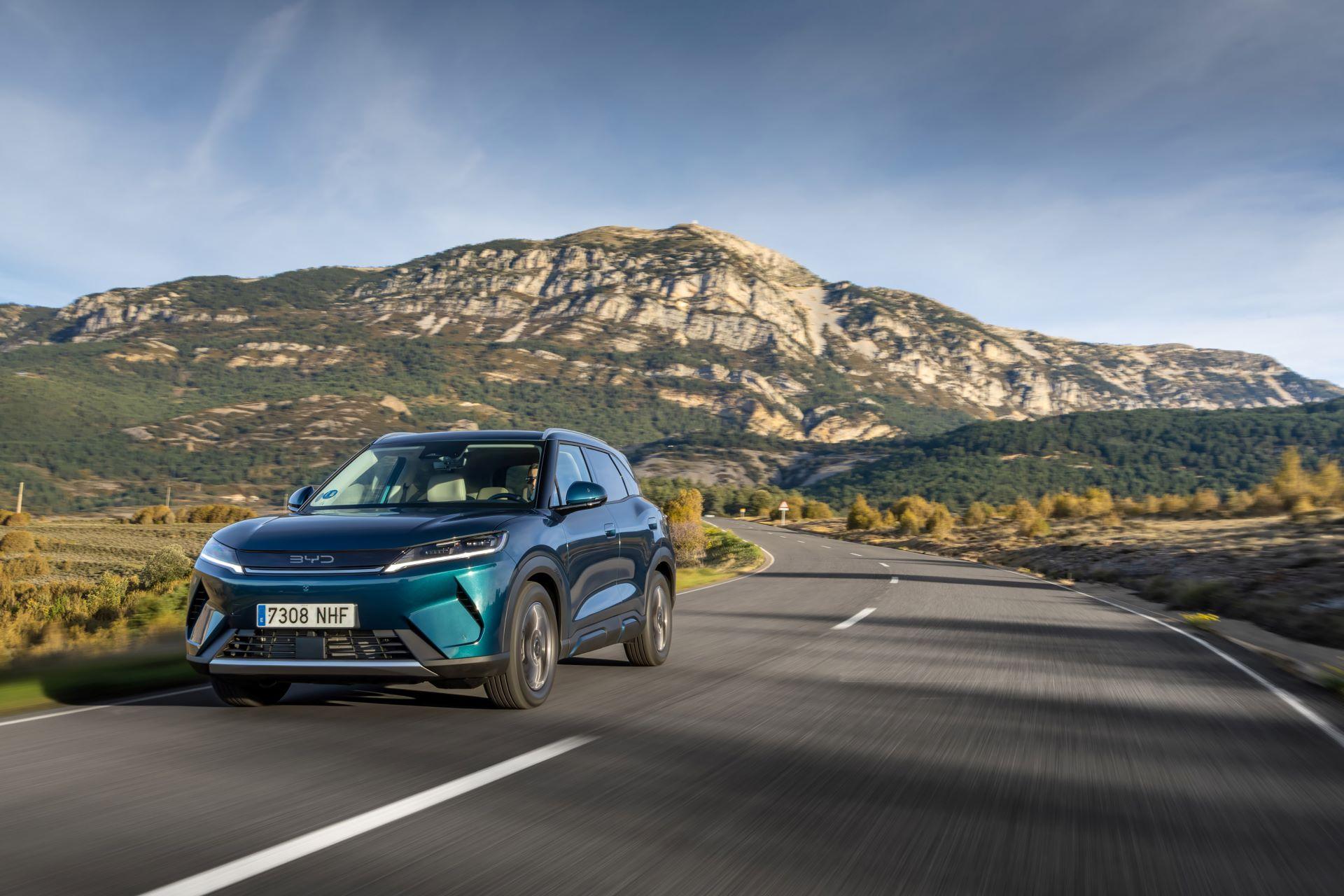
The upcoming BYD ATTO 2 DM-i brings this advanced technology to the compact SUV segment. Offering up to 56 miles* of electric-only range and a total range of up to 621 miles*, it combines environmental responsibility with a spacious, connected interior and generous standard specification, including integrated Google connectivity and comprehensive driver assistance systems.
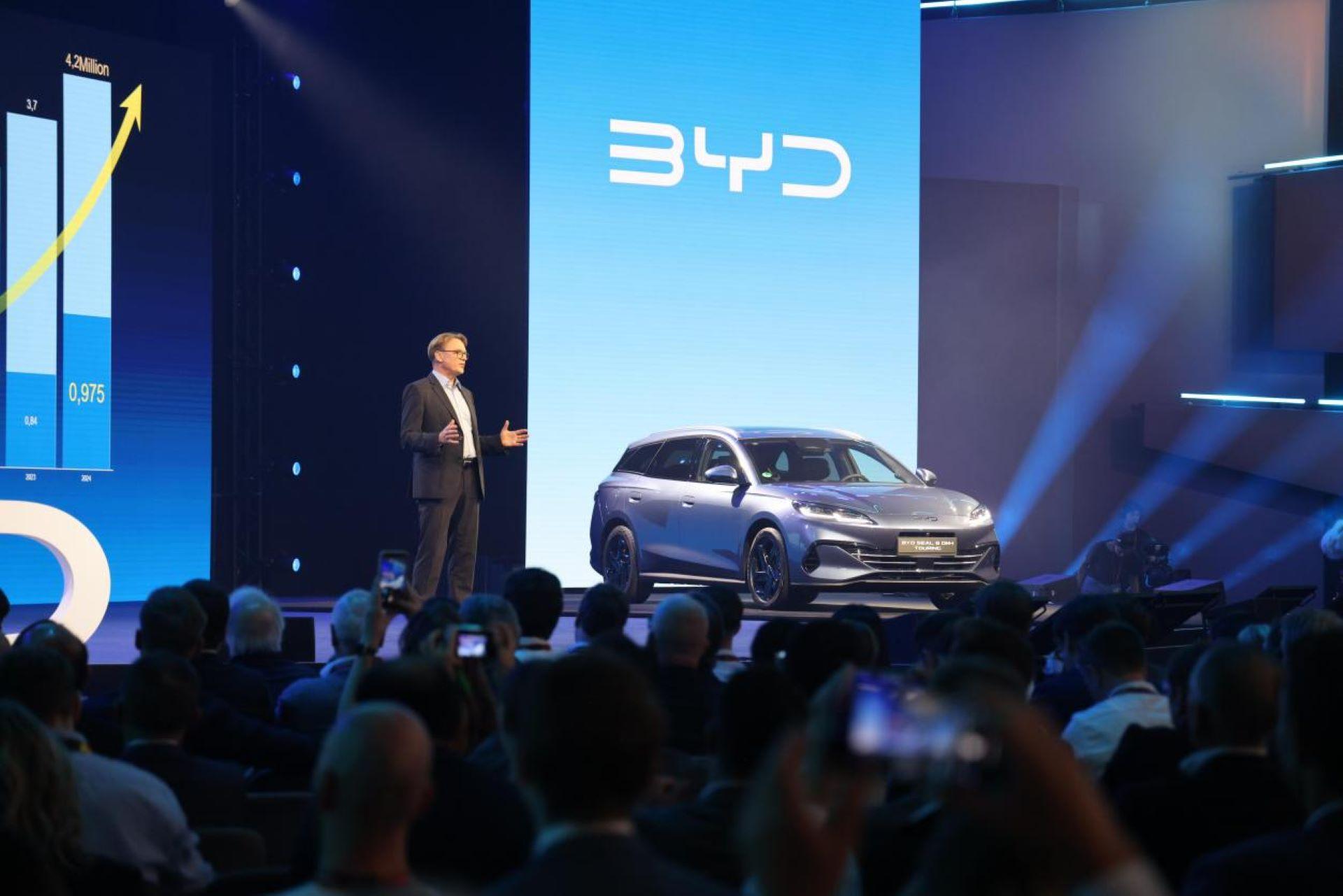
For families seeking larger vehicles, BYD’s SEALION 5 DM-i, SEAL 6 DM-i, and SEAL U DM-i deliver class-leading efficiency and versatility. The SEALION 5 DM-i starts at £29,995 with up to 631 miles* of total range, while the SEAL 6 DM-i offers a staggering 935 miles* range across saloon and Touring estate variants. The SEAL U DM-i rounds out the range with impressive outputs of up to 323 PS and WLTP ranges of up to 699 miles*, combining luxury and utility with plug-in hybrid efficiency.
Innovation at Scale
From a modest team of 20 in 1995 to a global technology group employing over one million people, BYD’s evolution is a testament to vision, innovation, and scale. The company now operates across automotive, electronics, renewable energy, and rail transport, generating an average of 45 patents per working day. It is this culture of relentless innovation that has made BYD the world leader in plug-in hybrid vehicle production—a journey that began with the F3DM and continues today with a family of DM-i vehicles shaping the future of sustainable mobility.
As the automotive industry accelerates towards electrification, BYD’s DM technology exemplifies what is possible when vision meets engineering excellence: vehicles that are practical, efficient, and designed to improve lives, all while leading the charge in the global transition to a cleaner, greener future.
Ranges determined according to WLTP test procedure. Real-world performance may vary due to driving style, temperature, terrain, vehicle load, and other factors.