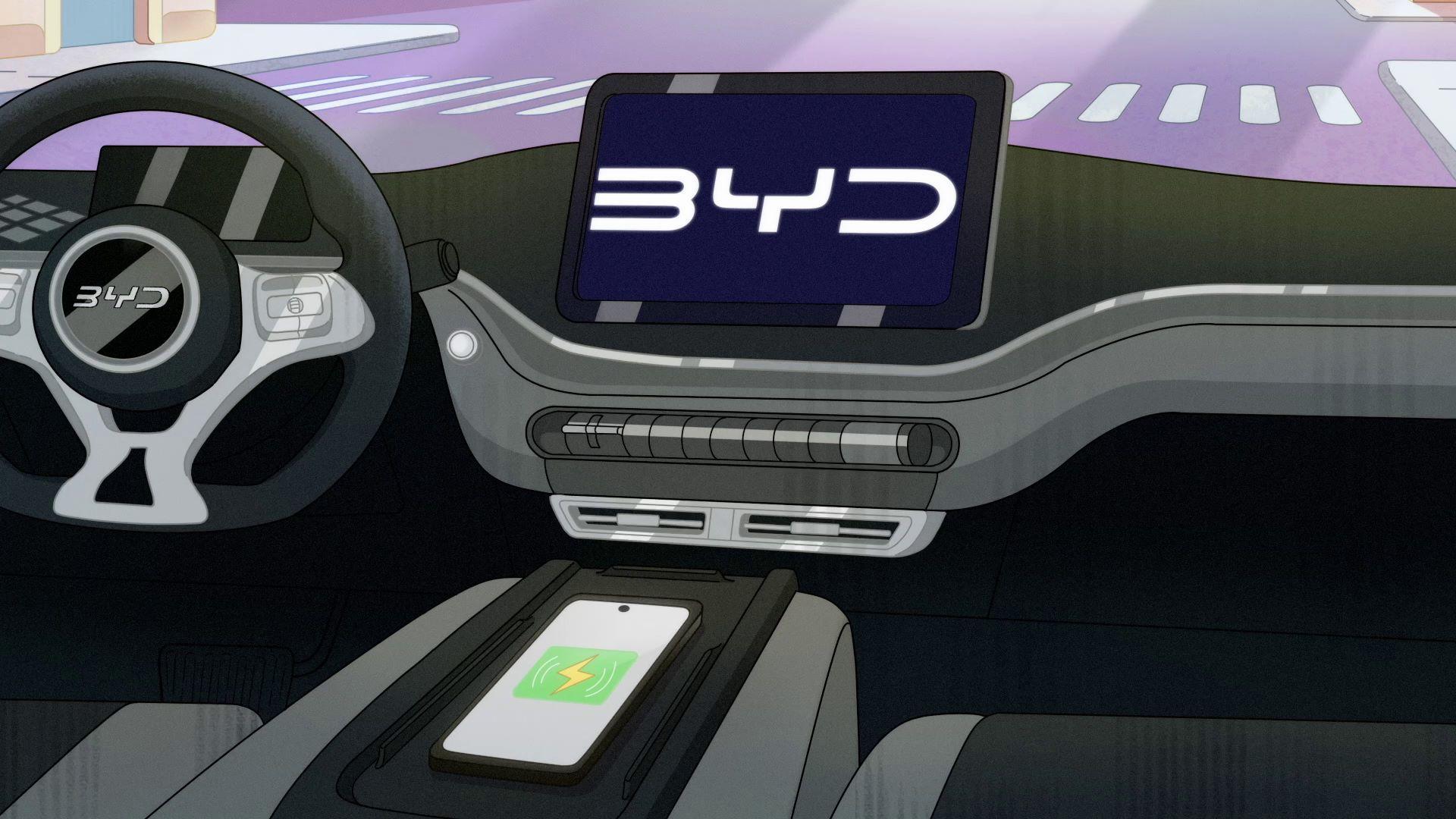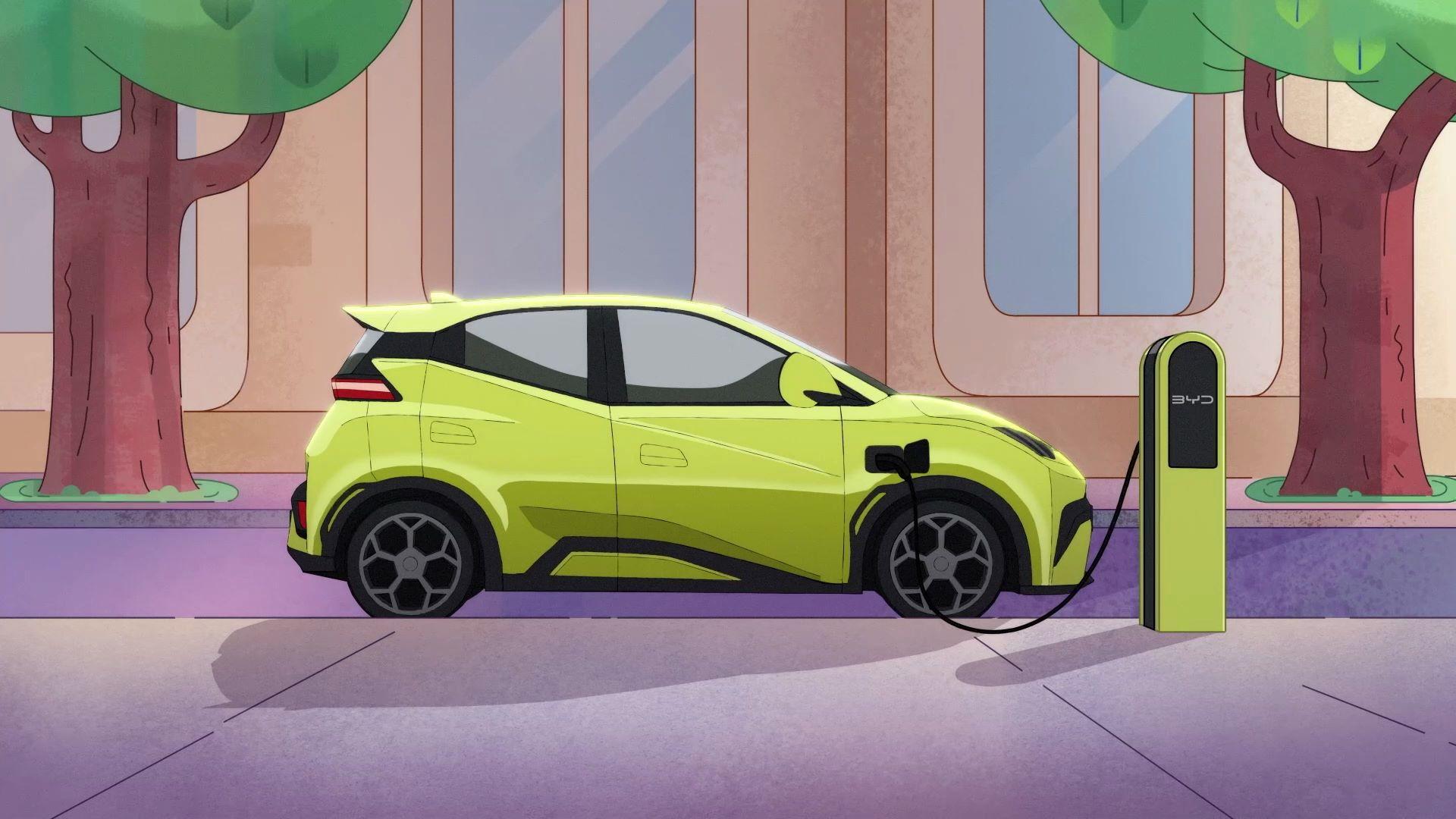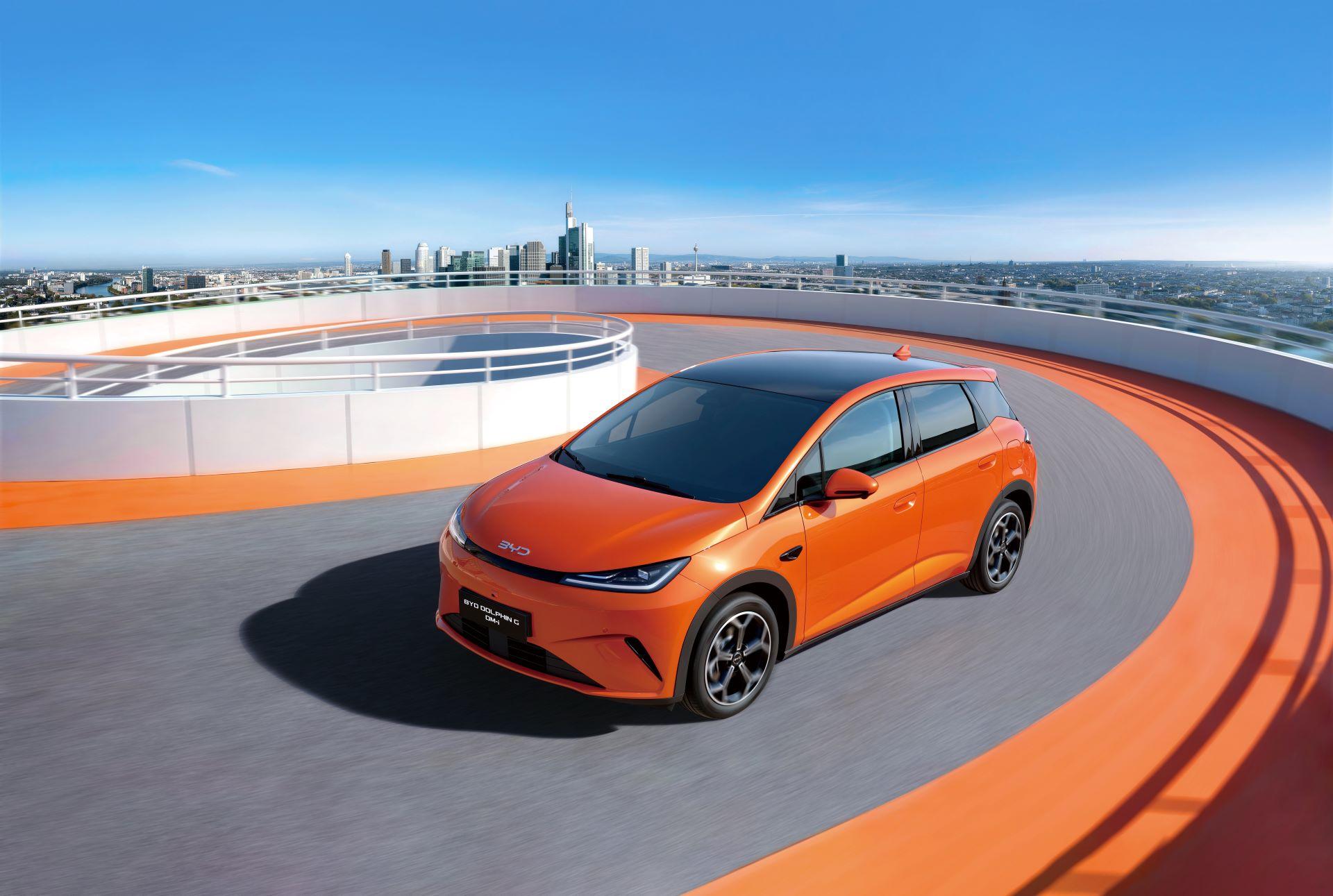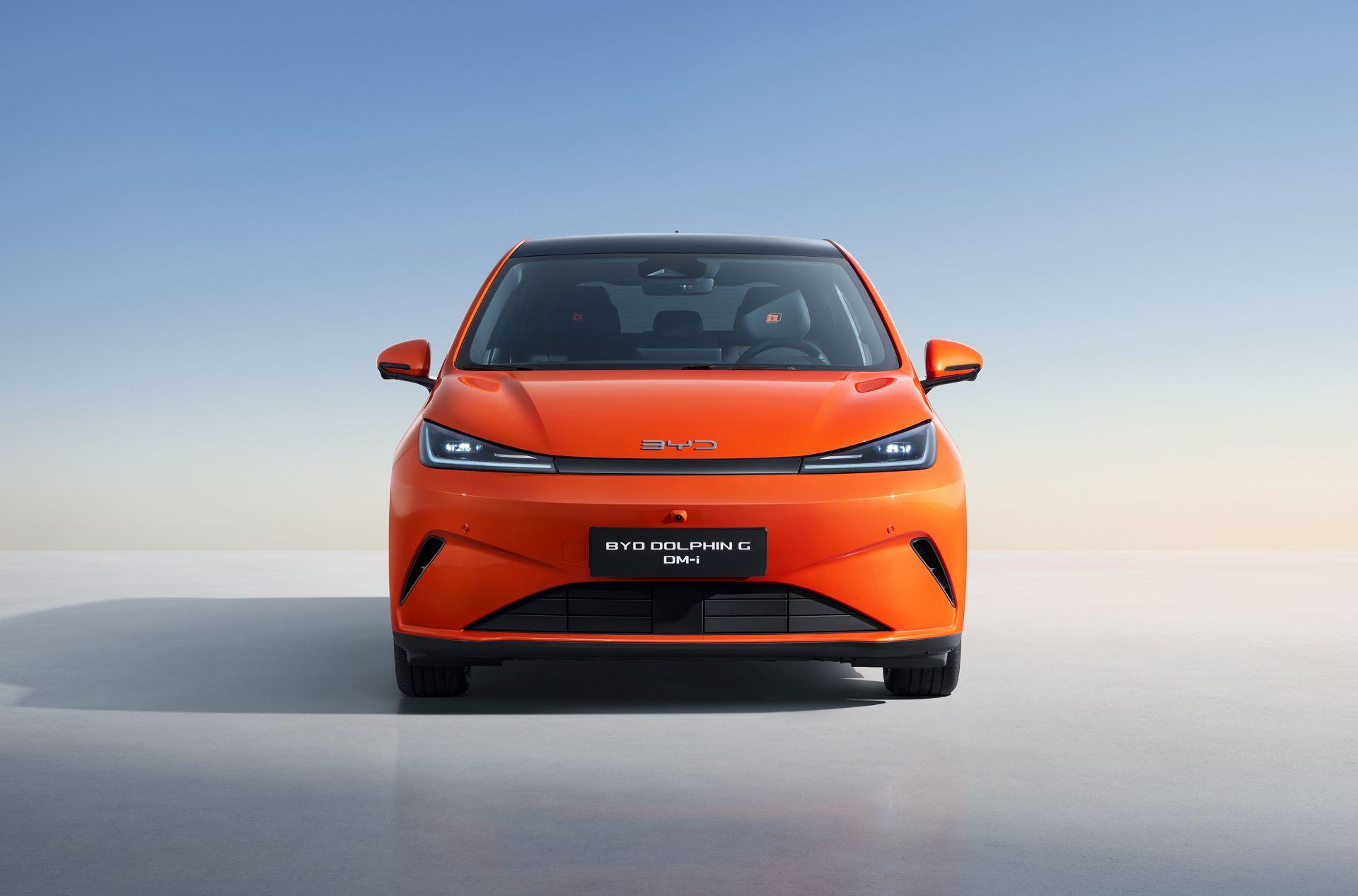
The electric vehicle revolution has always promised simplicity, but the reality often arrives tangled in cables, installation quotes and logistical guesswork. A new partnership between Humax EV Charging and Harmony Automotive looks to quietly dismantle that friction, turning what was once an afterthought into an integral part of the buying journey.
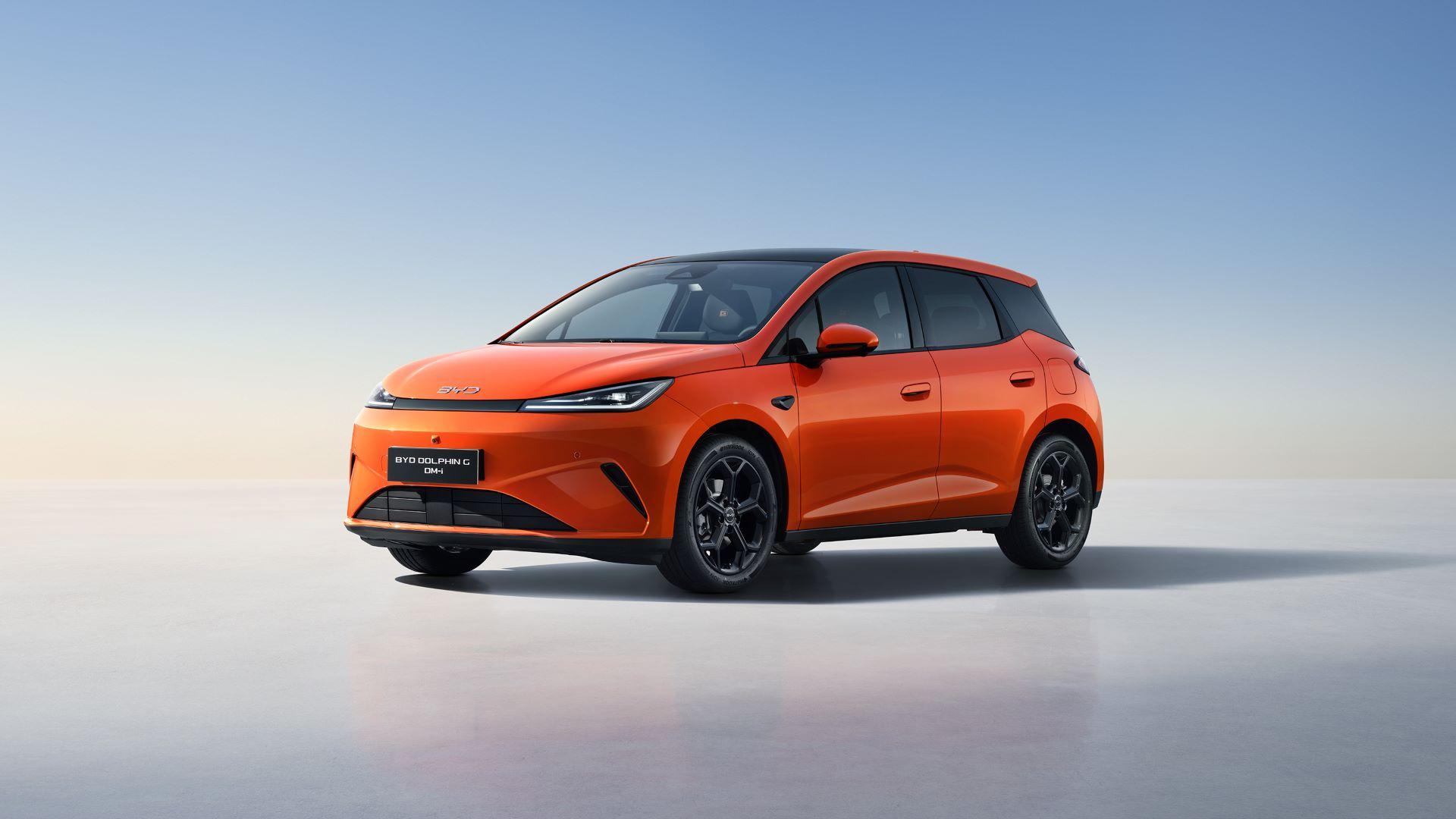
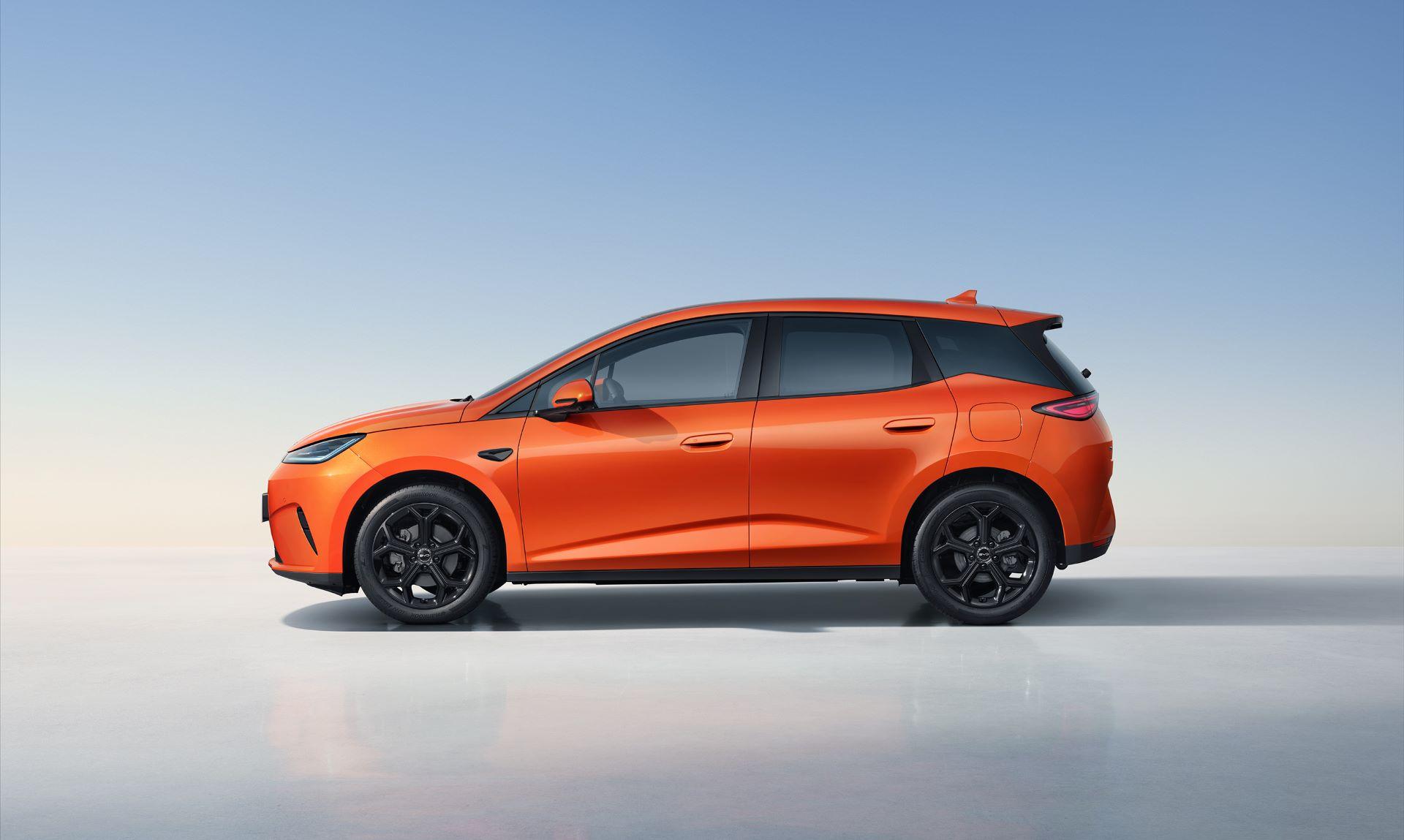
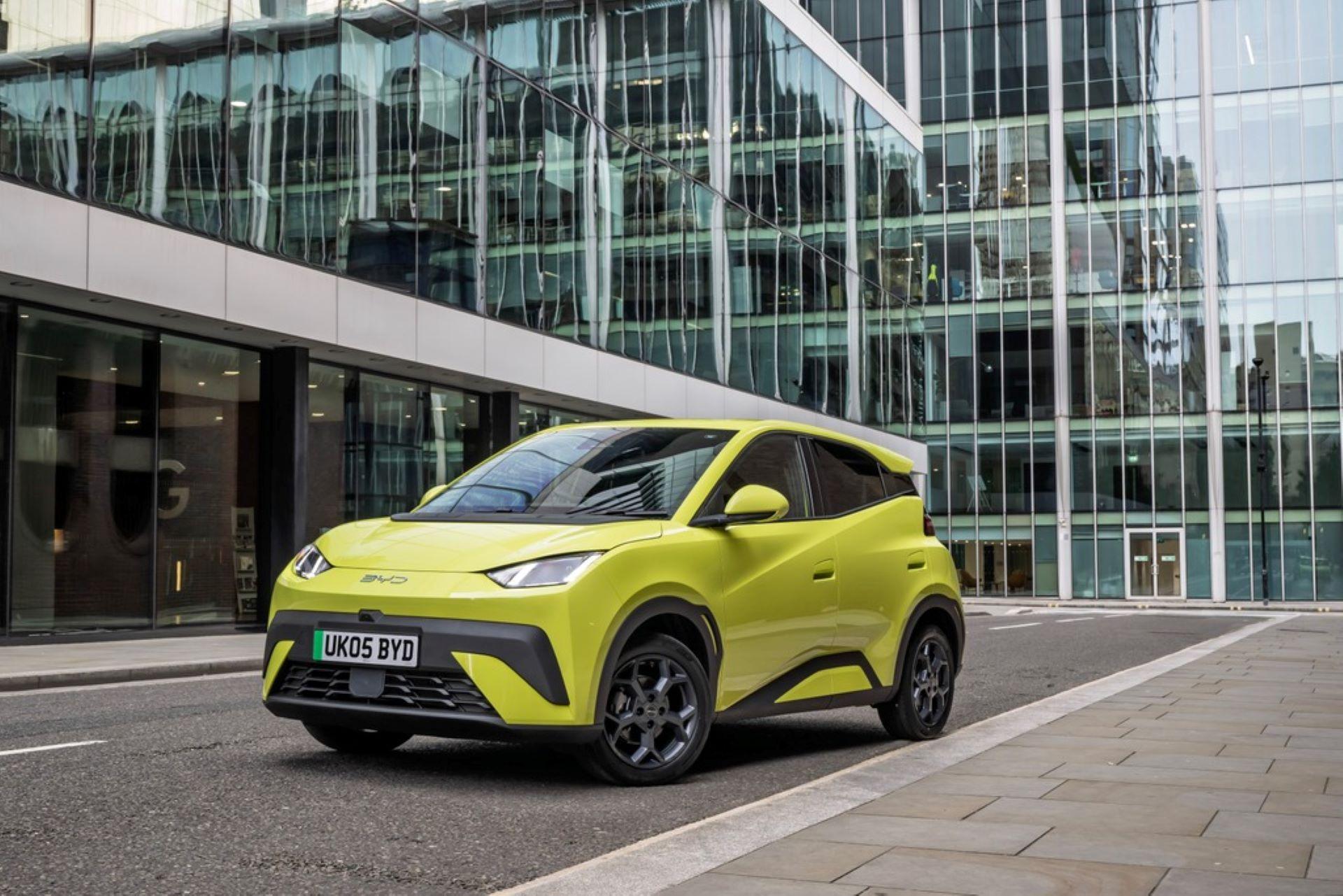
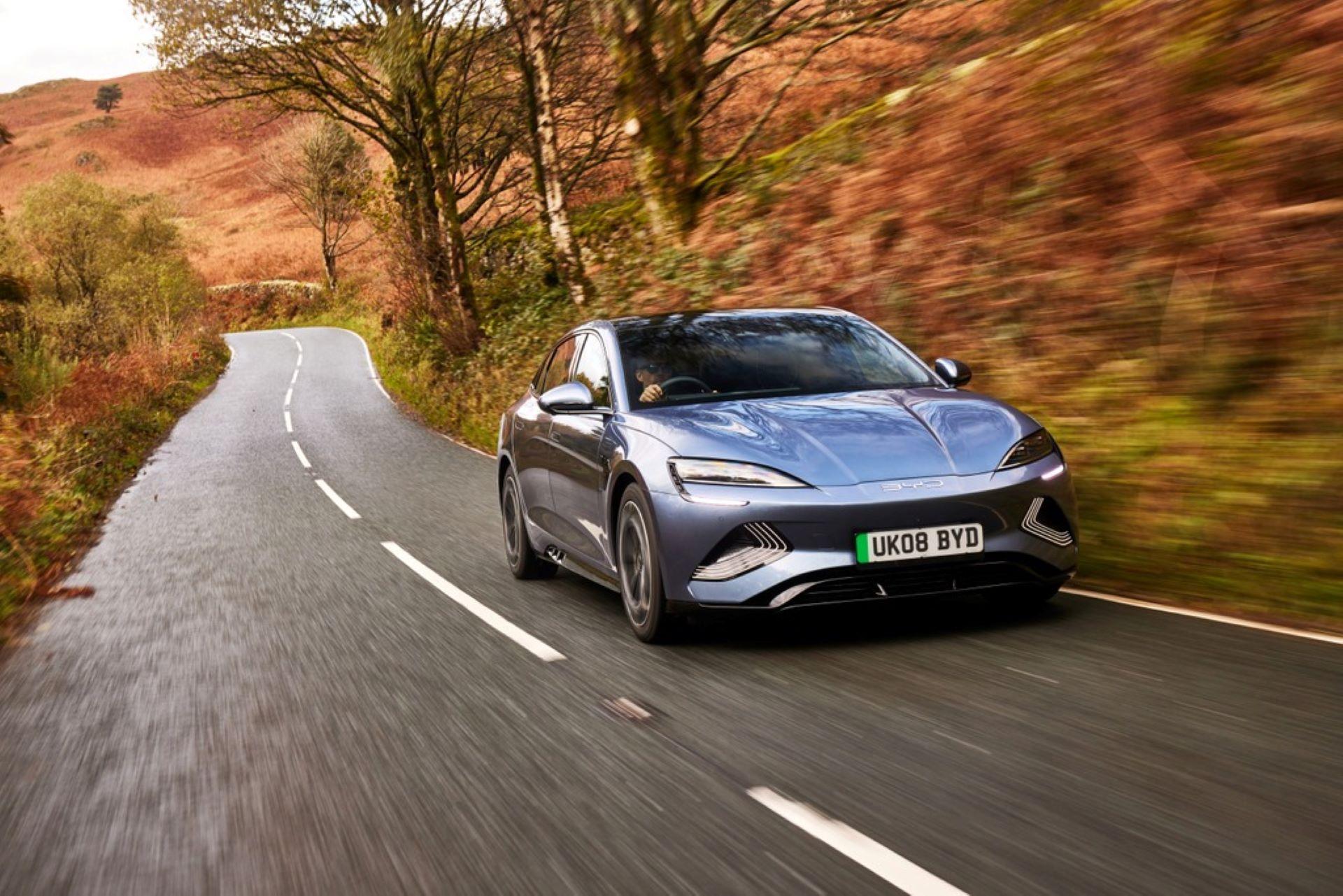
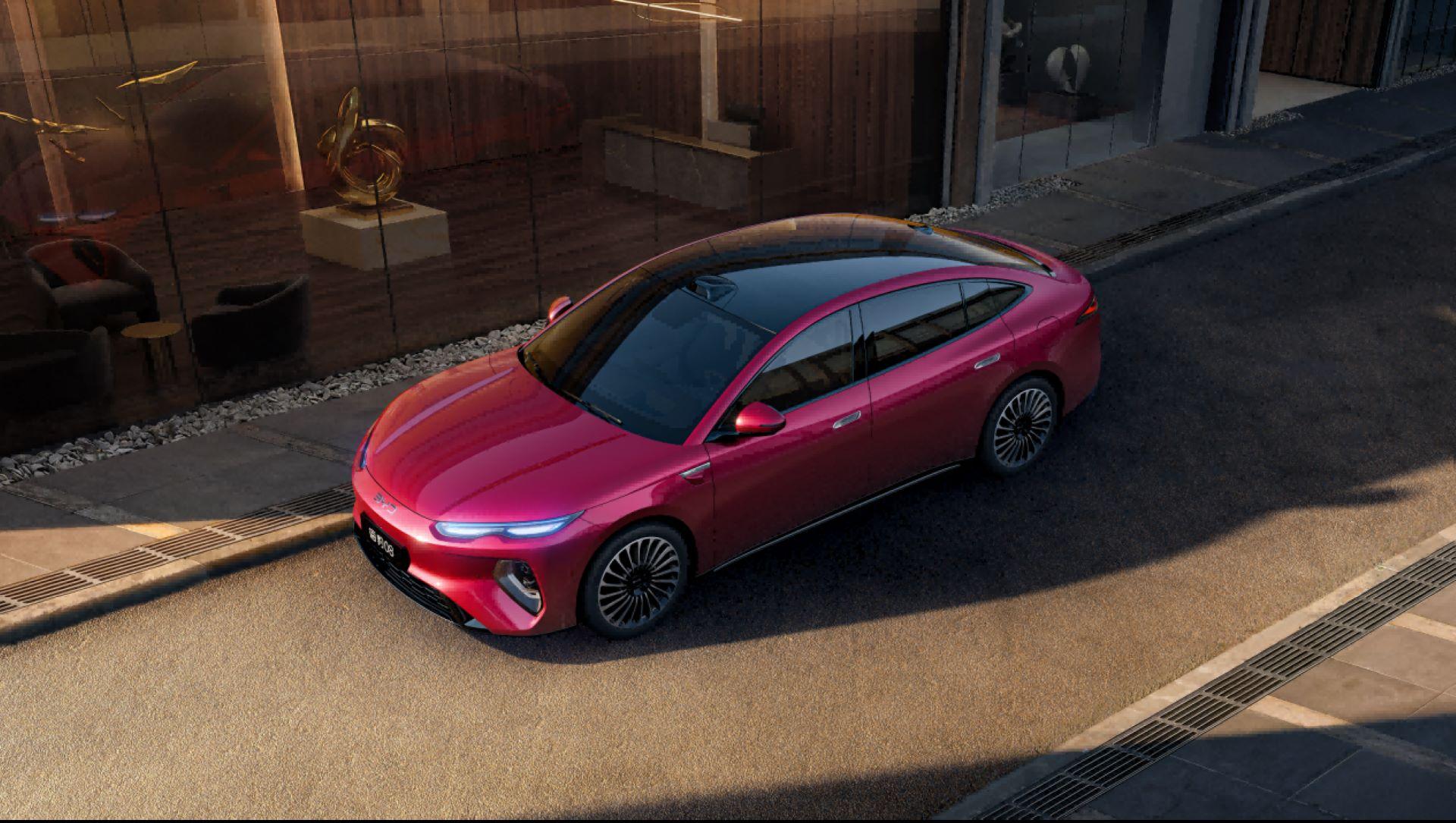
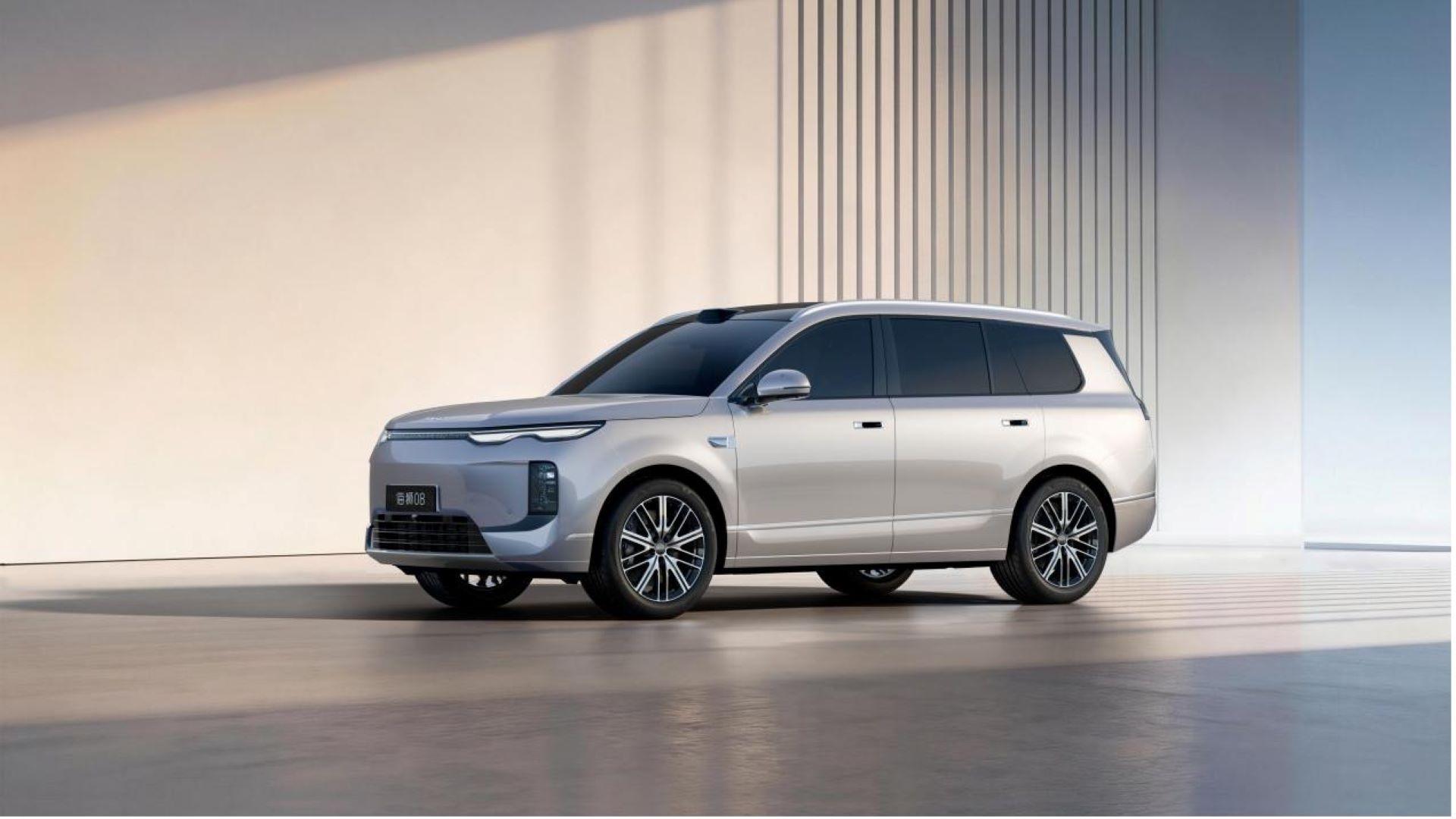
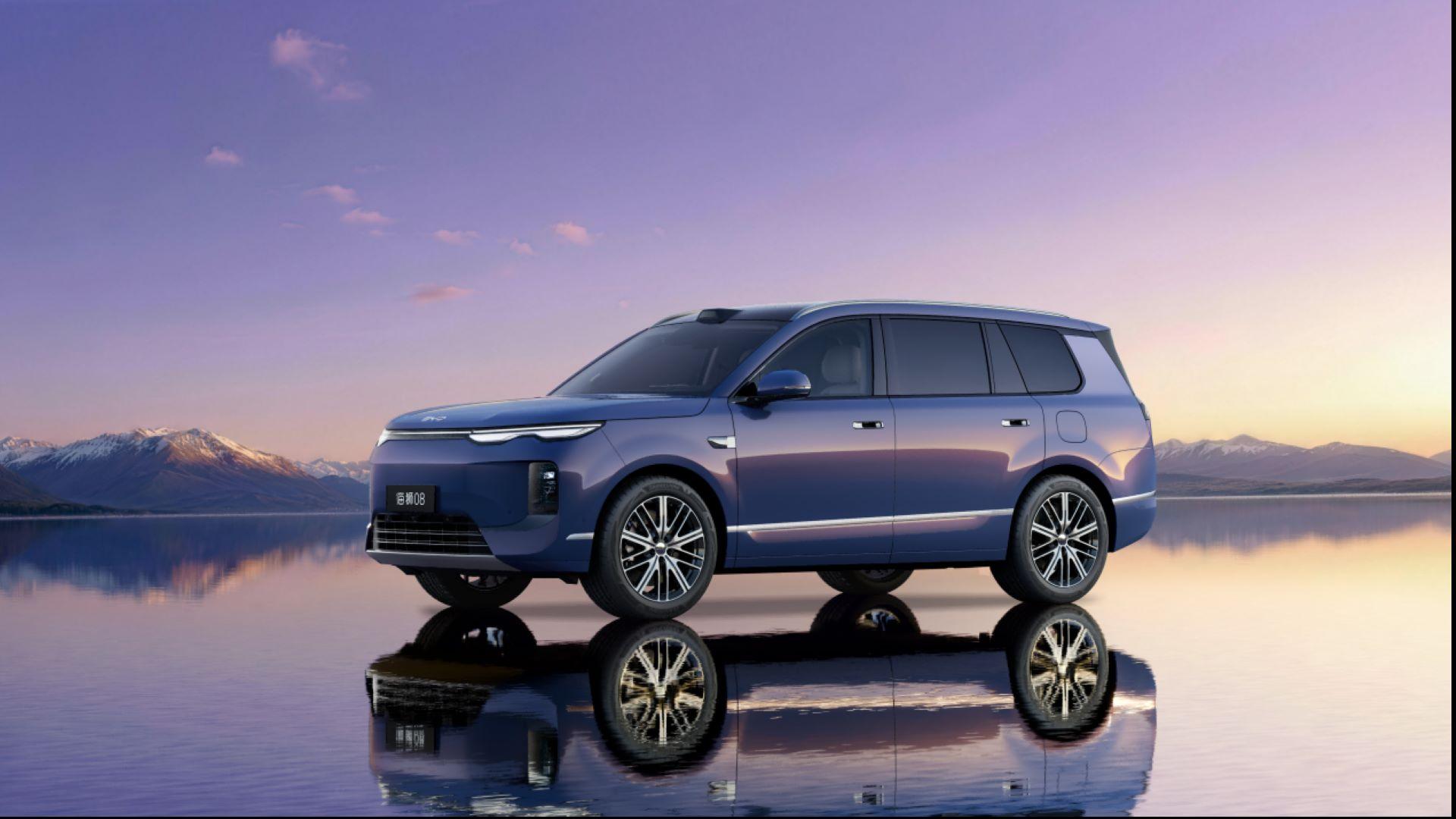
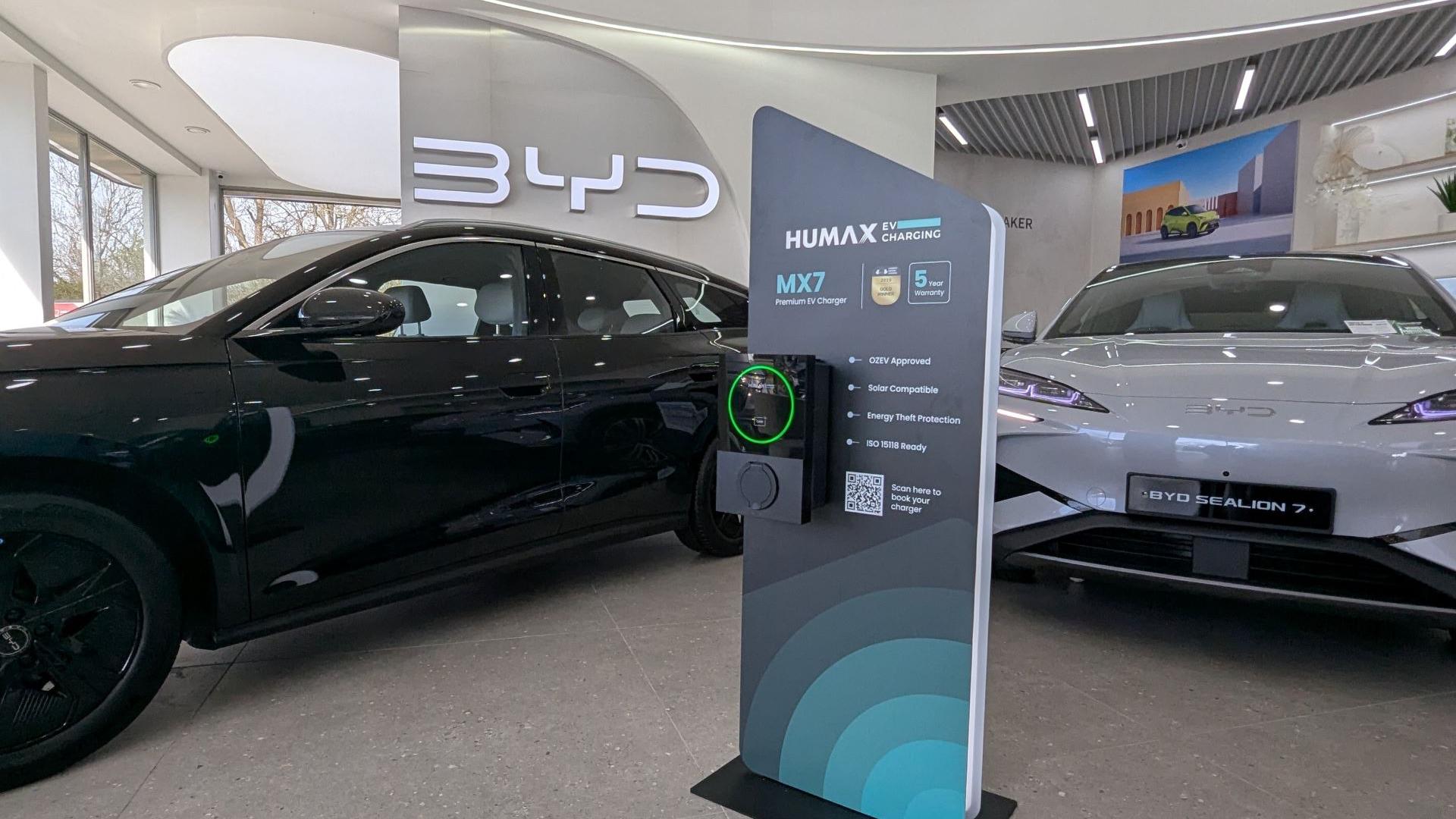
Announced on 8 April 2026, the collaboration brings a fully integrated home charging solution directly into the showroom experience for BYD customers across the United Kingdom. Instead of treating home charging as a separate purchase that follows the excitement of a new vehicle, the Humax MX7 charger and its installation can now be bundled neatly into the same financial package as the car itself. It is a small structural shift with significant implications, transforming the EV purchase from a two-step process into something closer to a turnkey experience.
At the heart of this offering is accessibility. Starting from £999 including standard installation, the package is available across all six Harmony Automotive showrooms, and crucially, it can be folded into Personal Contract Purchase agreements or other finance options. This means buyers, whether private motorists or fleet operators, can spread the cost of their charging infrastructure alongside their monthly vehicle payments. The psychological barrier of a lump-sum installation fee quietly disappears, replaced by a more digestible, predictable expense.
This approach reflects a growing recognition within the automotive sector that infrastructure is not an accessory to electrification but its backbone. Without convenient and reliable home charging, even the most advanced electric vehicle risks becoming an incomplete solution. By embedding the charger into the purchase process, Humax and Harmony Automotive are effectively closing that loop at the point of sale.
The Humax MX7 itself plays a central role in elevating the proposition beyond mere convenience. A recipient of the 2025 London Design Awards Gold, the unit blends technical sophistication with a design that simplifies installation and day-to-day use. It incorporates smart vehicle recognition to prevent unauthorised access, addressing concerns around energy theft that have become more relevant as residential charging becomes widespread.
Future readiness is another defining characteristic. With ISO 15118 compatibility, the MX7 is positioned to support Vehicle-to-Grid functionality as the technology matures, allowing cars to feed energy back into the grid. This is complemented by solar integration capabilities, enabling households to harness renewable energy for charging, effectively turning a driveway into a small node within a broader clean energy ecosystem.
Control sits comfortably in the user’s pocket. Through the Humax Smart App, drivers can schedule charging sessions, monitor real-time energy usage and activate features like Auto Solar Mode, aligning charging behaviour with energy availability and cost efficiency. It is a subtle but important shift from passive consumption to active energy management, reflecting the evolving relationship between drivers and their vehicles.
Reliability and support underpin the offering. A five-year warranty paired with continuous UK-based customer assistance ensures that the technology is not only advanced but dependable. In a market where early adopters have often navigated inconsistent service experiences, this level of assurance adds weight to the proposition.
For Humax, the partnership signals a strategic move to embed its hardware within the broader EV ecosystem rather than competing as a standalone product. As Jeff Kim, president of Humax, notes, the goal is to create a genuine one-stop-shop experience where customers leave the showroom with every aspect of their transition to electric driving already in place.
Harmony Automotive’s perspective aligns closely with this vision. By integrating a premium charging solution into its offering, the dealership network enhances the overall customer journey, removing complexity and reinforcing the appeal of BYD’s technology-driven vehicles. It is an acknowledgement that the modern car purchase extends beyond the vehicle itself and into the infrastructure that supports it.
The timing of this initiative is notable. As EV adoption accelerates, the industry is moving beyond early adopters and into a broader, more pragmatic audience. These buyers are less interested in experimentation and more focused on ease, reliability and value. By eliminating friction at a critical point in the ownership journey, partnerships like this one could play a decisive role in sustaining momentum.
Ultimately, what Humax and Harmony Automotive have introduced is not just a bundled product but a reframing of the EV purchase experience. It replaces uncertainty with clarity, fragmentation with cohesion, and complexity with a kind of quiet, well-engineered simplicity. For consumers stepping into electric mobility, that may prove to be just as compelling as the vehicles themselves.