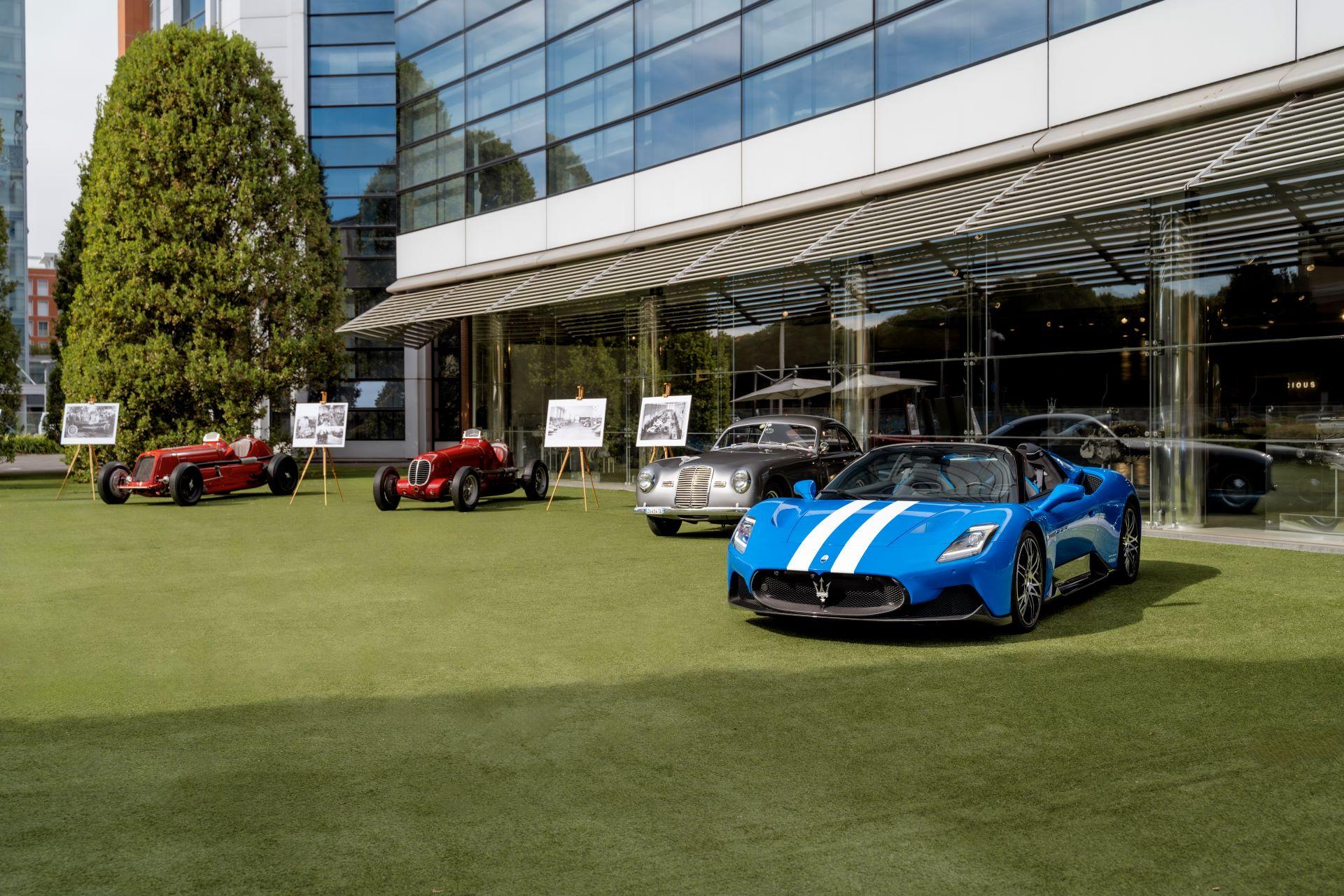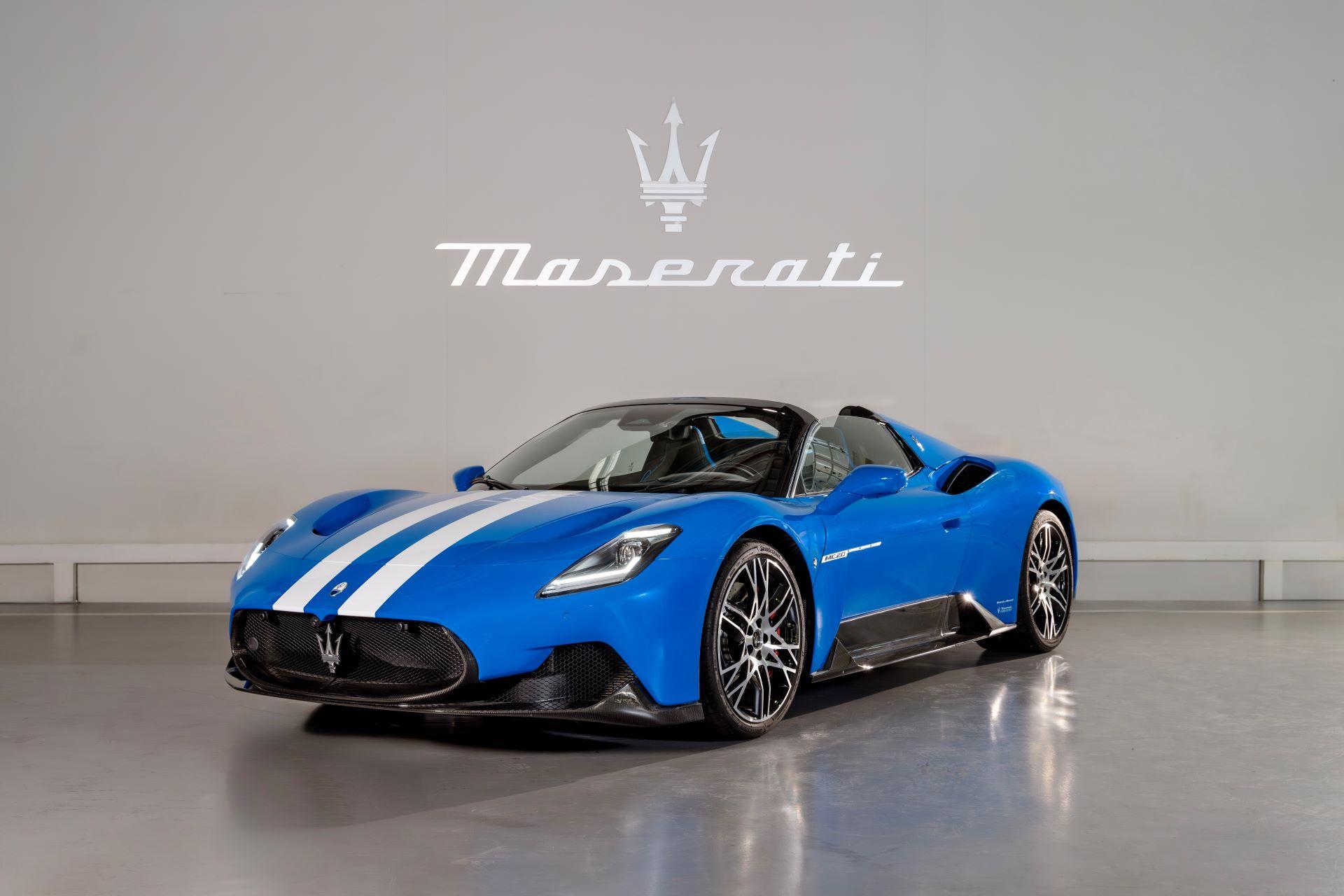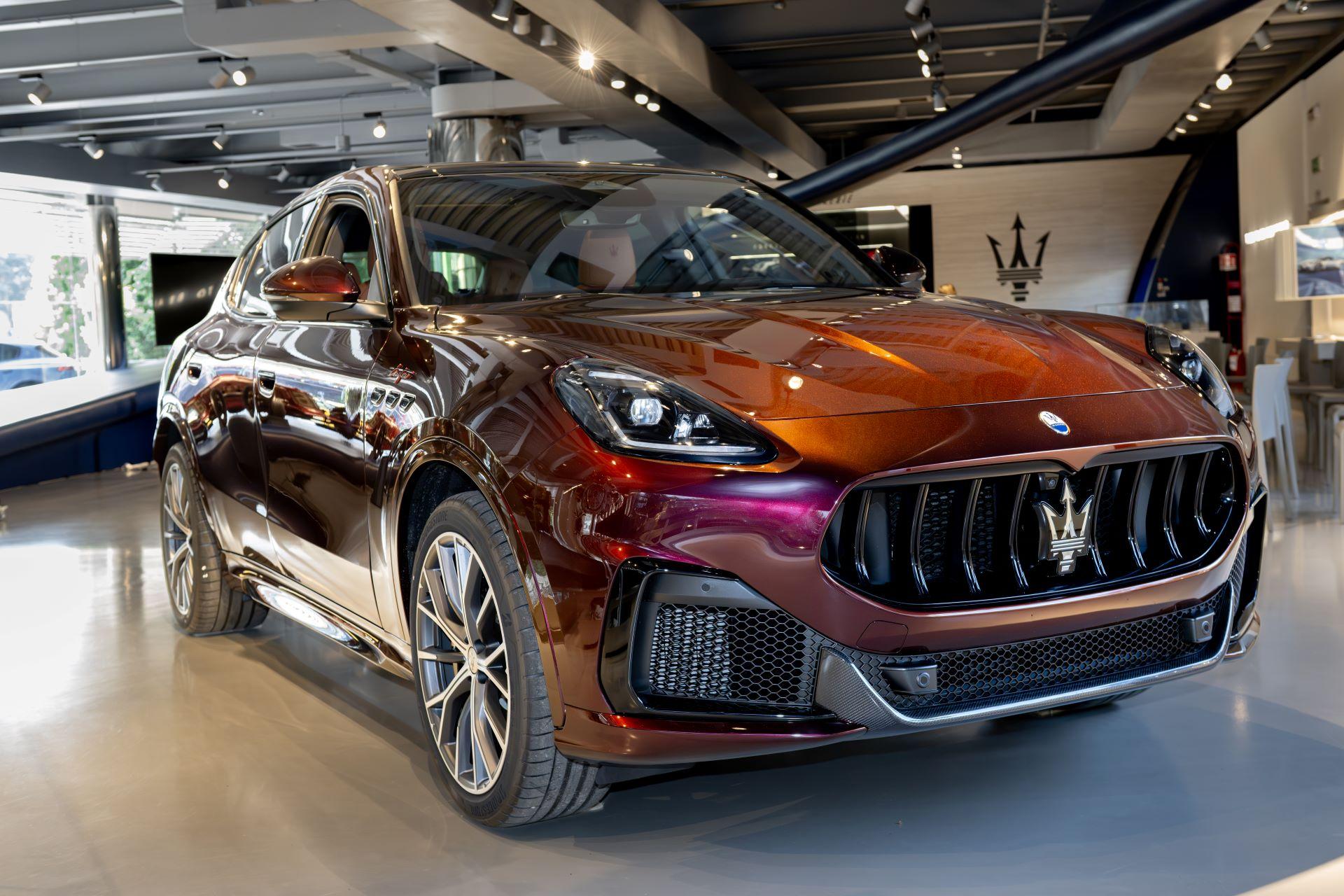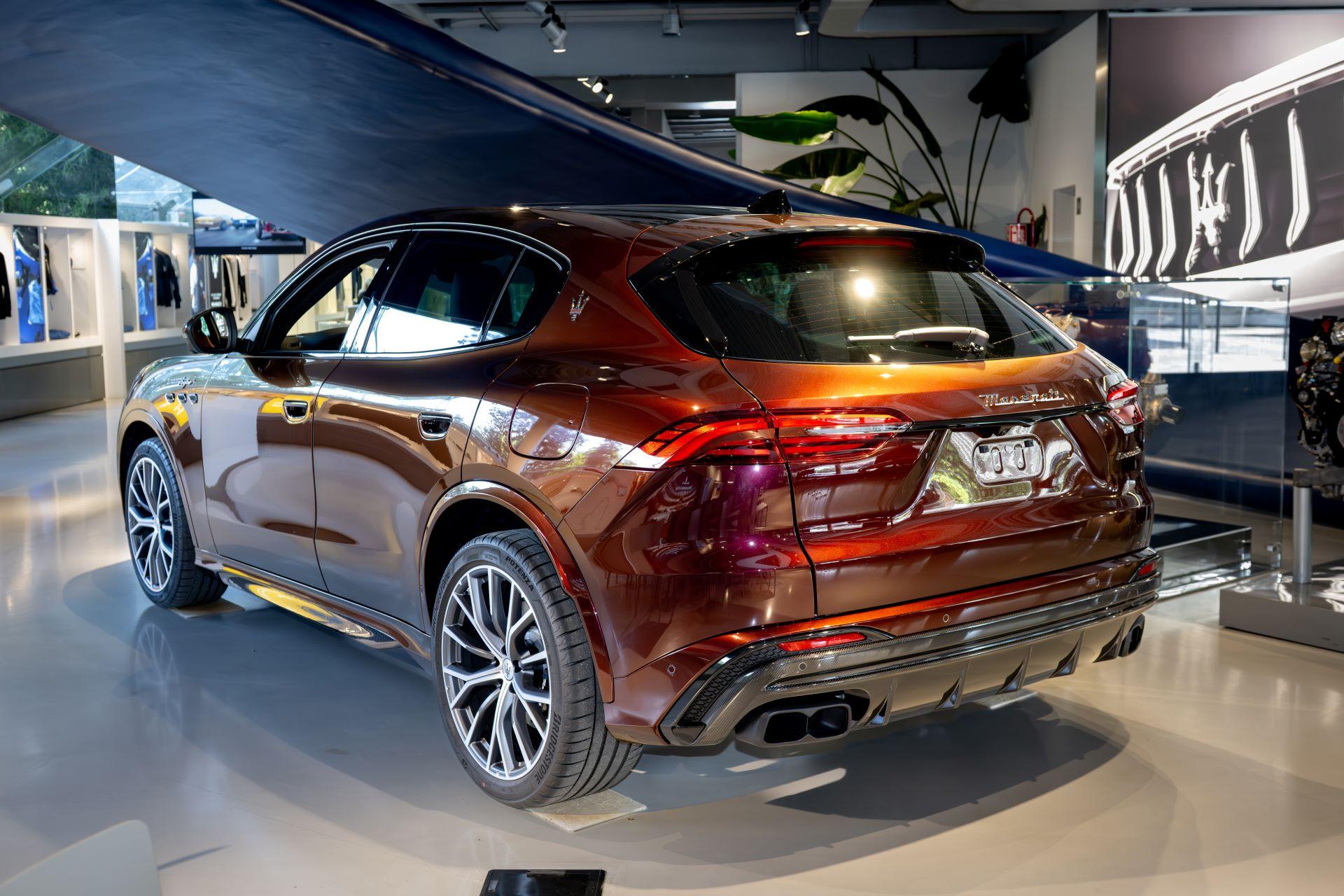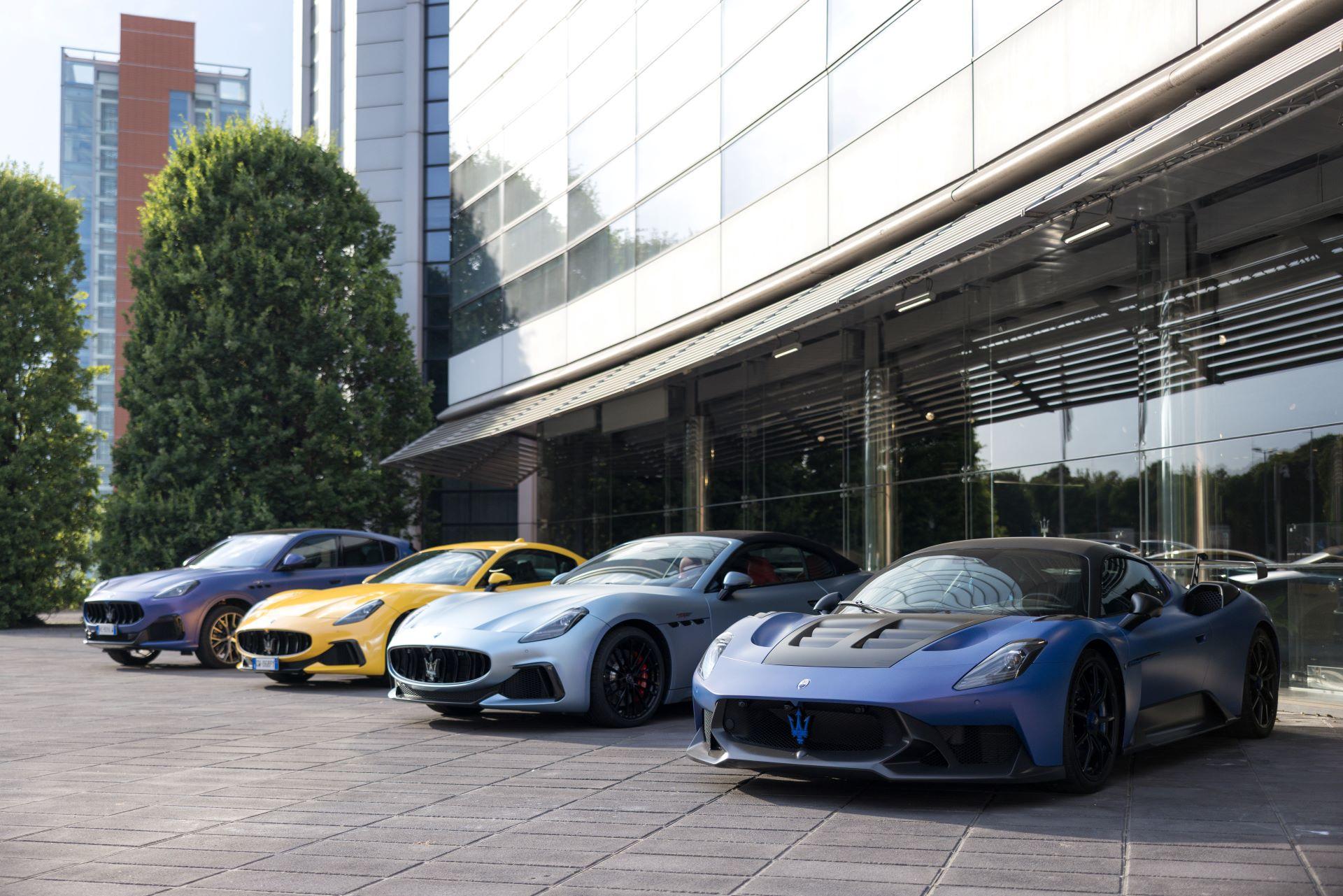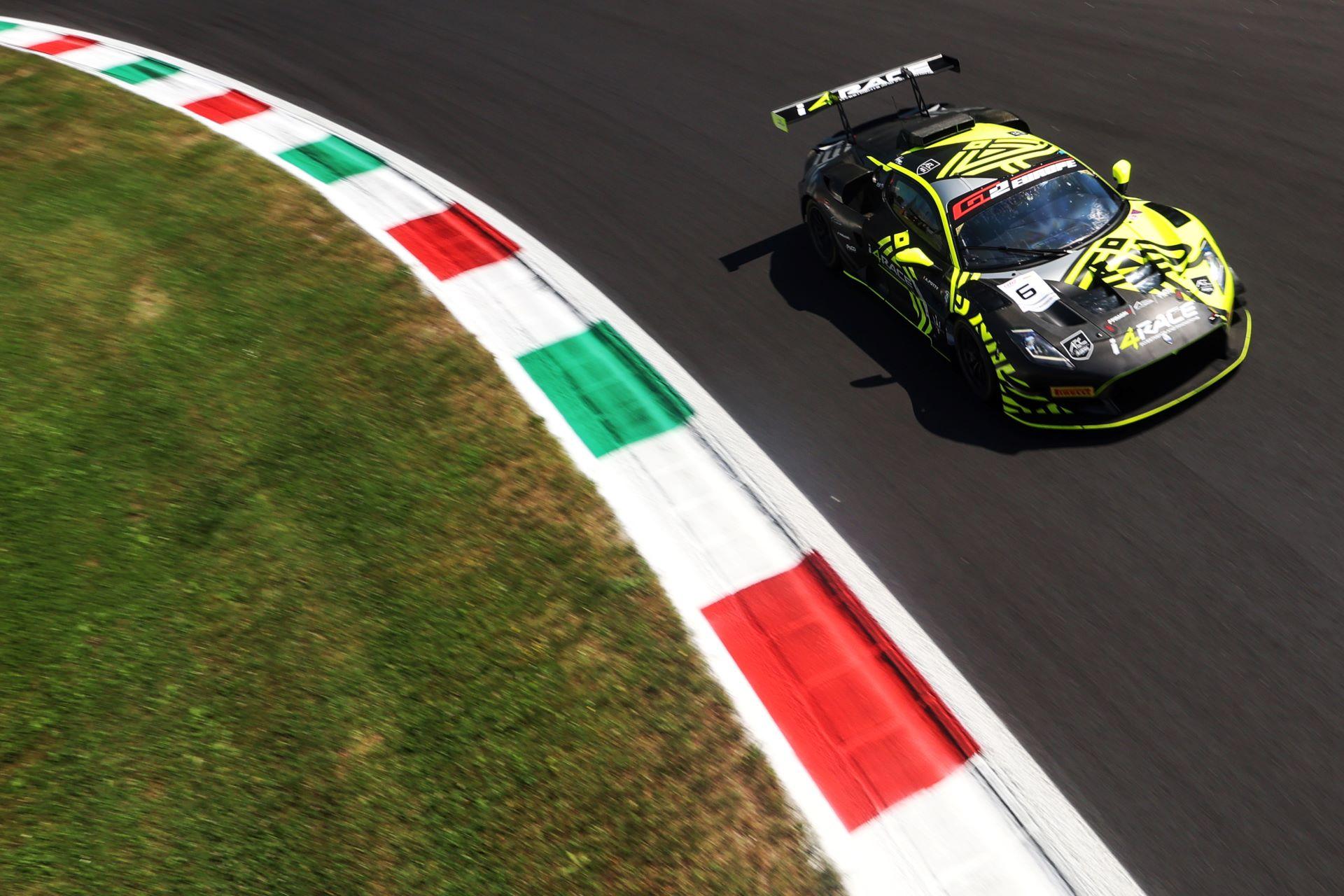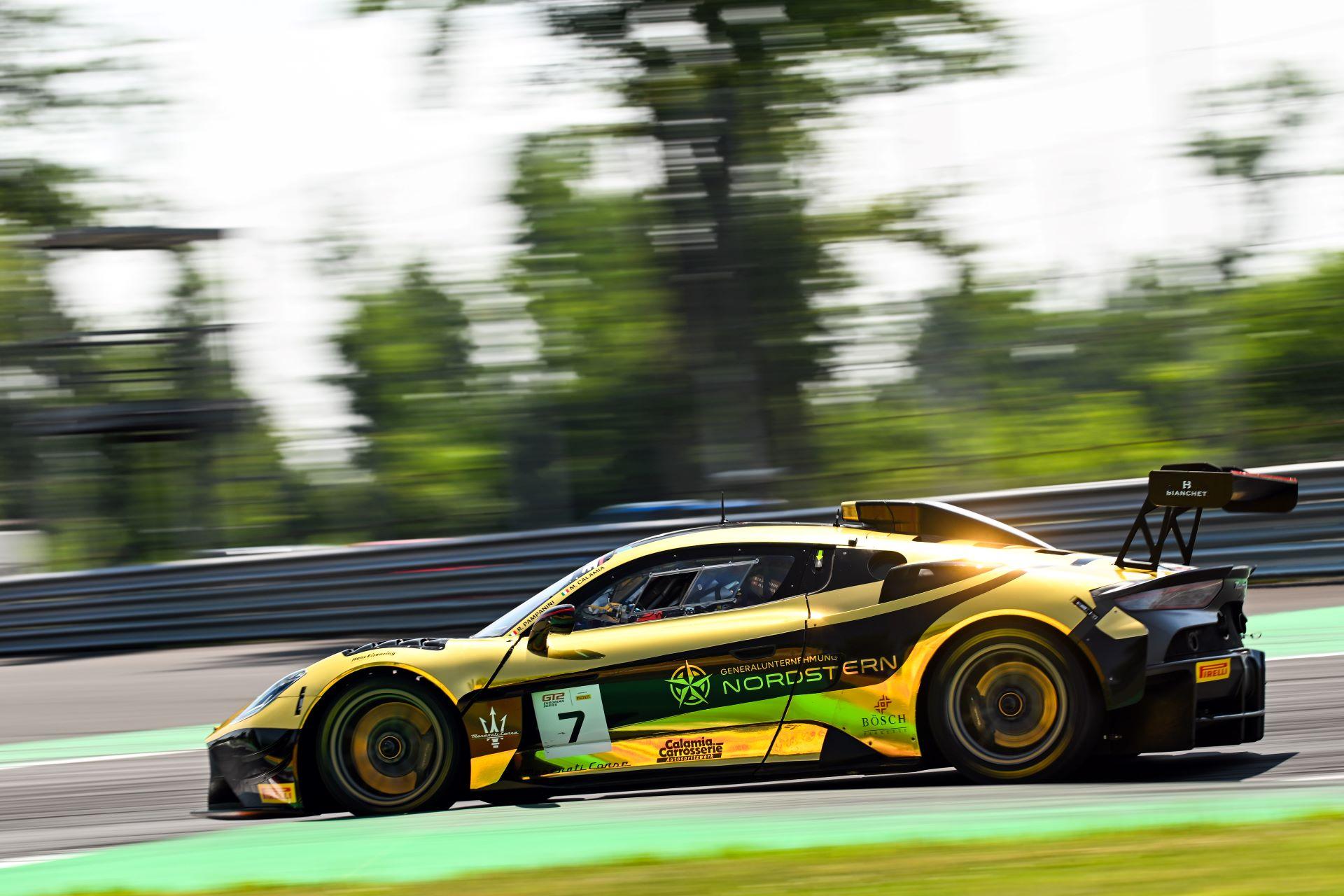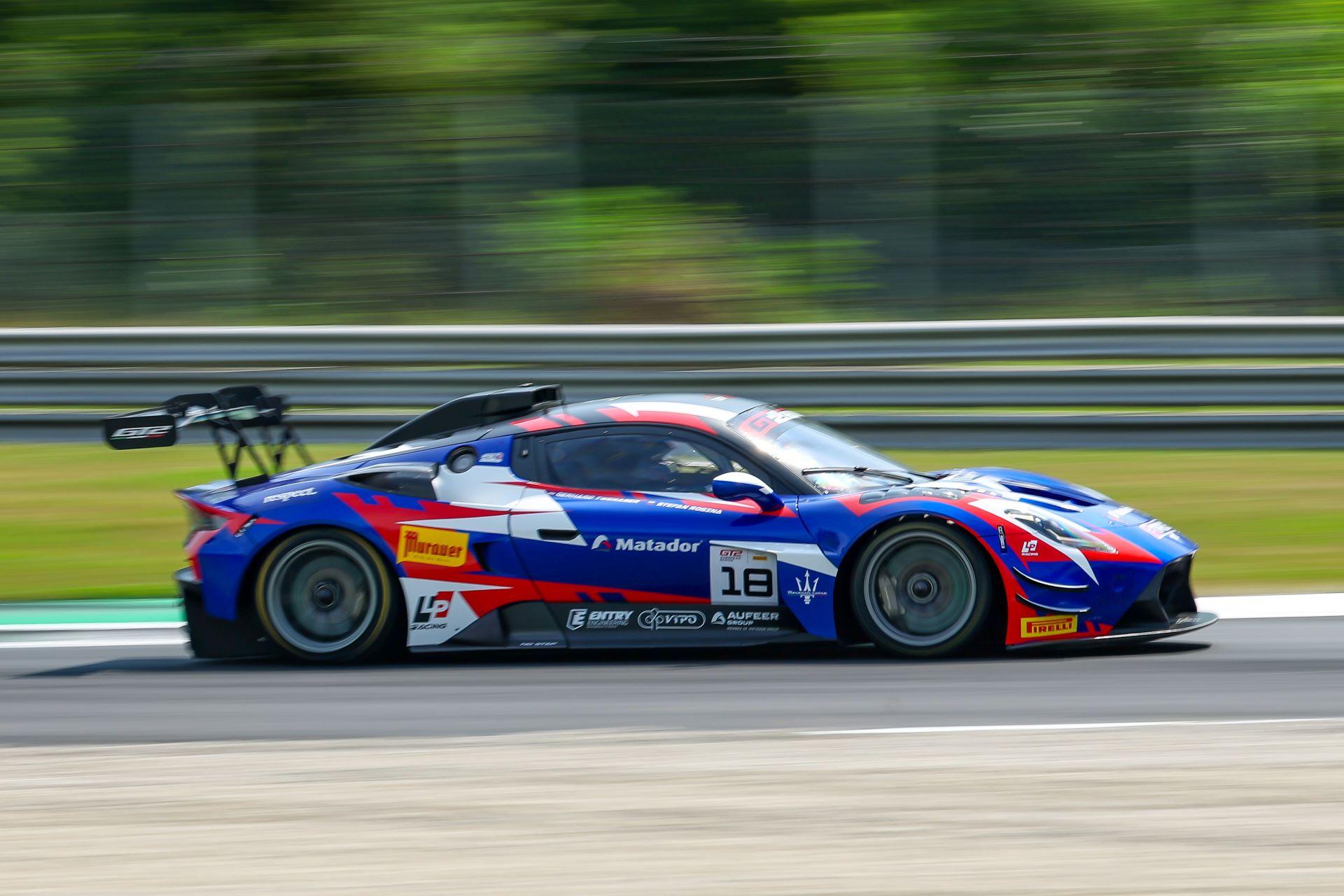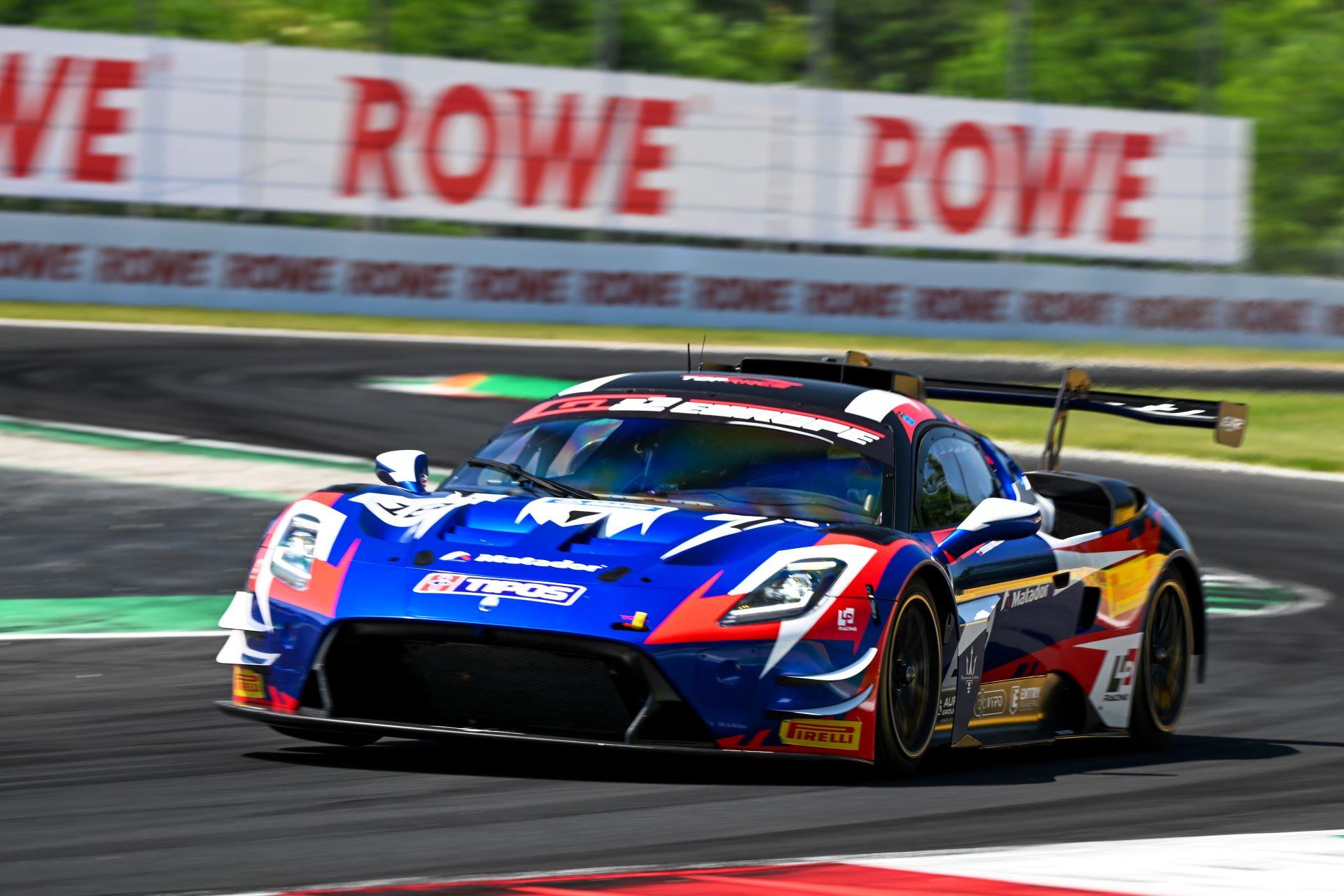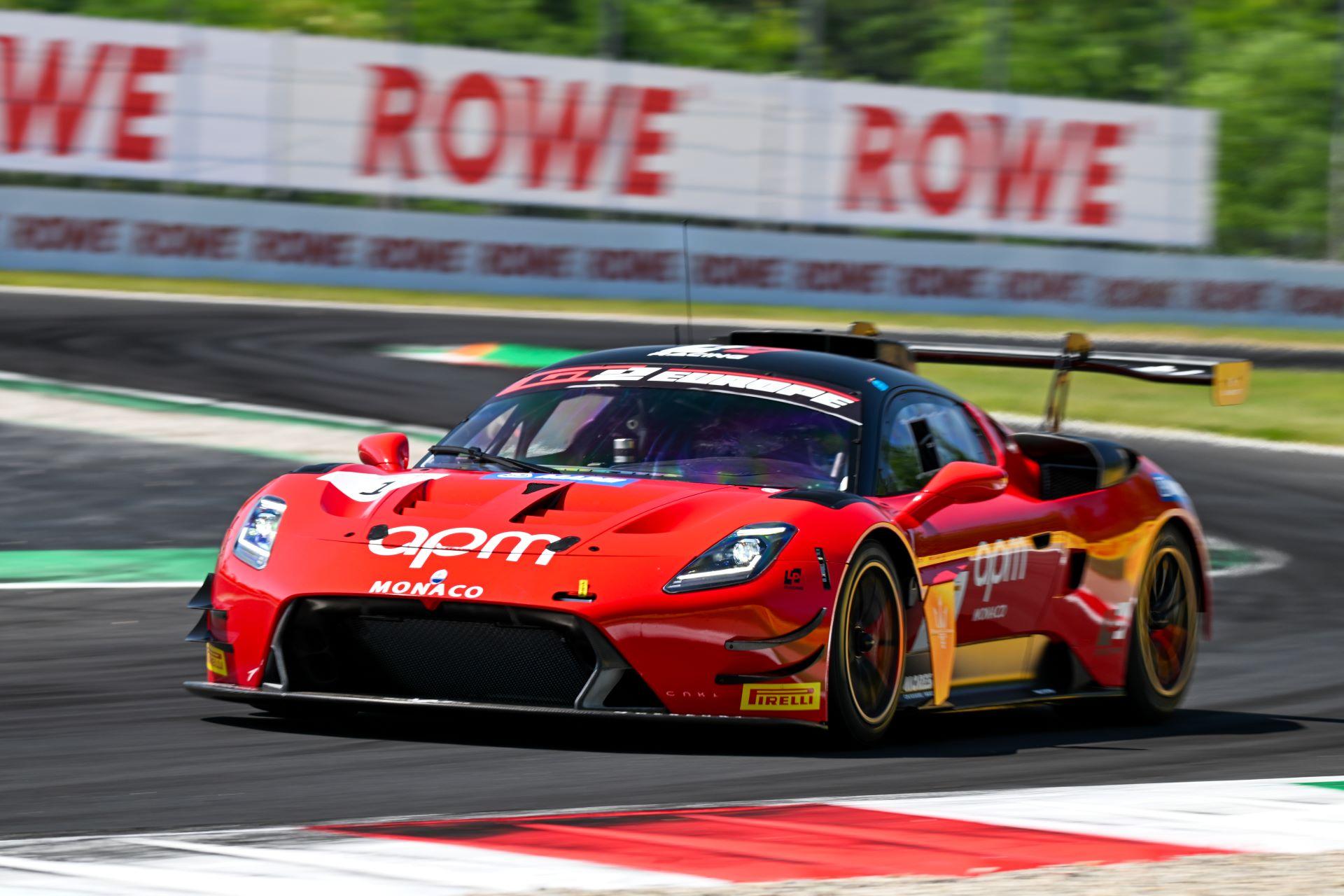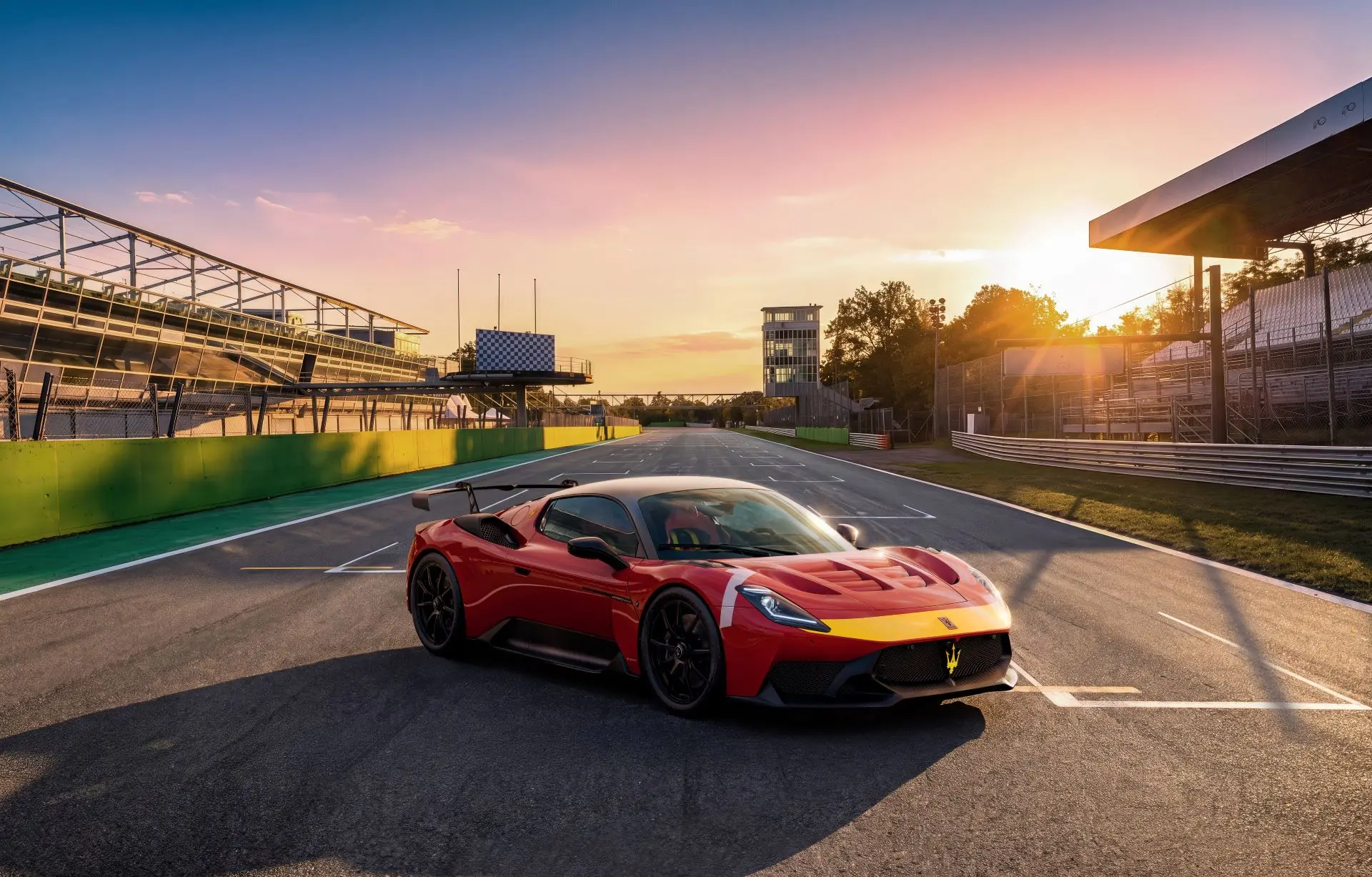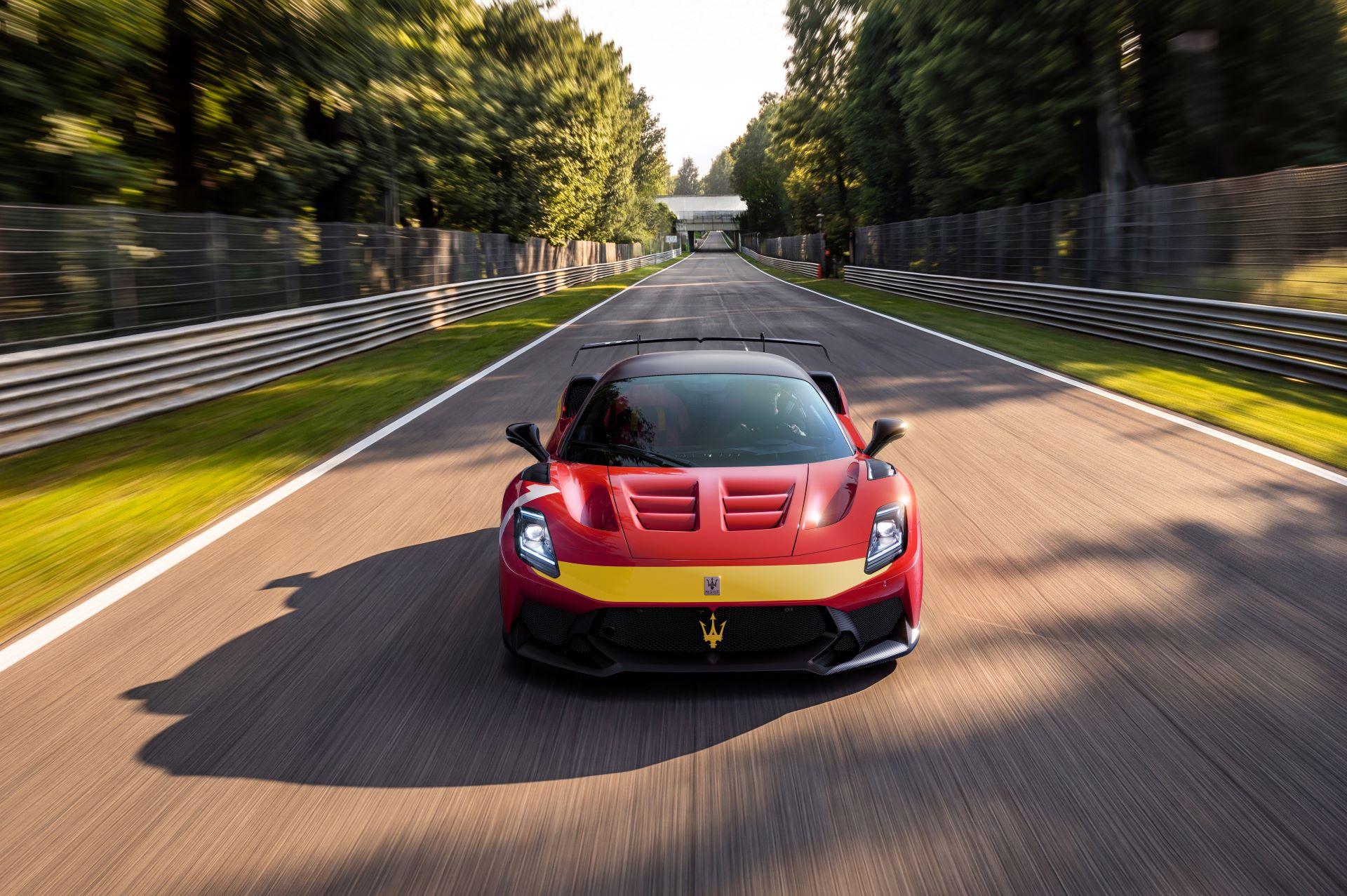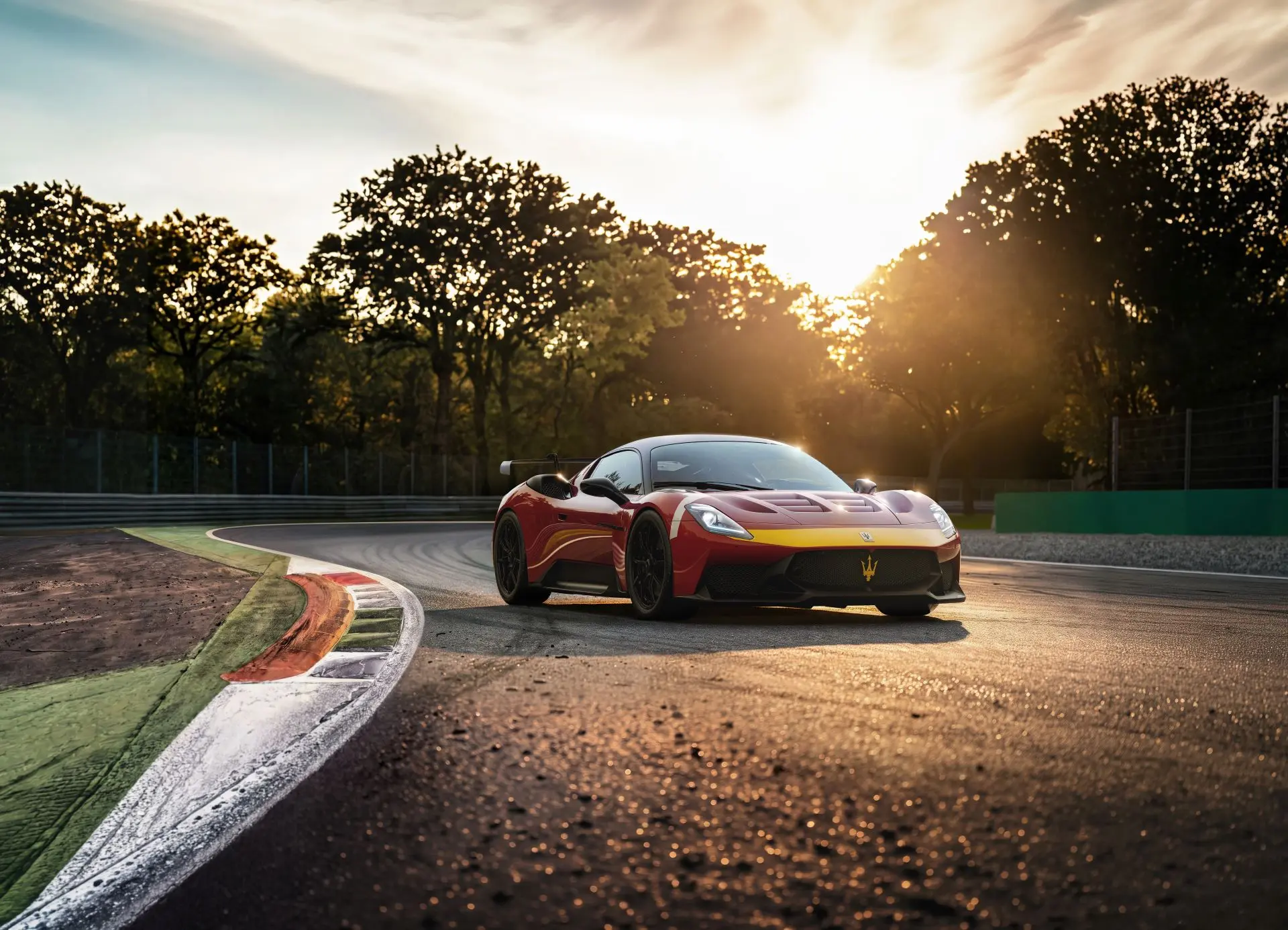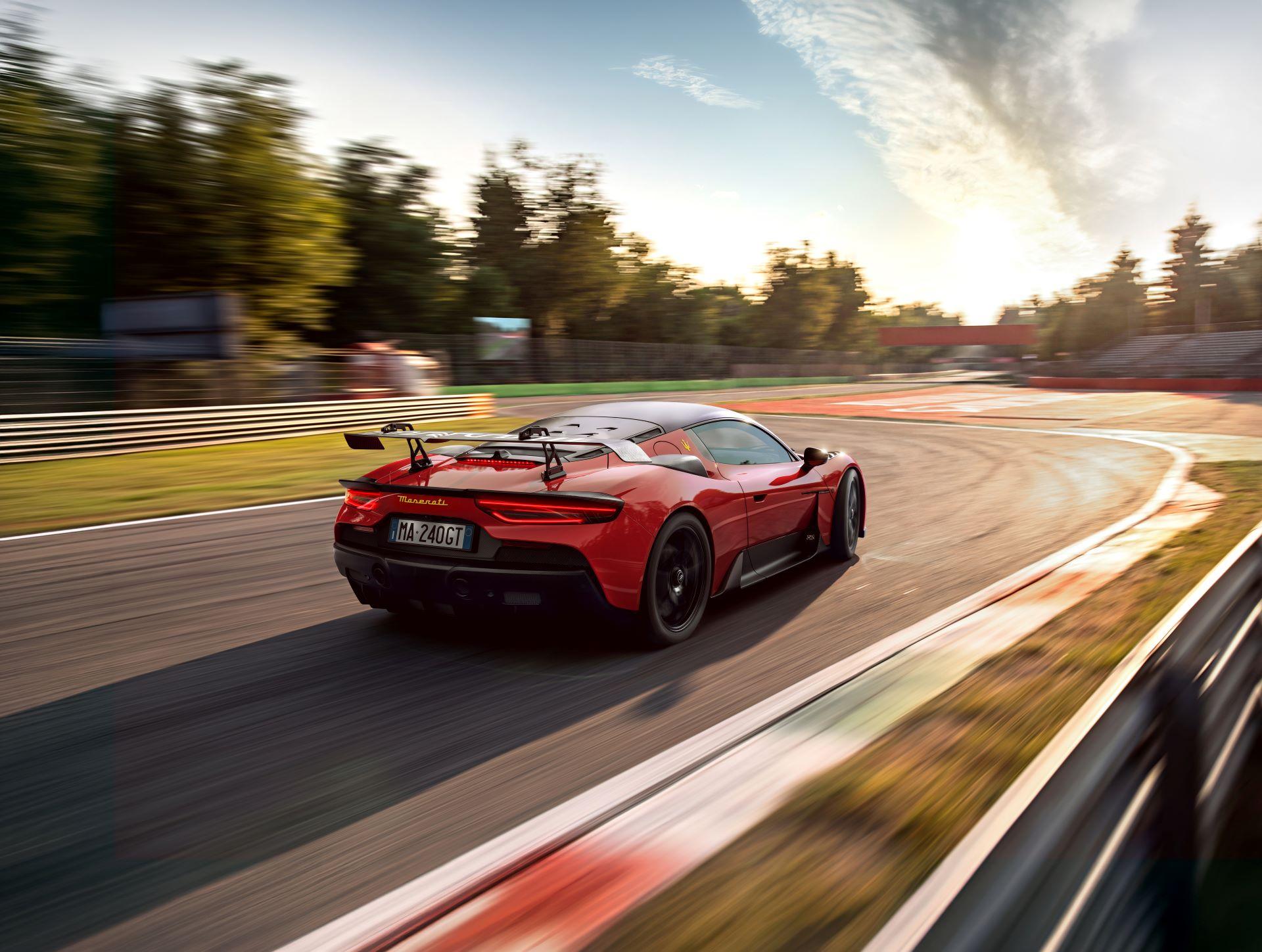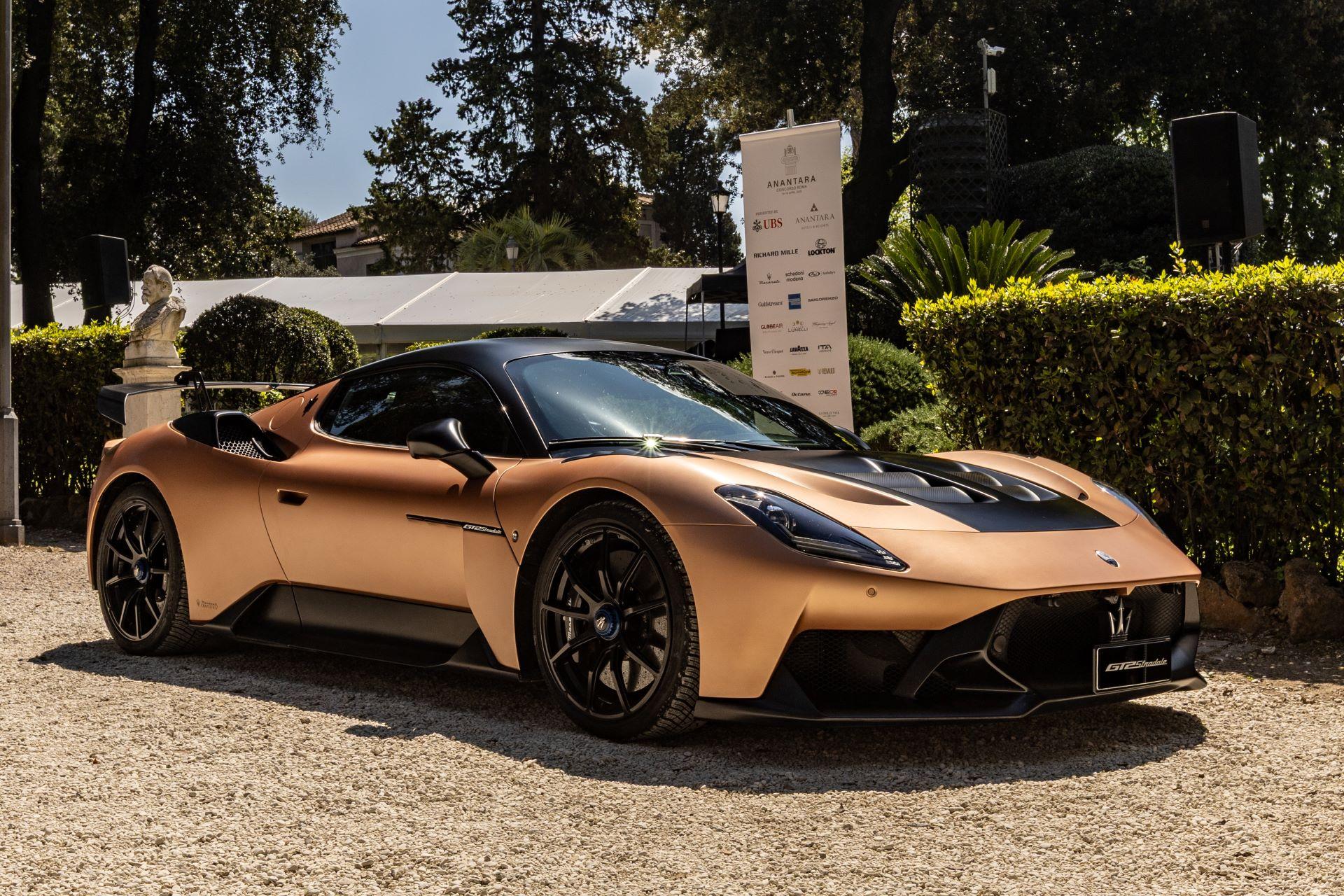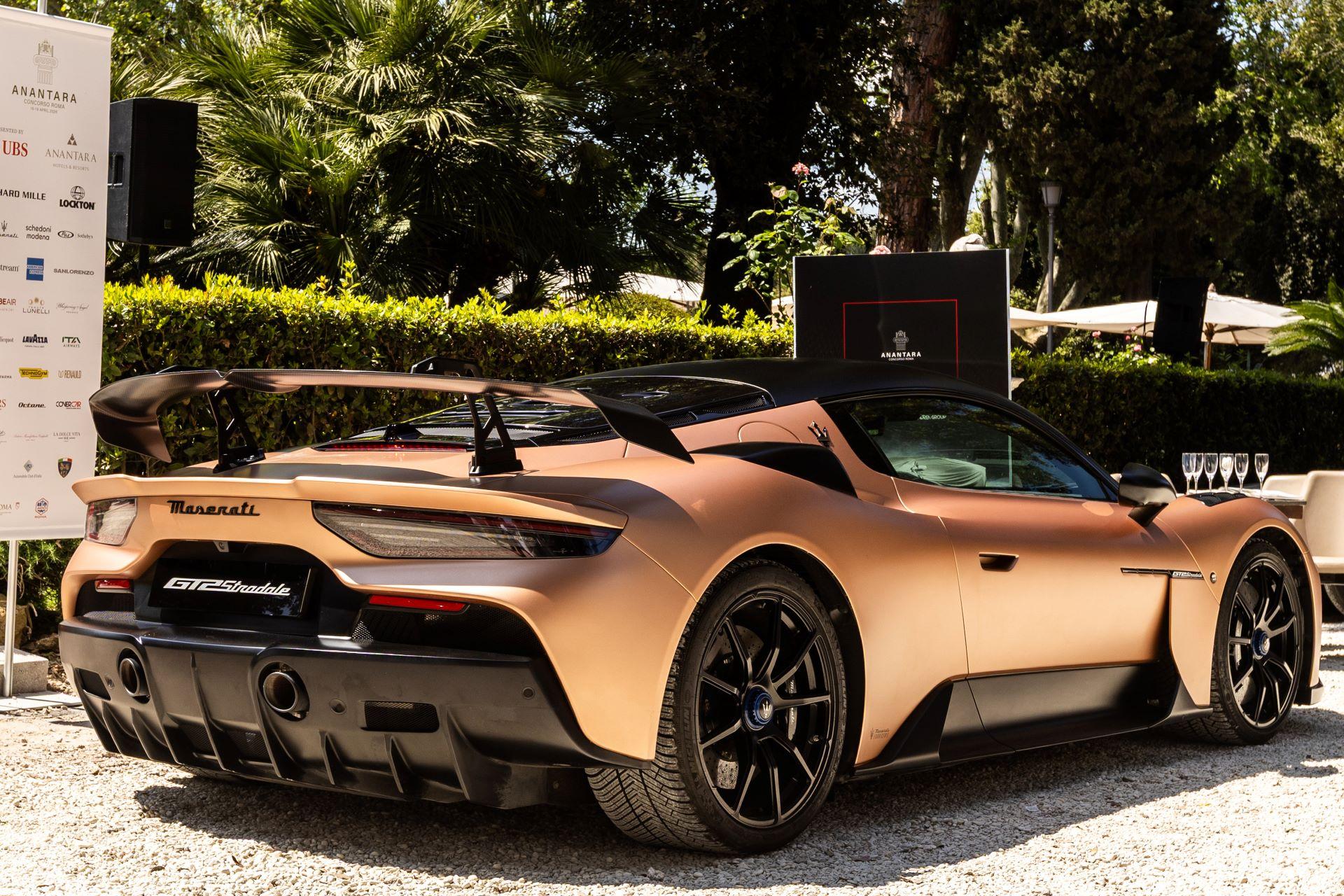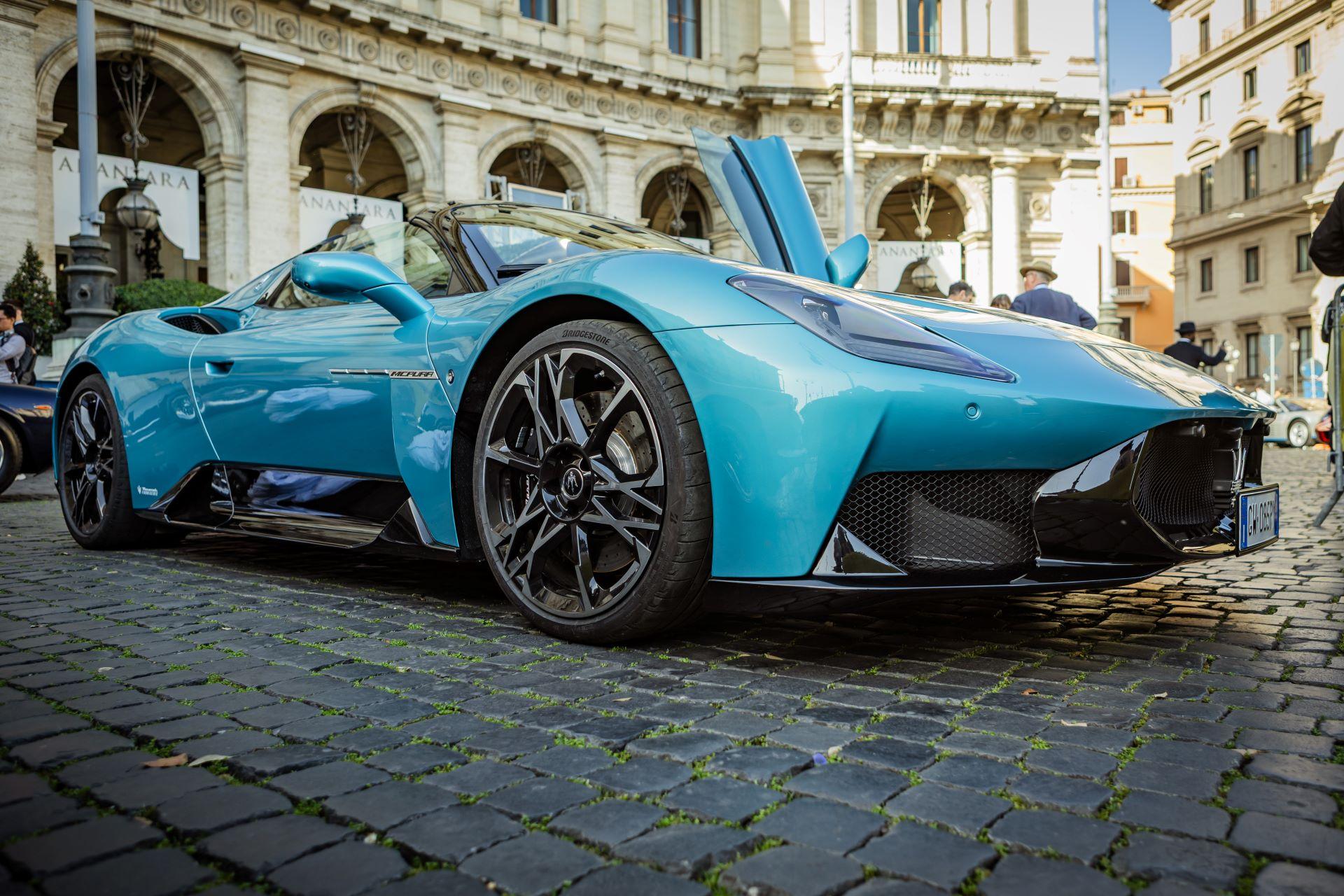



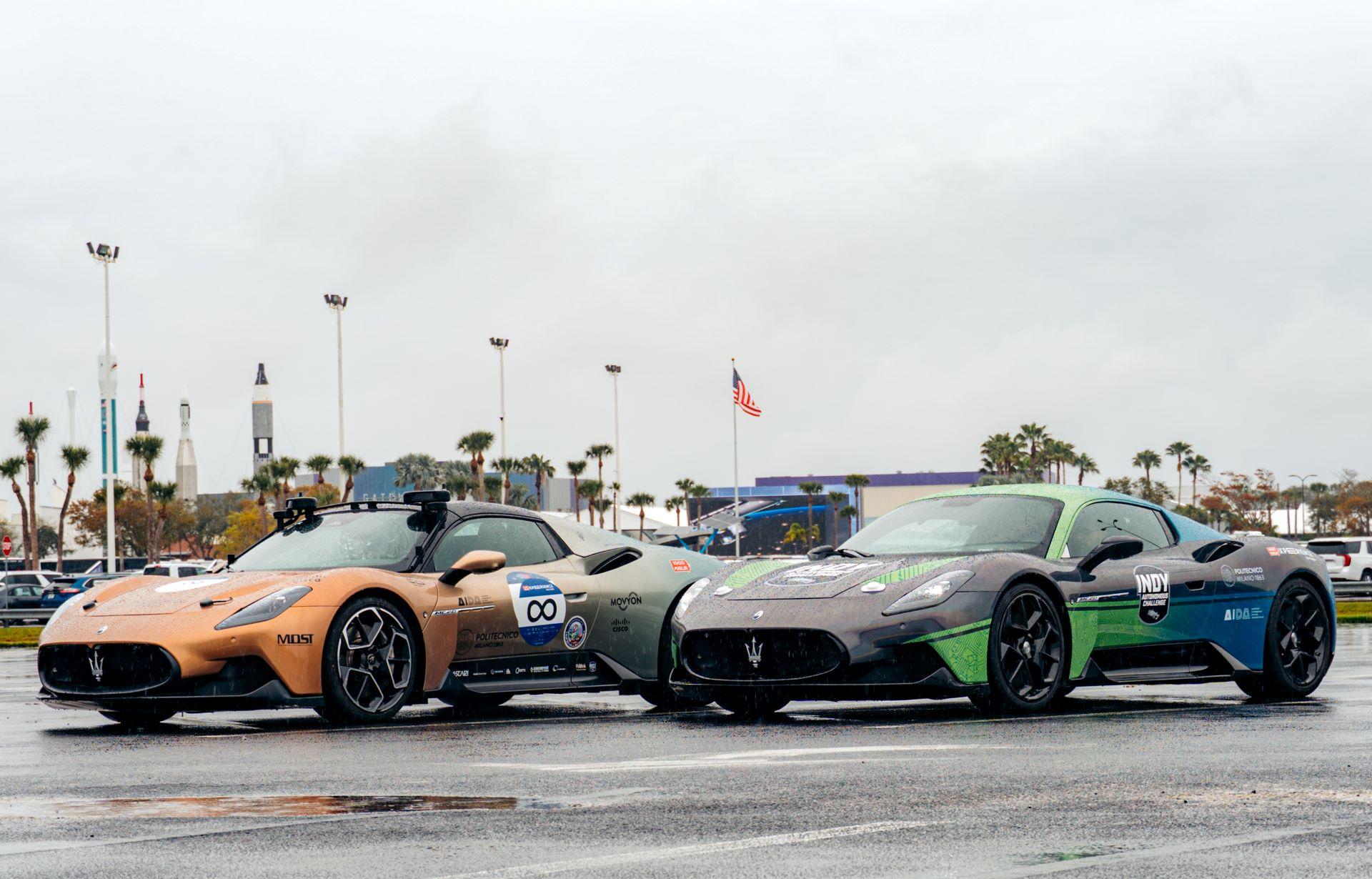
Cape Canaveral, Fla. – March 3, 2025 – In a groundbreaking achievement for autonomous mobility, the AI-driven Maserati MC20 Coupé, developed by Politecnico di Milano in collaboration with the Indy Autonomous Challenge (IAC), has set a new world record for autonomous speed, reaching 197.7 mph (318 km/h). This milestone was achieved at the Space Florida Launch and Landing Facility (LLF) at Kennedy Space Center during the 1000 Miglia Experience Florida.
A New Benchmark in Autonomous Racing
Politecnico di Milano’s AI driver software, developed under the AIDA (Artificial Intelligence Driving Autonomous) project, has once again pushed the boundaries of autonomous technology. The record-breaking speed surpassed the previous 192.8 mph record set in April 2022 at the same location. This accomplishment underscores the rapid advancements in AI-driven vehicular control, particularly at extreme speeds, further bridging the gap between autonomous racing and real-world transportation applications.
“The importance of these world records goes beyond sheer speed,” stated Paul Mitchell, CEO of Indy Autonomous Challenge and Aidoptation BV. “By testing AI-driver software and robotics hardware at the edge, we are paving the way for safer, more reliable, and high-speed autonomous mobility on highways.”
Harnessing Innovation in a Production Supercar
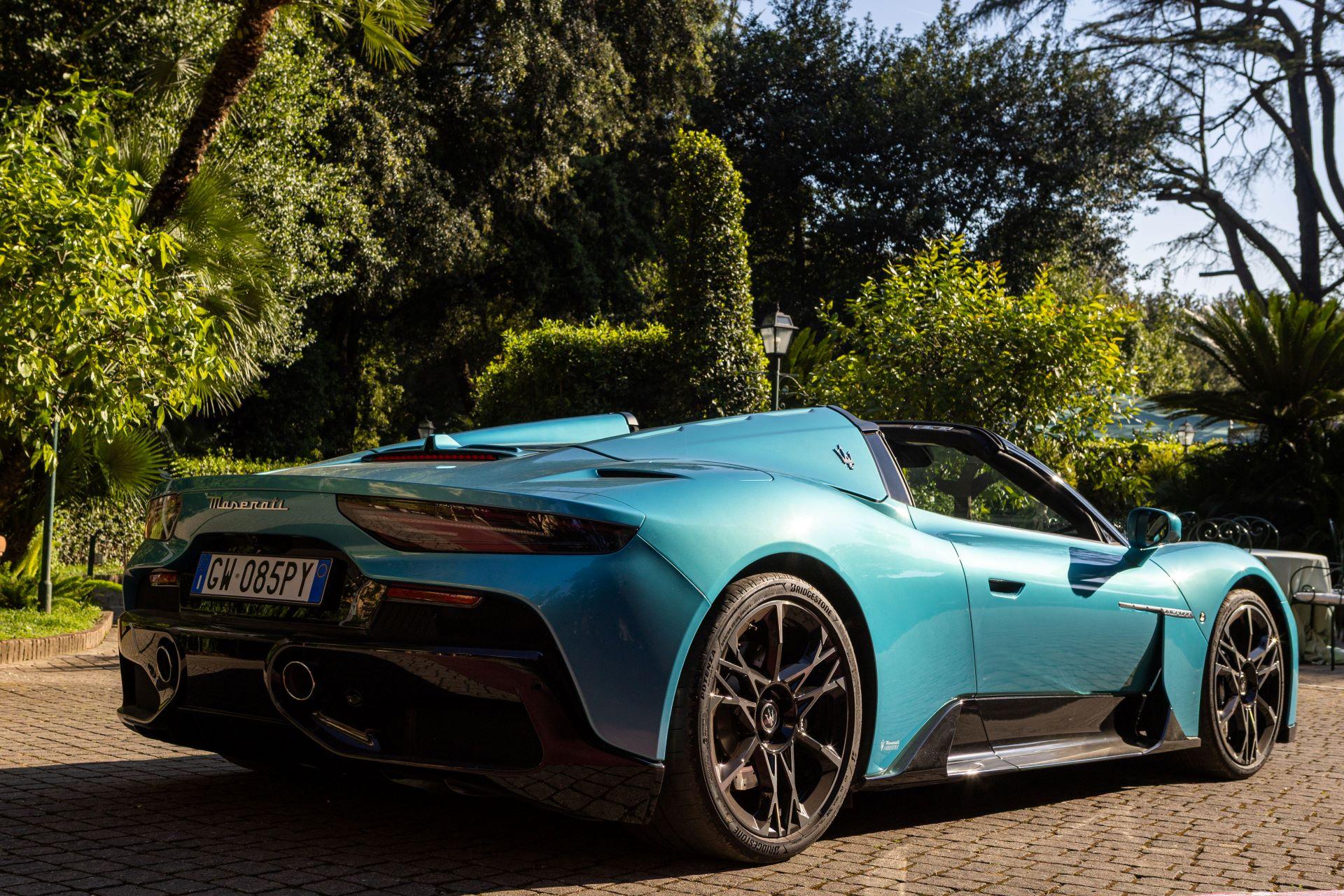
The Maserati MC20 Coupe used in the record-setting attempt was modified for autonomous operation while retaining its fundamental production specifications. Prior to this feat, the same vehicle held the record for the fastest autonomous production car, reaching 177 mph (285 km/h) at Piacenza Military Airport in November 2024. The latest accomplishment showcases how advancements in AI and robotics are being successfully integrated into high-performance road cars.
The AI-driven vehicle underwent extensive testing to ensure stability and responsiveness at extreme speeds. “Our goal with high-speed testing is to assess the behavior of AI-driven vehicles under extreme conditions,” explained Prof. Sergio Matteo Savaresi, Director of the Department of Electronics, Information, and Bioengineering at Politecnico di Milano. “The insights gained from these tests not only advance autonomous racing but also contribute to developing safer autonomous mobility solutions for urban environments.”
A Historic Setting for Autonomous Excellence
The Kennedy Space Center’s LLF, historically used for NASA’s Space Shuttle landings, provided the perfect setting for this technological milestone. With a 15,000-foot (2.8-mile) runway, it allowed the AI-driven Maserati MC20 to safely push the limits of autonomous speed, demonstrating the robustness of Politecnico di Milano’s algorithms in a real-world high-speed scenario.
A Continued Journey in Autonomous Innovation
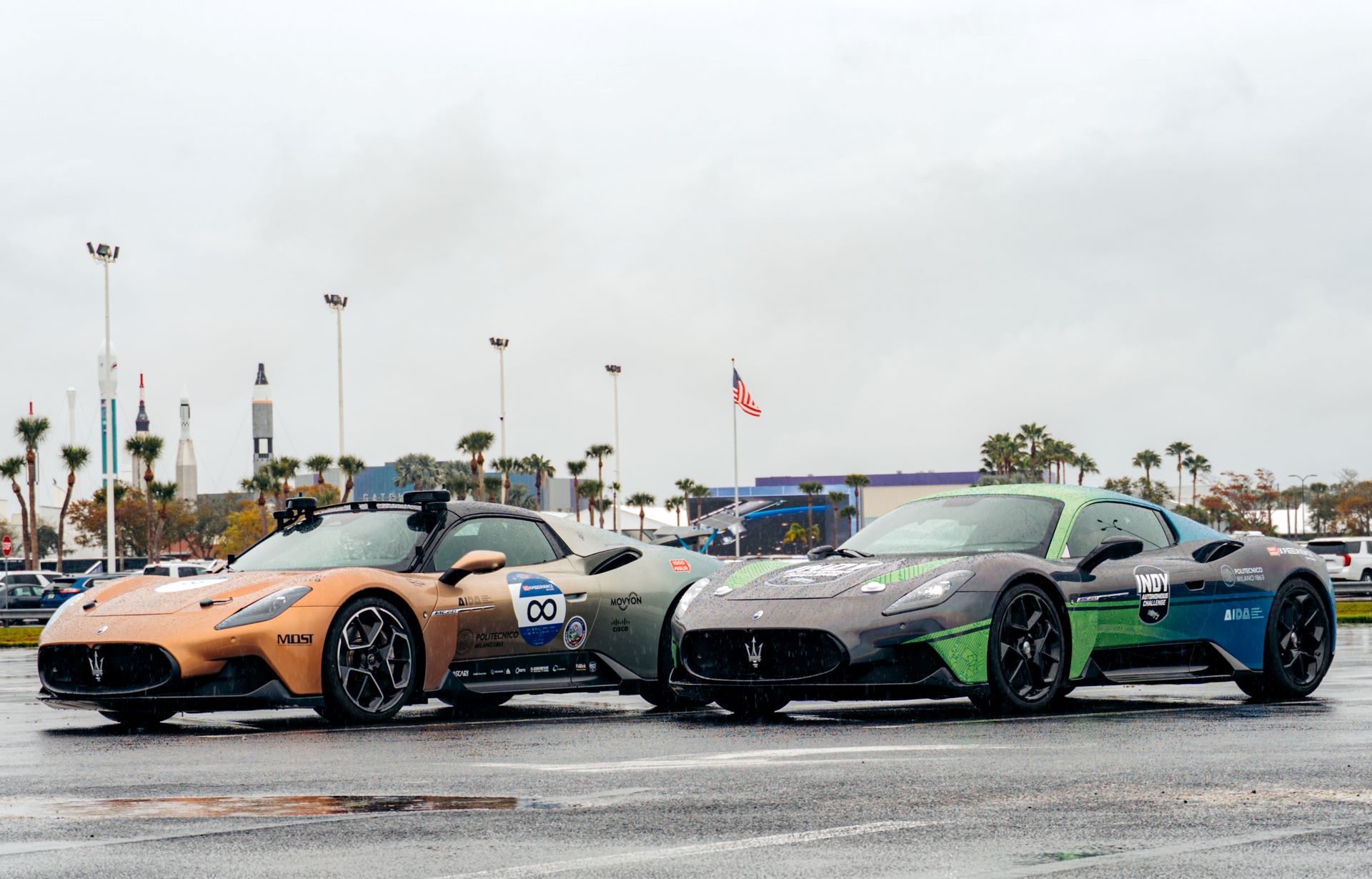
Following the record-breaking run, a second Maserati MC20 Cielo convertible continued its journey in the 1000 Miglia Experience Florida. This vehicle, which previously participated in the 2023 1000 Miglia across Italy in autonomous mode, now showcases Italian engineering excellence across the United States. The collaboration between IAC, Politecnico di Milano, Maserati, and 1000 Miglia Experience Florida highlights the convergence of heritage and innovation, demonstrating the future potential of autonomous vehicles in both racing and road applications.
“The 1000 Miglia is not just a race; it is a journey through history, innovation, and Italian excellence,” commented Massimo Cicatiello, President of EGA USA, organizer of the 1000 Miglia Experience Florida. “This milestone reinforces the synergy between our historic event and cutting-edge advancements in autonomous driving.”
Shaping the Future of Autonomous Mobility
The success of this initiative marks a significant step in the evolution of autonomous vehicle technology. By pushing AI-driver software to its limits in high-speed conditions, researchers are accelerating the development of advanced driver assistance systems (ADAS) and autonomous vehicle capabilities. The collaboration between IAC, Politecnico di Milano, and Maserati serves as a foundation for future technological advancements that will shape the future of mobility, ensuring safety, performance, and sustainability in both motorsports and commercial transportation.
The record-breaking achievement at Kennedy Space Center not only solidifies Politecnico di Milano’s position as a leader in autonomous research but also sets a new precedent for the future of high-speed, AI-driven transportation. With continued innovation and collaboration, the dream of fully autonomous high-speed mobility is closer than ever to becoming a reality.