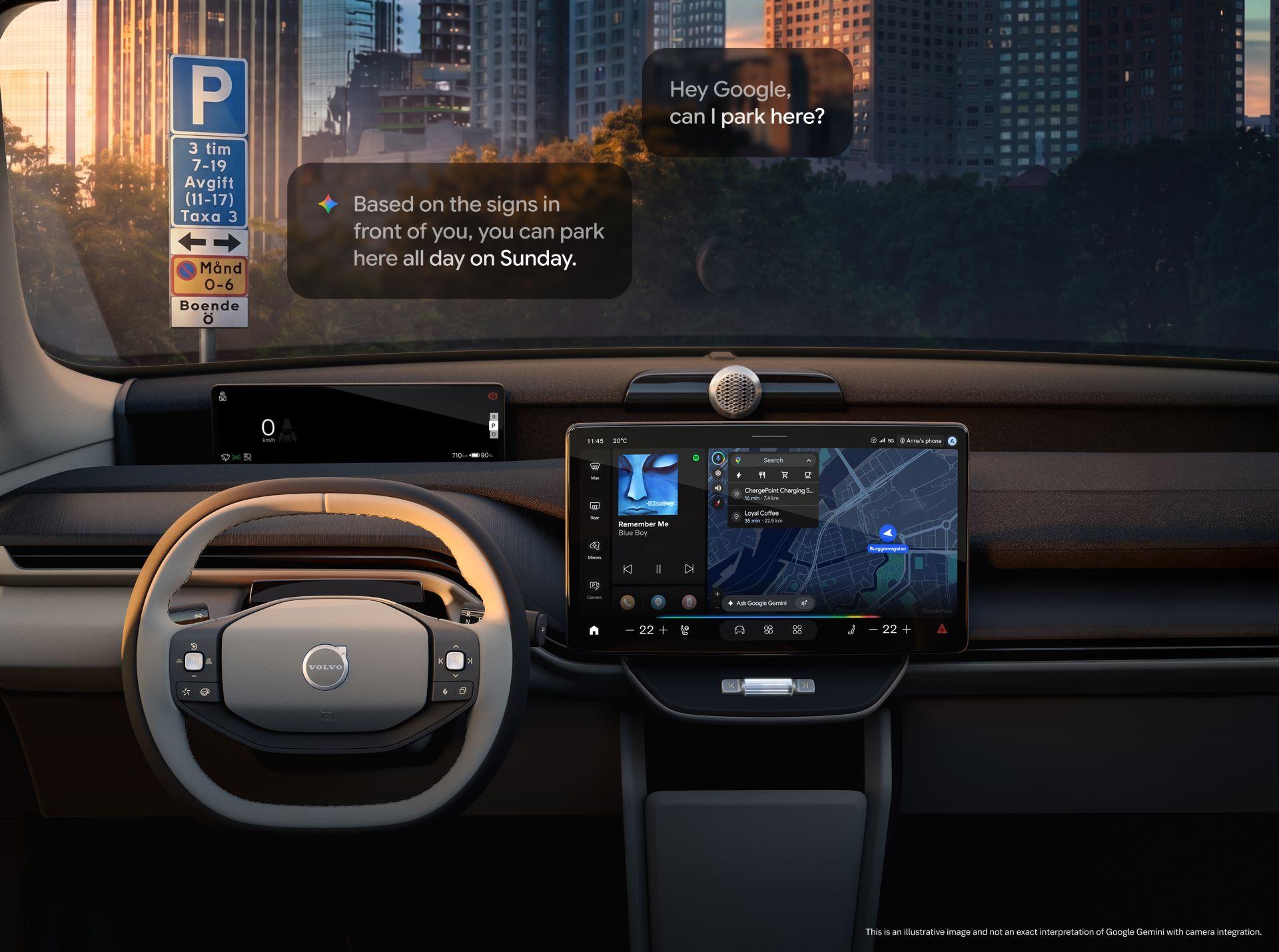
In a glimpse of driving’s near-future nervous system coming online, Volvo Cars and Google are fusing automotive intelligence with frontier AI to create something that feels less like a dashboard upgrade and more like perception itself waking up. At the centre of this evolution is Google Gemini, now stepping beyond conversation into contextual awareness shaped by what a vehicle can actually see.
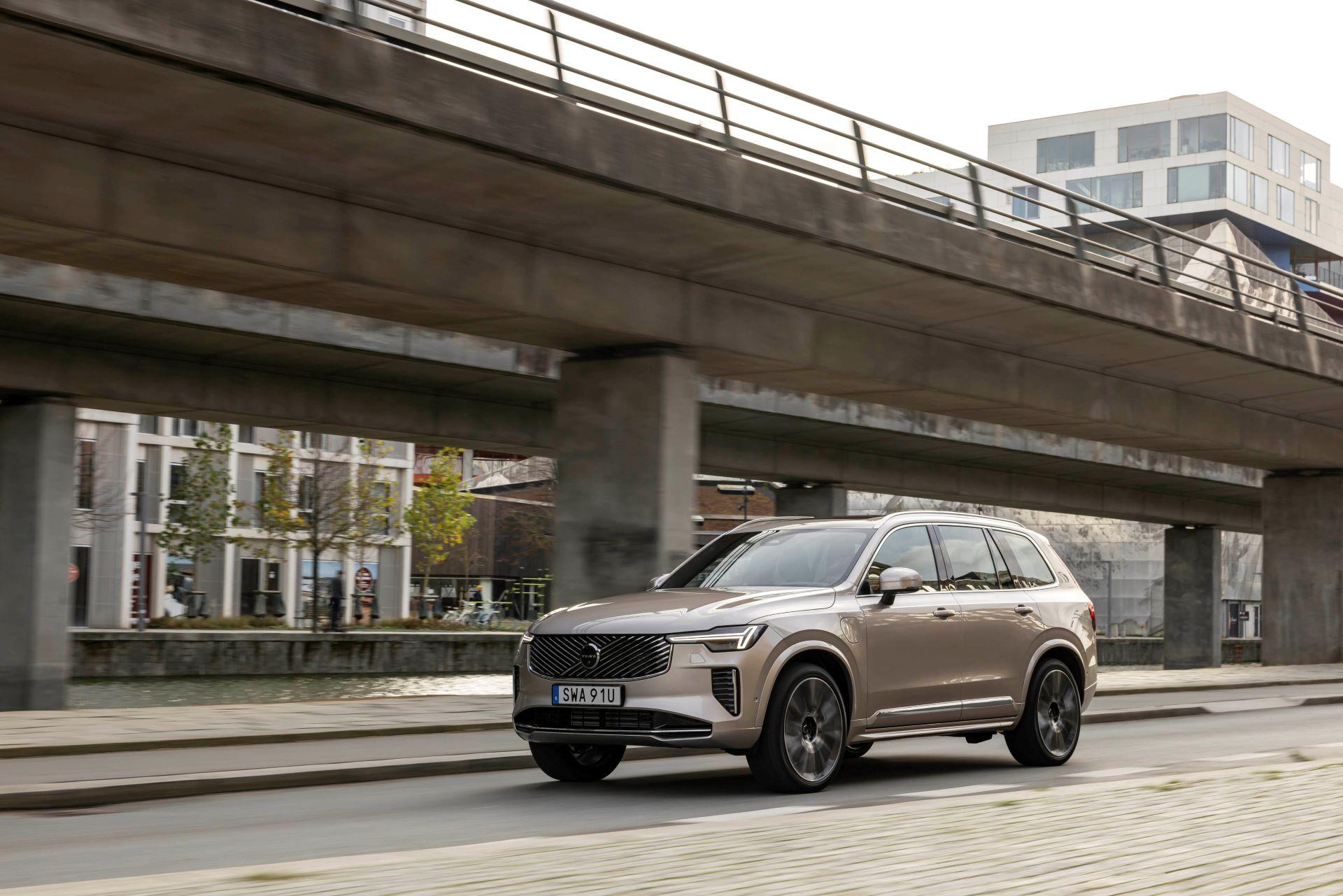
The collaboration will be demonstrated at the Google I/O conference, where the upcoming Volvo EX60 becomes a rolling laboratory for real-time, camera-driven understanding. With driver permission, Gemini is designed to interpret the world directly through the vehicle’s sensors, translating visual input into meaningful guidance. A parking sign is no longer just an object passed at speed; it becomes structured insight about restrictions, timing, permits, or charging rules, delivered precisely when it matters most.
That shift reframes everyday uncertainty behind the wheel. Instead of hesitating at a curbside space, drivers could ask a simple question and receive immediate clarity grounded in what the car is seeing. “The EX60 provides an ideal platform to explore the future of contextually aware driving experiences,” explains Alwin Bakkenes, Head of Global Software Engineering at Volvo Cars. “Working closely with Google as a lead device partner allows us to bring the latest advances in AI into the automotive environment faster and more collaboratively than ever before.” It is less about adding features and more about compressing interpretation time between world and driver.
The system is powered by a combination of Gemini’s multi-modal understanding, the EX60’s neural processing engine, and a software-defined architecture designed to evolve continuously. In practice, that means the vehicle is not just responding to inputs but actively stitching together voice, vision, and context into a unified awareness of the road environment.
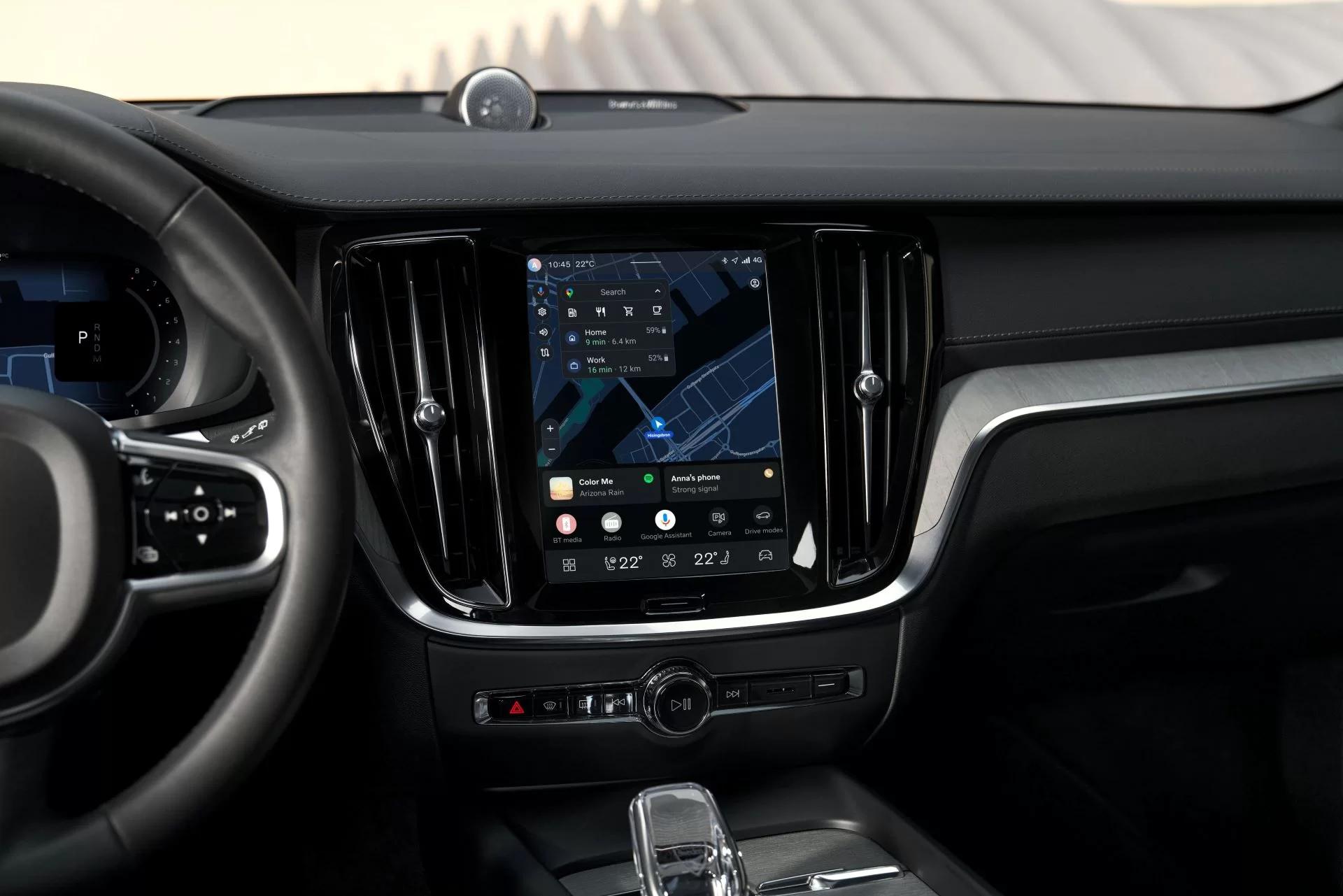
Alongside this vision-led intelligence, Google Maps is preparing its most significant navigation overhaul in over a decade through Immersive Navigation. First arriving in models such as the Volvo EX90 and Volvo ES90, and later the EX60, it introduces a 3D world model that renders buildings, tunnels, and intersections with spatial depth. Directions become more grounded in reality too, with guidance that references landmarks instead of abstract distance alone, such as “take the next left after the library,” aligning what drivers hear with what they actually see.
Patrick Brady, Vice President of Android for Cars at Google, describes the collaboration as a step toward a more responsive driving ecosystem. “In the future, Gemini will make your drive more helpful by allowing you to learn more about your surroundings while on the road,” he says. “And with Immersive Navigation, we’re bringing Google Maps’ biggest update in over a decade to our drivers.”
Together, these developments sketch an early blueprint of the car as an interpreting machine, one that does not merely guide movement but understands context, reduces cognitive load, and responds to the world in real time. The result is a driving experience that feels less like operating a system and more like sharing awareness with it.