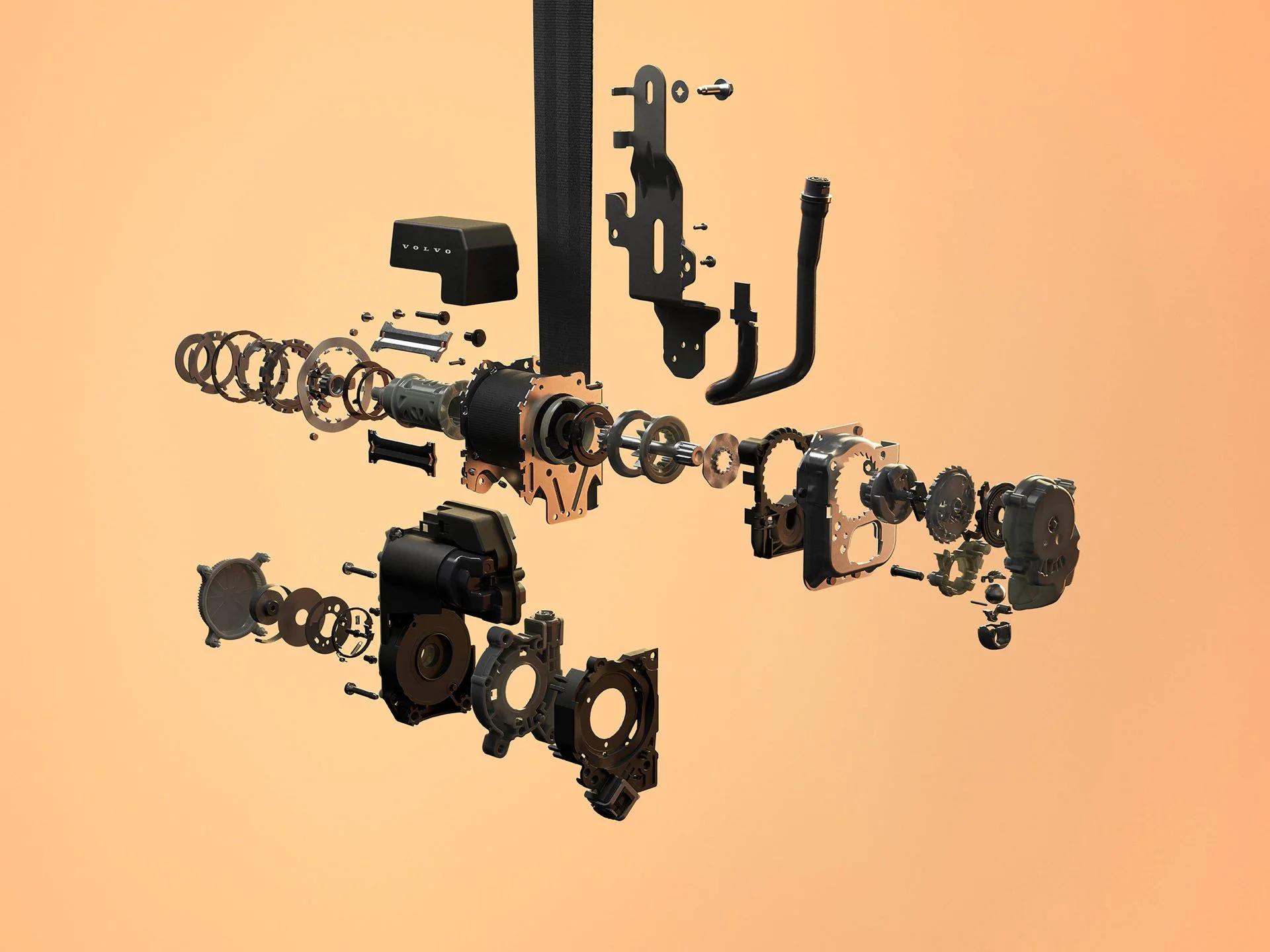




In a bold stride toward the future of automotive safety, Volvo Cars has unveiled a groundbreaking advancement in one of its most iconic innovations — the safety belt. The new multi-adaptive safety belt, a world-first technology, is designed to offer smarter, personalised protection based on real-world traffic dynamics and individual occupant characteristics. It will debut in the upcoming fully electric Volvo EX60, set to launch in 2026.
This next-generation safety belt represents a major evolution of the modern three-point seatbelt — a Volvo invention dating back to 1959, which is credited with saving over a million lives. More than six decades later, Volvo is rewriting the safety script by bringing adaptability and intelligence into the core of crash protection.
A Smarter Safety Belt for Everyone
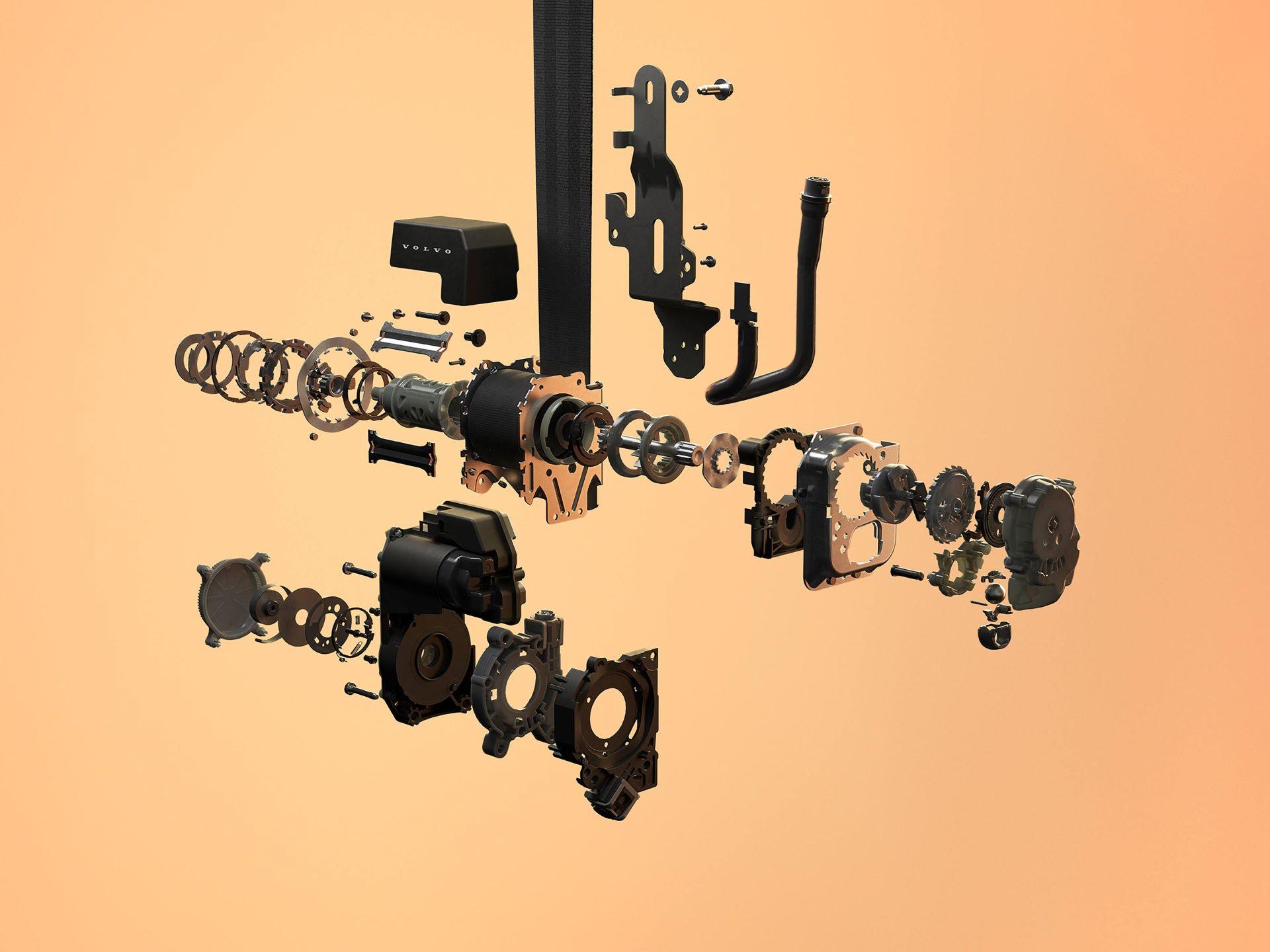
Unlike traditional systems that offer a limited response in a crash, the multi-adaptive safety belt leverages real-time data from the car’s interior and exterior sensors. This enables it to adjust its settings to the specific situation and occupant — whether that’s a taller driver in a high-impact collision or a smaller passenger in a lower-severity accident.
The system can adapt to individual profiles, taking into account height, weight, body shape, and seating posture. For example, in the event of a serious crash, a larger occupant will receive a higher belt load setting to better reduce the risk of head trauma, while a smaller occupant will be afforded a lower belt load to reduce the chance of rib fractures.
This is made possible by expanding the belt’s load-limiting profiles from three to eleven, dramatically increasing the number of potential settings. These profiles manage the force applied to the body during a crash, optimising safety performance based on the unique dynamics of every collision.
Safety Informed by Real-World Data
Volvo Cars has long been known for its data-driven approach to safety. With over five decades of research and a database comprising more than 80,000 real-life accident cases, Volvo’s engineering teams have developed a deep understanding of the complexity of modern traffic and the diversity of human bodies.
“Our world-first multi-adaptive safety belt is another milestone for automotive safety and a great example of how we leverage real-time data with the ambition to help save millions of more lives,” says Åsa Haglund, Head of the Volvo Cars Safety Centre.
This innovation builds on Volvo’s Volvo Cars Safety Standard — an internal benchmark that goes beyond official testing requirements to address real-world crash scenarios, ensuring safety for everyone, not just the statistically average occupant.

Seamless Integration with Volvo’s Safety Ecosystem
The new safety belt is not a standalone feature. It forms part of Volvo’s broader safety ecosystem, working in harmony with airbags, occupant detection systems, and advanced driver assistance systems. This integration ensures a coordinated and intelligent response in the event of a crash, improving overall protection and minimising secondary injuries.
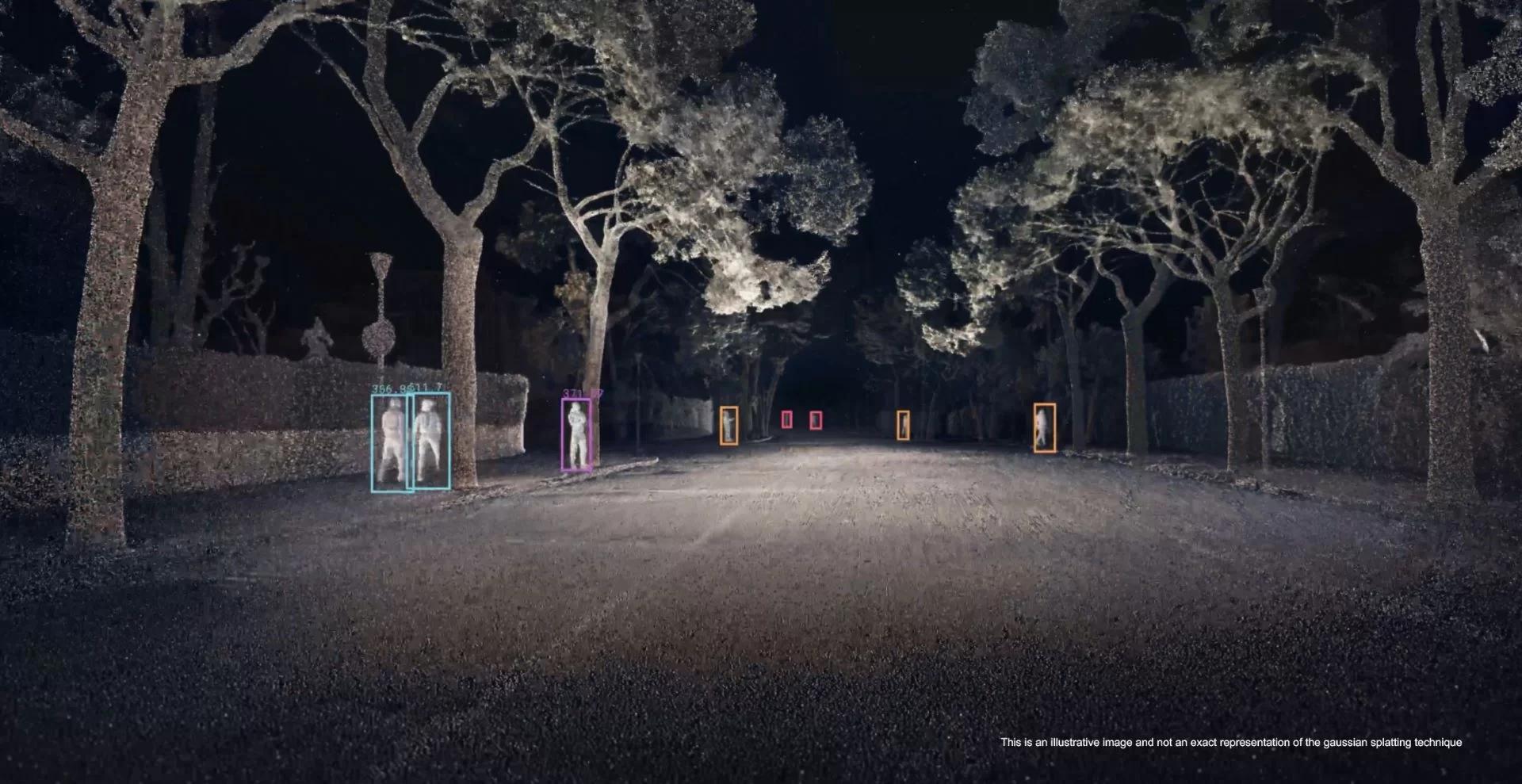
Data from external cameras, radar, lidar, and internal sensors feeds into the car’s central safety computer, which processes crash characteristics — such as angle of impact, speed, and passenger posture — in a fraction of a second. It then selects the optimal belt setting for each occupant, based on the situation and the individual.
Designed to Improve Over Time
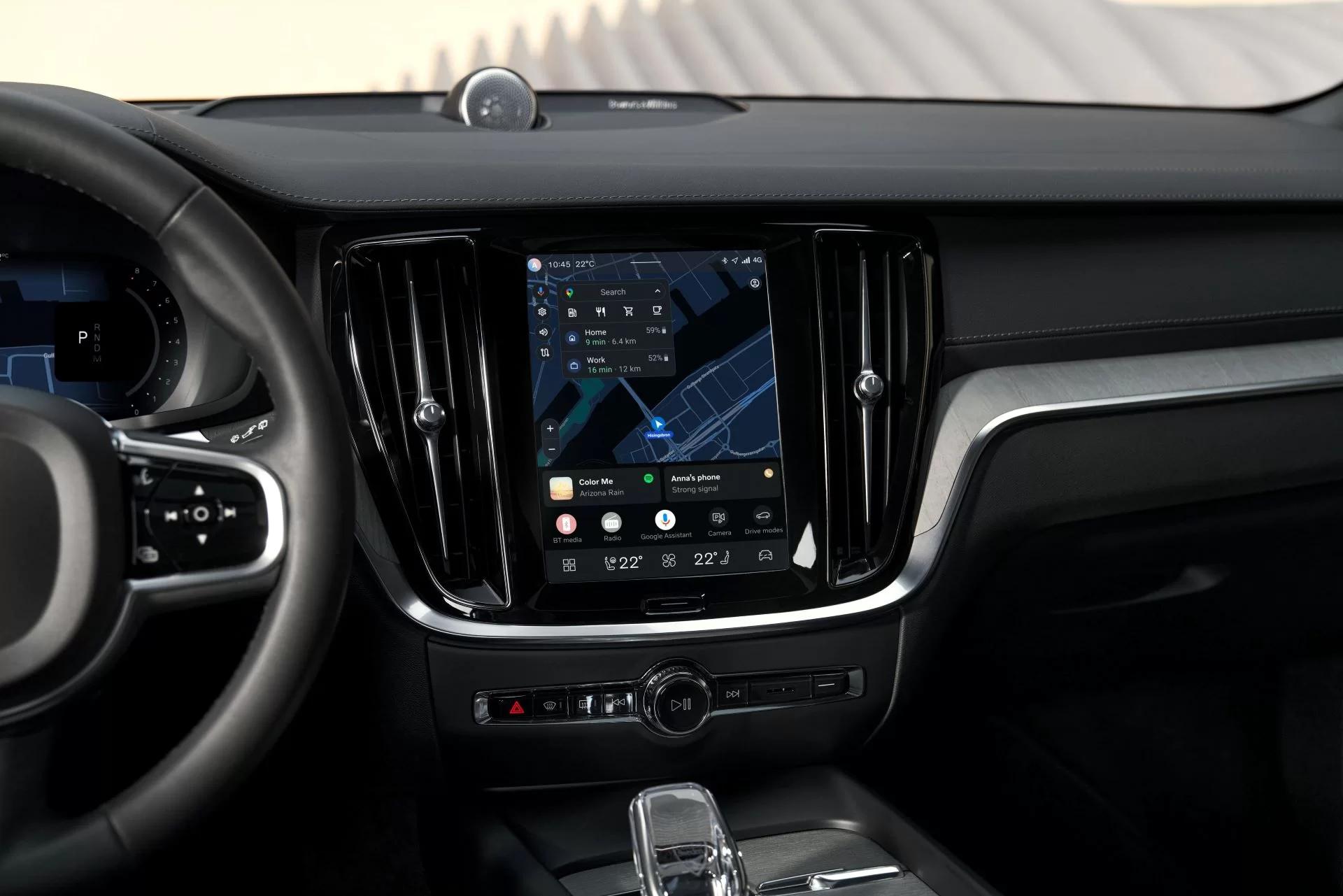
Perhaps one of the most futuristic aspects of this safety innovation is its ability to get better over time. Thanks to over-the-air software updates, the multi-adaptive safety belt system can continue to evolve as Volvo gathers more real-world data, learns from new crash scenarios, and refines its response algorithms.
This future-ready design underscores Volvo Cars’ commitment to continuous improvement in safety, not just at the moment of sale but throughout the life of the vehicle.
Born in the Crash Lab
The new safety belt has been rigorously tested and refined at the Volvo Cars Safety Centre in Gothenburg, which celebrates its 25th anniversary this year. This world-class crash lab enables engineers to replicate a vast range of real-life collisions, pushing safety technologies well beyond regulatory requirements.
With this latest advancement, Volvo continues to lead the industry not just in innovative engineering, but in ethical safety leadership — reinforcing its long-standing vision that no one should be seriously injured or killed in a new Volvo.
As the automotive world races toward electrification and autonomy, Volvo Cars reminds us that the heart of innovation still lies in protecting people. And with the multi-adaptive safety belt, that mission has never been clearer.