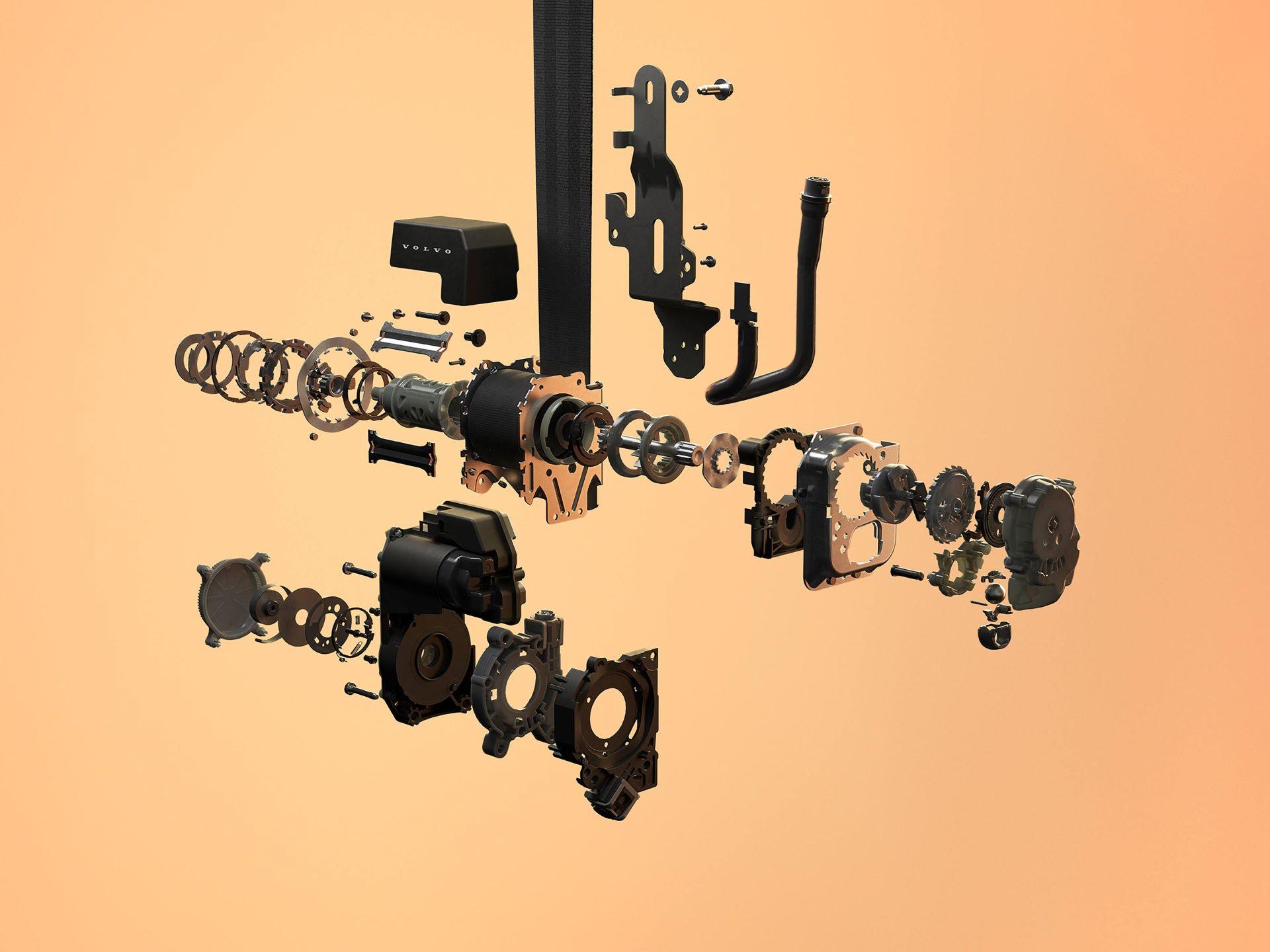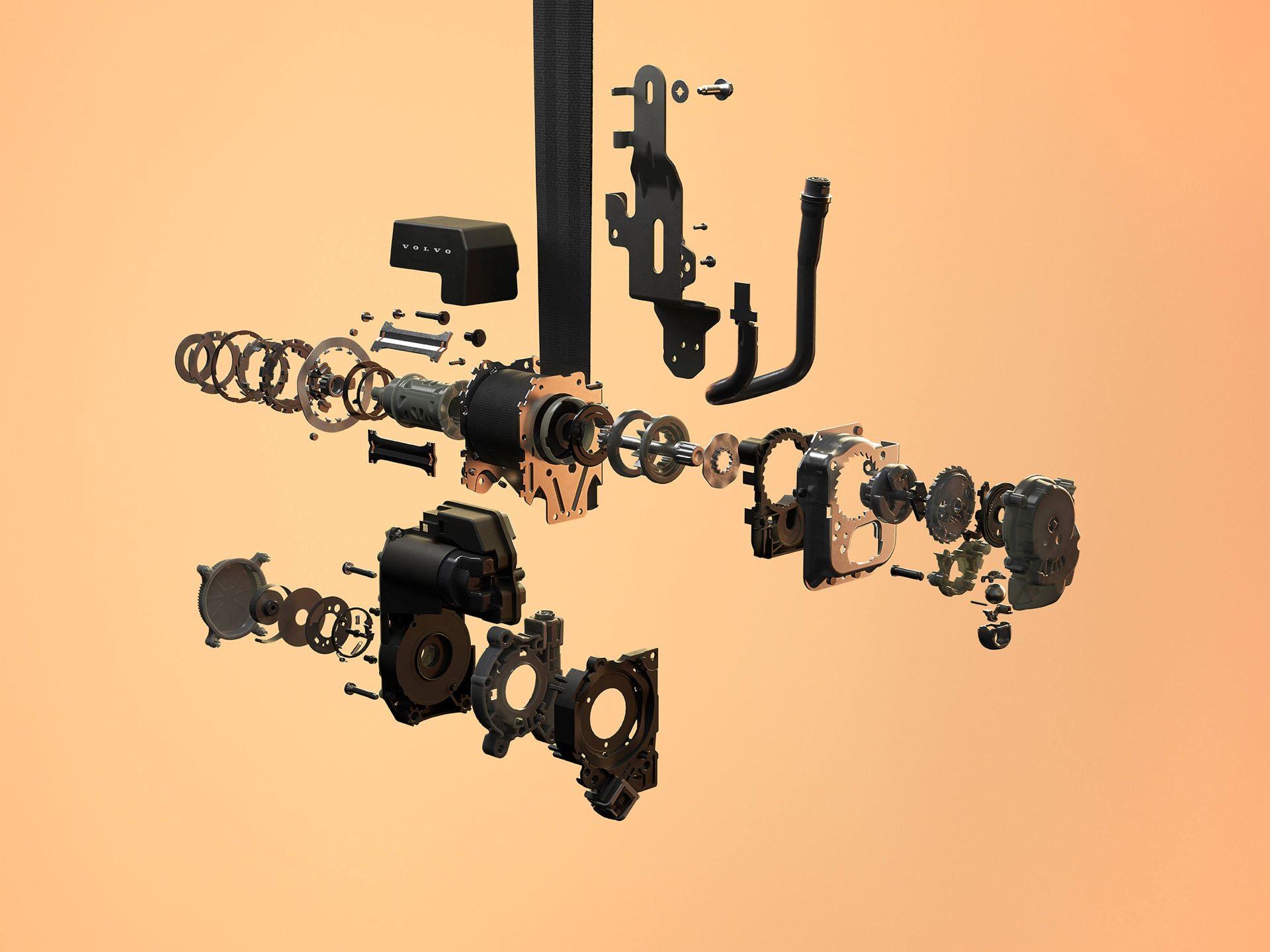



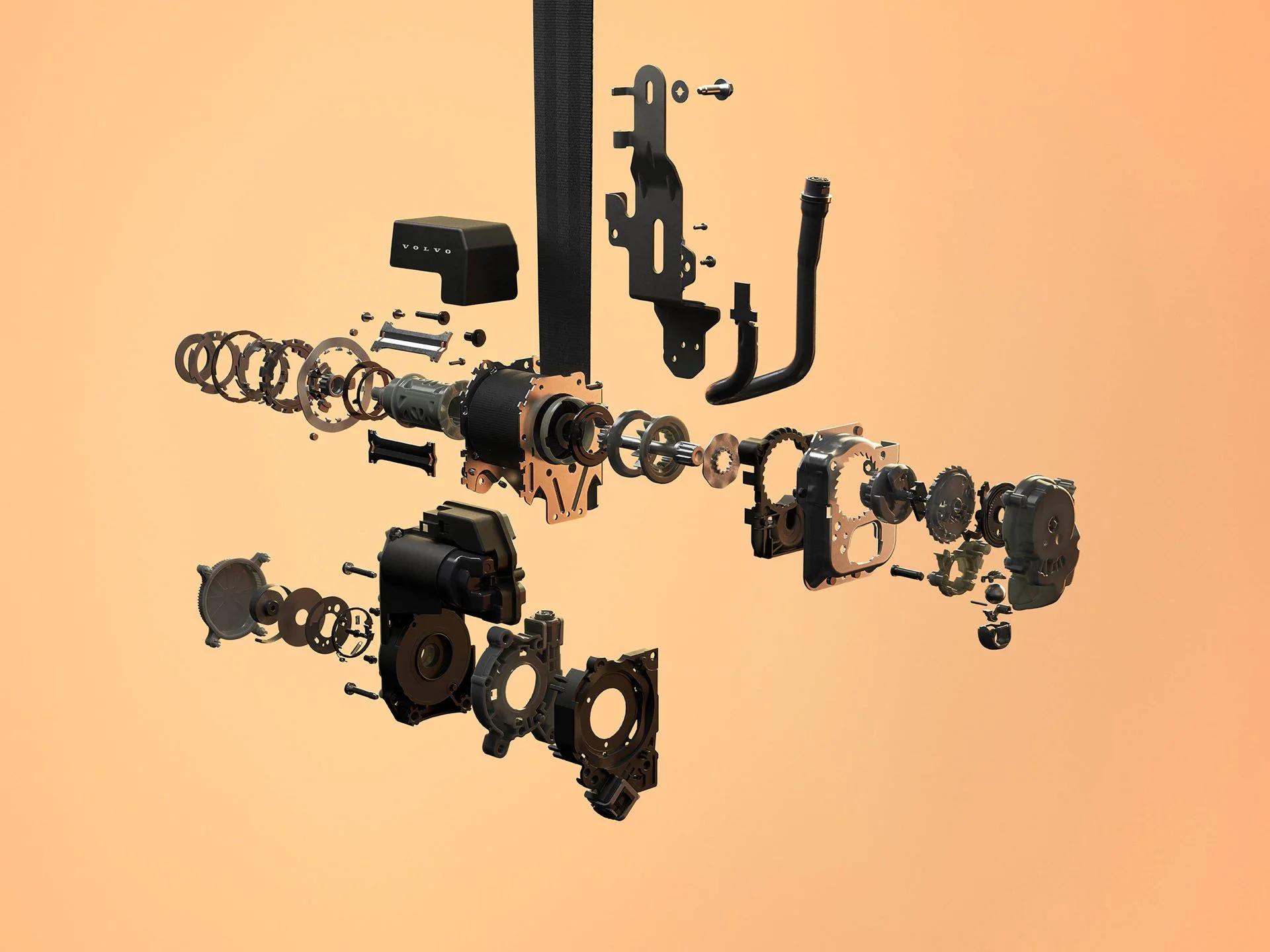
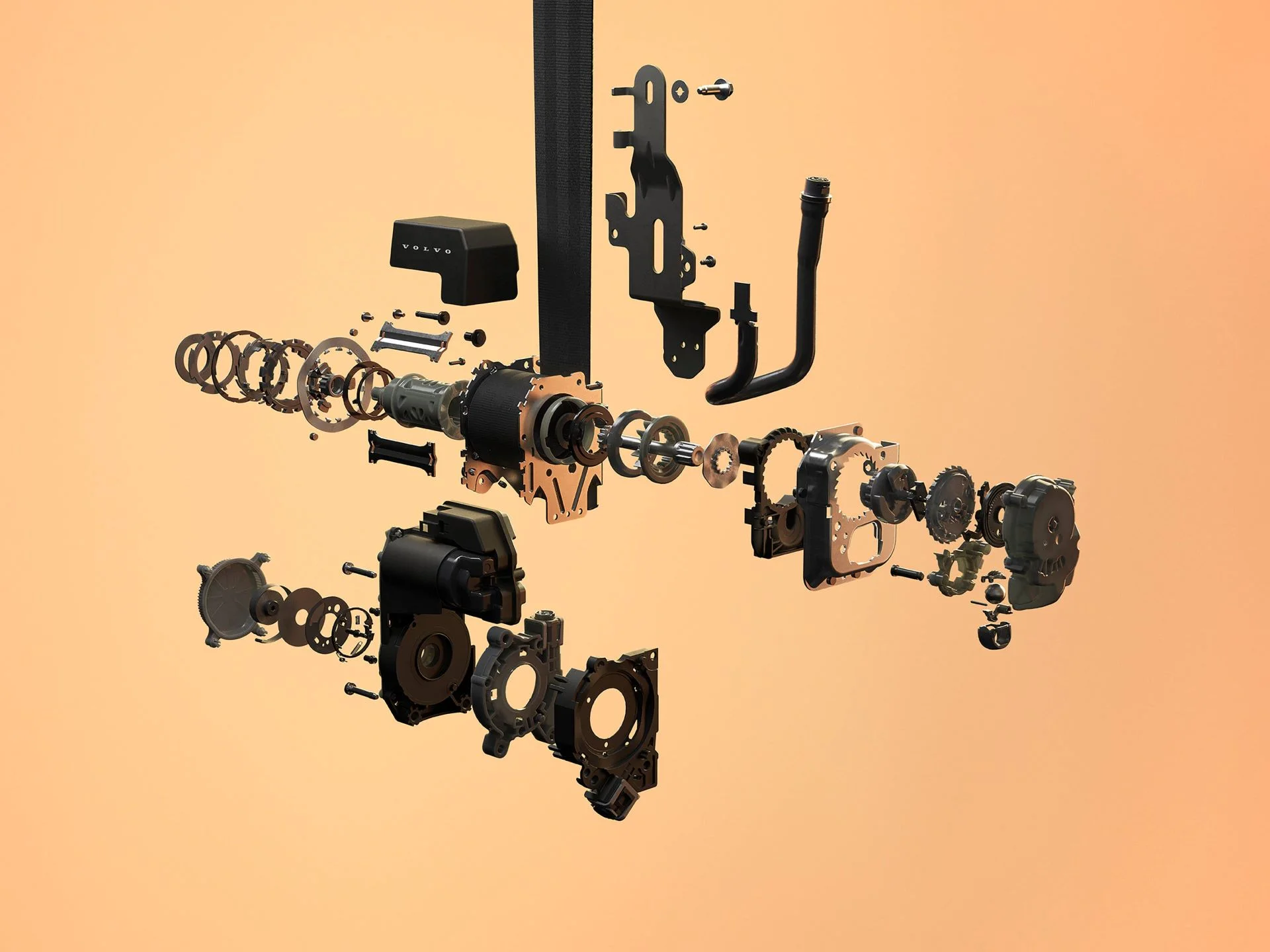
In a bold stride toward redefining automotive safety, Volvo Cars has unveiled a revolutionary advancement to one of its most iconic inventions—the three-point safety belt. Today, the Swedish automaker introduced its multi-adaptive safety belt, a world-first technology designed to provide tailored protection based on real-time data from the car and its occupants. The innovation will debut in the fully electric Volvo EX60, arriving in 2026.
This next-generation seatbelt is not just a mechanical safeguard—it’s a dynamic safety system that leverages Volvo’s advanced sensor suite to customise protection for each individual and every situation.
“The world-first multi-adaptive safety belt is another milestone for automotive safety and a great example of how we leverage real-time data with the ambition to help save millions of more lives,” said Åsa Haglund, head of the Volvo Cars Safety Centre.
A Tailored Response for Every Body
The multi-adaptive safety belt builds upon the principles of traditional seatbelt systems but evolves them with precision tailoring. Where modern load limiters typically offer up to three profile settings to manage crash forces, Volvo’s new system offers eleven. This allows the belt to apply optimal force depending on both the severity of the crash and the physical characteristics of the occupant—such as height, weight, body shape, and seating position.
For instance, in a high-impact collision, a larger individual may require a higher belt load setting to reduce head injury risk. Meanwhile, a smaller occupant in a lower-impact crash would receive a gentler restraint setting to prevent rib injuries. This level of customisation, once unimaginable, is now made possible by data-rich decision-making in milliseconds.
Powered by Data, Driven by Real-World Insight
What sets Volvo’s multi-adaptive safety belt apart is its ability to gather and interpret data from across the vehicle’s sensory ecosystem. This includes interior cameras and occupant detection systems, as well as exterior sensors that read the crash conditions—direction, speed, impact angle, and more.
All of this happens faster than the blink of an eye, allowing the belt to make instantaneous adjustments. It’s a testament to Volvo’s longstanding commitment to real-world safety, informed by a database of over 80,000 real-life accident cases and more than five decades of intensive safety research.
Designed to Evolve
Like the best of today’s smart technology, the new safety belt isn’t static—it improves over time. Over-the-air software updates ensure that the system remains at the cutting edge, refining its responses as new data and safety scenarios emerge. This continuous learning model represents the future of automotive safety: adaptive, intelligent, and self-improving.
A Cohesive Safety Ecosystem
The multi-adaptive safety belt is not a standalone feature. It works in concert with the Volvo EX60’s broader safety ecosystem, which includes advanced airbags, occupant monitoring, and predictive driver assistance systems. This unified network of safety features ensures a harmonious and intelligent response to every crash scenario, maximising protection while minimising the risk of secondary injuries.
A Legacy of Leadership
Volvo’s newest safety breakthrough marks a full-circle moment for the company that invented the modern seatbelt in 1959—a technology credited with saving over a million lives to date. That same spirit of innovation is now being channelled into the EX60, showcasing how far the brand has come, and where it’s heading.
The launch also coincides with the 25th anniversary of Volvo Cars’ world-class crash lab, where the new belt has undergone extensive testing. This facility continues to play a central role in shaping a future where Volvo’s vision—that no one should be seriously injured or killed in a new Volvo—comes ever closer to reality.
With the introduction of the multi-adaptive safety belt, Volvo Cars is not only honouring its safety legacy but boldly rewriting it for a new generation.