


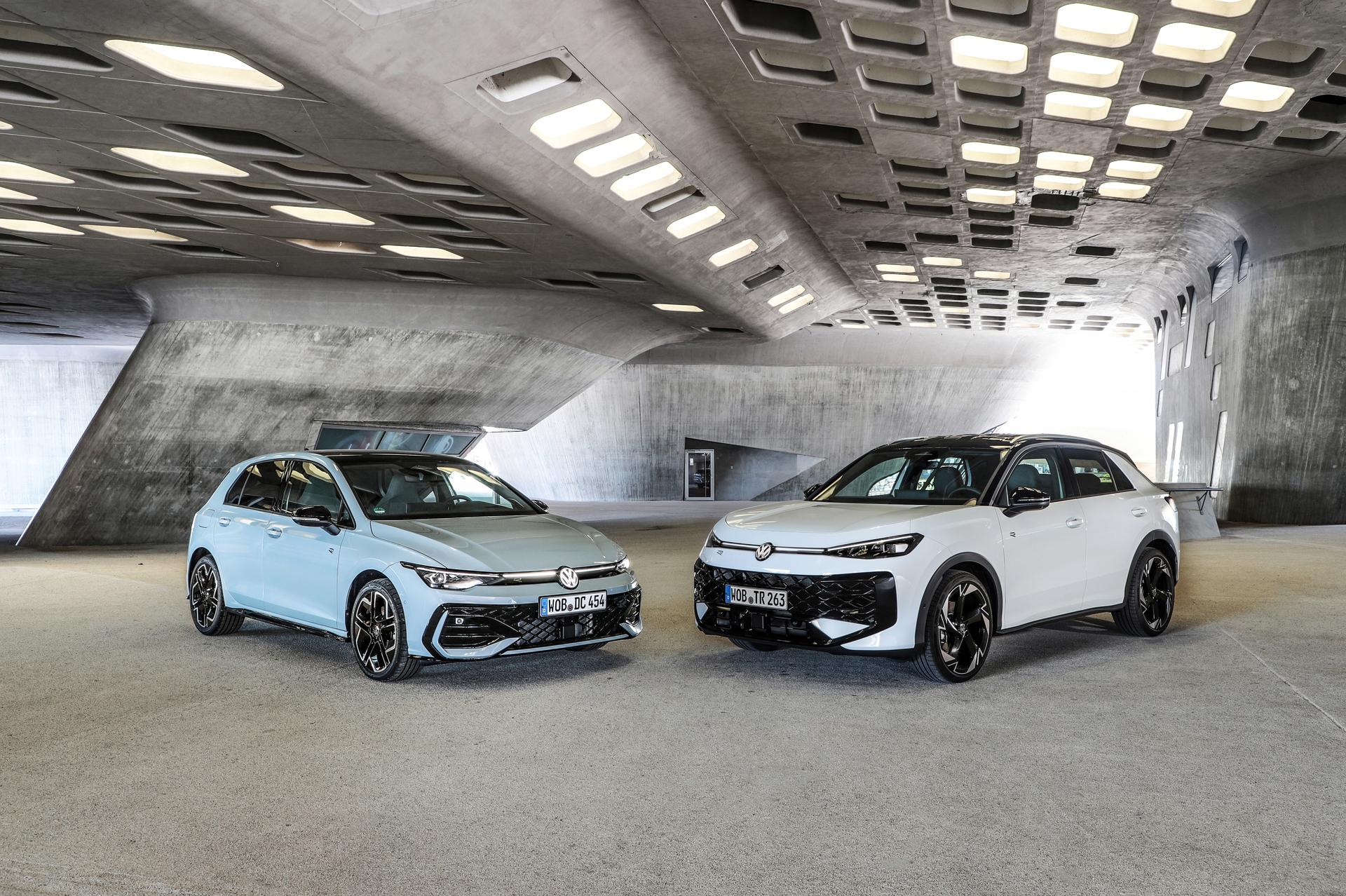
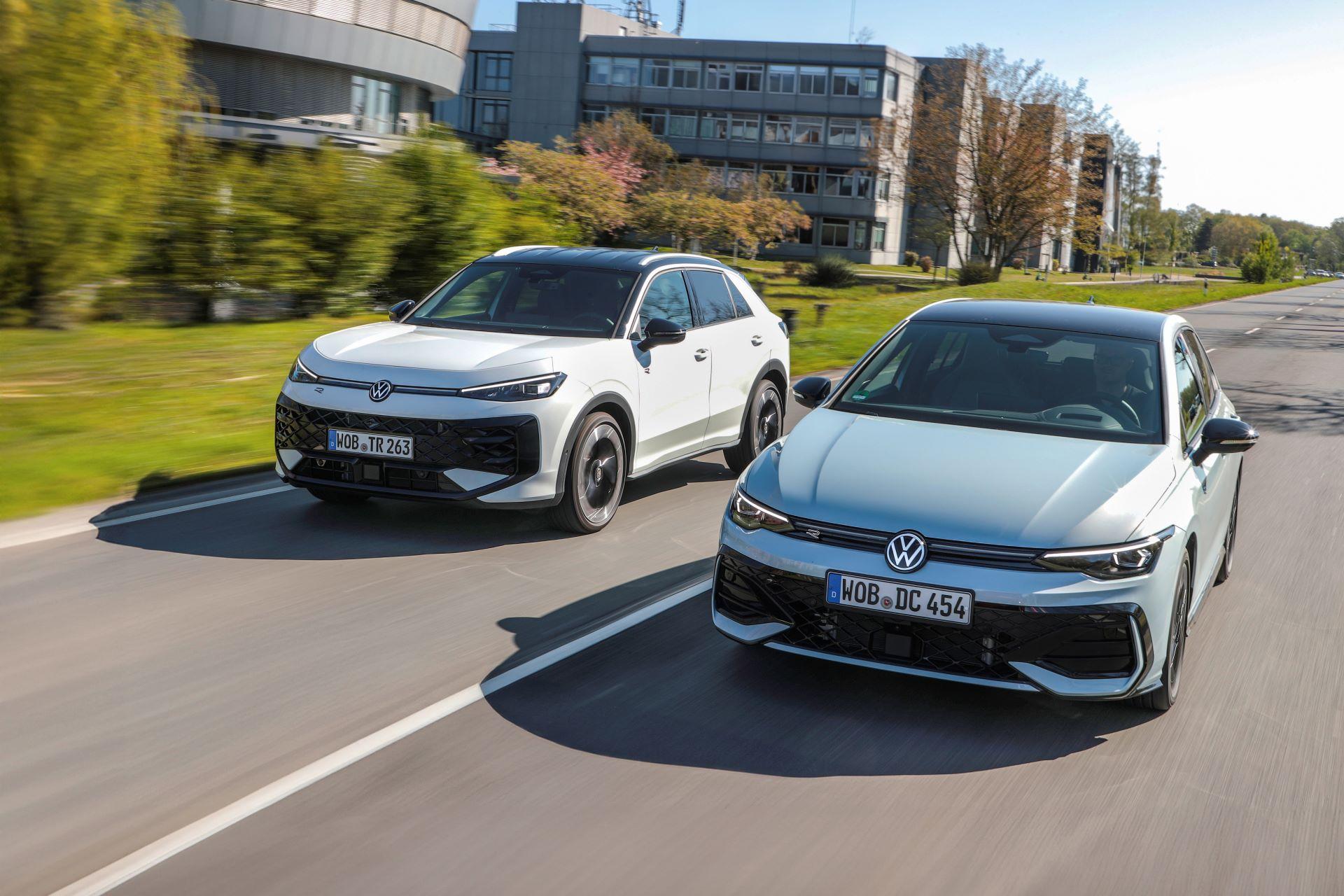
Volkswagen is steering its electrification journey into a new middle lane between mild hybrids and plug-in systems with the introduction of a full hybrid powertrain designed for everyday efficiency without the need for external charging. Unveiled ahead of its detailed debut at the Vienna Motor Symposium taking place from 22 to 24 April 2026, the system will first arrive in production models such as the Golf Hybrid and T-Roc Hybrid from the fourth quarter of the year.
At its core, the new setup blends a turbocharged 1.5 TSI evo2 petrol engine with two electric motors and a compact lithium-ion battery, forming a self-sustaining energy loop that prioritises efficiency and usability. Unlike plug-in hybrids that depend on charging infrastructure, this system generates and recovers its own electrical energy on board through regenerative braking and via the petrol engine working in tandem with a generator. The result is temporary electric driving capability without ever needing to plug in, a practical advantage for drivers without home charging access or regular charging stops.
The hybrid module integrates multiple functions into a single unit, combining drive motor, generator, power electronics, transmission components and intelligent clutch control. An electric air-conditioning compressor and electric brake servo further enhance efficiency by reducing mechanical load on the engine. Energy is stored in a 1.6 kWh gross NMC battery positioned in the vehicle floor, keeping weight distribution balanced while supporting frequent electric assistance during driving.
Volkswagen has engineered the system to fluidly shift between three operating modes depending on driving conditions. At low speeds, the vehicle can operate purely on electric power with the combustion engine switched off, creating a quiet and emission-free urban driving experience. In a second mode, the petrol engine runs in an optimal efficiency window solely to generate electricity for the electric motor, extending electric driving capability without directly powering the wheels. At higher speeds, typically from around 60 km/h, both the engine and electric motor work together, delivering smooth performance and additional torque during acceleration or motorway cruising.
Drivers will also be able to tailor the driving character through Eco, Comfort and Sport profiles. Eco prioritises efficiency by limiting output and disabling boost functions, Comfort offers full system performance with balanced energy use, while Sport sharpens responsiveness by engaging hybrid support more aggressively for quicker power delivery.
Positioned between the brand’s existing eTSI mild hybrid and its plug-in eHybrid and GTE models, the new full hybrid range fills a strategic gap in Volkswagen’s electrified portfolio. It offers lower fuel consumption than mild hybrids while avoiding the higher cost and infrastructure dependency of plug-in systems. It also complements the expanding all-electric ID. family, giving Volkswagen a broader toolkit of powertrains suited to different driving needs and markets.
With this development, Volkswagen continues its push under the BOOST 2030 strategy, focusing on making sustainable mobility more accessible without compromise. The Golf Hybrid and T-Roc Hybrid mark the beginning of what could become a high-volume electrified offering, designed for drivers who want efficiency, simplicity and everyday practicality in one seamless package.