



Volkswagen has refined its all-electric ID.4 and ID.5 lineup with a series of meaningful upgrades that strengthen performance, expand practicality, and enhance day-to-day usability, all while keeping prices largely stable. In a market where electric vehicle evolution often comes with a steep cost curve, these updates stand out for delivering more capability with minimal financial friction for buyers.
At the heart of the changes is a rethink of battery configuration across selected trims. The ID.4 Pure Essential and Match variants now benefit from an increase in net battery capacity from 52 kWh to 58 kWh, paired with a power lift from 170 PS to 190 PS. This translates into a noticeably extended driving range, climbing from 222 miles to 265 miles on the WLTP combined cycle, giving entry-level drivers more breathing room between charges without stepping up the price ladder dramatically.
Further up the range, the ID.4 Pro Essential, Match and Black Edition models see their battery capacity increase to 79 kWh, maintaining 286 PS while holding range steady at an already strong 347 miles. The Pro Match 4MOTION and Pro Black Edition 4MOTION variants introduce a more nuanced improvement, balancing power and efficiency to push range up to 341 miles while delivering a robust 299 PS output. Even the performance-focused GTX Edition models maintain their 340 PS output while benefiting from incremental range improvements despite a slight adjustment in net capacity.
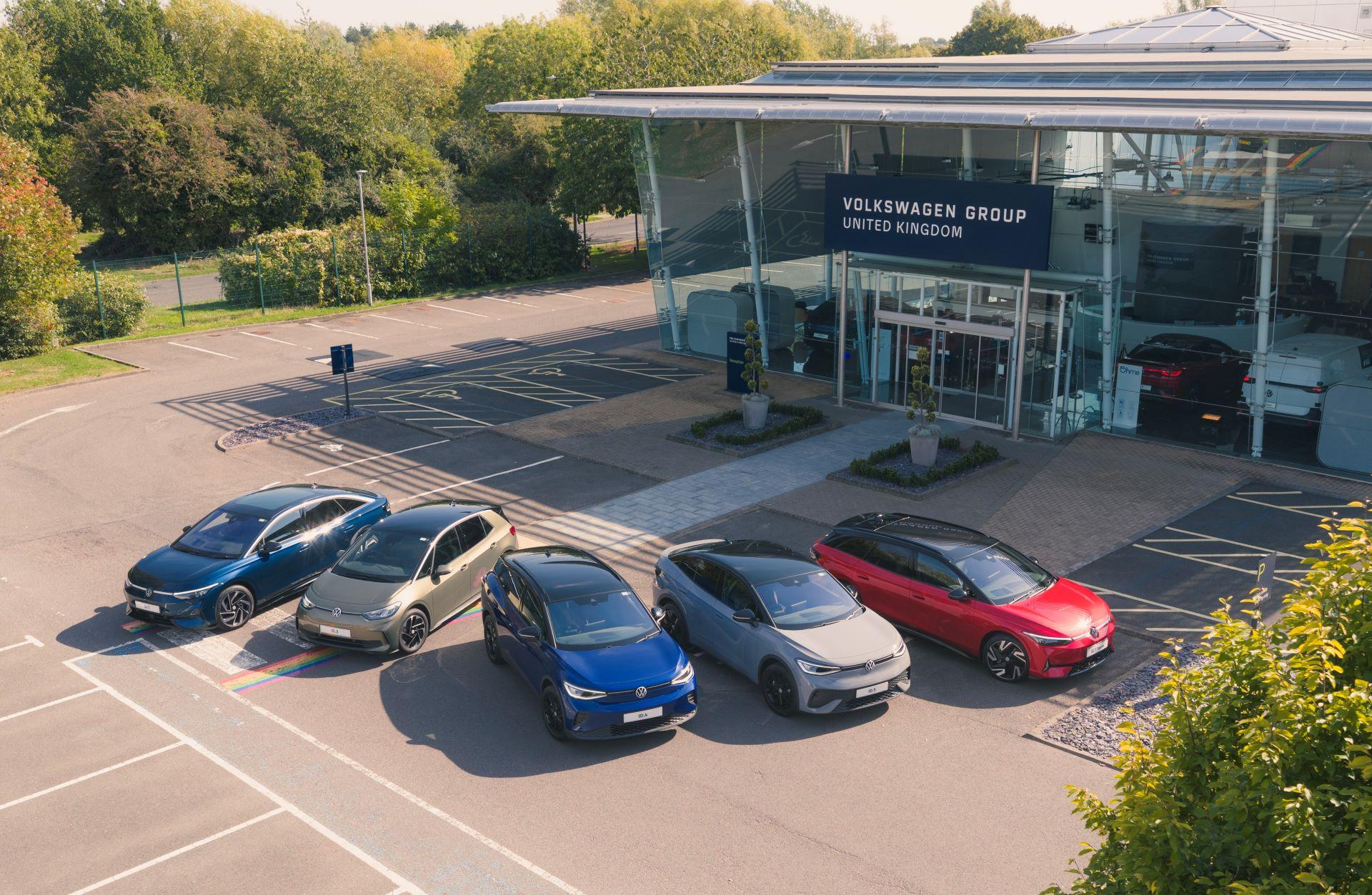
The ID.5 follows a similar logic with its coupe-SUV profile. The Pure Match variant mirrors the ID.4’s entry-level gains, while Pro trims see a slight uplift in range to 351 miles, reinforcing the model’s long-distance touring credentials. GTX versions continue to prioritise performance while still gaining small efficiency improvements that extend usable range to 331 miles.
One of the most forward-looking additions across both models is vehicle-to-load functionality. With the introduction of optional adapters, the ID.4 and ID.5 can now transform their charge ports into mobile power sources. This allows owners to run external devices directly from the vehicle’s battery, whether for camping equipment, worksite tools, or outdoor leisure setups. In practical terms, the car becomes a rolling energy reservoir, extending its role beyond transport into a flexible power hub.
Volkswagen has also introduced bi-directional charging readiness, signalling a future where these vehicles may play a role in broader energy ecosystems, potentially feeding power back into homes or grids when infrastructure allows. While still emerging in mainstream application, this positions both models firmly within the next generation of energy-integrated mobility.
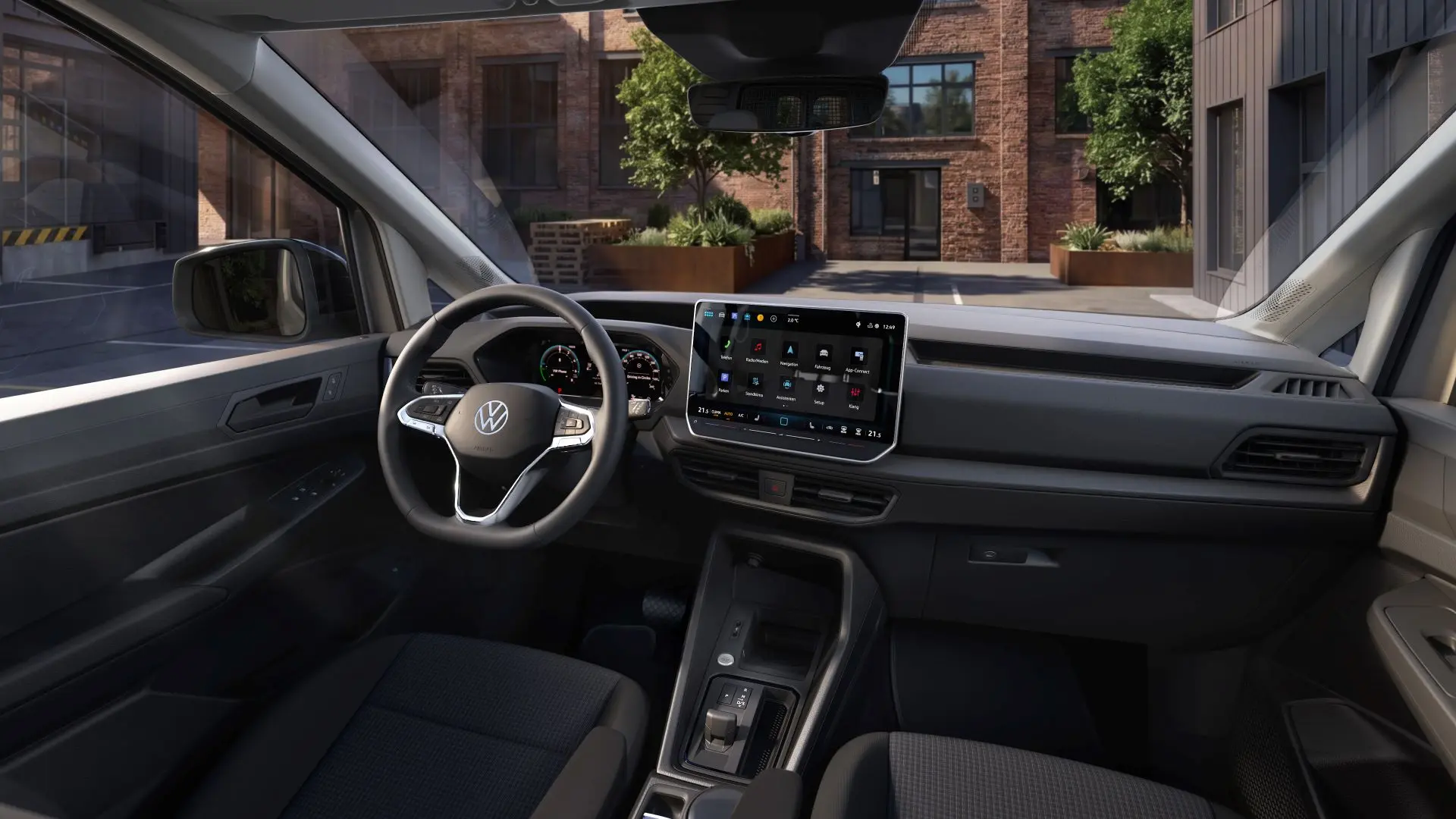
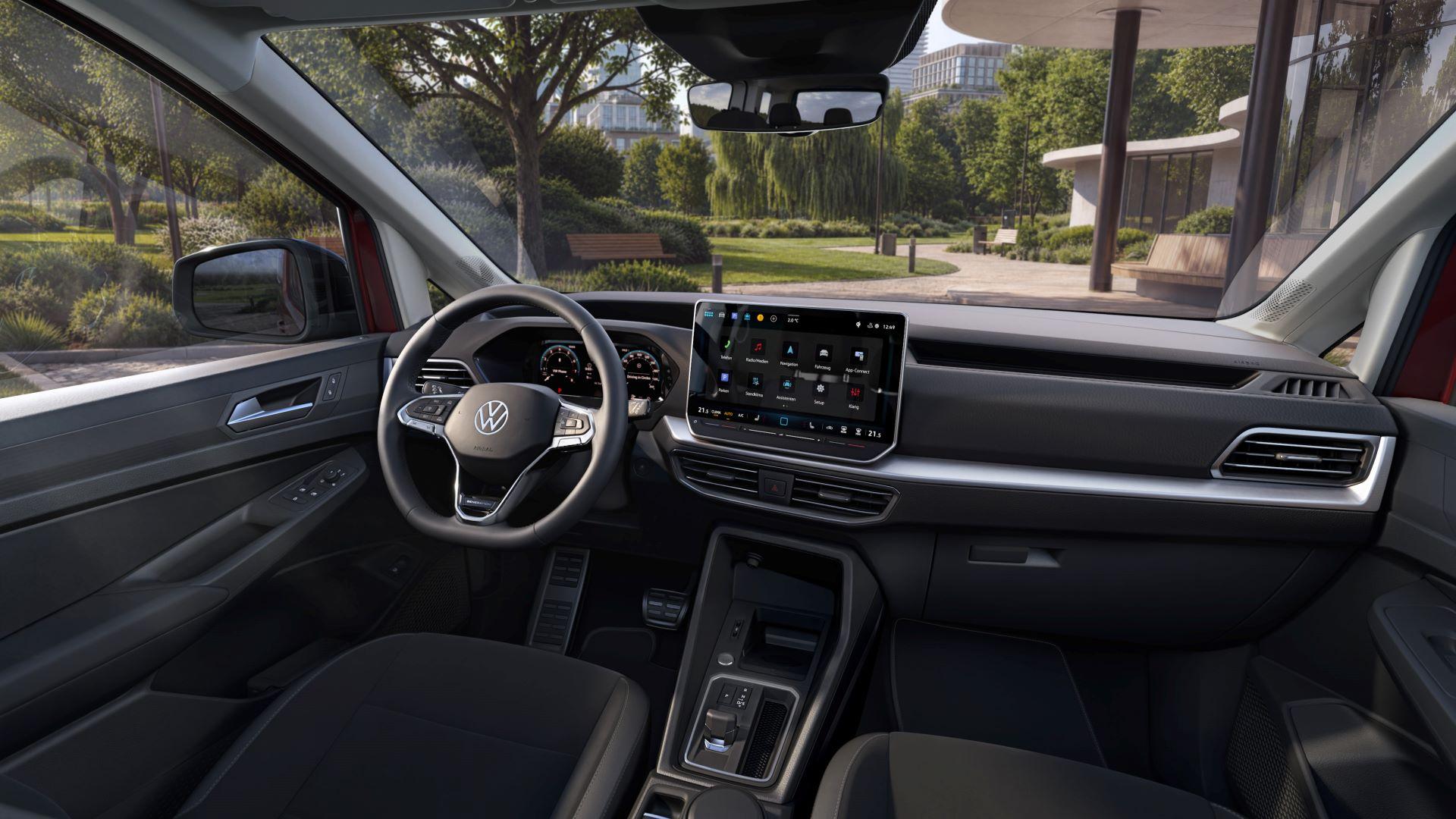
Across the cabin and user experience, the upgrades continue with tactile steering wheel controls replacing touch-heavy inputs, improving usability in motion. Driver assistance systems have also been enhanced, with Traffic Assist now incorporating Front Cross functionality designed to better detect pedestrians and cyclists in complex urban environments. Infotainment responsiveness has been improved through the updated One system, while driver attention monitoring becomes more refined in detecting fatigue or distraction.
Everyday convenience sees attention too, with inductive smartphone charging boosted from 5 watts to 15 watts, addressing one of the small but persistent frustrations of modern connected driving. An optional heat pump improves thermal efficiency, particularly in colder climates where EV range can be affected by heating demands.
Practicality gains are also present in towing capability, with ID.4 Pro 4MOTION variants increasing braked trailer capacity from 1,200 kg to 1,800 kg, significantly broadening their utility for caravan users and light commercial applications. Entry-level Pure trims benefit from upgraded 19-inch steel wheels, while Pure Match versions now include an electric tailgate as standard, reinforcing Volkswagen’s push to elevate baseline equipment levels.
Despite these upgrades, Volkswagen has kept pricing largely stable, with most changes reflecting modest increases or no change at all. The ID.4 and ID.5 continue to start from £36,995, maintaining eligibility for the UK Government electric car grant, a key factor in keeping these models competitively positioned within the expanding EV market.
Since its debut in 2021, the ID.4 has carried significant weight as Volkswagen’s first global electric SUV, even earning the World Car of the Year title in its launch year. The ID.5, introduced shortly after, brought a more expressive coupe silhouette and helped extend the brand’s EV identity into a more design-led space.
With these latest updates, Volkswagen is not simply refreshing its electric SUVs but subtly rebalancing them for a more connected, efficient, and utility-driven future. The result is a lineup that feels less like a mid-cycle adjustment and more like a careful step forward in the evolution of everyday electric mobility.