


When Volkswagen introduced the Golf GTI in 1976, it did not merely launch a faster version of a family hatchback. It rewrote the rules of performance motoring. Compact, practical and genuinely quick, the original GTI challenged the idea that excitement had to come wrapped in a low-slung coupé or an expensive sports car badge. Nearly five decades later, that disruptive spirit remains central to the GTI story, and it is precisely this dual character that Volkswagen Classic is bringing into sharp focus at the Bremen Classic Motorshow from 30 January to 1 February 2026.
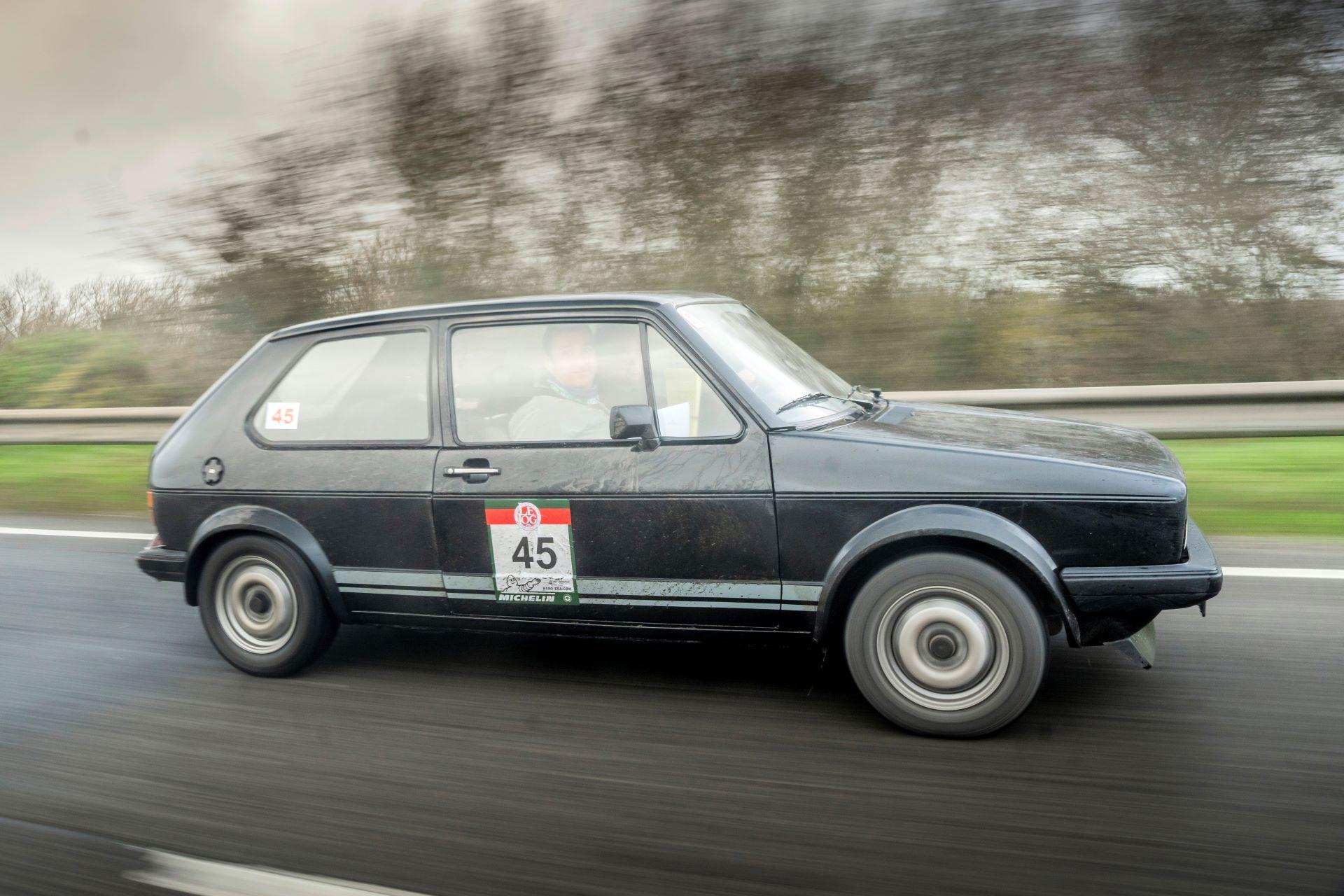
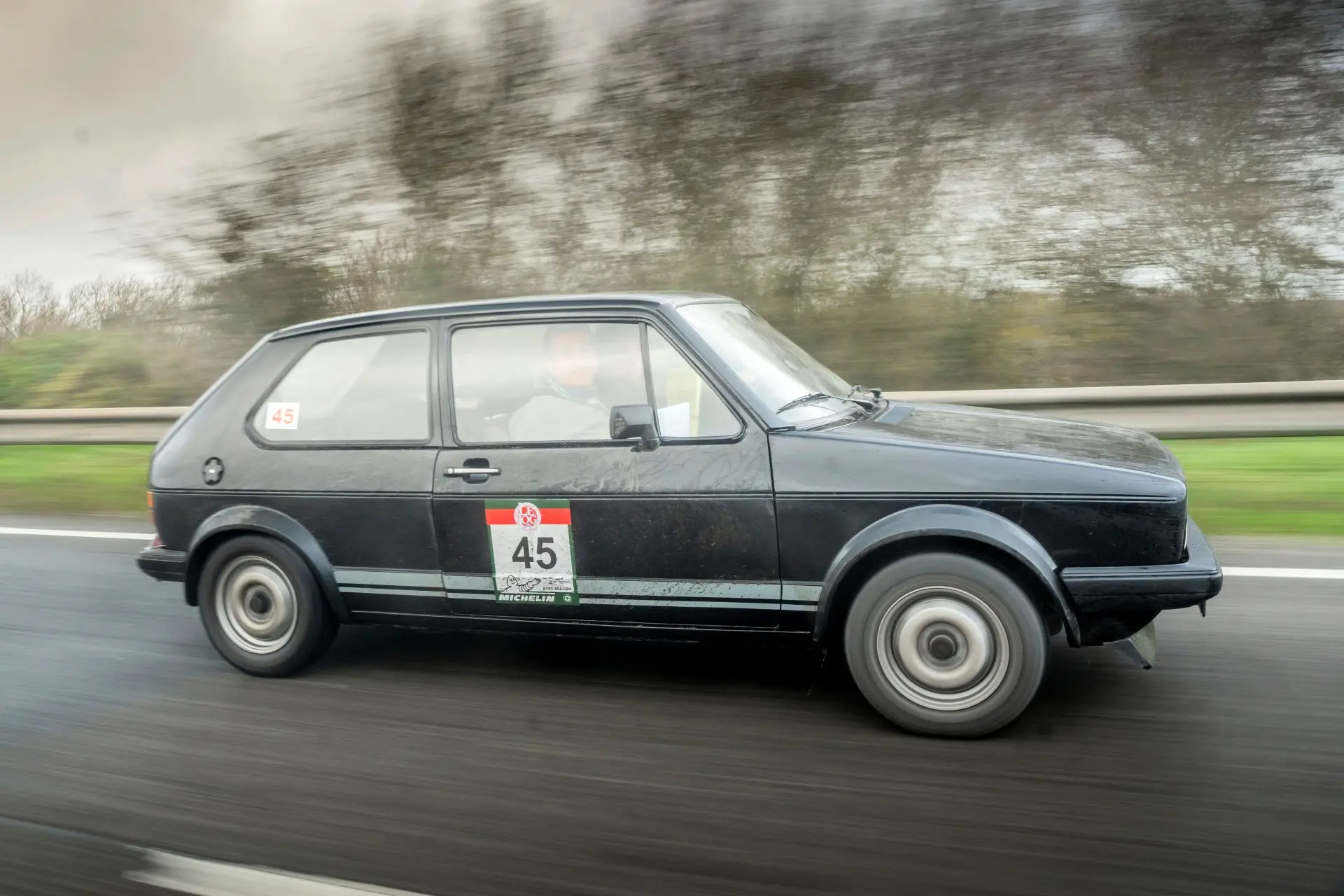
On display are two first-generation Golf GTIs that represent the model’s original promise in its purest forms. One is a pristine 1979 example finished in vivid Mars Red, a colour that has become inseparable from the early GTI identity. The other is a 1983 GTI wearing its rally scars with pride, its Brilliant Black paint still visible beneath a layer of honest patina earned on one of the toughest classic rallies in Europe. Together, they tell the story of a car that could be both everyday hero and endurance-tested competitor.
The Birth of the Hot Hatch
In hindsight, the Golf GTI’s success feels inevitable. At the time, it was anything but. Volkswagen initially planned to build just 5,000 units, a cautious experiment rather than a full-scale production commitment. The idea of a high-performance compact hatchback was unproven, and there was no guarantee buyers would embrace it.
They did, emphatically. Dealers sold ten times the planned volume within the first year alone. By the time production of the first generation ended, 461,690 Golf GTIs had been built. What had started as a niche project had become the world’s most successful compact sports car.
The formula was deceptively simple. An 81 kW (110 PS) engine delivered lively performance in a lightweight body. Visual cues such as the red frame around the radiator grille, black wheel arch extensions and the now-legendary golf ball gear knob signalled intent without resorting to excess. It was a car that looked purposeful rather than flashy, confident rather than ostentatious.
That balance remains one of the GTI’s defining traits. It offered speed without sacrificing usability, excitement without excluding everyday life. For many drivers, it was their first taste of genuine performance motoring.
Mars Red and the Power of Presence
Standing still on the show floor, the 1979 Mars Red Golf I GTI makes an immediate impression. Its condition is remarkable, particularly given how hard many early GTIs were driven. The paintwork gleams, the proportions remain timeless, and the design still communicates movement even at rest.
This is the GTI as most people imagine it: clean, sharp and full of latent energy. With a top speed of up to 182 km/h, it was capable of outpacing sports cars and coupés that cost significantly more, often exceeding 10,000 German marks above the GTI’s price point. Yet it remained accessible, practical and discreet enough to serve as daily transport.
What makes this example especially significant is how rarely such originality survives. Many first-generation GTIs were modified, raced or simply worn out through enthusiastic use. Seeing one preserved in such authentic condition offers a rare glimpse into how revolutionary the GTI felt when it first arrived in showrooms.
Rally-Proven Toughness on British Soil
If the Mars Red GTI represents the model’s showroom appeal, the rally-worn 1983 example reveals its underlying resilience. This car competed in the legendary LeJog rally, a gruelling 1,500-mile challenge that runs from Land’s End in the southwest of England to John O’Groats in the far north of Scotland. Completed over just four days, the route avoids main roads and pushes cars across rough terrain, steep climbs and countless water crossings.
LeJog is widely regarded as one of the toughest classic car rallies in the world. It is not designed for comfort, nor is it forgiving of mechanical weakness. That a near-production Golf I GTI took on this event speaks volumes about the model’s engineering integrity.
With its short wheelbase and responsive power delivery, the GTI proved ideally suited to the narrow, twisting forest tracks and country lanes of the UK. The marks it carries today tell a story of endurance rather than neglect. Scratches, wear and faded paint are visible reminders of a journey completed against the odds, and Volkswagen Classic has chosen to preserve the car exactly as it crossed the finish line in Scotland.
Displayed in this condition, the rally GTI reinforces a key truth about the model’s legacy. The GTI was never just about speed. It was about versatility, durability and driver engagement across any road, in any situation.
One Concept, Two Personalities
Together, these two first-generation Golf GTIs embody what has defined the model for five decades. The GTI has always been a compact athlete for all situations and lifestyles. It can be refined or raw, immaculate or battle-worn, equally at home on a daily commute or an unforgiving rally stage.
This duality is precisely why the GTI has endured while countless rivals have faded. It adapts without losing its identity. Each generation builds on the same core idea first realised in 1976, proving that the original concept was fundamentally sound.
Volkswagen Classic’s decision to present these cars side by side is therefore more than a nostalgic gesture. It is a statement about continuity. The DNA established by the first GTI still pulses through the modern versions that carry the badge today.
A Landmark Event for Automotive Heritage
The Bremen Classic Motorshow provides an ideal stage for this celebration. As one of the most important classic vehicle exhibitions at the start of the year, it traditionally attracts enthusiasts and collectors from across Europe. Around 50,000 visitors are expected to attend the 2026 event, drawn by the promise of rare vehicles and authentic automotive history.
Volkswagen Classic will be present alongside Volkswagen Commercial Vehicles Oldtimer, Audi Tradition and the Autostadt Wolfsburg, creating a broad and immersive showcase of the Volkswagen Group’s heritage. Visitors will be able to view both Golf GTIs at Stand D08 in Hall 5, from 30 January to 1 February 2026.
For fans of the GTI, and for anyone interested in the origins of modern performance cars, the display offers something genuinely special. It is a reminder that revolutions do not always arrive loudly. Sometimes, they come wrapped in practicality, painted Mars Red, and ready to take on the world.