



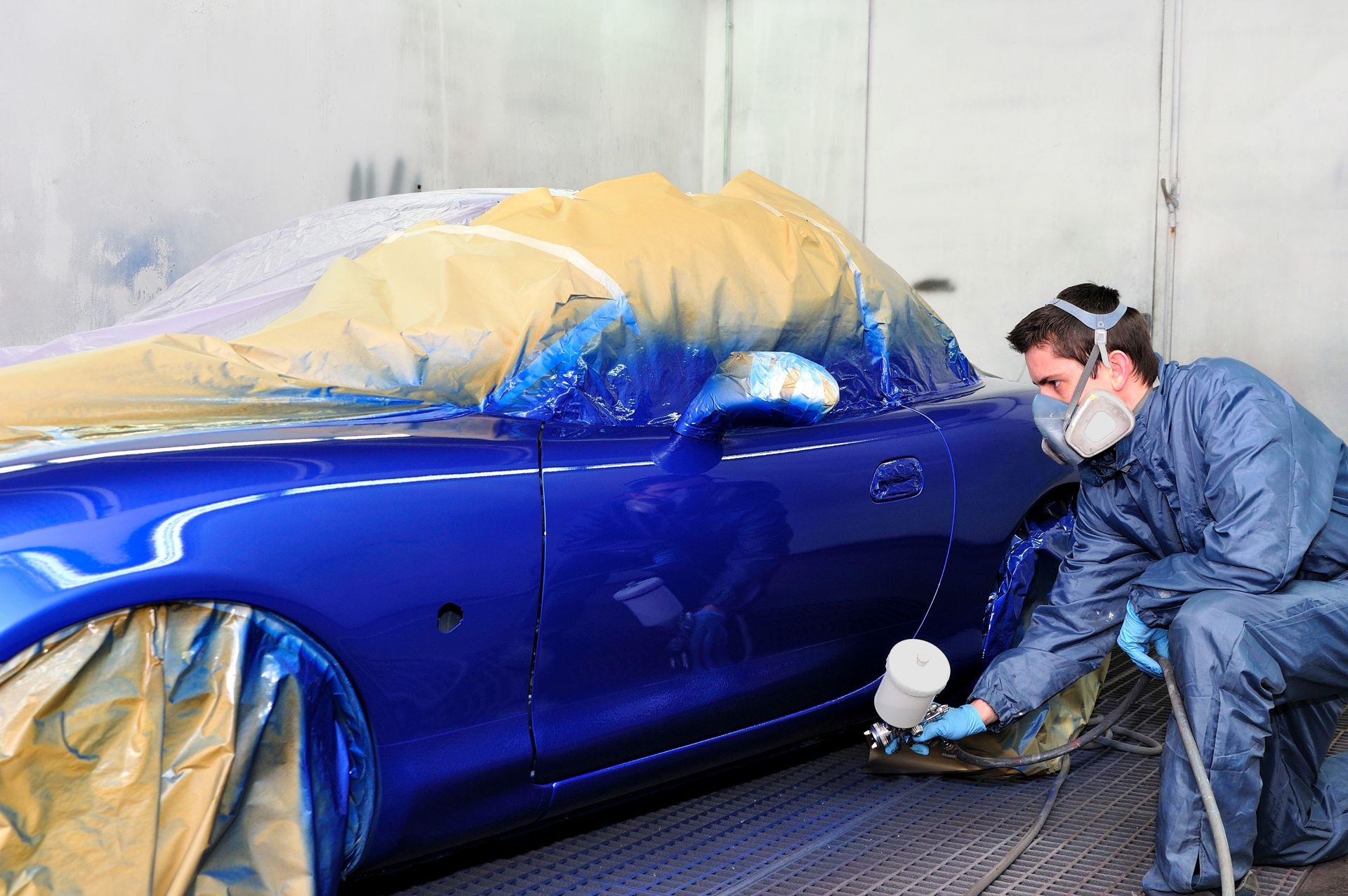
In an age of viral DIY hacks and “quick fix” social media tips, many motorists unknowingly put their vehicles at risk. To separate fact from fiction, the South African Motor Body Repairers’ Association (SAMBRA), a proud member of the Retail Motor Industry Organisation (RMI), asked two of its experts—Alewyn Muller, Vice Chairman for the Free State and Northern Cape, and Hendrik Griesel, Chairman for the Eastern Cape—to shed light on some of the most common misconceptions in car care.
“Most motorists are shocked to discover how sensitive modern automotive paints, plastics, and even safety systems have become,” says Muller. “A simple scratch or small bump can hide underlying issues you won’t see until the damage has spread.”
Griesel agrees: “What looks like an easy fix often ends up being a costly repair. With today’s complex vehicle construction, even minor damage can compromise safety-critical components.”
Myths Your MBR Wants You to Stop Believing
A tiny scratch or scuff is harmless
Any break in the clear coat exposes paintwork to UV rays and moisture. Rust often starts beneath the surface and goes unnoticed until it spreads. “What could have been a quick touch-up easily becomes a full respray if ignored,” warns Muller.
If the bumper looks intact and the car drives normally, there’s no damage
Modern bumpers conceal foam energy absorbers and crash sensors. Even a light impact can crush these components or throw sensors out of alignment, putting you at risk in your next accident, explains Griesel.
Toothpaste or baking soda will polish out scratches
Household abrasives can dull the paint and leave patches requiring professional machine polishing—or even repainting—to correct.
A plunger or suction cup will pull out dents
DIY dent removal often stretches panels or lifts the paint entirely. Proper paintless dent repair (PDR) demands specialist tools, controlled techniques, and extensive training.
Touch-up paint from a hardware store will match your car
Modern vehicles use water-based paints and complex multi-stage pearl finishes. Brush marks and mismatched colours often draw more attention than the original chip.
Replacement parts arrive already painted
New parts are supplied in primer only. Colour matching and painting must be done in a workshop, with curing times included. Even a standard bumper replacement may take a day or two depending on workload.
Hairline cracks aren’t necessarily paint defects
These are often pressure-point fractures that occur when a bumper is pushed or squeezed later. “This doesn’t automatically indicate bad workmanship,” says Griesel.
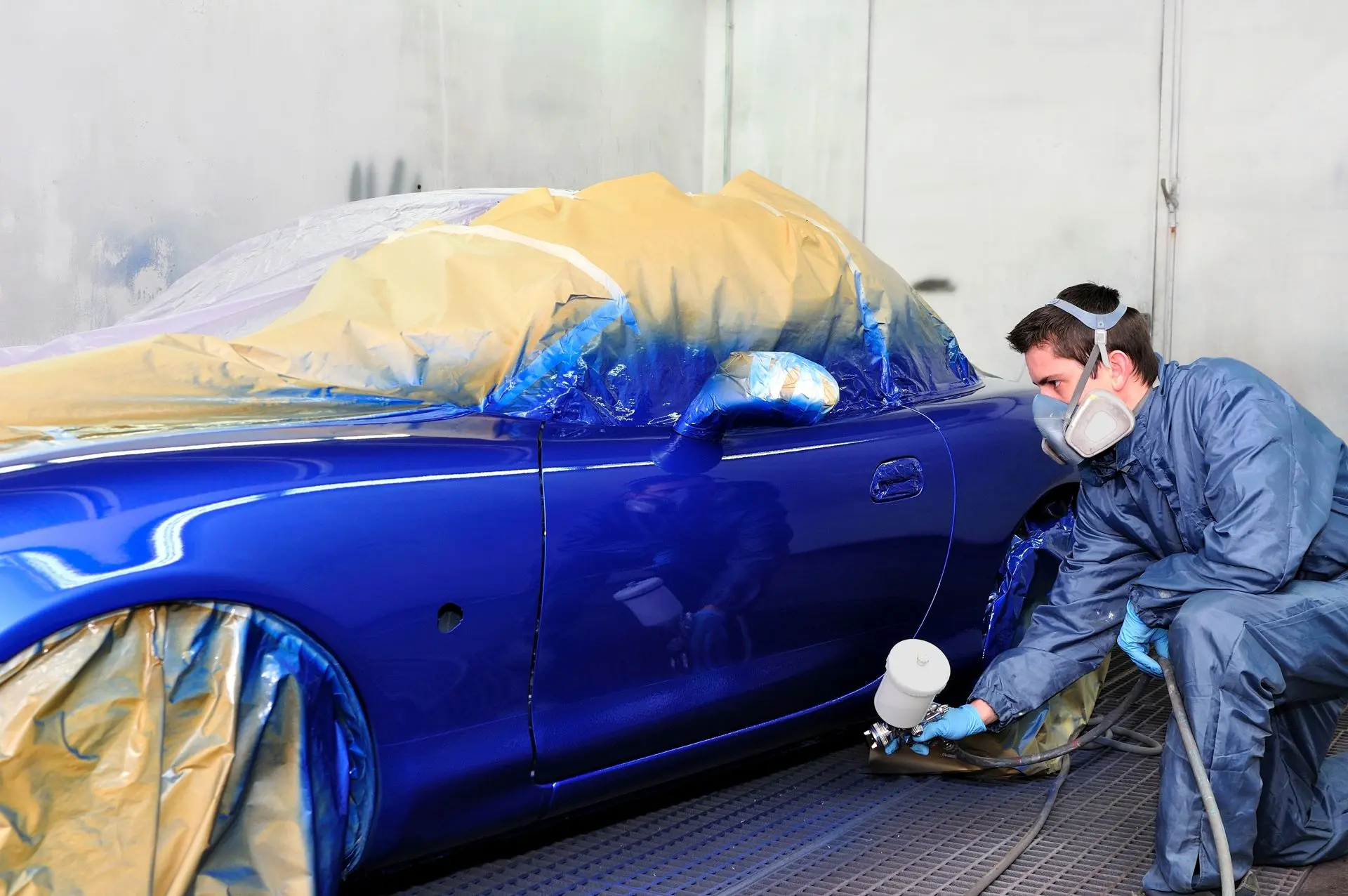
What Your MBR Wants You to Know
Beyond debunking myths, SAMBRA repairers share essential care tips to extend paint life and improve safety:
- Wash your car regularly – salt and road contaminants are highly corrosive.
- Remove bird droppings, tree sap, and fallout within 48 hours – these are acidic and can permanently etch paint.
- Repair stone chips early to prevent rust beneath the surface.
- Check wheel alignment after hitting a pothole or kerb; alloy wheels crack easily, and bent tie-rods aren’t always visible.
- Avoid repeated DIY cutting polishes – a few attempts can burn through the clear coat.
- Keep invoices from accredited SAMBRA repairers; documented repairs add value when selling your vehicle.
- When in doubt, consult a SAMBRA-accredited MBR. An inspection quickly determines whether a repair is urgent or can safely wait.
Griesel concludes, “If something looks off, even slightly, get it checked. Cars today are engineered to very tight tolerances, and small issues can quickly escalate.”
Muller adds, “Your MBR is there to help you protect your vehicle, your investment, and, most importantly, your safety. A quick conversation with a qualified repairer is always better than taking a chance on an untested shortcut.”


