


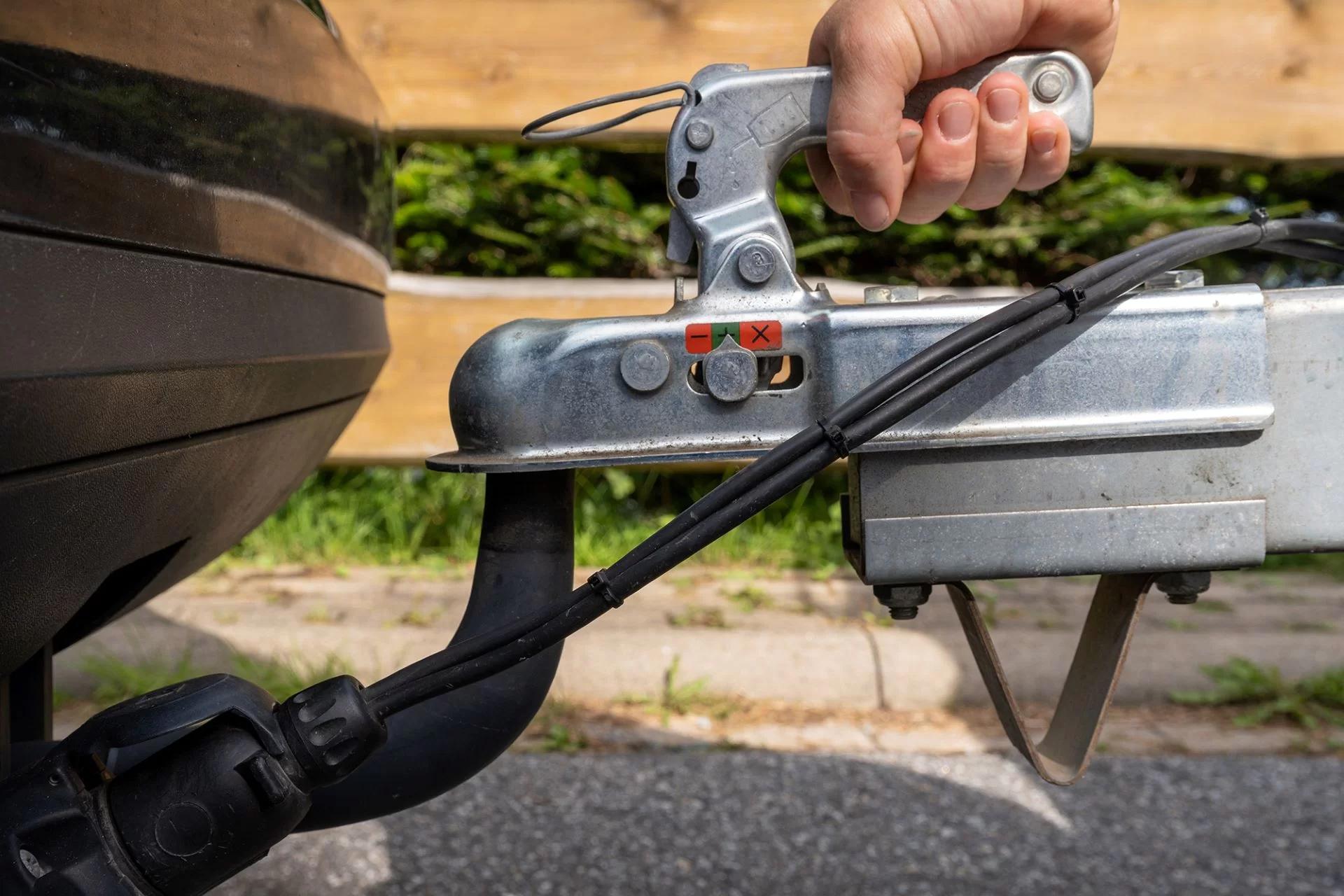
As summer approaches, many drivers will hit the road with trailers, caravans, and horse boxes in tow. With the recent removal of additional towing tests, it’s crucial for every driver to prioritize safety and responsibility, whether they’re towing for the first time or the hundredth. GEM Motoring Assist, a leading road safety and breakdown organization, offers five vital tips to ensure safer towing and help reduce incidents, injuries, and unnecessary breakdown call-outs.
W is for Weight
Before setting off, ensure you know your vehicle’s Gross Train Weight (GTW), which includes the weight of both your fully-loaded car and trailer. This information is usually found on your car’s Vehicle Identification Number (VIN) plate. Overloading your vehicle can lead to dangerous handling issues, including reduced acceleration and longer stopping distances. To avoid accidents, always stay within the GTW limits and maintain ample space between you and other vehicles on the road.
I is for Insurance
It’s essential to verify that your insurance policy covers towing. While most car insurance policies include third-party coverage for trailers or caravans, this typically doesn’t extend to your own property. In the event of a breakdown, make sure your breakdown cover includes trailers or caravans. GEM Motoring Assist offers comprehensive recovery services for trailers and caravans, ensuring that both the vehicle and its trailer are covered in case of an emergency.
S is for Speed
Speed limits for vehicles towing trailers are stricter than for those without. On single-carriageway roads, the maximum speed is 50mph, and on dual carriageways and motorways, it’s 60mph. Adhering to these limits and understanding additional towing rules, such as not using the third lane on a motorway, is crucial to avoid fines and maintain safety.
E is for Engine
Ensure that your vehicle is sufficiently powerful for the trailer you intend to tow. A good rule of thumb is that the trailer’s maximum mass should be 85% or less of your vehicle’s total kerb weight. This balance is key to safe and efficient towing, as a powerful engine helps manage the additional strain of towing and improves overall stability.
R is for Reversing
Reversing a trailer can be challenging but practicing in a large, open space can make it easier. Always move the steering wheel in the opposite direction to the trailer’s movement to steer it correctly. This technique can be tricky, but with patience and practice, you’ll gain confidence and skill in maneuvering your trailer safely.

GEM Motoring Assist’s head of road safety, James Luckhurst, emphasizes the importance of safety: “With the removal of trailer towing tests three years ago, it’s crucial for drivers to be responsible and knowledgeable about towing practices. Ensuring you’re prepared and confident before you set off is key to a trouble-free journey.”
By following these five tips, drivers can enhance their towing skills, ensure their vehicle and trailer are roadworthy, and enjoy a safer, more enjoyable summer on the roads.


