



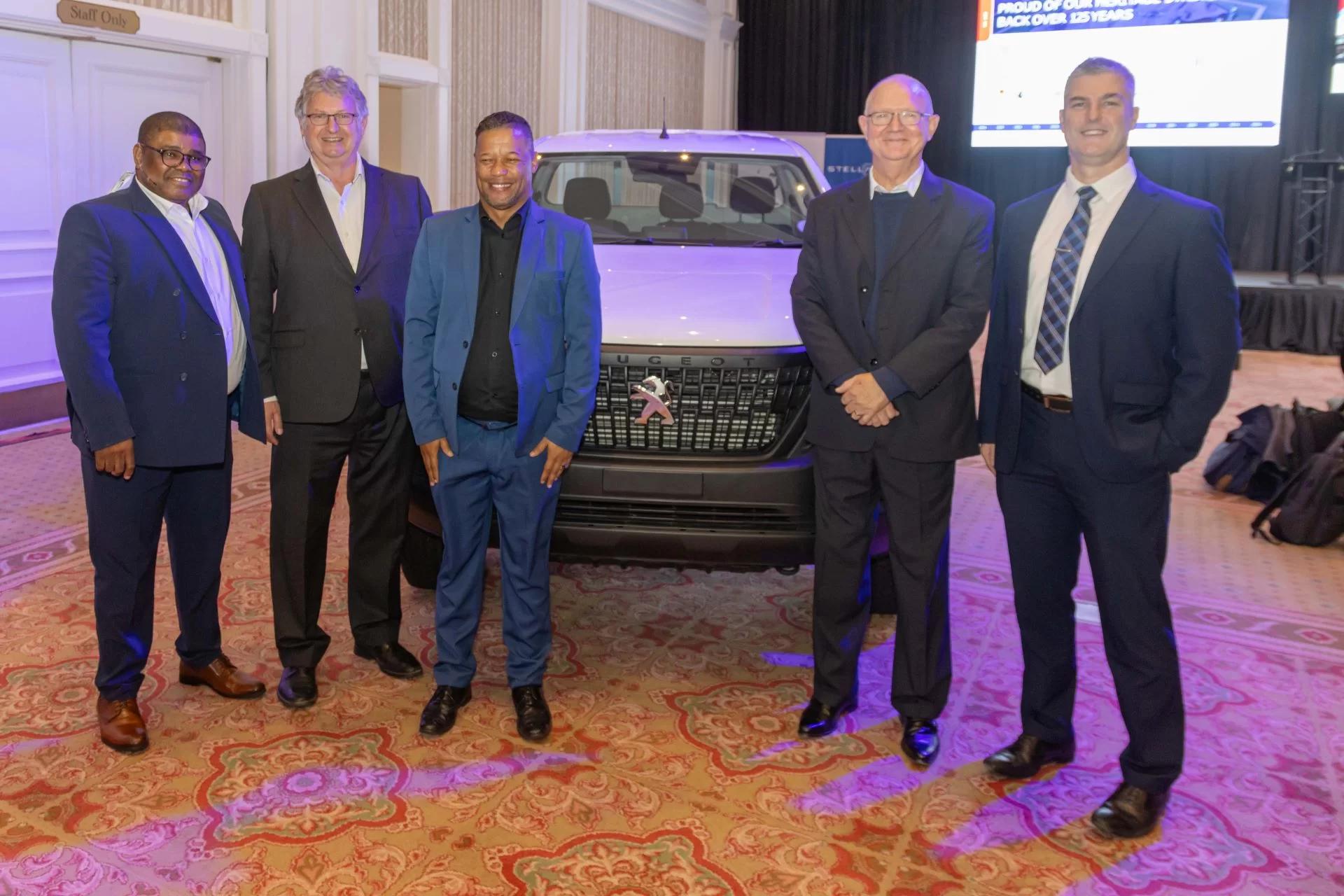
GQEBERHA, Thursday, June 5, 2024 – Stellantis was honored to be invited by the Nelson Mandela Bay Chamber of Commerce to inaugurate its first-ever “Bay of Opportunity Manufacturing Showcase,” currently underway over two days in Gqeberha, Eastern Cape. This was announced by Stellantis SA Managing Director, Mike Whitfield.
Nelson Mandela Bay, a hub for South Africa’s automotive manufacturing industry, hosts the majority of the nation’s component sector. It is here that Stellantis plans to establish a state-of-the-art automotive assembly plant with a R3-billion investment later this year.
“The project,” Whitfield remarked, “emphasizes the critical role Nelson Mandela Bay plays as an automotive manufacturing center and a strategic gateway for Stellantis to export vehicles across Africa and the Middle East.”
Addressing local leaders and industry captains, Whitfield highlighted Stellantis’s commitment to the circular economy, focusing on investing in operational areas, creating jobs, and boosting the local economy.
The construction of this plant is integral to Stellantis’s Dare Forward 2030 strategy, aimed at producing one million units annually, achieving 70% localization, and securing a 22% market share in the Middle East and Africa by 2030. This initiative complements existing Stellantis operations in North Africa, including Morocco, Algeria, Tunisia, and Egypt.
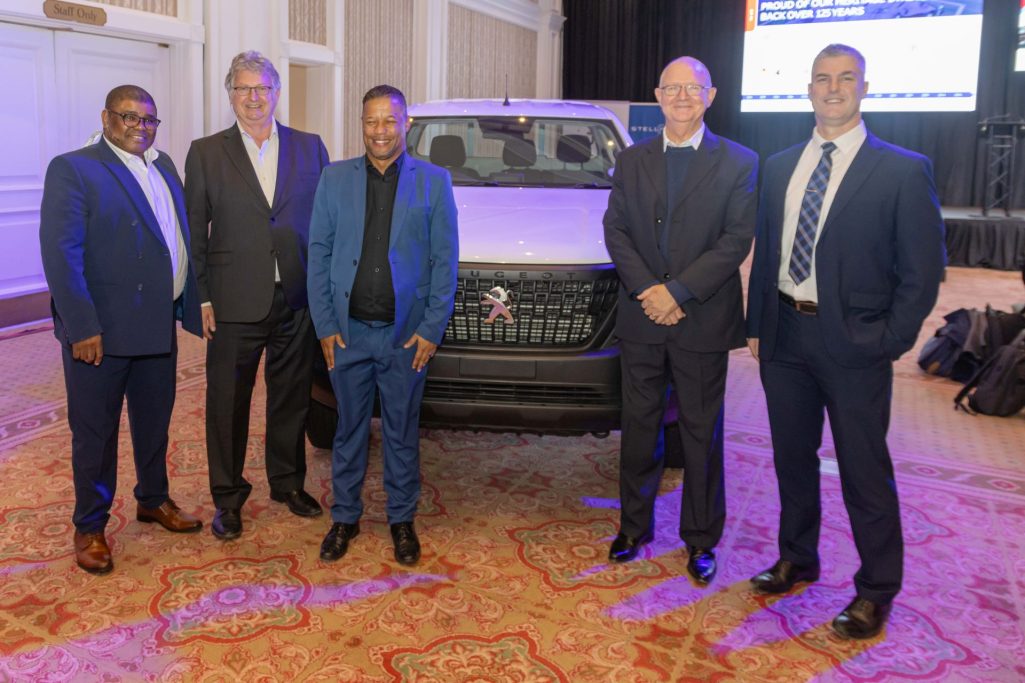
Whitfield confirmed that construction will commence soon, following the finalization of a joint venture agreement between Stellantis and South Africa’s Industrial Development Corporation, which will hold a 49% stake. The 32.5-hectare site, provided by the Coega Development Corporation, has undergone thorough environmental preparations, including the removal and rehoming of flora and fauna.
The plant’s construction is projected to conclude by the end of 2025, with production of the PEUGEOT Landtrek 1-ton pickup set to begin in Q1 2026. The facility will initially employ 1,000 people and produce 50,000 vehicles annually, with scalability potential up to 90,000 vehicles per year, primarily for export.
“This plant represents more than a physical building for vehicle production. It stands as a testament to the supportive environment created by the government and agencies like the Department of Trade, Industry and Competition, the Industrial Development Corporation, and the Coega Development Corporation,” Whitfield noted.
He concluded by emphasizing the long-term nature of automotive industry investments, which require a stable legislative environment to ensure fair play, protect investor interests, and provide a clear roadmap for all stakeholders.


