



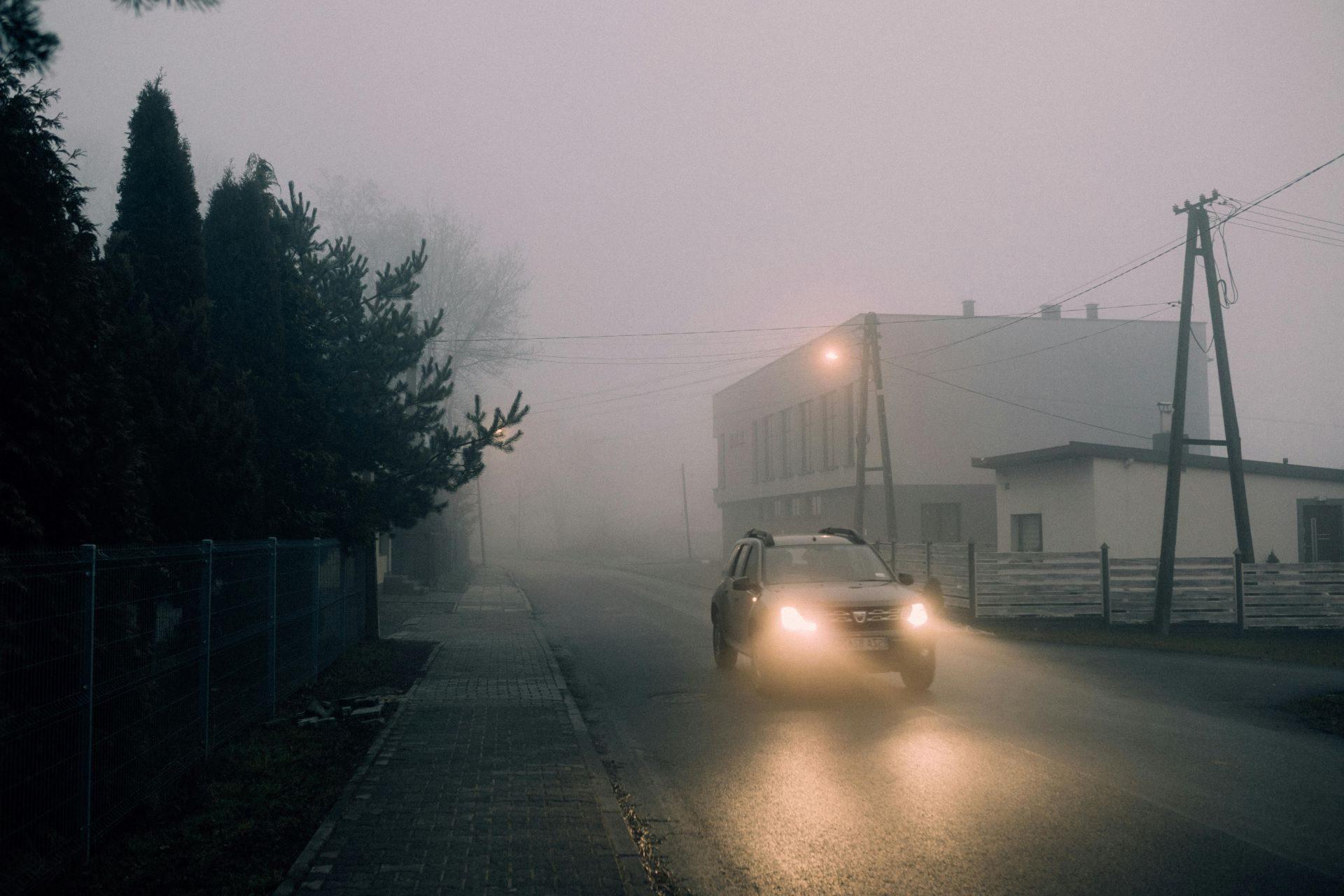
As a low-pressure system sweeps across South Africa, the country is being battered by intense winter weather, including heavy rains, gale-force winds, and plummeting temperatures. The Western Cape bore the brunt early on Wednesday, with Cape Town already experiencing significant flooding and powerful gusts, resulting in hazardous driving conditions and widespread disruption.
With the worst still to come for many inland regions, meteorologists are forecasting the lowest temperatures of the season toward the latter half of the week. In light of this, authorities are strongly advising citizens to avoid road travel wherever possible—especially in areas already affected by flooding and high winds.
Eugene Herbert, CEO of MasterDrive, acknowledges that complete avoidance is not always realistic. “It is not always possible to avoid the roads completely,” he says. “If you do need to drive, keep these tips in mind.”
Driving in Gale-Force Winds
Wind speeds of up to 90km/h have been recorded in parts of the country—posing a serious threat to road users. Vehicles with a high centre of gravity, such as SUVs, delivery vans, and trucks, are particularly vulnerable to crosswinds, but every driver should take extra care.
Herbert advises:
- Avoid exposed areas: Be particularly cautious on open highways, mountain passes, and elevated roadways.
- Never cross downed powerlines: Treat them as live and report them immediately to authorities.
- Avoid high, exposed bridges: These can act as wind tunnels and increase instability.
- Heed warning signage: Take extra care in areas flagged as high-risk during windy conditions.
- Be cautious around towed vehicles: Caravans and trailers are easily affected by wind and may become unstable.
- Refrain from overtaking trucks: Large vehicles may sway or block your vision during wind gusts.
- Pull over if conditions worsen: If driving becomes unsafe, find a sheltered place to stop and wait out the wind.
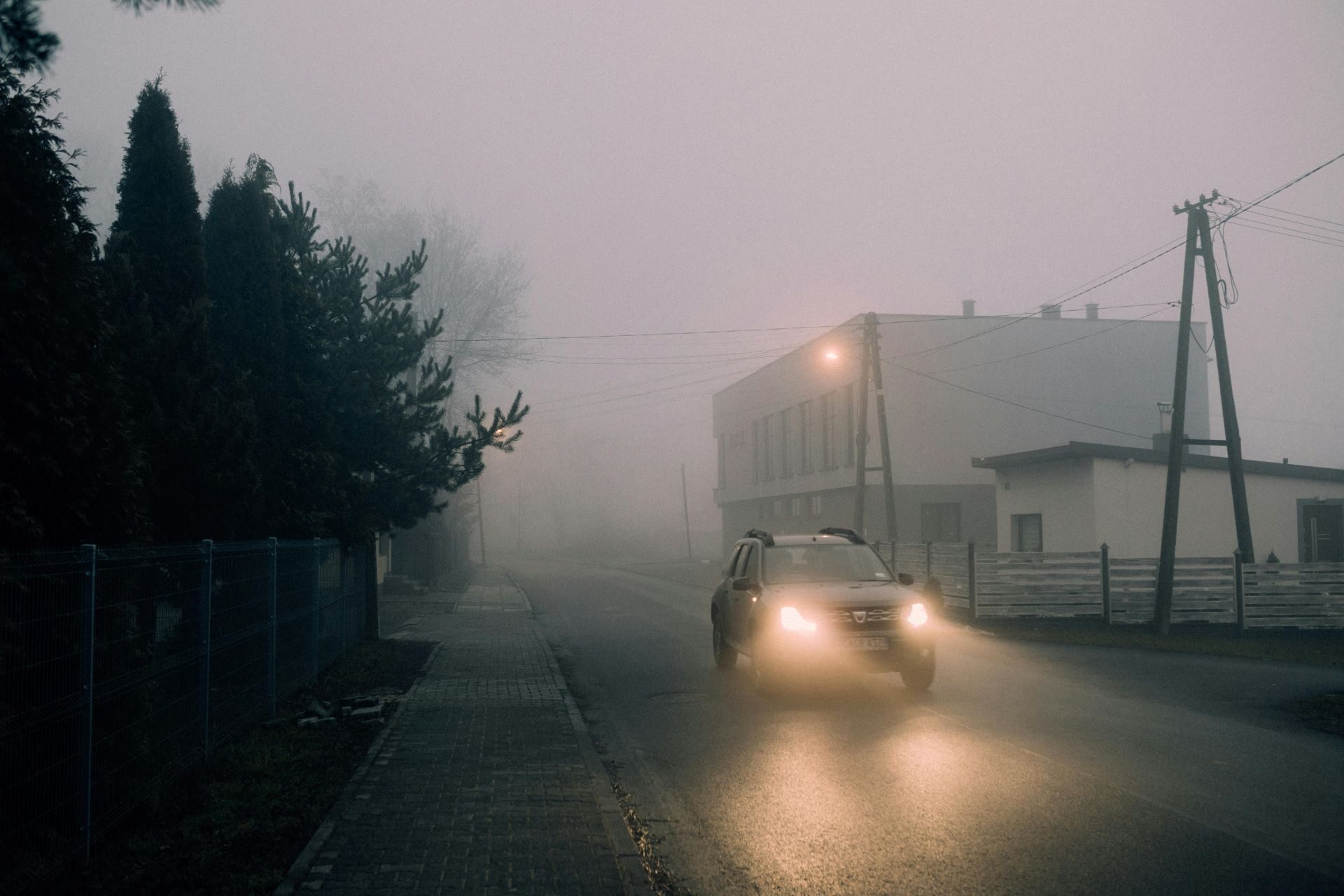
Flooded Roads: A Risk Not Worth Taking
The recent deluge in Cape Town has already caused road closures and water damage. With further rainfall on the horizon, drivers are urged to treat flooded roads with extreme caution.
“Driving through floodwaters is never a good idea,” warns Herbert. “Even shallow water can dislodge a car from the road surface.”
MasterDrive’s guidance includes:
- Avoid fast-flowing water: Judging depth is difficult and misleading—just 30cm of moving water can float most cars.
- If caught in water, drive slowly in low gear: Use first or second gear in manual cars and avoid revving the engine.
- Do not restart a stalled engine: If you suspect water ingress, have the vehicle checked before restarting.
- Letting in water can improve traction: In extreme cases where tyres are losing contact, allowing some water in may help stabilise the car.
- Abandon the vehicle if swept away is likely: But only if it’s safe to exit and seek higher ground.
- Recover from hydroplaning cautiously: Ease off the accelerator and steer gently—avoid slamming the brakes or overcorrecting.
- Look where you want to go: Focusing on hazards increases the chance of hitting them; instead, direct your gaze to a safe escape route.
Preparing for Frost and Freezing Conditions
While the coastal regions battle storms, interior provinces are expected to face a deep freeze. Cold weather impacts vehicle systems in subtle yet serious ways—making proper maintenance essential for safety.
Herbert recommends:
- Check your oil levels: Too low or too high can both cause engine trouble in freezing weather.
- Monitor tyre pressure: For every 10⁰C temperature drop, tyre pressure decreases—check it regularly.
- Don’t inflate tyres too hastily: In cold mornings, let the tyres warm up before deciding if pressure adjustments are needed.
- Use the right washer fluid: Choose one with anti-freeze properties to prevent ice build-up on your windscreen.
- Ensure coolant is topped up: Coolant prevents freezing in the engine and allows fluids to circulate correctly, even in sub-zero conditions.
Stay Alert, Stay Safe
As South Africa navigates one of its most challenging cold fronts of the year, the message is clear: if you don’t need to drive, don’t. But for those who must venture out, preparation and vigilance are key.
“Road safety doesn’t end with driving skill—it begins with understanding the conditions you’re in and adjusting accordingly,” says Herbert.
For more information and driving safety tips, visit MasterDrive’s official website or follow their social media channels for live updates and alerts.


