



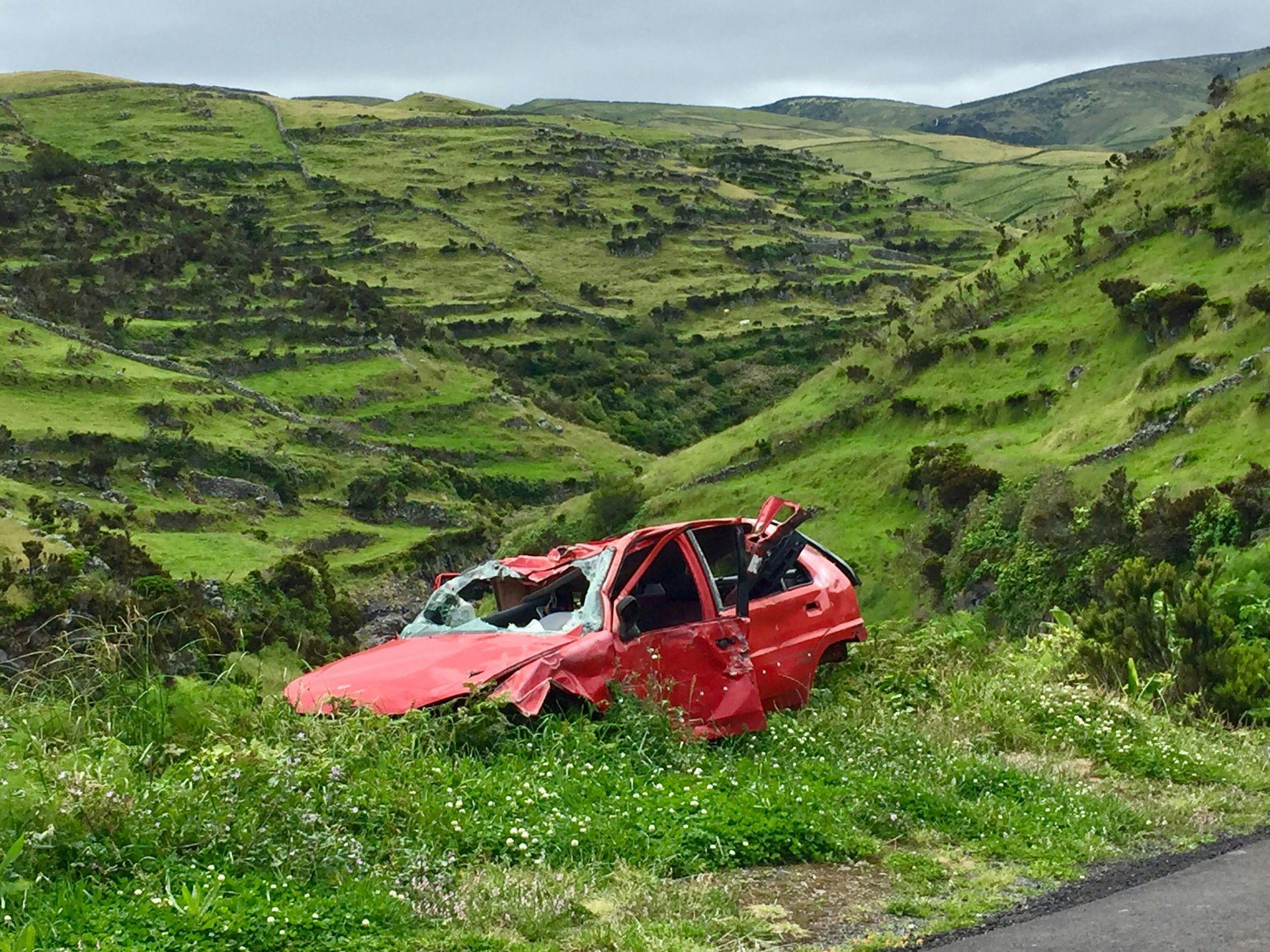
As December approaches, South Africa’s roads once again transform into bustling arteries of holiday travel. Families set off on long-distance trips, taxis and interprovincial buses run at full capacity, and freight deliveries surge to meet retail demand. The result: congested, fast-moving traffic and a heightened risk of accidents.
The statistics are sobering. According to the Road Traffic Management Corporation (RTMC), more than 1,552 fatalities were recorded over the December 2024/2025 festive season alone. These figures are a stark reminder that festive travel requires more than enthusiasm – it demands vigilance, planning, and preparedness for the unexpected.
As a specialist insurer in the commuter transport sector, CTU Commuter Transport Insurance works daily with taxi operators, bus fleets, and e-hailing services. Through this experience, CTU has seen how quickly roadside incidents can escalate when drivers and passengers are unprepared. This guidance is intended to help all South Africans travel safely and respond effectively during emergencies.
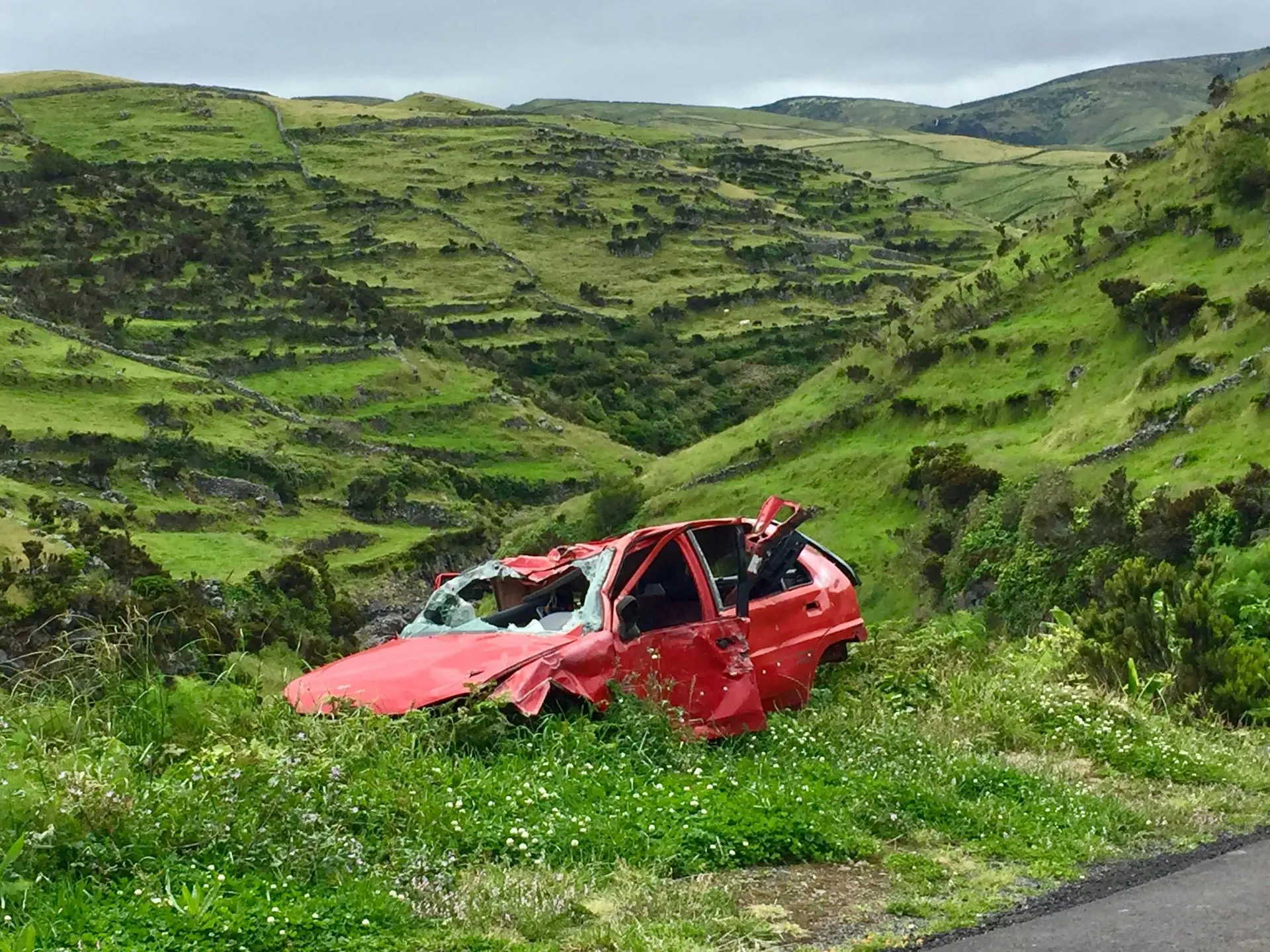
Beyond the Basics: What to Do After an Accident or Breakdown
Most road safety advice focuses on the essentials: buckle up, don’t drink and drive, and rest adequately. These are undeniably important, but there is another critical aspect: knowing how to respond after an accident or breakdown, when the risk of secondary crashes, injuries, and crime is highest.
1. Get to Safety – Immediately
Many highway collisions are followed by secondary impacts. Stationary vehicles can be struck again, and injured occupants are at risk if they remain inside or near the car. Fuel leaks and exposed wiring also increase fire hazards.
Key steps:
- Move the vehicle off the road or onto the shoulder if possible.
- Exit immediately and move everyone 10–20 metres away from traffic.
- Do not stand in or near moving traffic.
2. Call the Right Emergency Numbers
Speedy, correct communication is vital. Contacting the appropriate responders ensures faster assistance.
- Dial 112 from any cellphone for national emergency services.
- Save local EMS numbers for the provinces you’ll be travelling through.
- Use region-based towing services—they offer the fastest turnaround.
3. Assist the Injured Safely
Before helping, confirm you are not in harm’s way. Avoid moving injured persons unless there is an immediate threat such as fire, fuel leakage, or oncoming traffic. Incorrect movement can worsen spinal or internal injuries.
If trained, apply basic first aid:
- Stop bleeding.
- Keep the person warm and still.
- Wait for professional care.
4. Protect Against Crime
Accident scenes can attract opportunistic criminals. Stay vigilant:
- Keep personal items concealed.
- Stay in a visible but secure position.
- Only engage with police, uniformed responders, or verified officials.
- Be cautious of strangers arriving uninvited.
5. Notify Your Insurer Promptly
Early reporting helps ensure claims are processed efficiently. Include:
- Photos of the scene and damage.
- Police case number.
- Insurance and vehicle details of all parties.
- A sketch of the accident scene, tow operator details, and medical reports if applicable.
6. Use Only Authorised Towing Services
Unsanctioned towing can lead to inflated costs and withheld vehicles. Verify:
- Operator identification and registration with your insurer.
- Written cost estimates before approving the tow.
- Photograph the operator card and tow truck for records.
Travel Smart, Travel Safe
December travel is part of South Africa’s festive rhythm. Families reunite, provinces fill with visitors, and our long roads become shared spaces. CTU urges all motorists to remain alert, make safety-first decisions, and be ready to act smartly if something goes wrong. Your safety, and that of your passengers, relies on preparation, awareness, and informed action.


