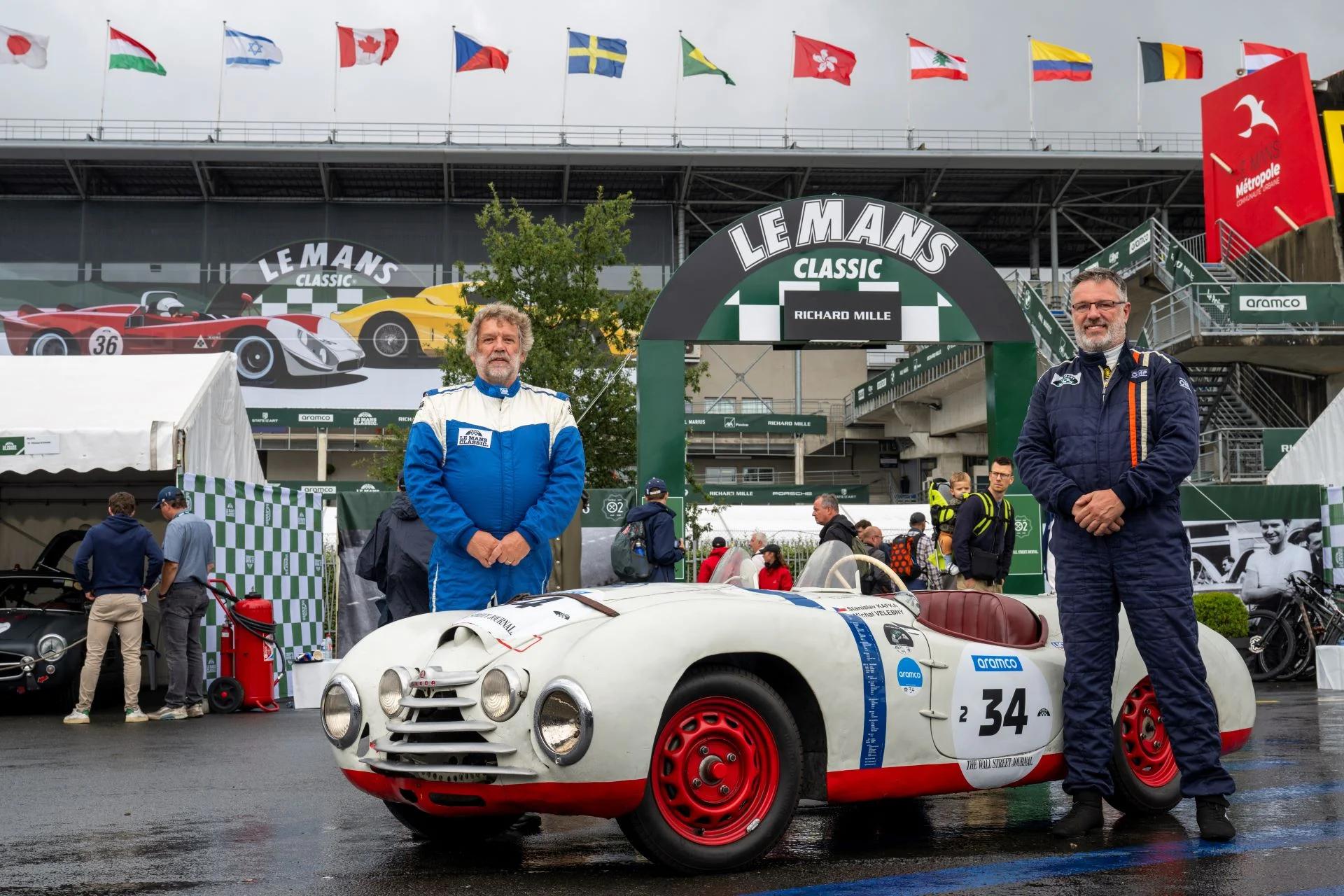
Mladá Boleslav, 7 July 2025 — A poignant chapter in motorsport history was revisited this past weekend as the original Škoda Sport, a uniquely Czech symbol of endurance and engineering, once again took to the iconic Circuit de la Sarthe for the 2025 edition of the Le Mans Classic. Seventy-five years after its only competitive appearance at the legendary 24 Hours of Le Mans, this singular piece of Czech racing heritage returned not merely as a museum piece, but as a living tribute to Škoda’s enduring spirit—and on the occasion of the brand’s 130th anniversary, no less.
Le Mans 1950: A Daring Debut Behind the Iron Curtain
The story begins on 24 June 1950 at exactly 16:00. Czech driver Václav Bobek sprinted across the Le Mans grid, leapt into the cockpit of car number 44—the Škoda Sport—and launched into what would become a momentous but short-lived race. With co-driver Jaroslav Netušil, Bobek piloted the two-seater, hand-crafted aluminium racer through the early hours of competition, placing second in its class and fifth overall on the performance index by dawn.
Crafted using components from the post-war Škoda 1101 ‘Tudor’ and weighing just 700 kg with spares onboard, the Škoda Sport was powered by a 1,089 cm³ four-cylinder engine producing 50 hp (37 kW). Its top speed of 140 km/h and low fuel consumption—just 12 litres per 100 km—allowed fewer pit stops and a competitive edge, however fleeting. Sadly, its run ended on lap 121 due to a minor mechanical failure—a broken piston pin circlip—rendered irreparable under race regulations. Still, the car’s performance, as much as its presence at Le Mans amidst Cold War tensions, earned it a lasting legacy.
Preserving a Legend: Restoration and Rebirth
One of only two Škoda Sport vehicles ever built, this car was once thought lost to time. Its re-emergence, and meticulous six-year restoration, preserved as many original components as possible—including its battle-worn aluminium skin—transforming it from a relic into a race-ready classic. The car first returned to Circuit de la Sarthe in 2022, and has since been a regular participant in the Le Mans Classic, an event that celebrates the golden age of endurance racing.
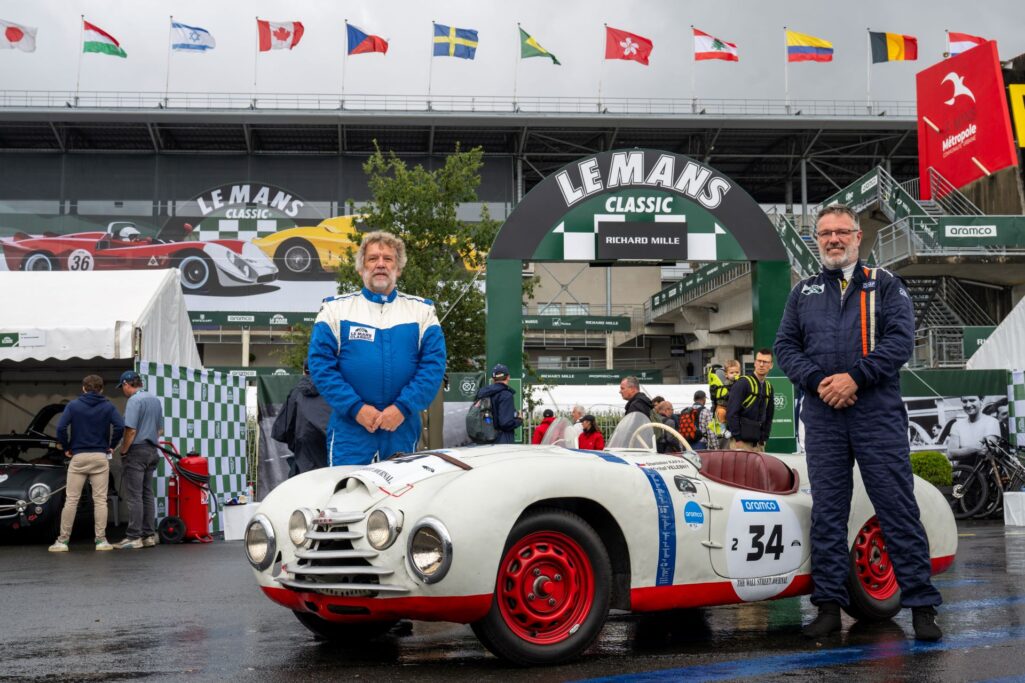
This year, the Škoda Sport’s presence at the 2025 Le Mans Classic was more than symbolic. Taking place from 3 to 6 July, it marked 75 years since the car’s original appearance at Le Mans and celebrated 130 years of the Škoda brand. Driven by restoration specialists Stanislav Kafka and Michal Velebný, the vehicle once again drew admiring eyes for both its aesthetic charm and its poignant historical narrative. “Every time we climb into this original cockpit on this iconic circuit, we picture the Bobek–Netušil crew taking the start in 1950. It’s a truly special moment for Škoda and for us personally,” the pair commented.
Engineering That Echoes Through Time
The Škoda Sport was more than just a pretty face. Tailored for endurance, it featured practical modifications for Le Mans, such as extended wheelbase for improved stability, a specially designed radiator grille for brake cooling, and additional headlights for nighttime visibility. The 12V electrical system was provided by Czech supplier PAL, and the car ran on a bespoke blend of petrol, ethanol, and acetone—technology that, even in 1950, hinted at innovative thinking.
Its performance this year echoed its former promise. Despite competing against a field of similarly storied classics, the Škoda Sport secured a 36th place finish on the performance index—a respectable result for a car born of an era now consigned to the history books.
A Legacy Reaffirmed
The return of the Škoda Sport to Le Mans is more than a nostalgia trip. It is a reaffirmation of Škoda’s engineering DNA, its motorsport heritage, and its resilience in the face of history. At a time when the brand is embracing electrification, digitalisation, and a global future, the echoes of 1950 remind us of the brand’s fearless beginnings—and the road that lies ahead.
As Škoda commemorates 130 years of innovation and endurance, the Škoda Sport’s return to Le Mans offers a poignant reminder: true legends never really retire. They simply wait for the right moment to race again.