


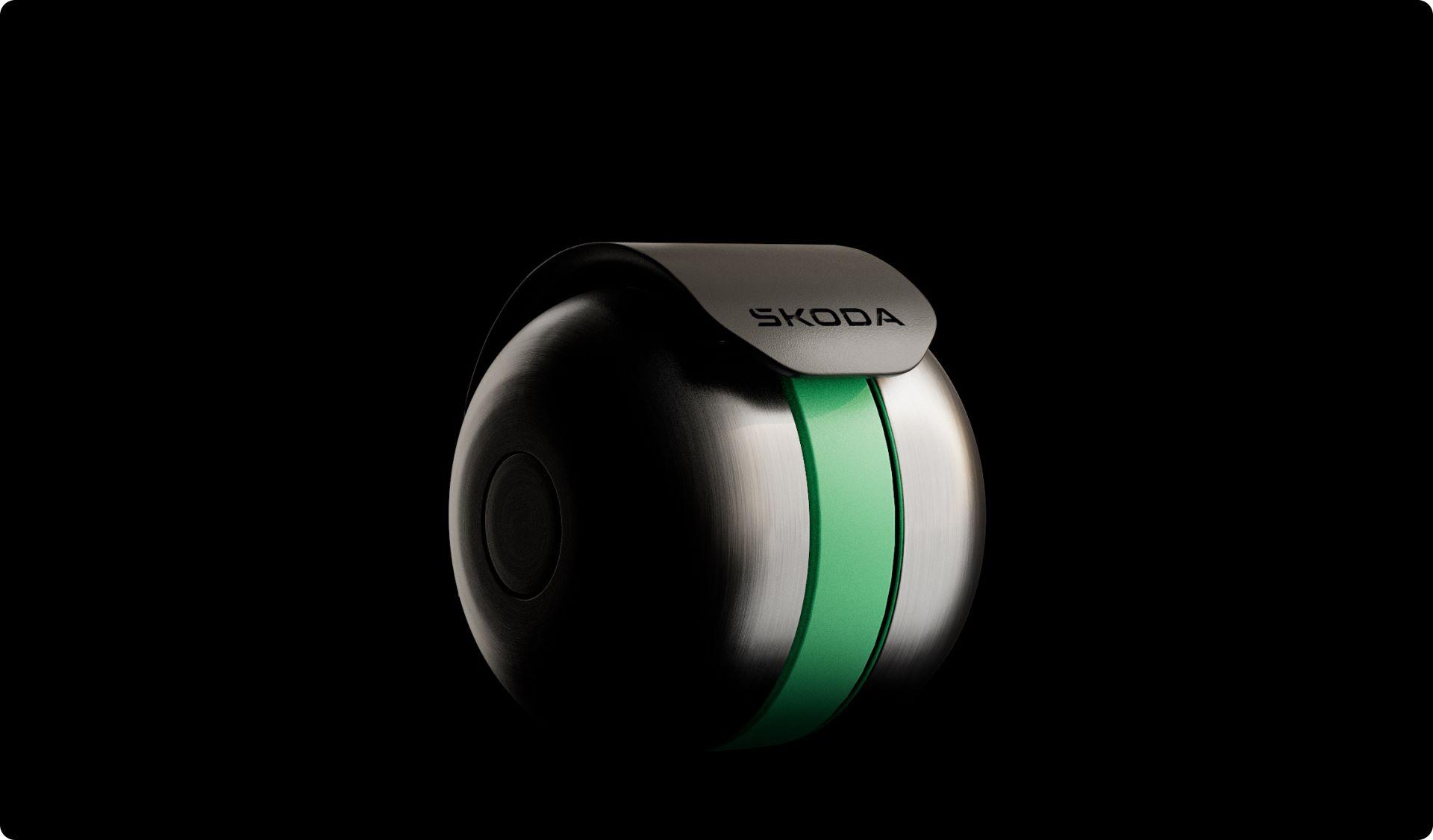
Škoda has taken one of cycling’s simplest components and quietly turned it into a piece of acoustic ingenuity. The new DuoBell bike bell doesn’t rely on volume alone to command attention. Instead, it works with the strange, invisible mechanics of modern listening habits, slipping through the digital filters of noise-cancelling headphones to restore something cities have been steadily losing: awareness.
The timing feels almost inevitable. In cities like London, where cyclists are expected to outnumber drivers, the balance of urban movement is shifting. But as two-wheeled traffic increases, so too does friction. Data from Transport for London shows bike–pedestrian collisions rose by 24% in 2024, with one unlikely culprit emerging from the crowd: active noise cancellation. Designed to create pockets of silence in noisy environments, ANC technology has inadvertently dulled the subtle cues that keep shared spaces safe.
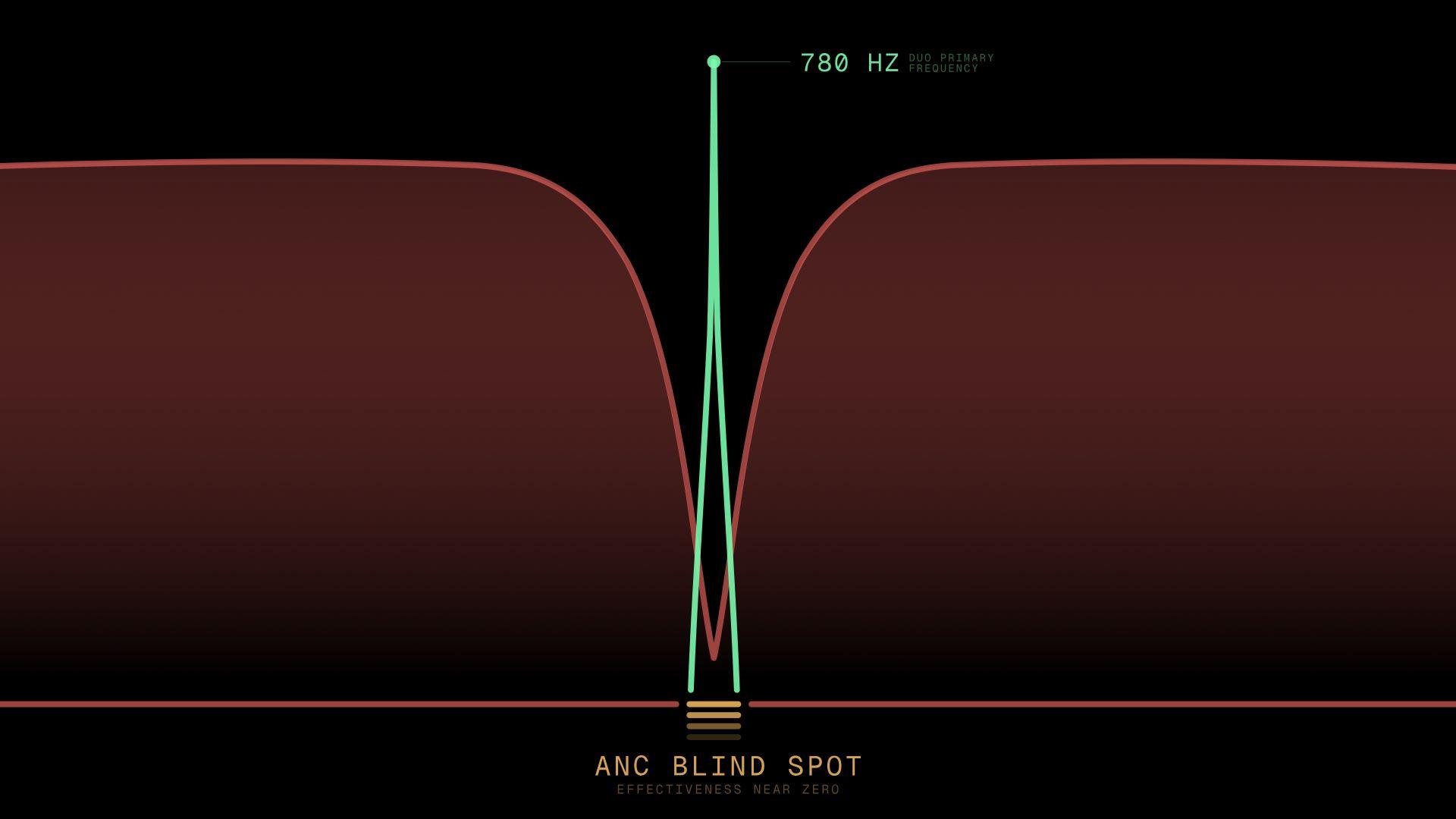
Škoda’s response is not louder, but smarter. Working alongside researchers and acousticians from the University of Salford, the brand set out to understand exactly how ANC systems interpret sound. These systems generate inverse sound waves that cancel incoming noise before it ever reaches the ear, effectively erasing familiar signals like a traditional bike bell. What the research uncovered, however, was a narrow acoustic loophole. A specific frequency range between 750Hz and 780Hz consistently slipped through the net, a kind of sonic blind spot in the algorithm.
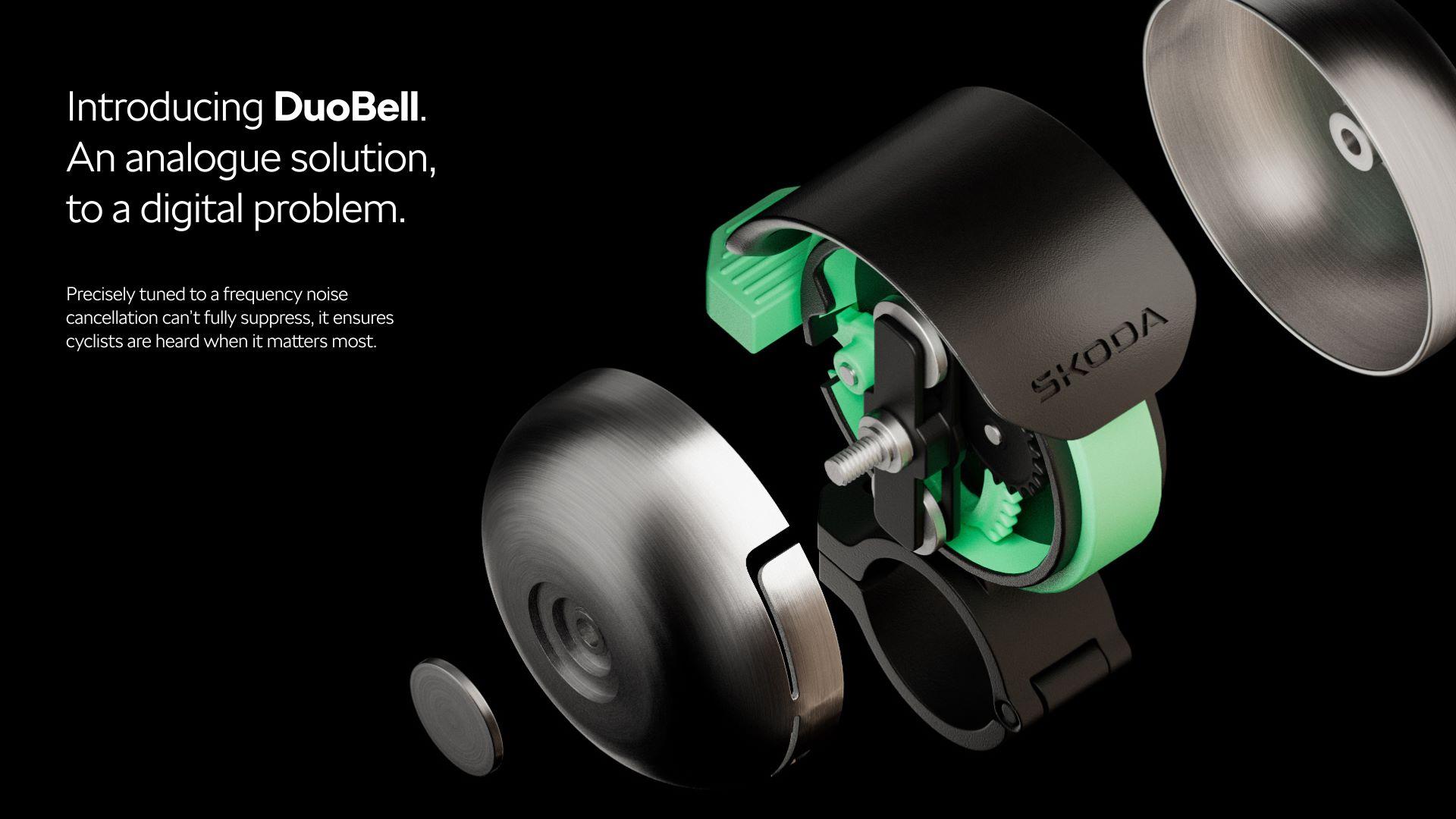
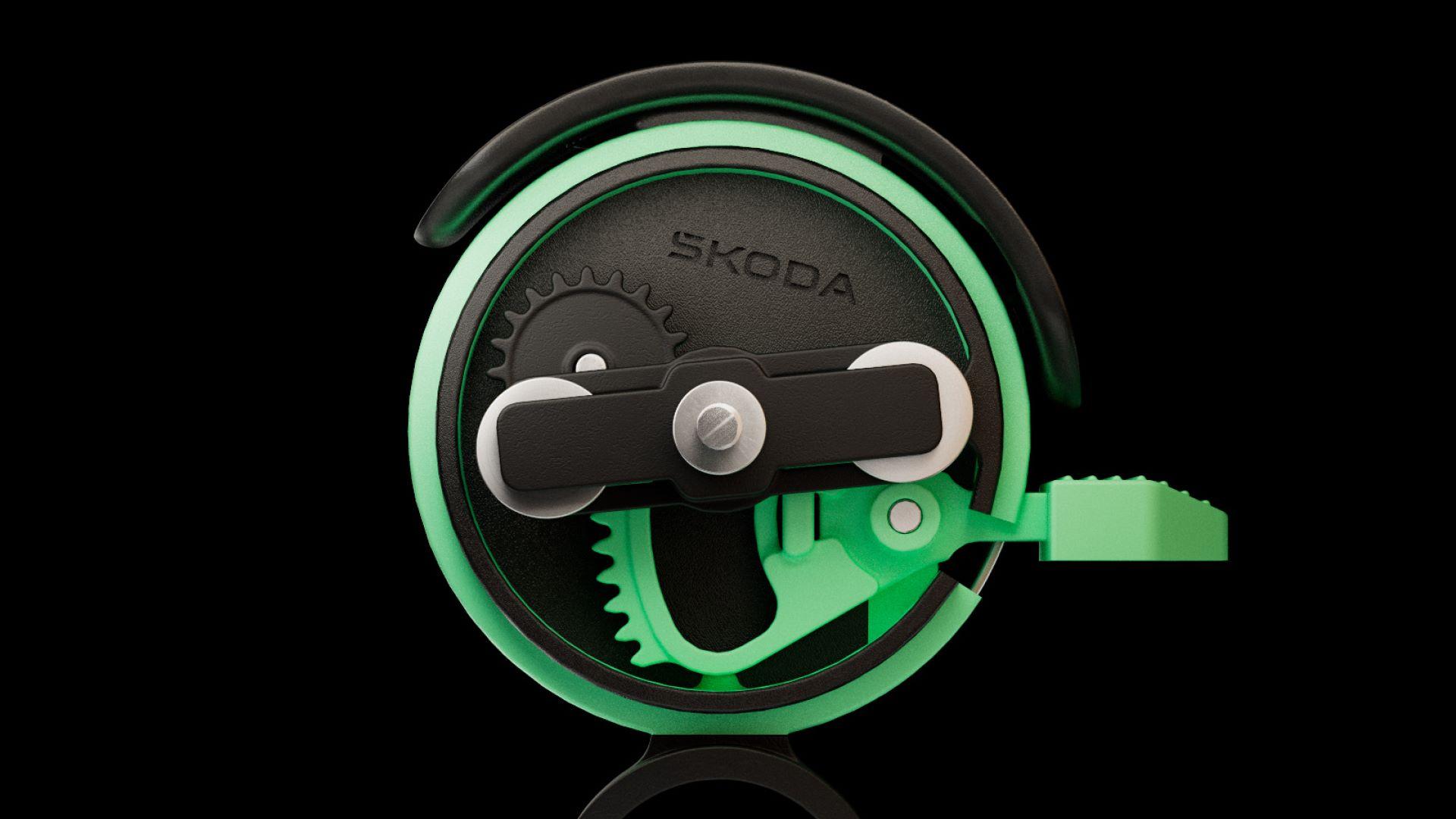
That discovery became the foundation of DuoBell. Developed in collaboration with creative agency AMV BBDO, PHD Media’s innovation team and production company Unit 9, the bell introduces a second resonator tuned precisely to this “safety gap.” Its striking mechanism avoids predictable rhythms, producing rapid, irregular impacts that prevent ANC systems from locking onto and cancelling the sound. The result is something deceptively simple yet technically nuanced: a bell that can be heard even when the listener believes they’ve shut the world out.
Real-world testing added weight to the theory. In a two-week trial involving Deliveroo riders navigating dense urban environments, the DuoBell demonstrated measurable gains in reaction time. Pedestrians wearing noise-cancelling headphones were able to respond up to five seconds earlier, with as much as 22 metres of additional distance to react. In the choreography of city movement, that margin can be the difference between a near miss and a collision.
For the riders themselves, the change felt immediate and personal. One participant described the experience as finally having a voice in the streets, a small but meaningful shift in how cyclists assert their presence among distracted foot traffic. It’s a reminder that safety innovations don’t always need to be complex or digital. Sometimes they just need to be perceptive.
Škoda has chosen to make its findings public through an open-source white paper, positioning the project as more than a brand exercise. It becomes a shared resource, an invitation for further exploration into how technology shapes human awareness. Supporting this is a broader awareness campaign featuring mathematician and broadcaster Professor Hannah Fry alongside delivery rider London Hustle, extending the conversation into the spaces where distraction is most common.
There’s a quiet symmetry to the story. Škoda began life in 1895 as a bicycle manufacturer, and more than a century later, it returns to that origin with a solution that feels both old-world and forward-thinking. The DuoBell doesn’t fight technology with more technology. It sidesteps it, finding a narrow path through the noise and letting a familiar sound ring true again.