


In the grand theatre of global design, few stages carry the cultural gravity of Milan Design Week. This April, Škoda Auto steps back into the spotlight, transforming the historic Palazzo del Senato into a living, breathing canvas of colour, curiosity and controlled imagination.
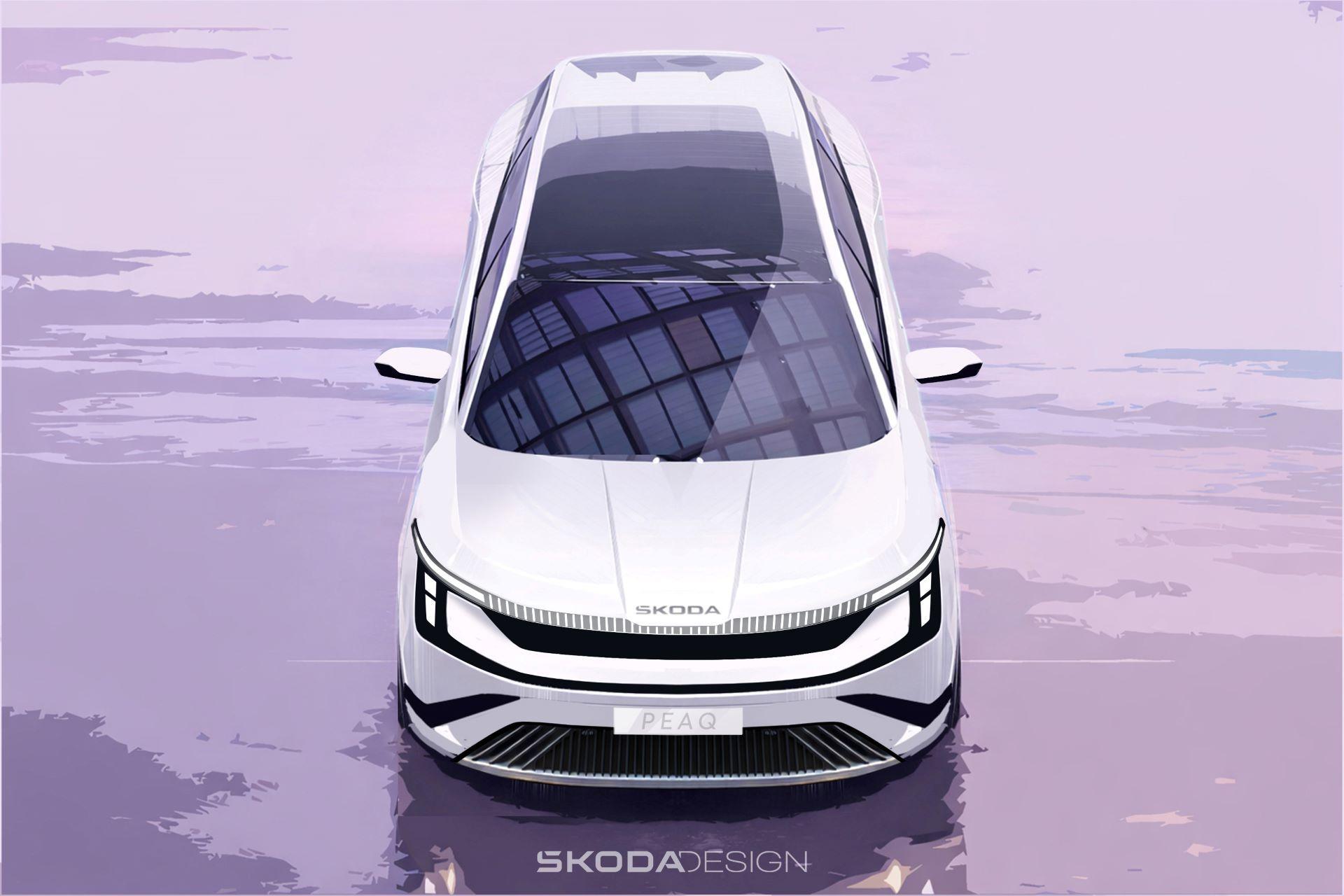
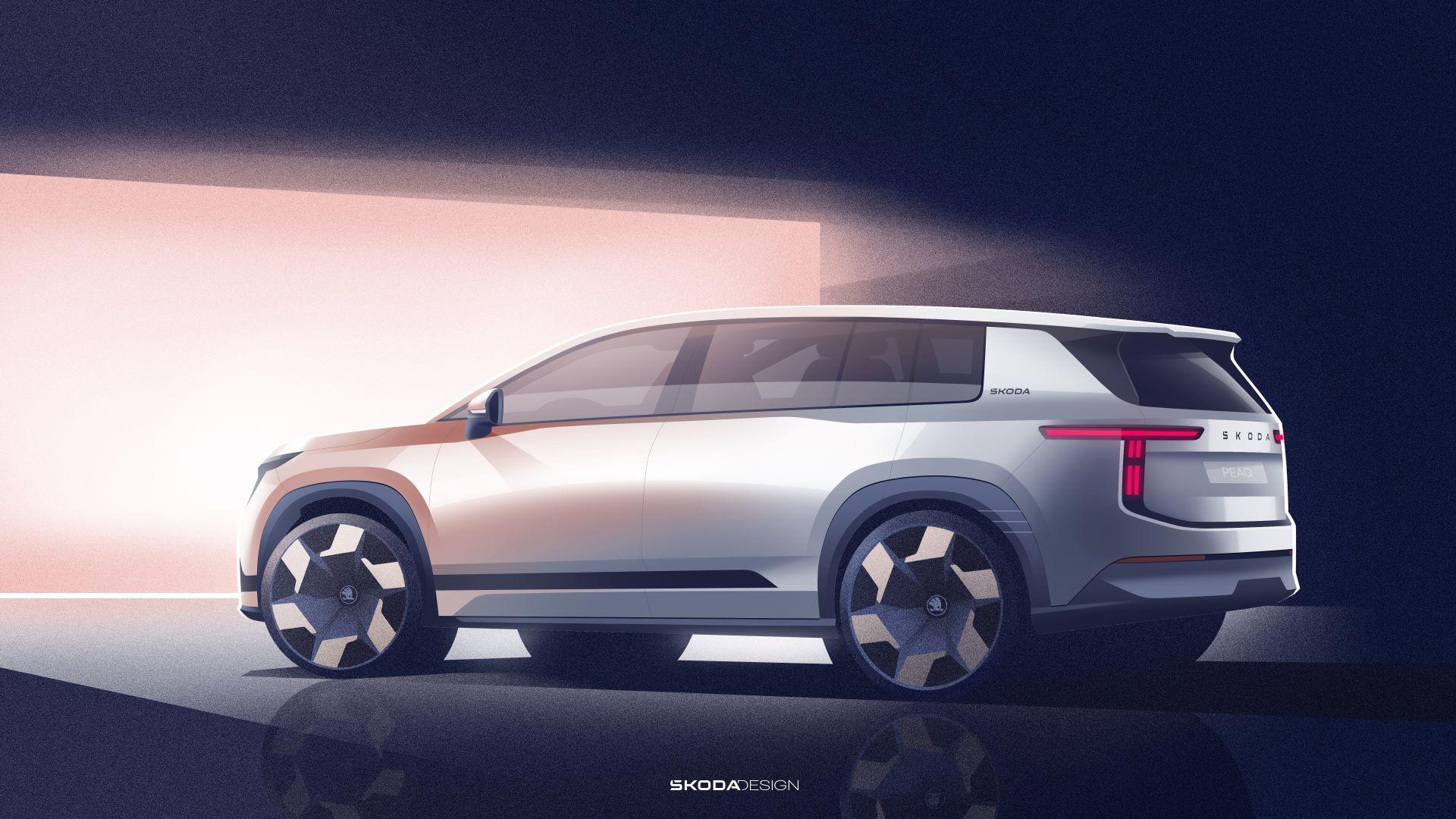
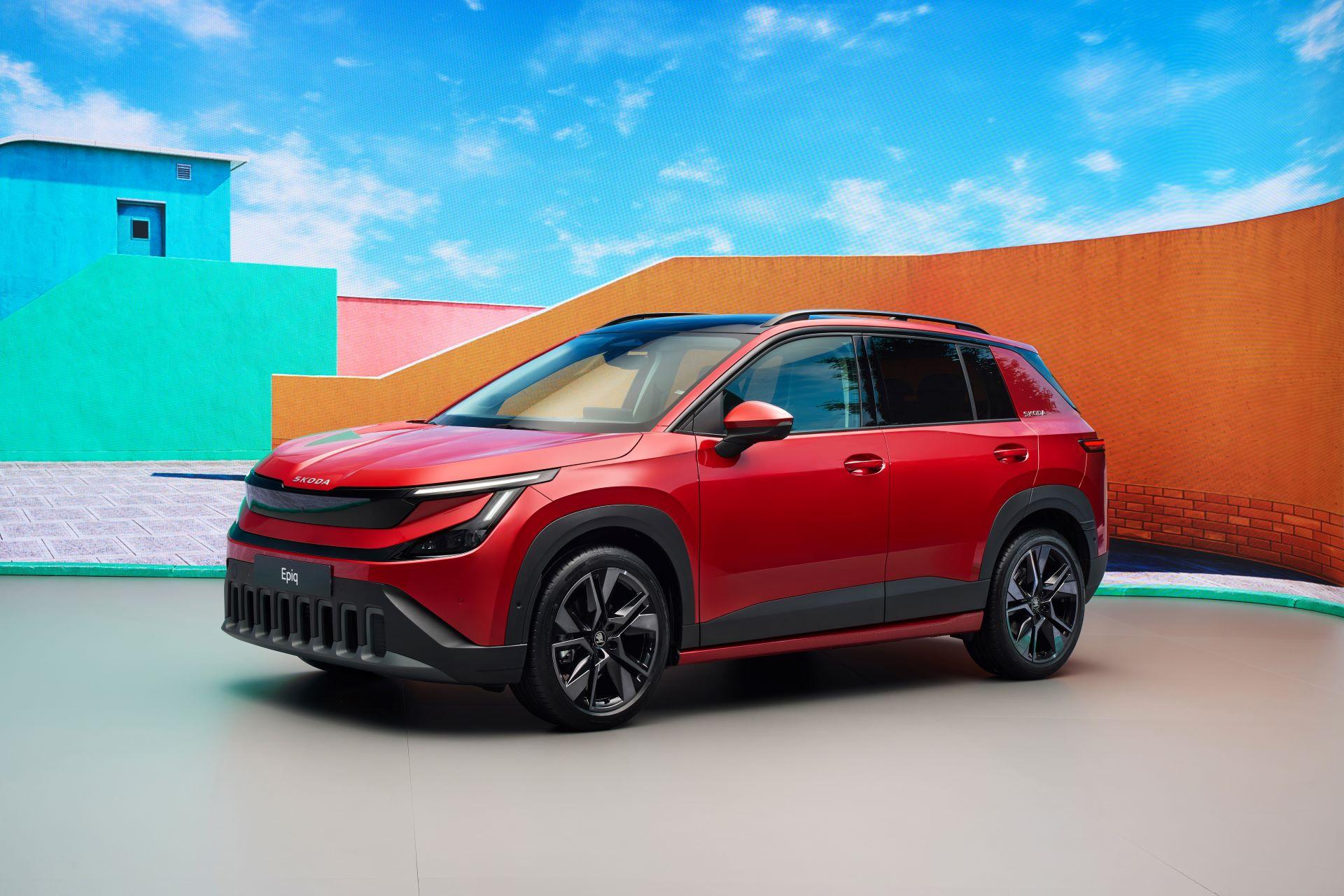
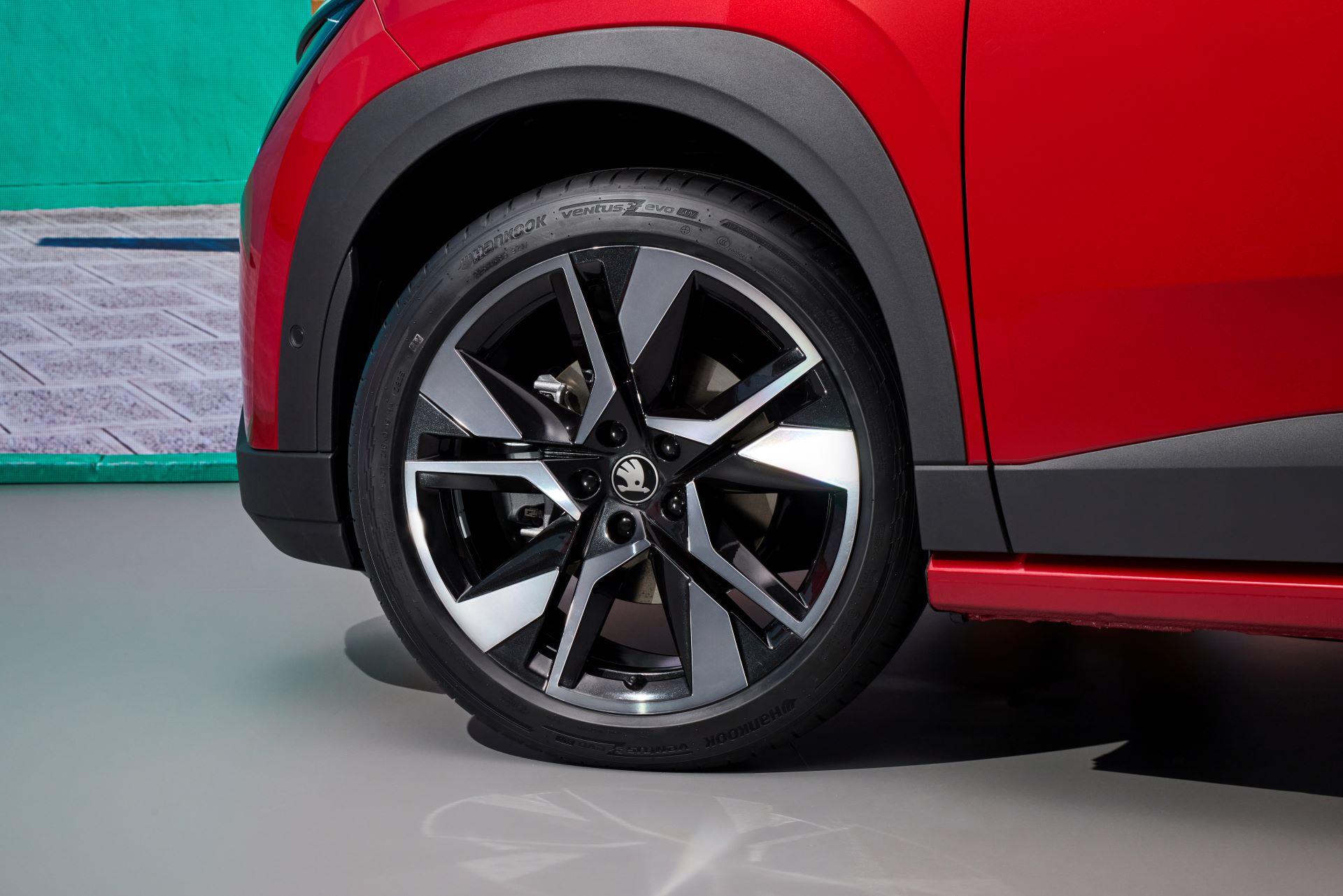
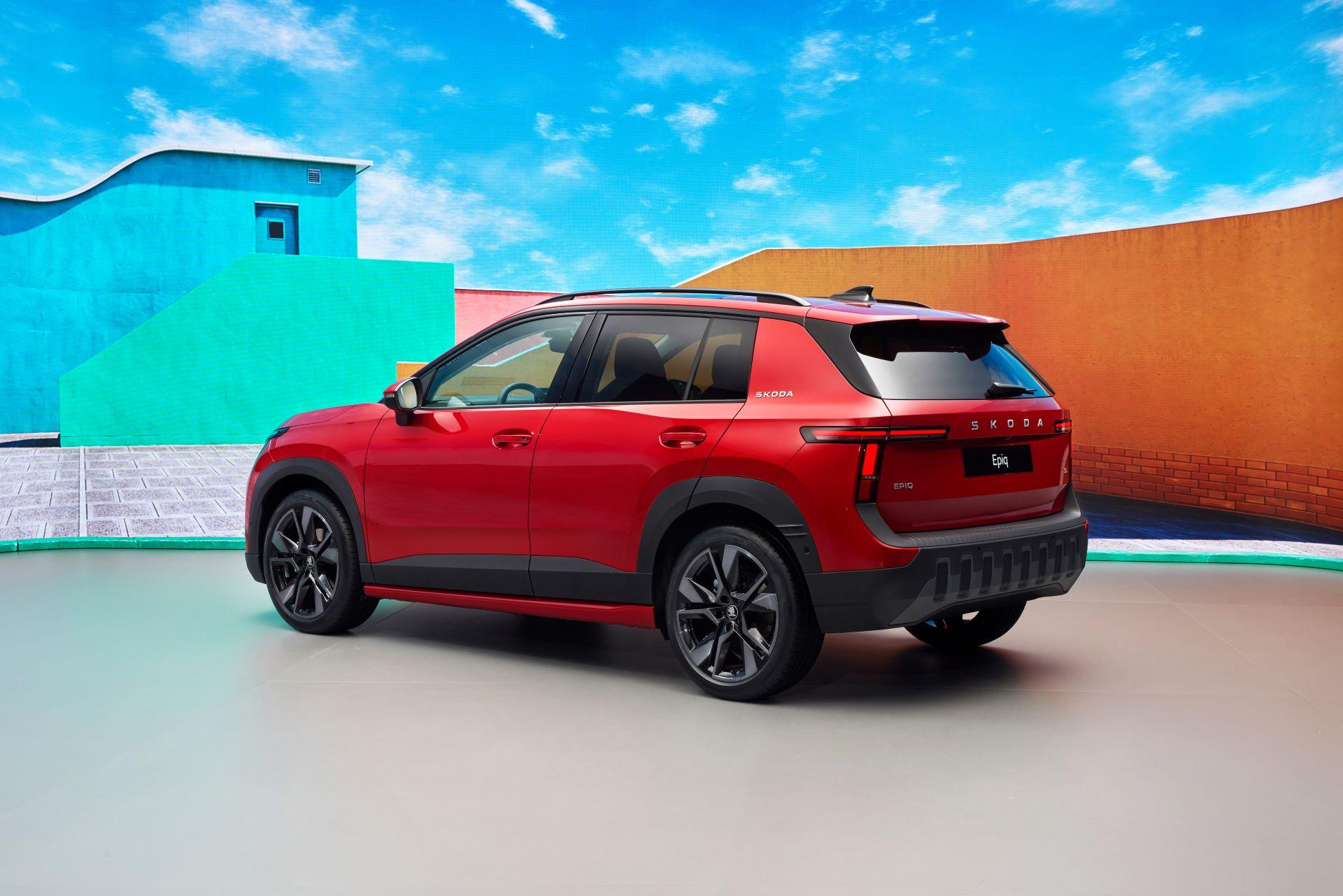
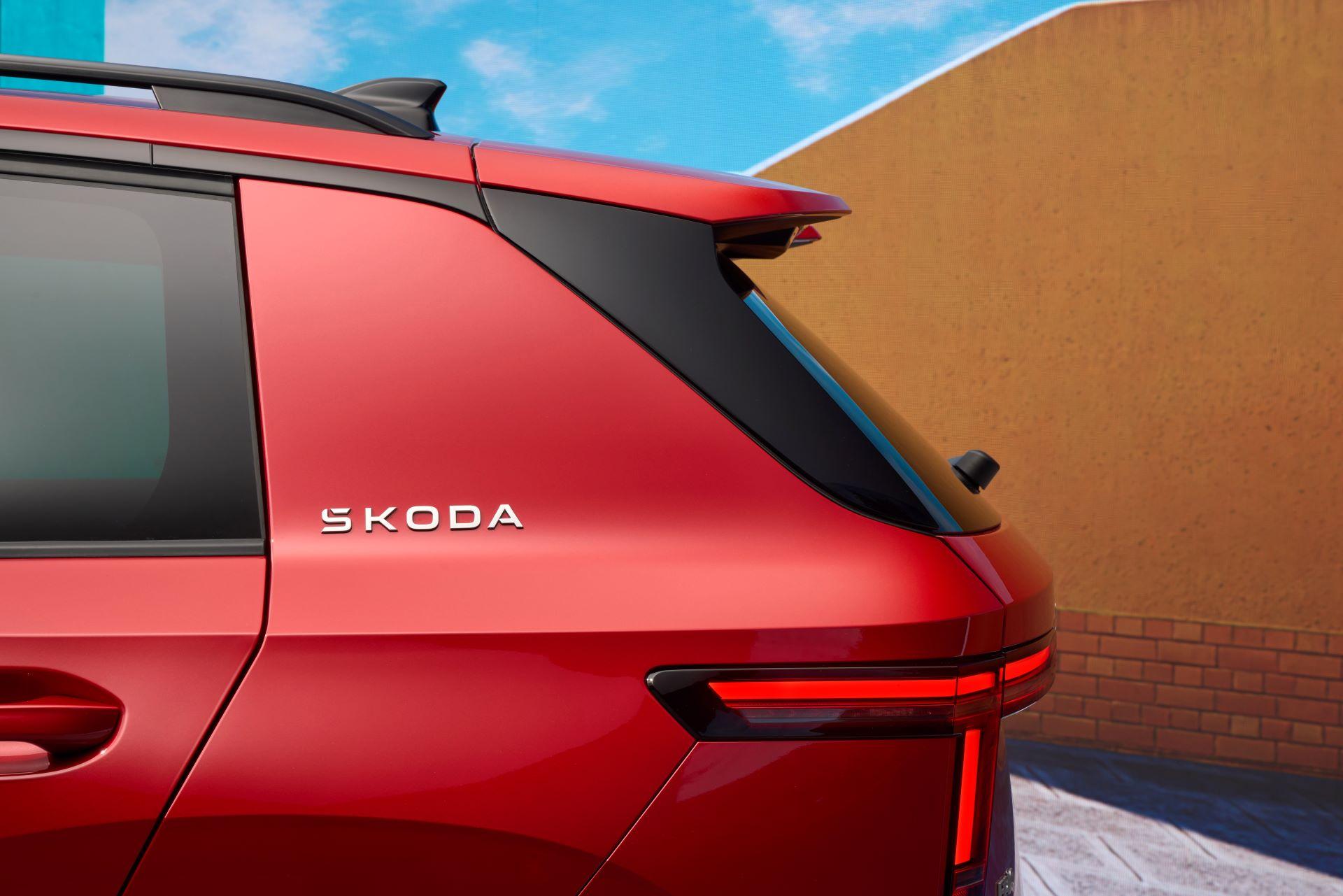
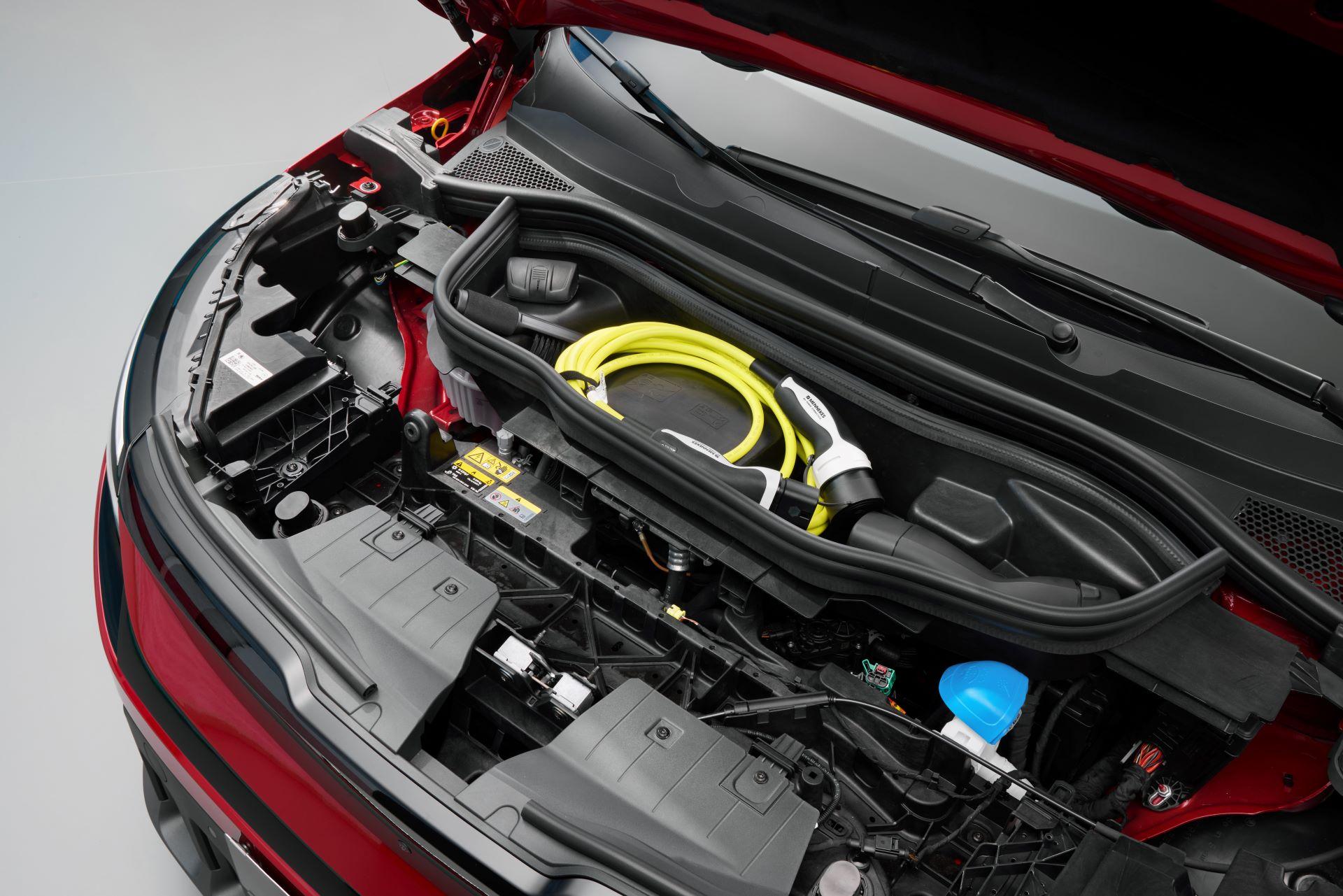
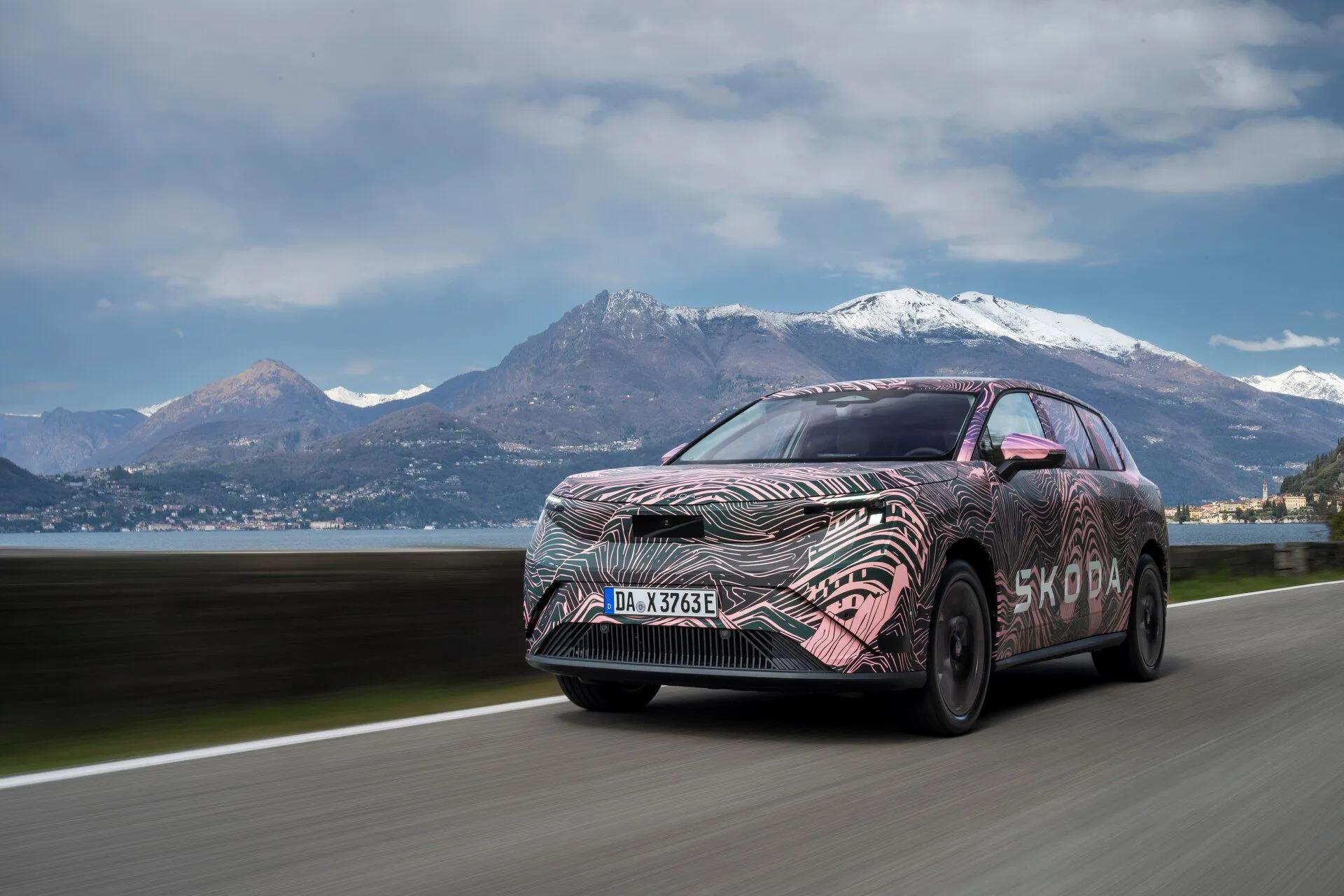
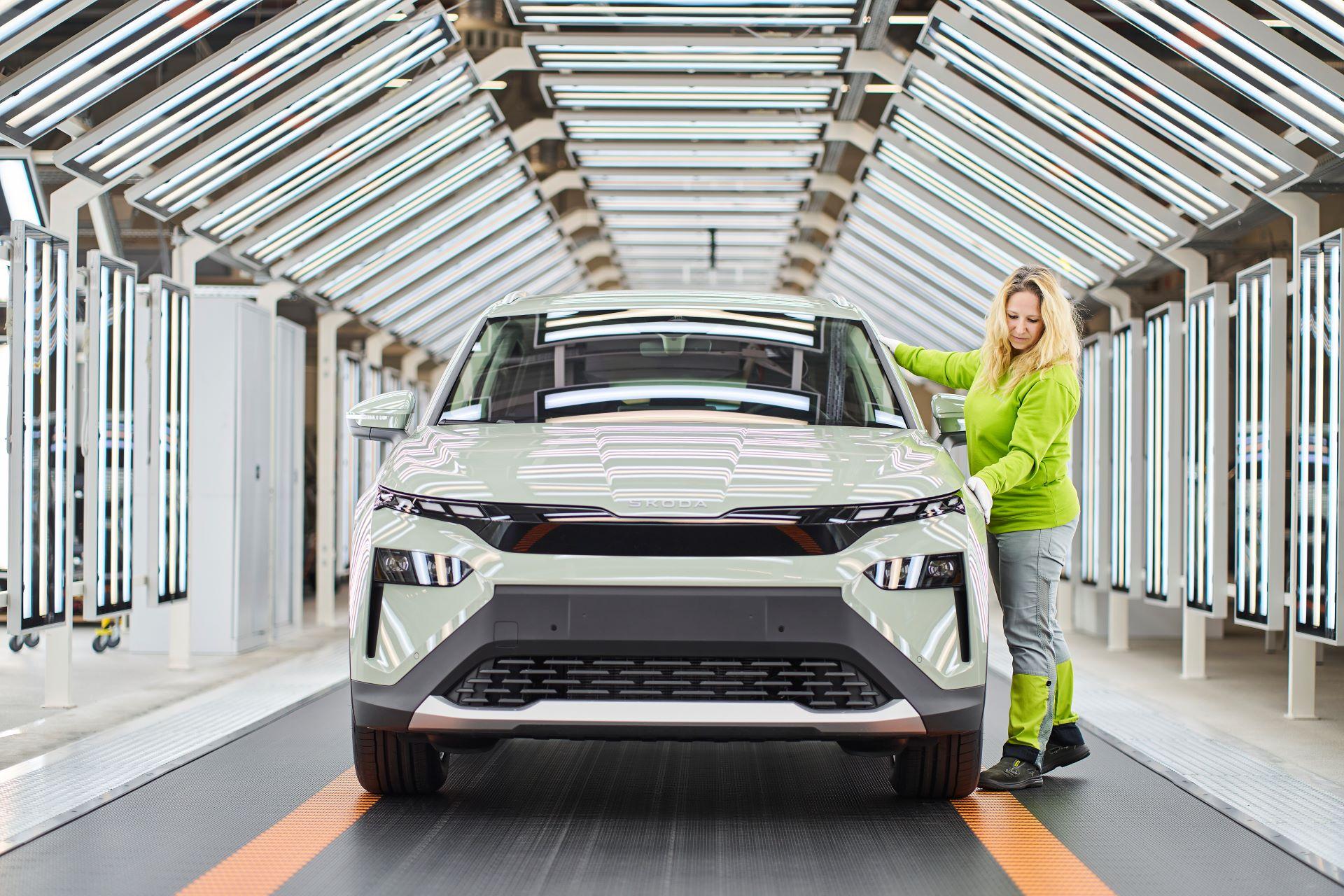
Returning after a well-received debut in 2025, the Czech automaker is not merely exhibiting cars. It is staging an experience, one that drifts somewhere between sculpture studio and digital dreamscape. At its centre sits the camouflaged Škoda Epiq, a compact electric crossover that quietly anchors a much louder conversation about design, accessibility and the emotional pull of mobility.
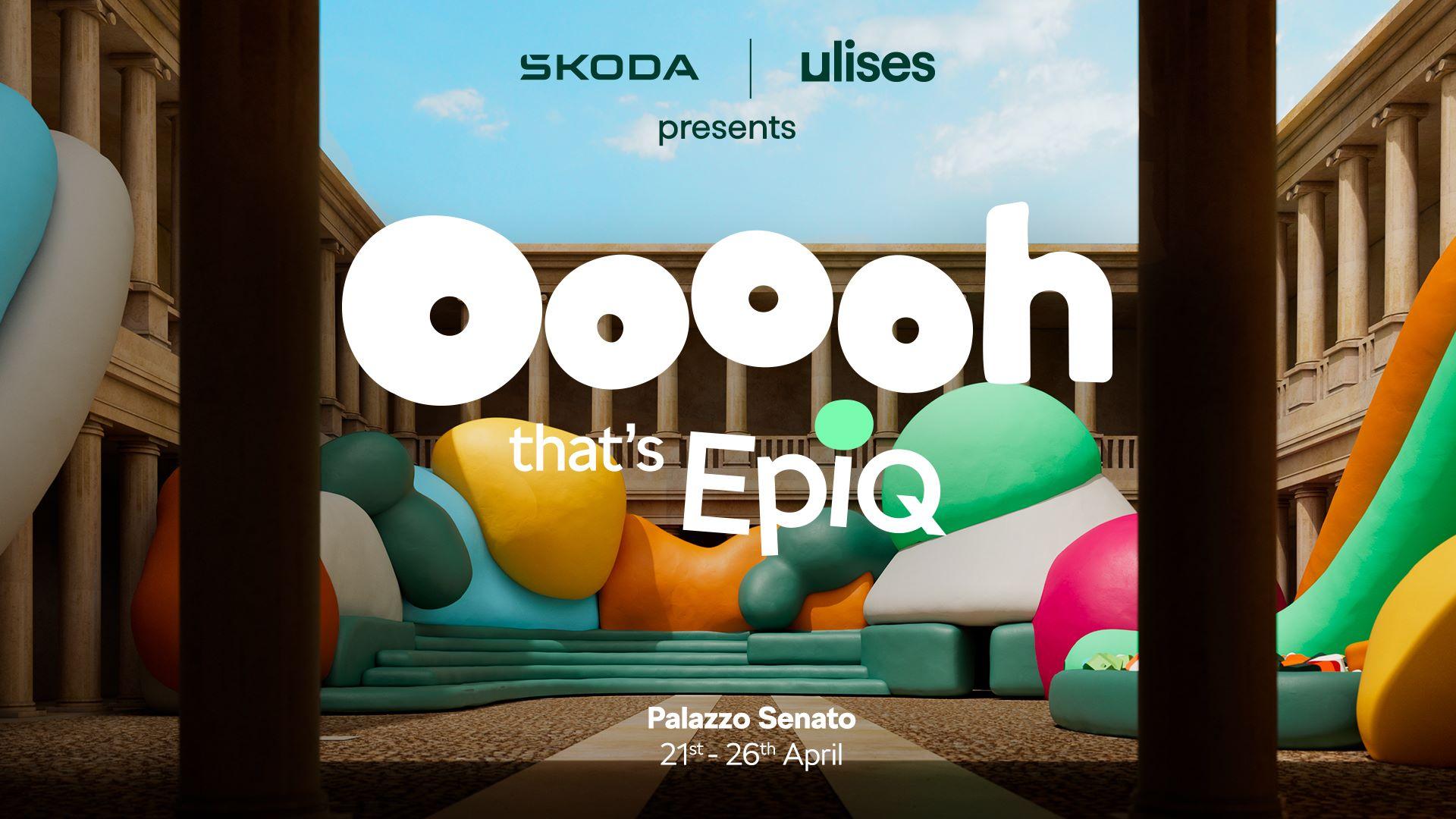
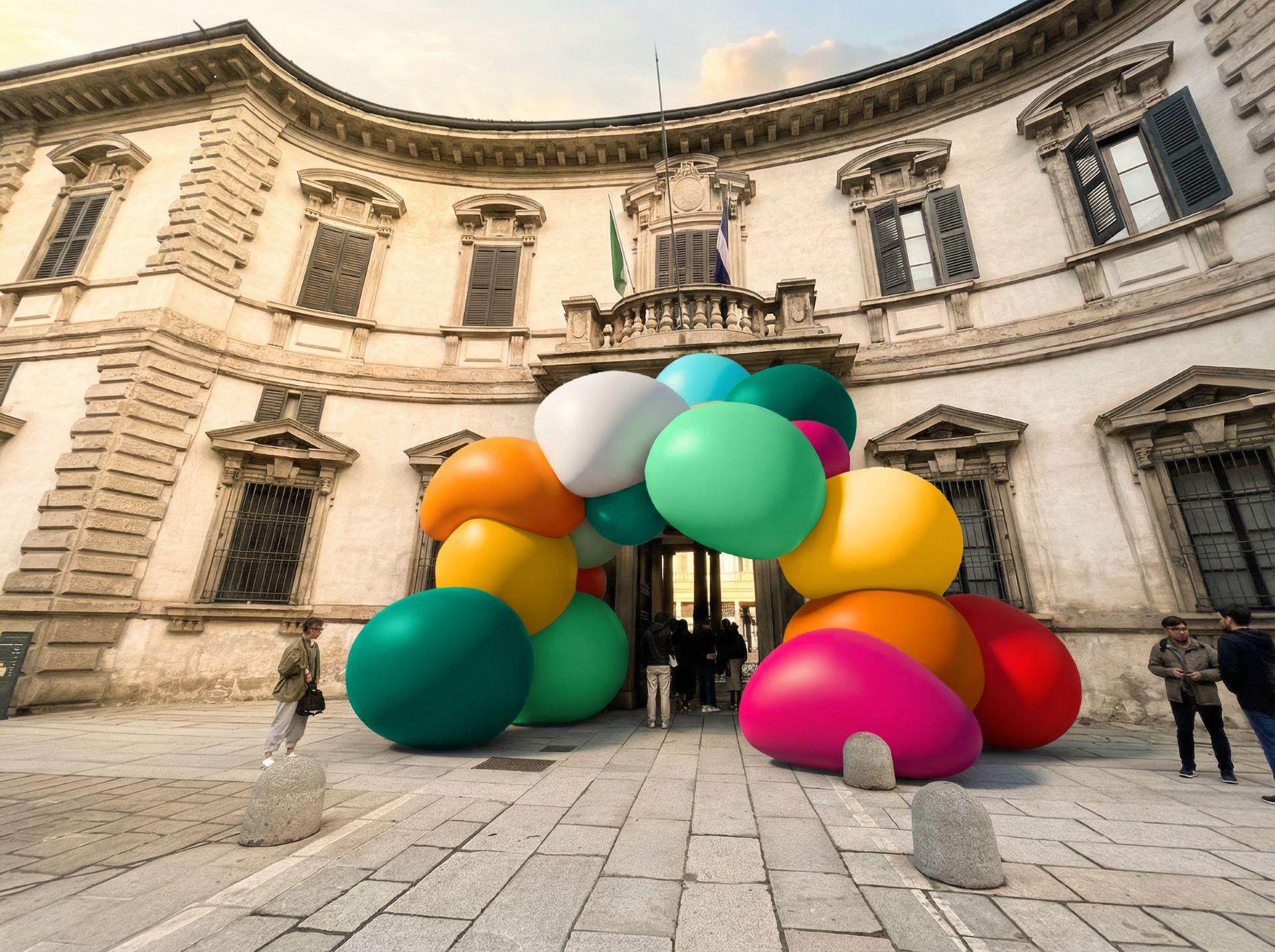
The installation itself is the brainchild of Ricardo Orts, founder of Ulises Studio. Orts brings a signature visual language that feels almost childlike at first glance, but reveals an intricate precision on closer inspection. Think modelling clay, but reimagined at architectural scale, where soft forms and vibrant hues ripple across physical and digital surfaces. It is playful, yes, but never careless.
This interplay between imagination and engineering is no accident. It mirrors Škoda’s evolving “Modern Solid” design philosophy, which seeks to balance emotional appeal with functional clarity. In this setting, the brand’s design language doesn’t sit behind glass or under spotlights. It stretches, bends and invites interaction, as though it might reshape itself depending on who is looking.
According to Martin Jahn, this is precisely the point. Milan offers a rare opportunity to pull the brand out of purely automotive contexts and place it in dialogue with art, fashion and architecture. The goal is not just visibility, but transformation. Visitors are encouraged to experience Škoda rather than simply observe it, to wander through its ideas as much as its objects.
The setting amplifies this contrast beautifully. The Baroque elegance of the Palazzo’s courtyard becomes a stage where past and future gently collide. Against ornate stone facades, the Epiq and its sculptural counterpart appear almost like visitors from another timeline, wrapped in colour and suggestion rather than certainty. The slogan “Ooooh, that’s EpiQ!” echoes through the space like a wink, equal parts curiosity and confidence.
Beyond the visual spectacle, the exhibition unfolds as a layered environment designed for lingering. A digital corner hums with LED projections that explore the Epiq’s design DNA, while an open auditorium hosts conversations that peel back the creative process. One such session brings together Chan Park and Orts himself, offering insight into how form, function and storytelling intertwine.
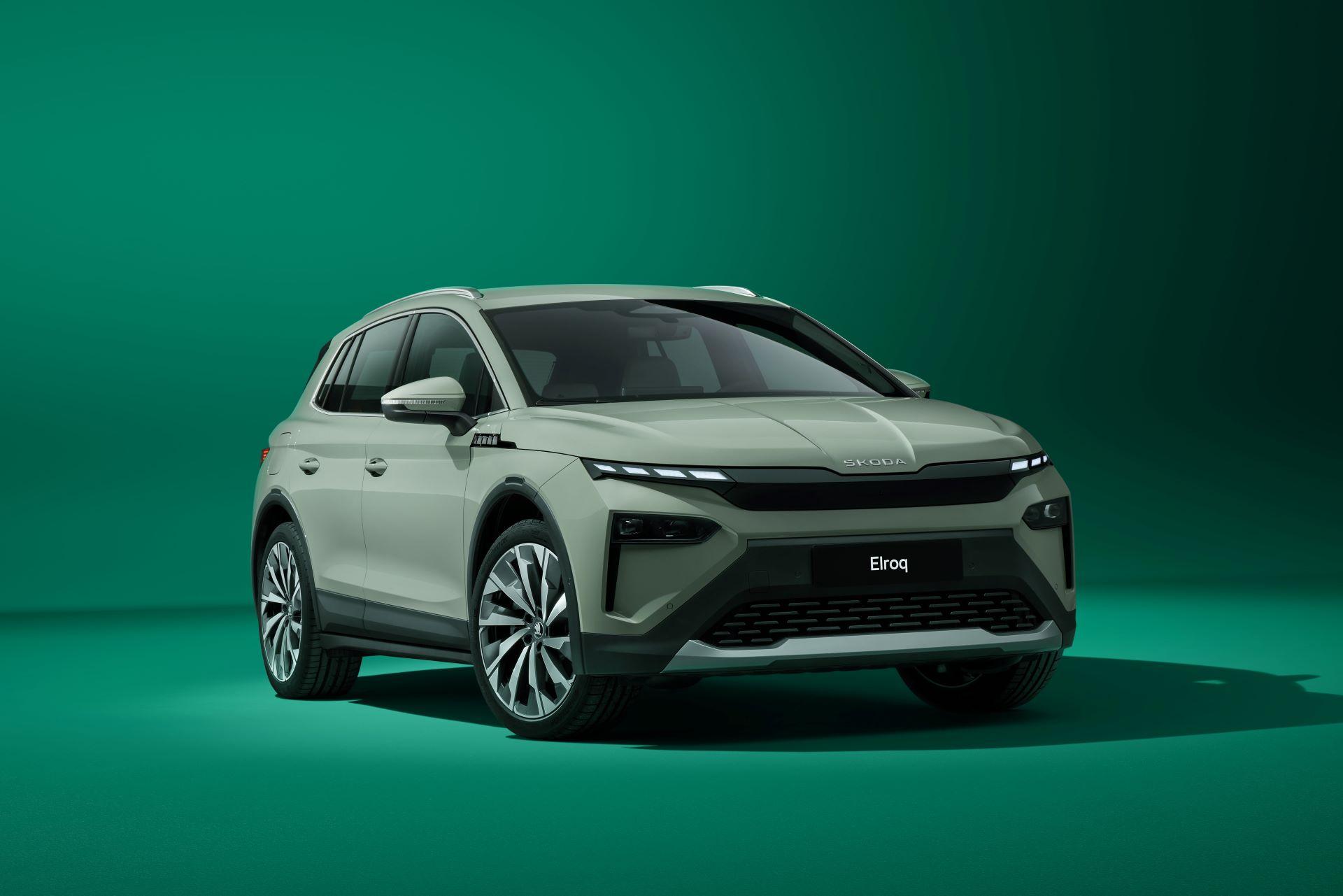
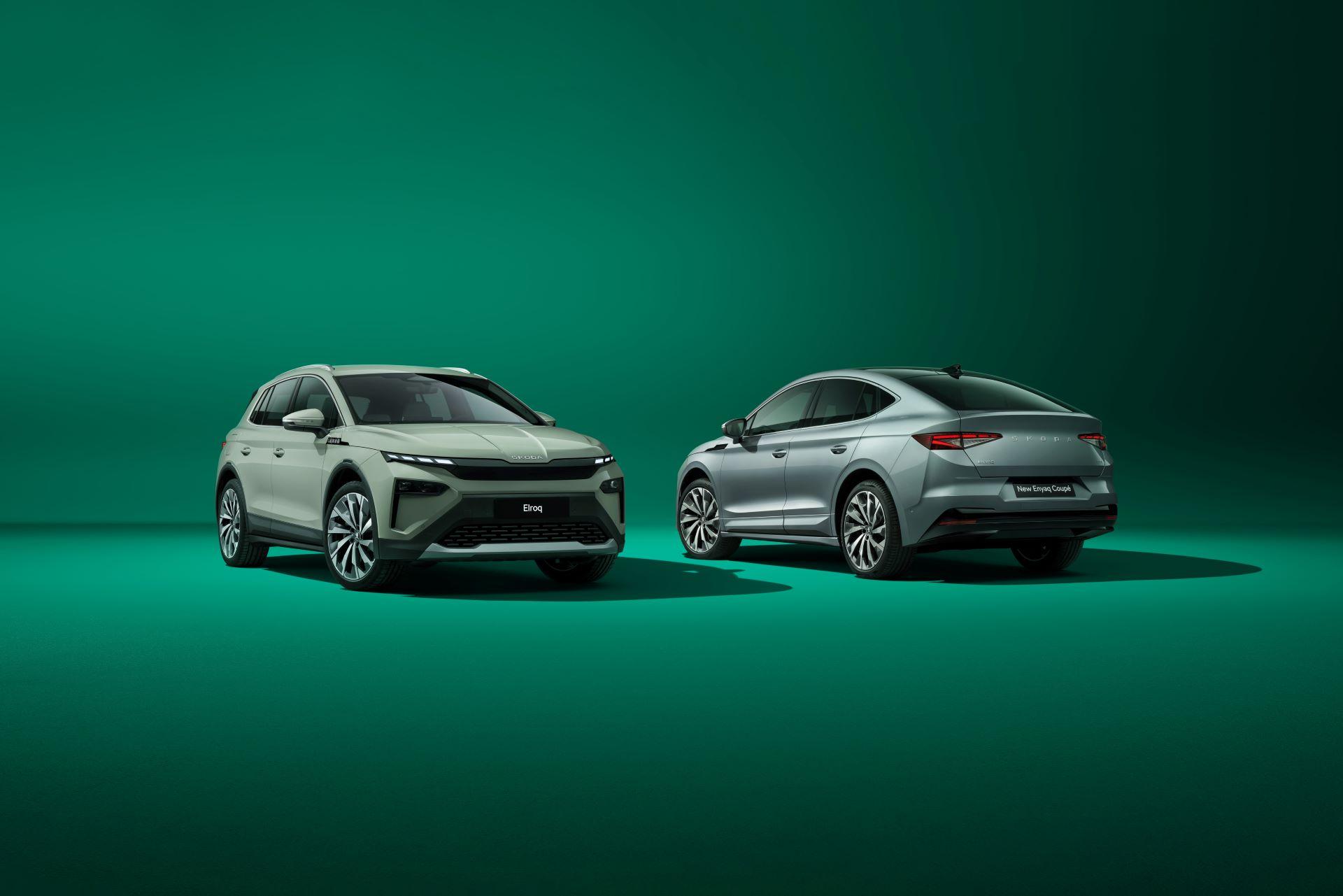
There is also a softer rhythm woven into the experience. Relaxation zones invite pause, a children’s area introduces younger minds to design through play, and wellness-focused sessions add a human dimension often absent from automotive showcases. Even the coffee has a narrative role, served from a roaming Škoda Elroq reimagined as a mobile café, fuelling both curiosity and conversation.
What emerges is something more than an exhibition. It is a carefully orchestrated environment where design becomes tactile, where technology feels approachable, and where a car can exist as both product and protagonist. The Epiq may still wear camouflage, but its intention is clear. Škoda is not just presenting a vehicle. It is presenting a way of thinking, one that embraces accessibility without sacrificing imagination.
In a world where automotive launches often blur into one another, this Milan showcase feels refreshingly alive. It leans into wonder without losing its footing in practicality, like a sketch that somehow becomes a machine. And as visitors drift through its colourful terrain, one thing becomes evident. Škoda is not asking to be seen differently. It is inviting people to see differently, full stop.