



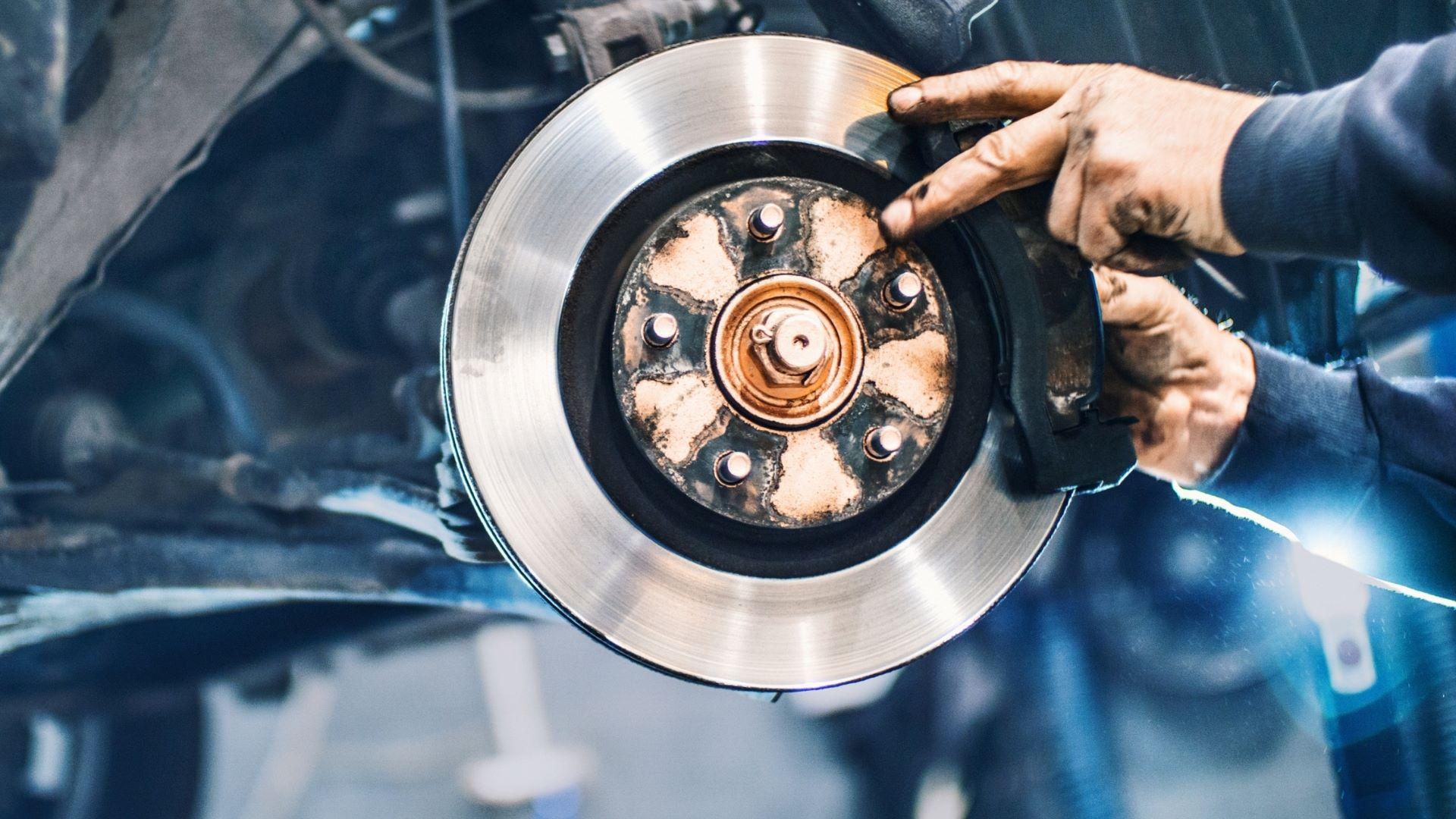
TEPA National Vice-chairman Dylan Petzer explains that many motorists underestimate just how intricate proper brake installation can be.
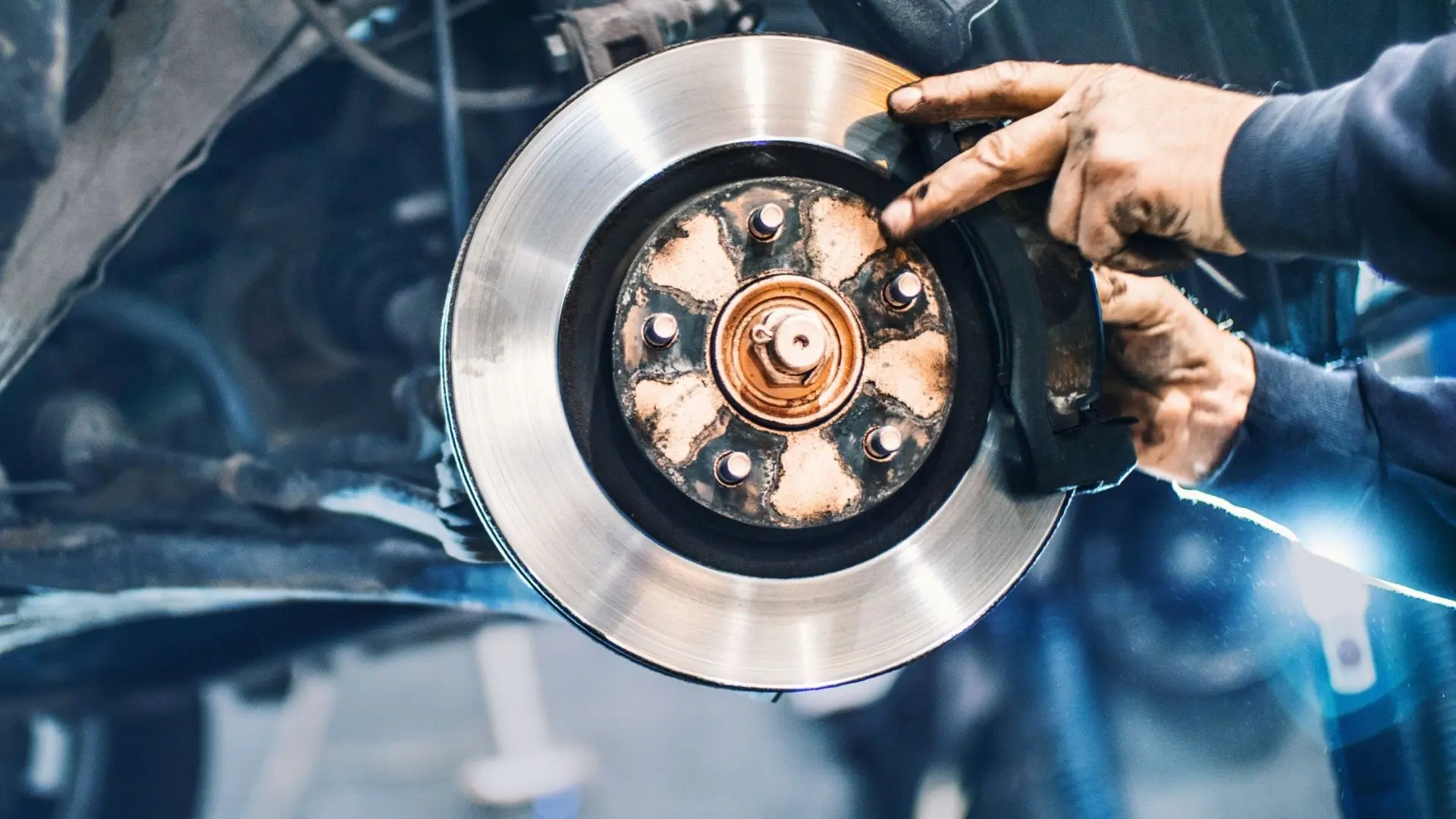
“A professional, accredited TEPA member knows that caliper bolts and wheel nuts must be tightened to exact specifications using a calibrated torque wrench,” Petzer says. “The wheel hub must be cleaned to a bare-metal finish before mounting a new disc — even a single grain of sand or patch of rust can cause the disc to sit at a microscopic angle, leading to warping and shuddering. And only the right high-temperature brake grease should be applied, in precise locations like caliper slide pins.”
The hidden dangers of corner-cutting
Unprofessional fitment centres cut corners in two major ways:
1. Inferior parts – Instead of sourcing quality components from TEPA-affiliated suppliers, some workshops use substandard or counterfeit brake pads. These pads may fail to withstand heat, wear out after just 5 000 km, or delaminate entirely — where the friction material separates from its metal backing.
2. Poor labour standards – Inadequate fitment is equally dangerous. Mechanics who lack professional training may not use the proper torque wrench, fail to clean the hub meticulously, or skip using diagnostic scanners to properly bleed ABS modules.
Petzer recounts some alarming experiences:
“I’ve seen pads installed backwards — with the metal backing plate grinding against the disc. The driver complained of ‘a bit of noise’ and ‘poor stopping’ — but honestly, how he even got to the workshop safely is a miracle.”
Spot the warning signs
Drivers should inspect their brakes immediately after fitment. Warning signs include:
- Spongy or long pedal travel – This signals air in the brake lines due to improper bleeding. It’s not normal ‘bedding in’ and is extremely dangerous.
- Vehicle pulls to one side – Often caused by a stuck caliper, blocked hose, or uneven installation.
- Clunking, scraping, or vibrations – Could indicate loose parts, bent dust shields, or discs mounted on unclean hubs causing shuddering.
Avoiding counterfeit parts
Counterfeit and low-quality parts often look convincing, Petzer warns. “If a deal looks too good to be true, it probably isn’t. Customers may be tempted to pick the cheaper option, thinking they are saving money, while actually putting themselves at serious risk.”
The case for accredited fitment centres
Accredited workshops maintain national standards, traceable supply chains, and reputations to uphold. Petzer advises:
“Especially if you’re planning a long trip over the festive season, book a full brake inspection at least a week in advance. Using a professional fitment centre guarantees that your technician is trained, your parts are genuine, and the correct tools have been used. Most importantly, if there’s a problem, you have recourse — something you don’t get with unqualified mechanics.”
Brake safety is non-negotiable
Ultimately, professional fitment is about peace of mind and safety. In the hands of a qualified technician, your brakes will function as intended. Cut corners, and the consequences aren’t just inconvenient — they can be life-threatening.
When it comes to brakes, don’t gamble. Trust the professionals.


