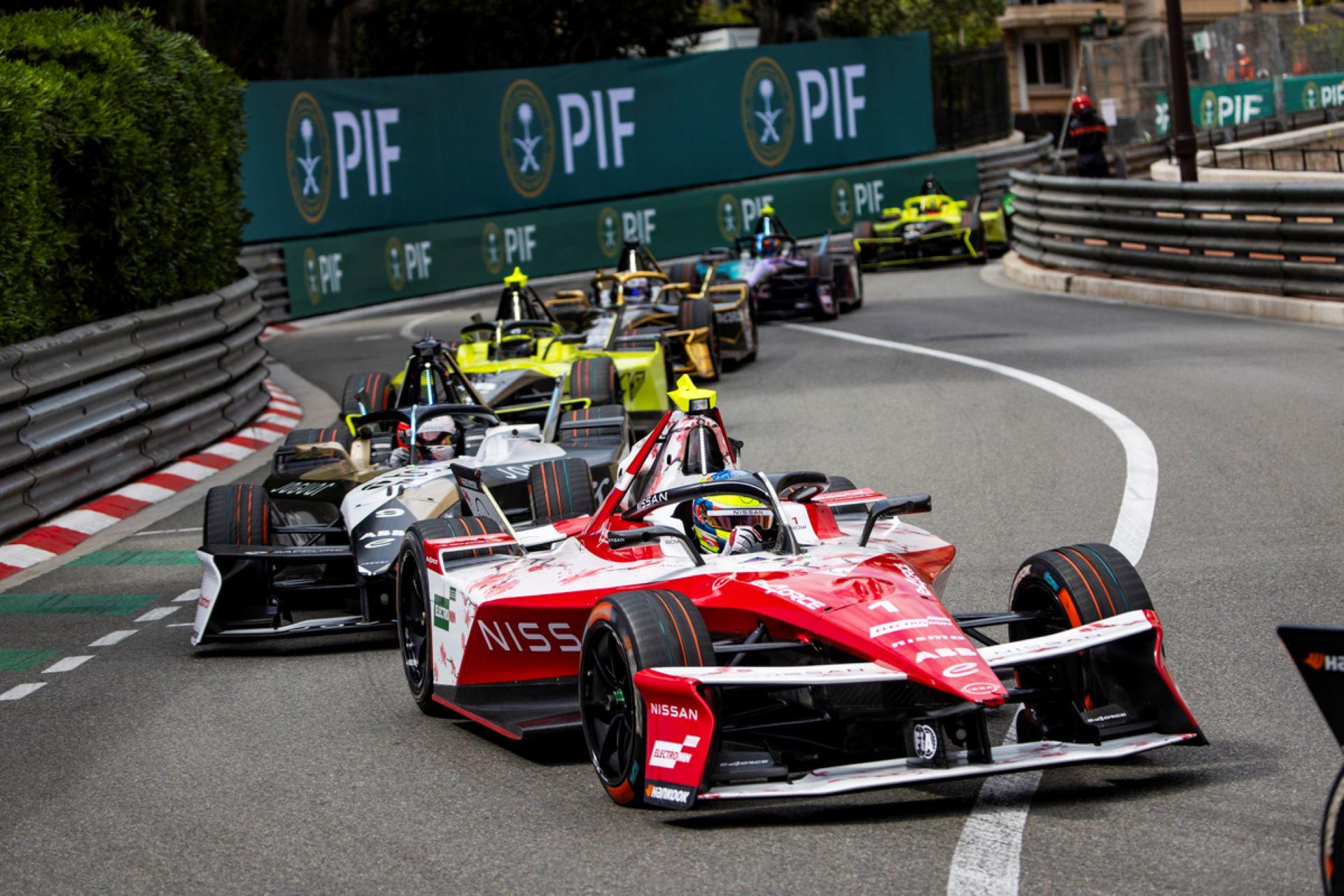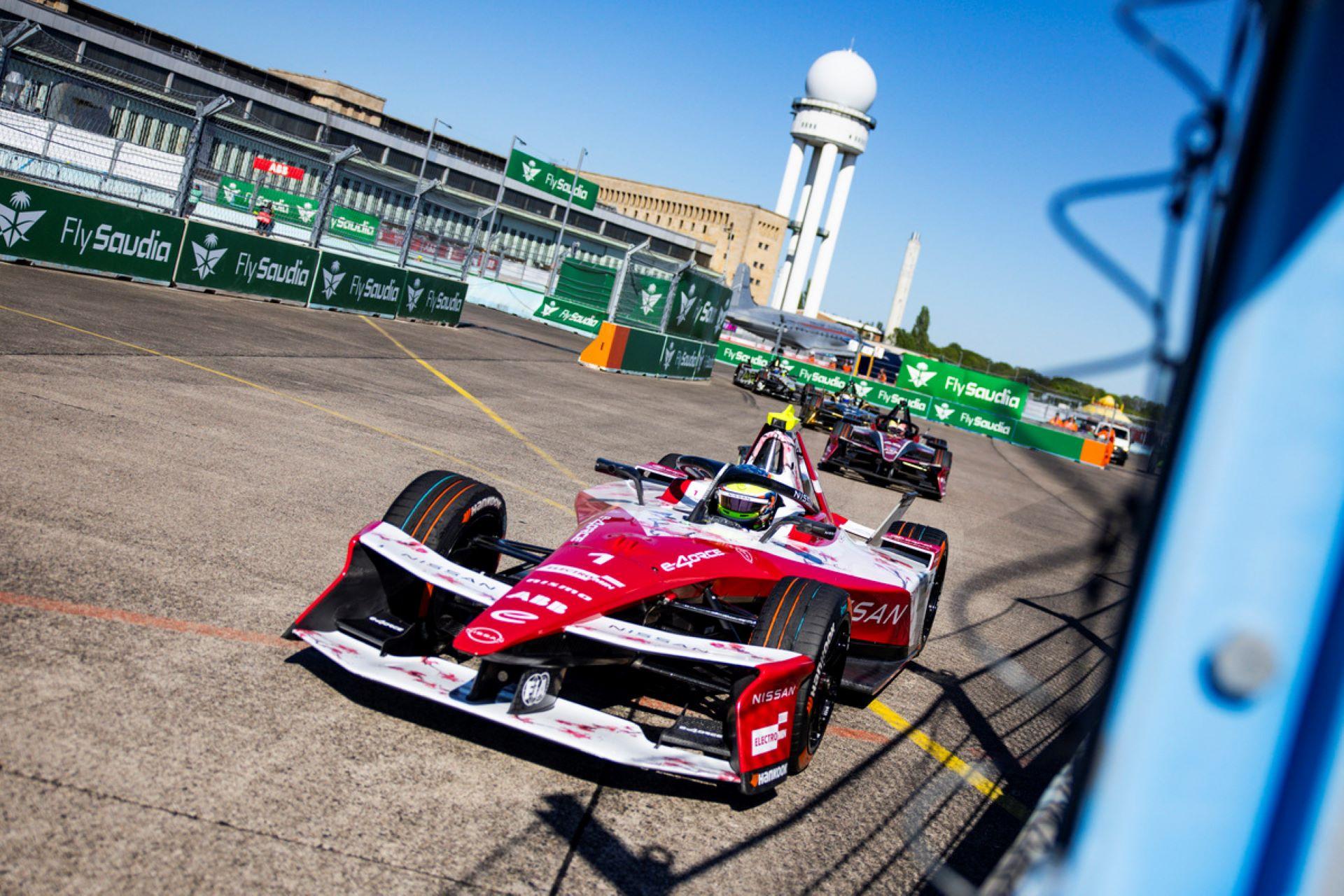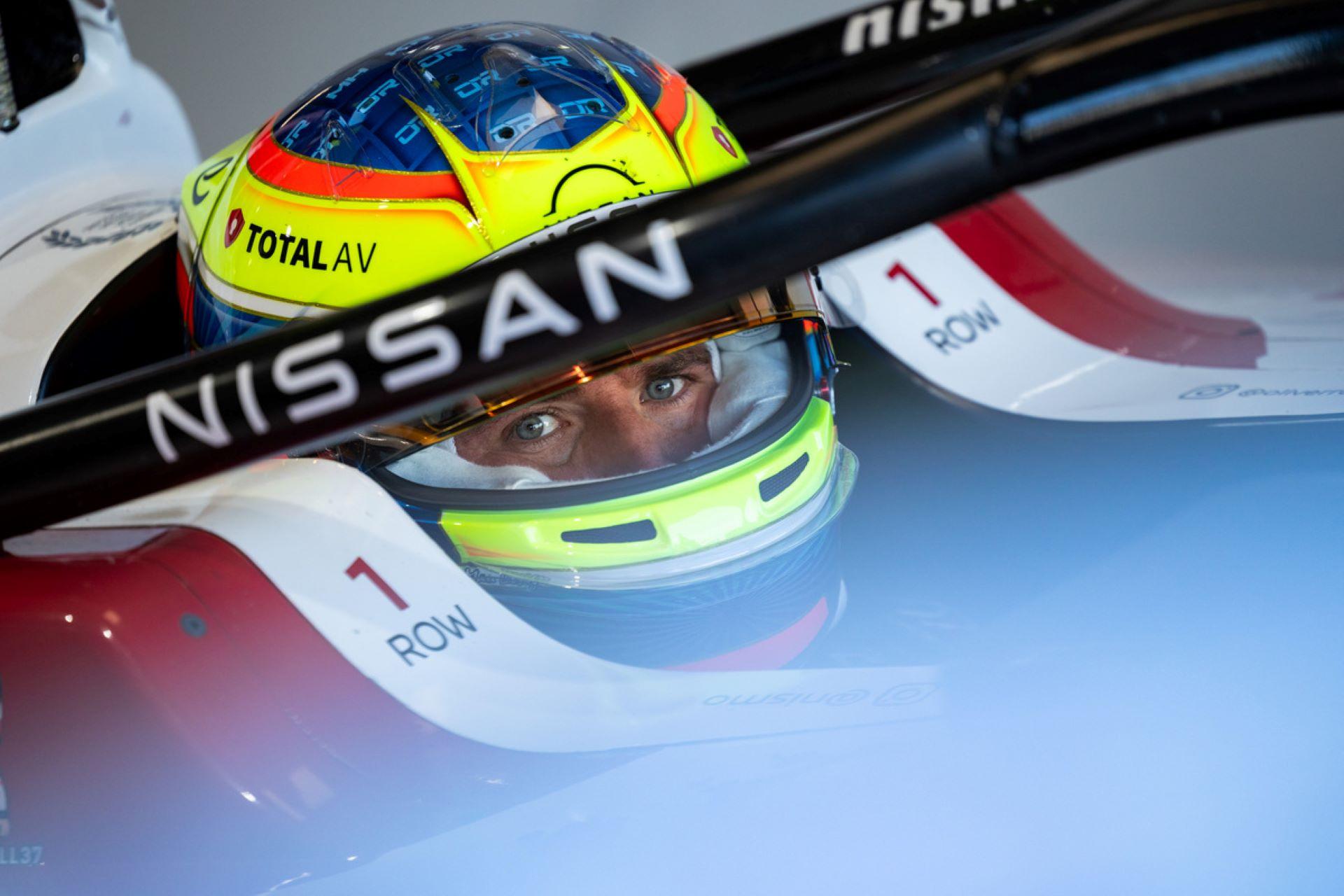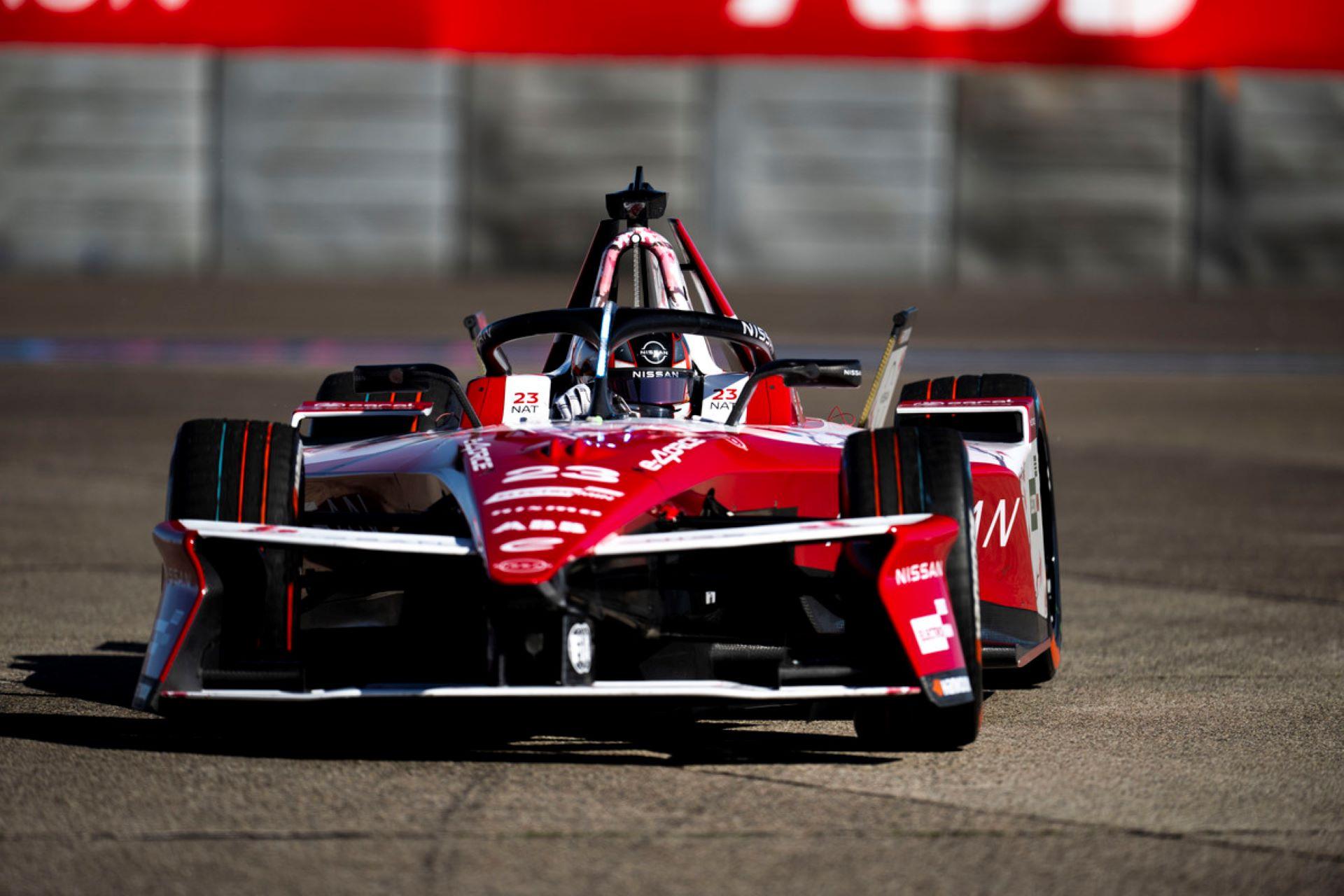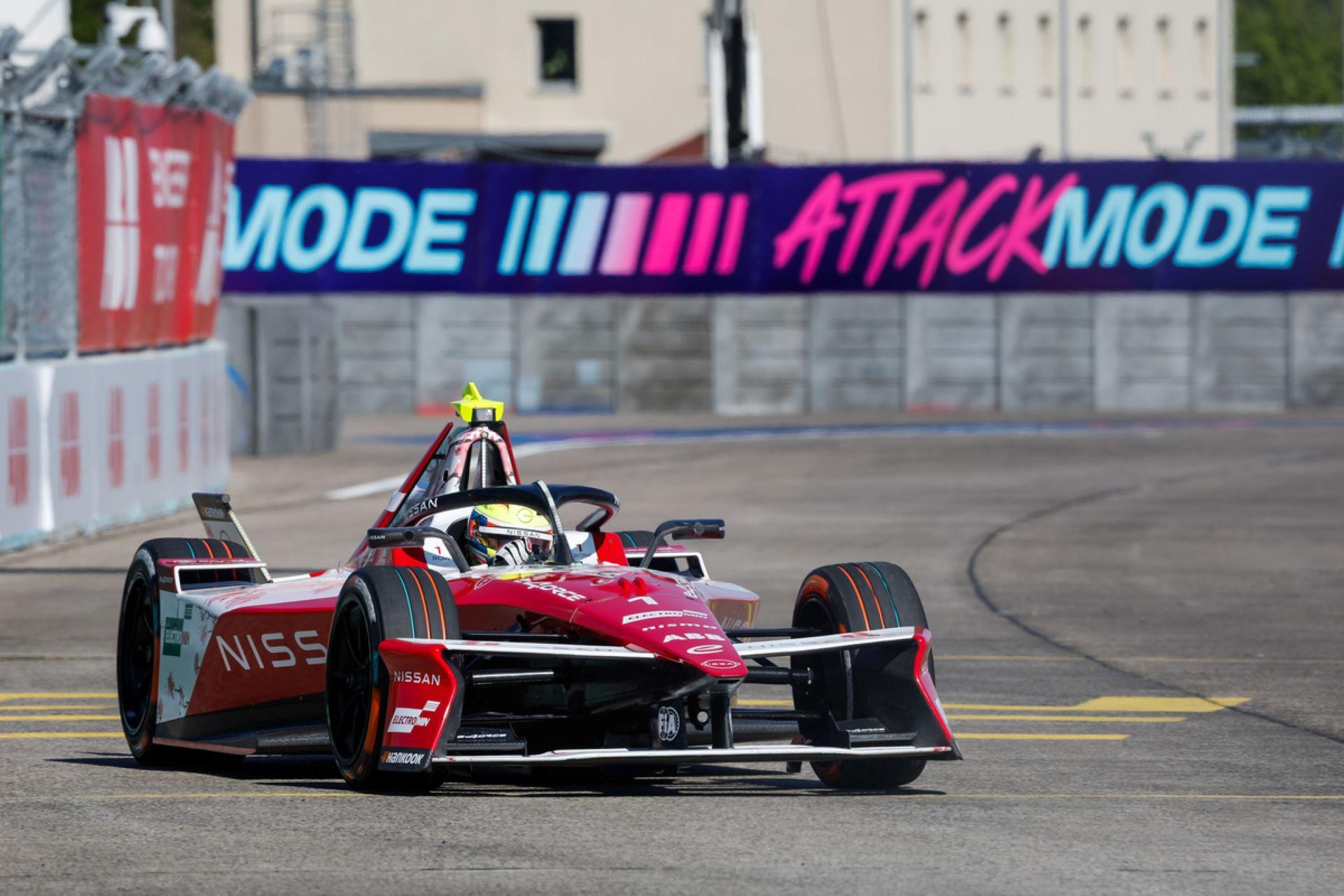


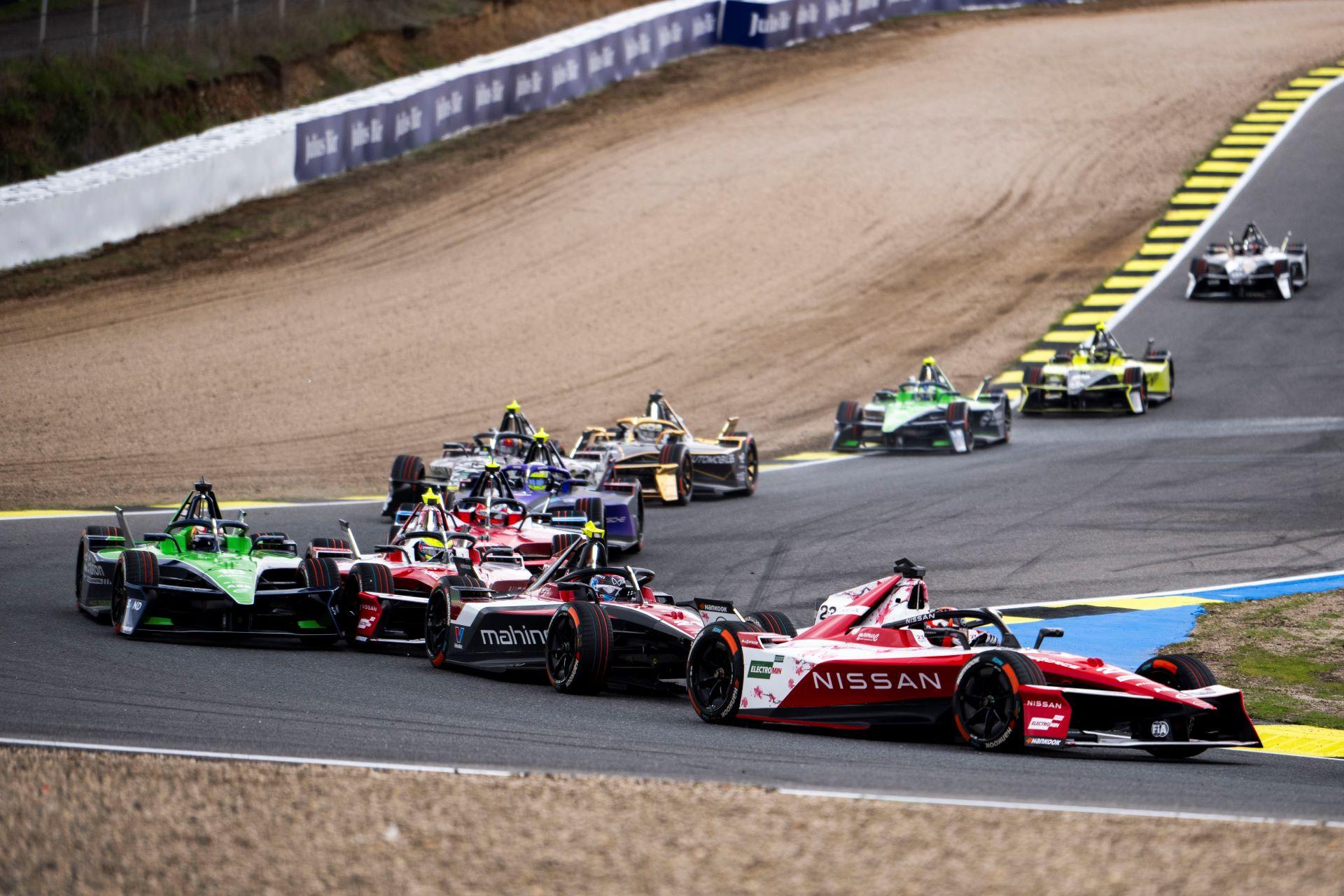
The inaugural Madrid E-Prix promised spectacle, and it delivered, just not in the way Nissan Formula E Team would have hoped. Beneath the Spanish sun, on a circuit that flirted with damp unpredictability, the team found itself caught in that most frustrating of racing paradoxes: having the speed to compete, but none of the results to show for it.
From the outset, there were signs of genuine promise. In mixed qualifying conditions, both Oliver Rowland and Norman Nato cut through the uncertainty with composure, advancing into the Duels. Rowland secured eighth on the grid, while Nato surged further, reaching the semi-finals to lock in a second-row start. It was a statement of intent on a weekend where track evolution kept everyone guessing.
Race day began on a drying surface, the kind that rewards precision and punishes excess. Nissan initially found its rhythm, both drivers settling into competitive positions during the opening exchanges. Then, as often happens in Formula E’s tightly wound theatre, the narrative twisted.
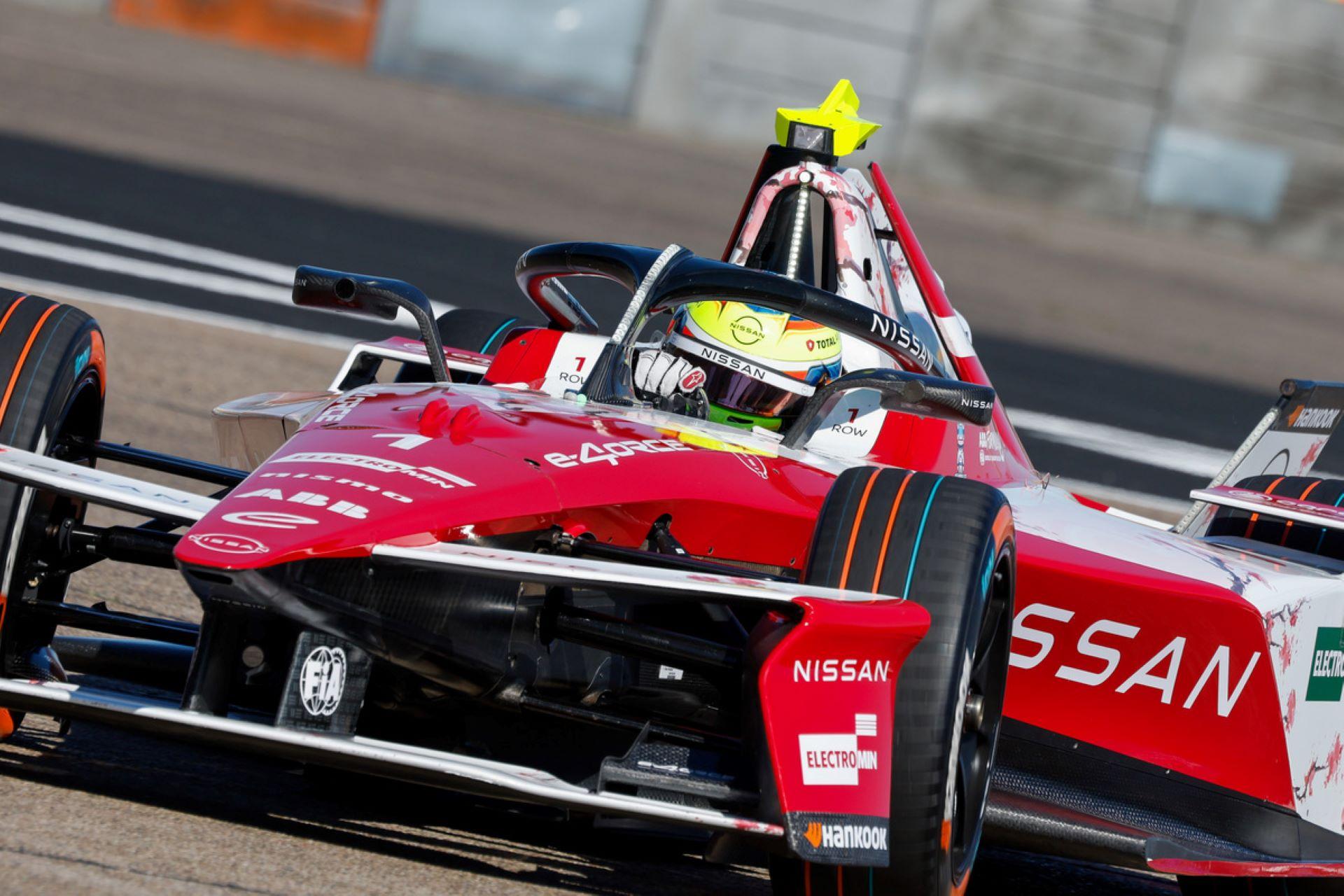
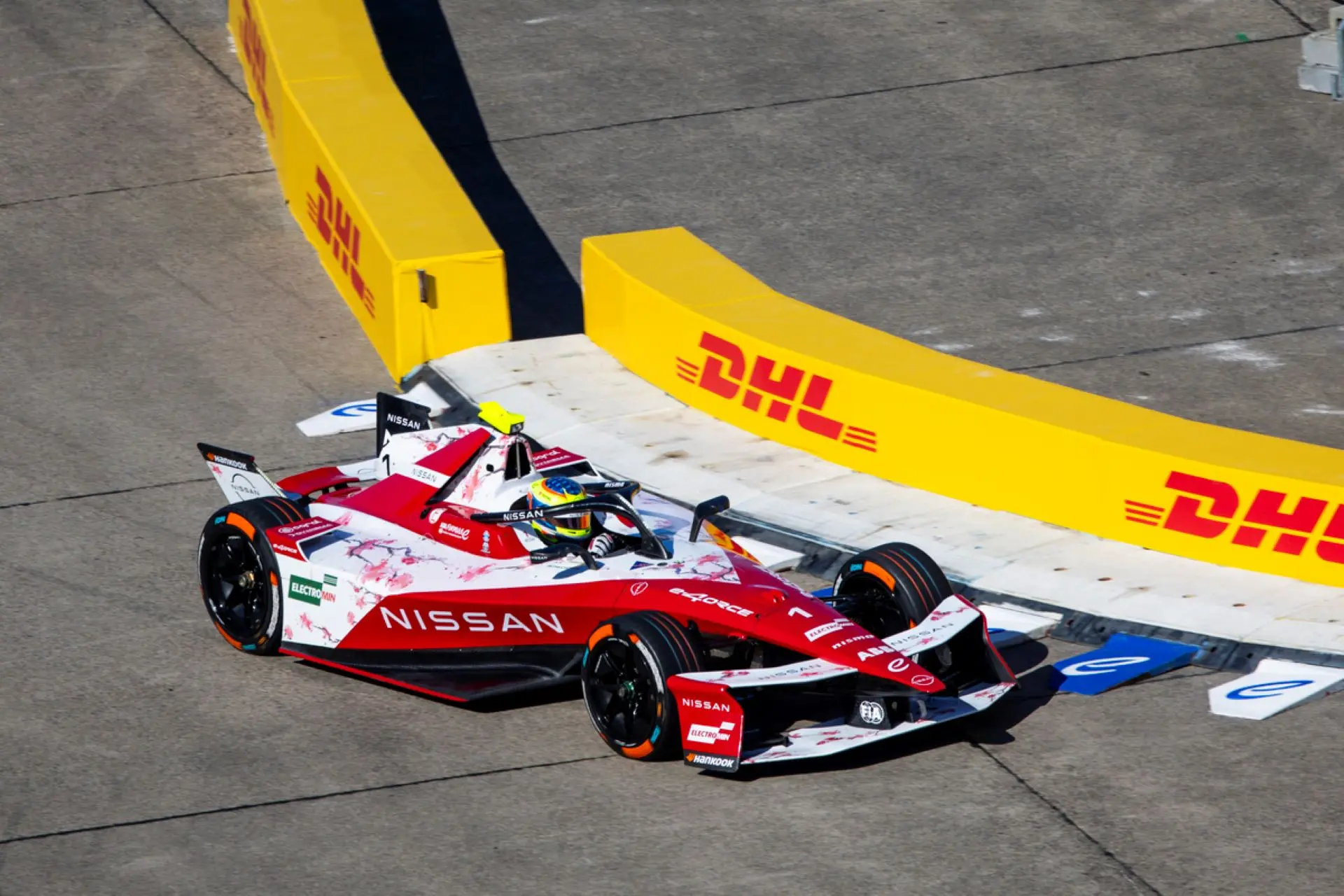
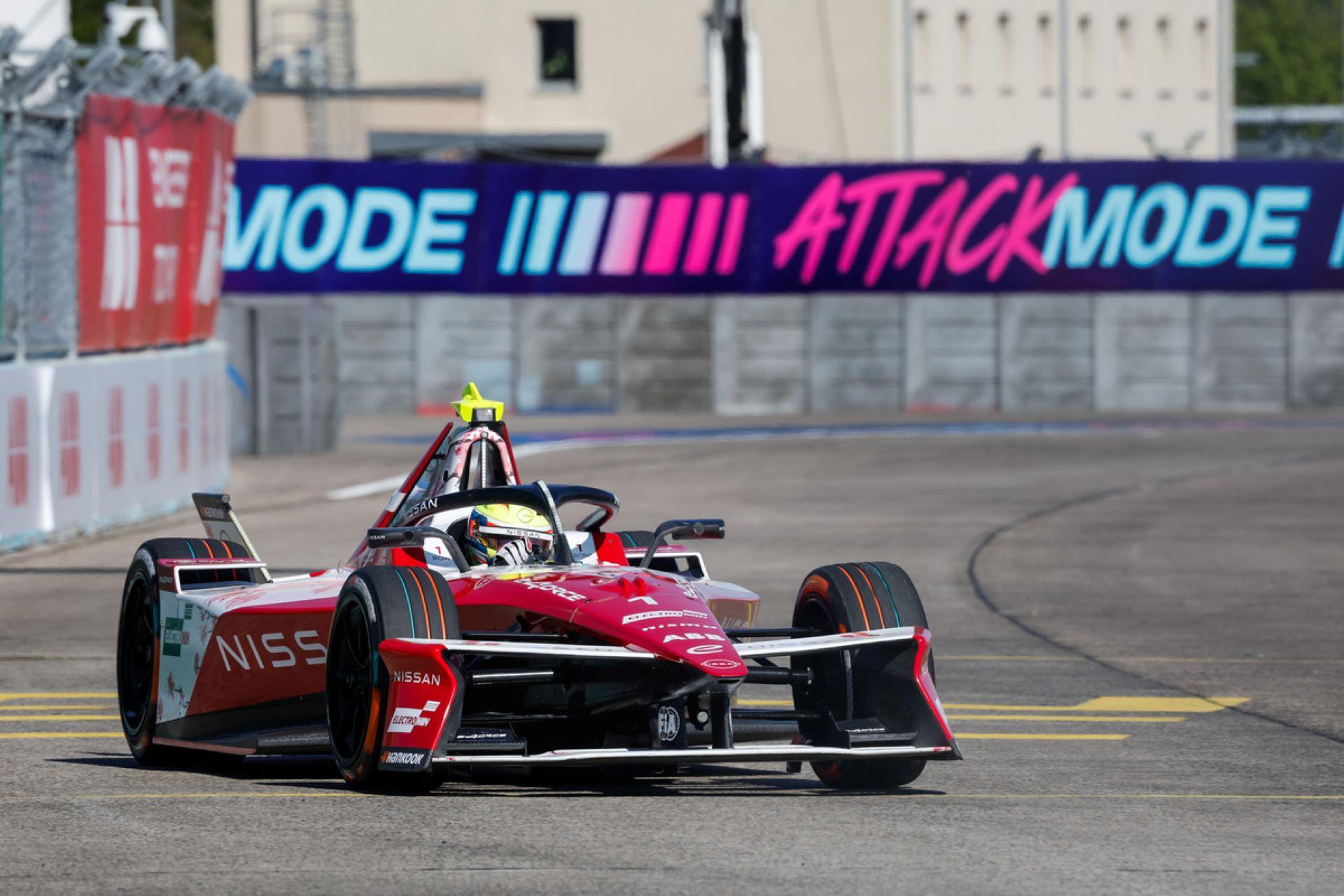
Rowland’s race unravelled with a drive-through penalty for overpower at the start, a costly infringement in a series where track position is currency. The penalty dropped him deep into the field, effectively erasing his early progress. Despite maintaining a strong underlying pace, he could only recover to 16th by the chequered flag, a result that hardly reflected his performance.
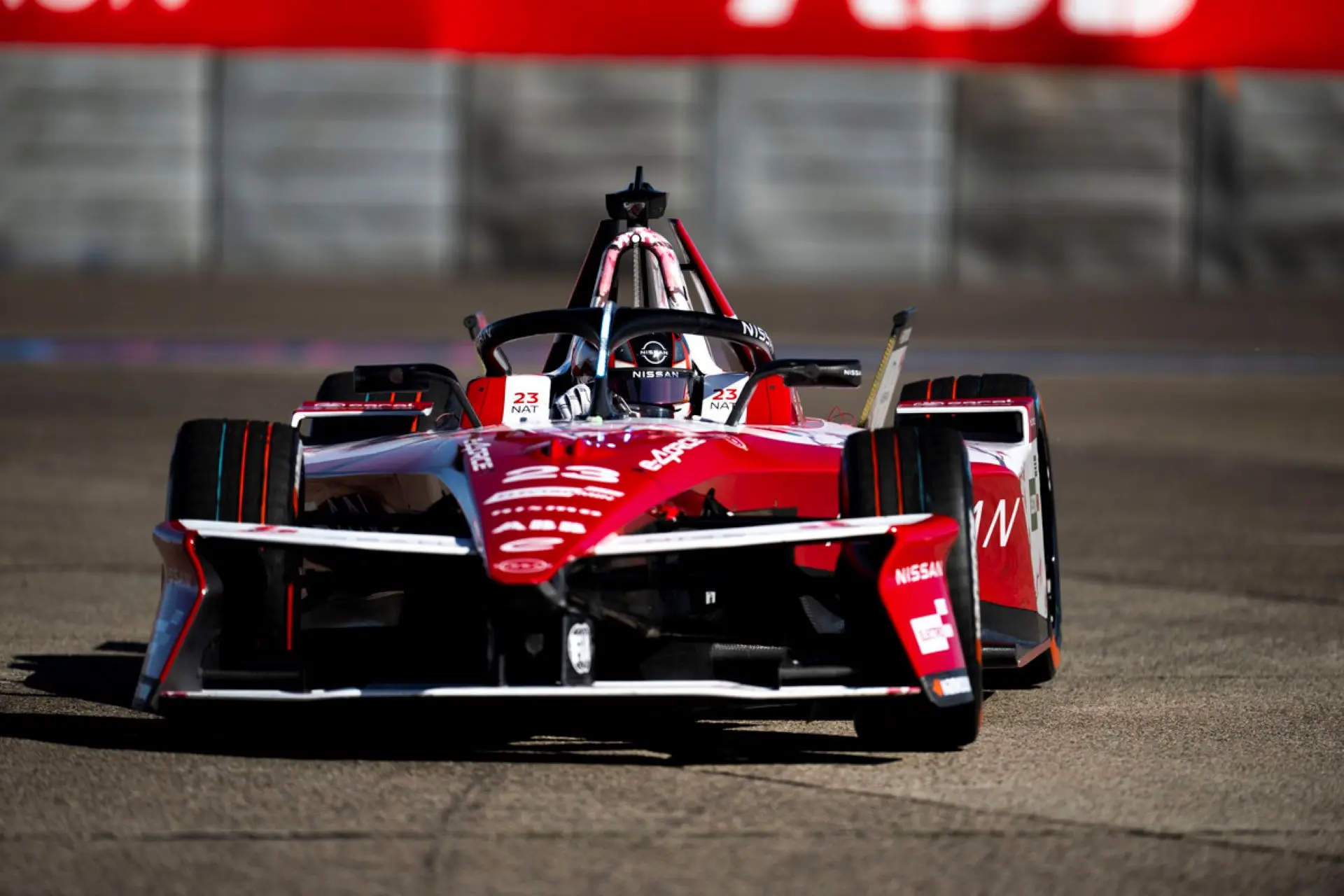
On the other side of the garage, Nato’s race told a different but equally frustrating story. Early contact shuffled him backwards, forcing a recovery drive that he handled with measured aggression. Climbing as high as seventh, he remained firmly in the points conversation for much of the race. But a late technical issue sapped his pace at a critical moment, leaving him to finish just outside the top ten in 11th.
For team principal Tommaso Volpe, the sense of opportunity lost was unmistakable. The team had executed strongly through practice and qualifying, placing both cars in positions to capitalise. Instead, a combination of operational error and mechanical uncertainty turned potential into post-mortem.
Rowland echoed that sentiment, reflecting on a weekend where performance benchmarks were met, but execution faltered when it mattered most. The pace, he insisted, was never in question. Nato, too, pointed to the cruel margins that define Formula E, where even a well-managed race can unravel in moments beyond a driver’s control.
Yet, amid the frustration, there remains a thread of optimism running through Nissan’s garage. Consistently strong qualifying performances and competitive race pace suggest a package capable of delivering results once the finer details are ironed out. In a championship as volatile as the Formula E World Championship, that underlying speed is often the hardest ingredient to secure.
Attention now shifts to the post-race programme at Circuito del Jarama, where rookie and simulator driver Abbi Pulling joins Victor Martins for the Madrid Rookie Test. It’s a chance not only to evaluate emerging talent, but also to extract further insights from a weekend that offered more questions than answers.
For Nissan, Madrid will linger as a case of what might have been, a race where the stopwatch told one story and the final classification another. But in the relentless cadence of Formula E, there is little time to dwell. Berlin looms, and with it, an opportunity to transform latent pace into tangible points. The ingredients are there. Now, it’s about getting the recipe exactly right.