




As the first official cold front of the season swept across South Africa this week, the nation was reminded that winter has arrived. With temperatures dipping to 20°C and below in several regions—and expected to linger until next Thursday—drivers and vehicles alike will face new seasonal challenges.
Eugene Herbert, CEO of MasterDrive, urges motorists to view the change in season as more than just a shift in wardrobe. “There are several steps that can reduce the risk that naturally comes with the change of season,” he advises. A combination of preventative maintenance and cautious driving can go a long way in ensuring safety during the colder months.
Winter-Proofing Your Vehicle: What to Check
When temperatures drop, your vehicle behaves differently. Cold conditions affect everything from fluid viscosity to battery performance. MasterDrive offers a comprehensive checklist to get your car winter-ready:
- Engine Oil: Cold weather makes oil thicker, which can affect engine performance. Make sure oil levels are correct—too little can damage your engine, and too much can cause other problems.
- Tyre Tread and Pressure: Cold temperatures accelerate tyre wear and reduce pressure. For every 10°C drop in temperature, tyre pressure can fall by up to 1 PSI. Check regularly, but don’t rush to inflate tyres first thing in the morning; allow the air inside to warm up and stabilise.
- Windscreen and Wipers: Even in drier provinces, overnight condensation can impair visibility. Inspect your wipers for cracks and check washer fluid levels. Use a freeze-resistant washer fluid in areas prone to frost.
- Coolant: A properly mixed coolant prevents engine fluids from freezing and helps maintain smooth circulation during cold starts.
- Battery Care: Batteries are particularly vulnerable in winter. If possible, park indoors and avoid leaving the vehicle unused for extended periods. Lead-acid batteries may also require occasional maintenance.
- Dashboard Alerts: While some vehicles monitor oil and air pressure automatically, older models don’t. In these cases, regular manual inspections are essential.
Adjusting Your Driving Style for Winter Roads
Even with a well-maintained vehicle, driving in winter conditions requires heightened awareness and control. MasterDrive outlines key behavioural changes to keep in mind:
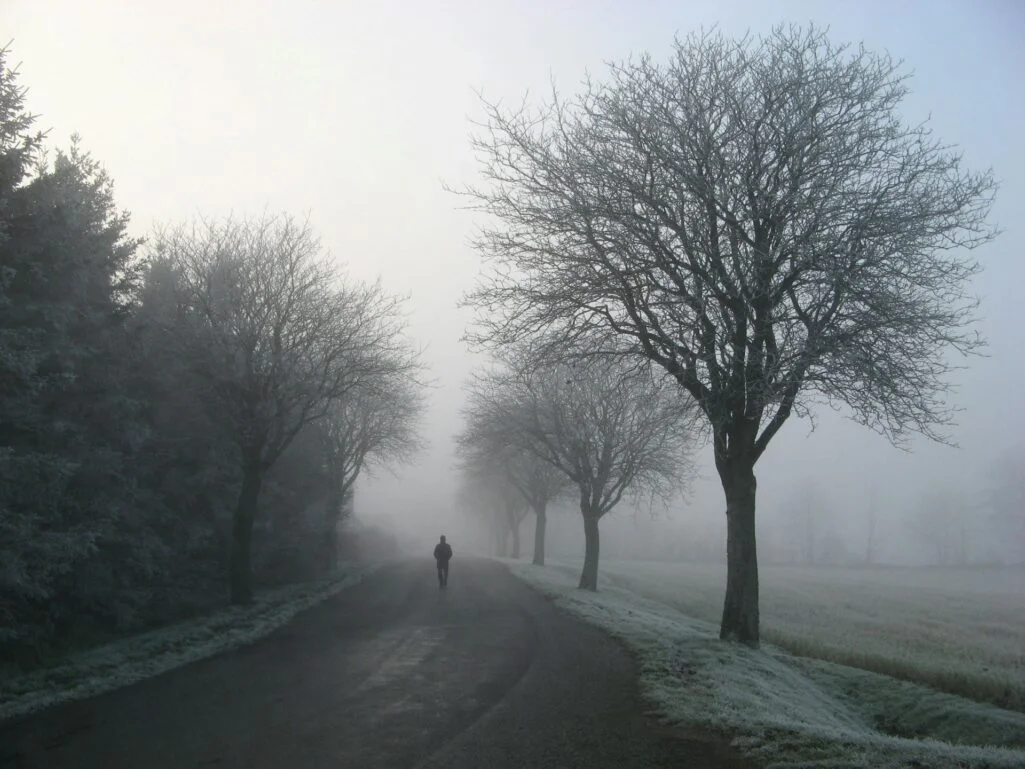
- Be Cautious on Cold Mornings: Below-freezing temperatures and unexpected rain can create icy patches—especially around bridges or in shaded areas. Increase following distances and be extra vigilant.
- Avoid Cruise Control: On wet or icy roads, cruise control can reduce your ability to react quickly. Drive manually for better control.
- Use the Right Lighting: In misty conditions, avoid switching to high beams—these can reflect off the mist and reduce visibility further. Use fog lights or low beams, and reserve hazard lights for when you’re stationary.
- Drive Smoothly: Abrupt lane changes and sudden braking can catch other drivers off guard and increase the risk of collisions. Maintain a steady pace and brake earlier than usual.
- Navigate Corners with Care: Cold tyres and slick surfaces reduce grip, especially when turning. Approach bends with reduced speed and smooth steering inputs.
- Use Your Headlights: Make a habit of switching headlights on at the start of every trip—even during the day. This simple practice improves visibility and helps other drivers see you.
Final Thought
While South African winters may not bring snow to most regions, the seasonal shift is significant enough to demand changes—both under the hood and behind the wheel. By preparing your vehicle and adapting your driving habits, you’re not only safeguarding yourself but also contributing to a safer road environment for everyone.
As Eugene Herbert aptly puts it: “Winter driving isn’t just about endurance—it’s about preparation, awareness, and respect for the road.”


