



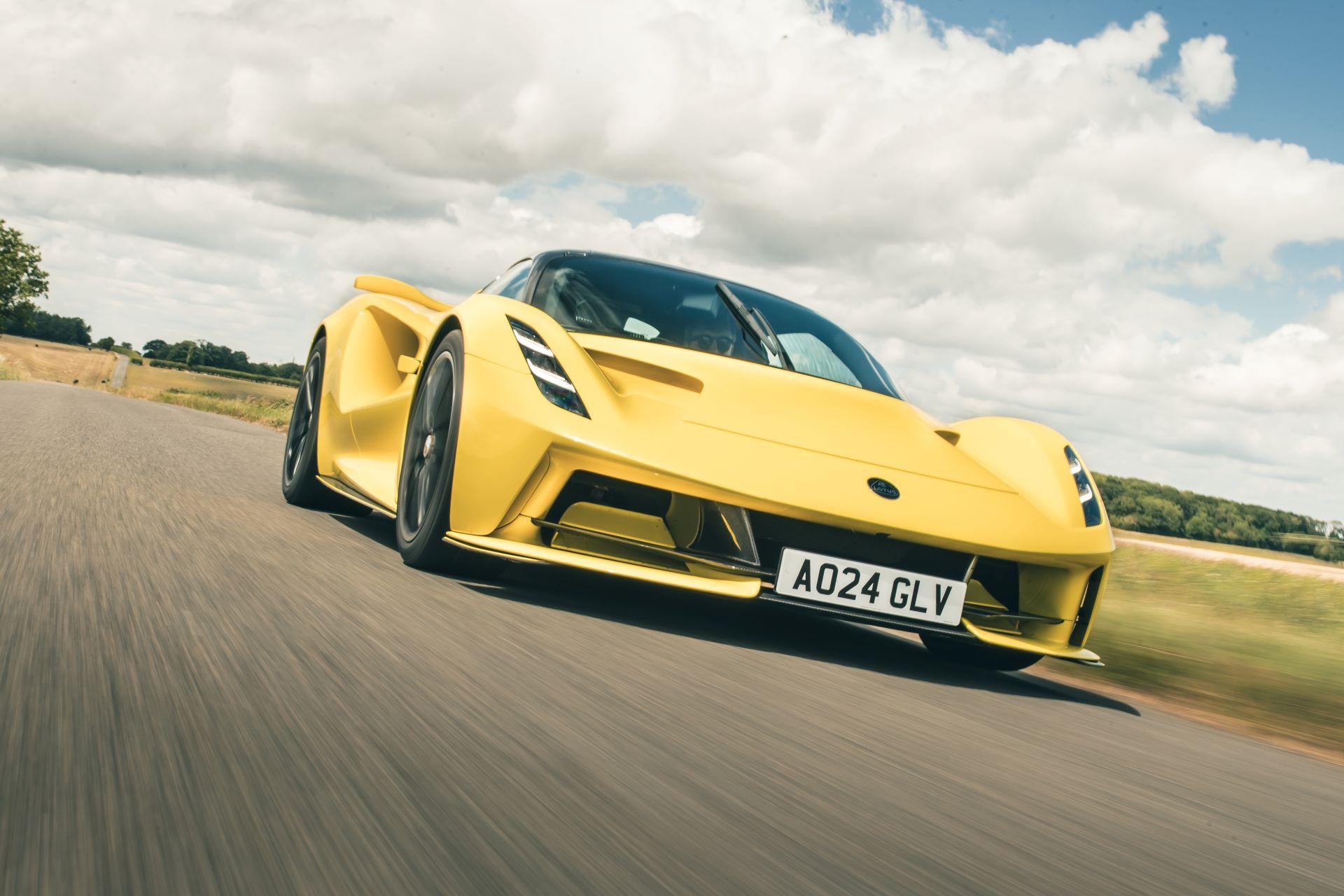
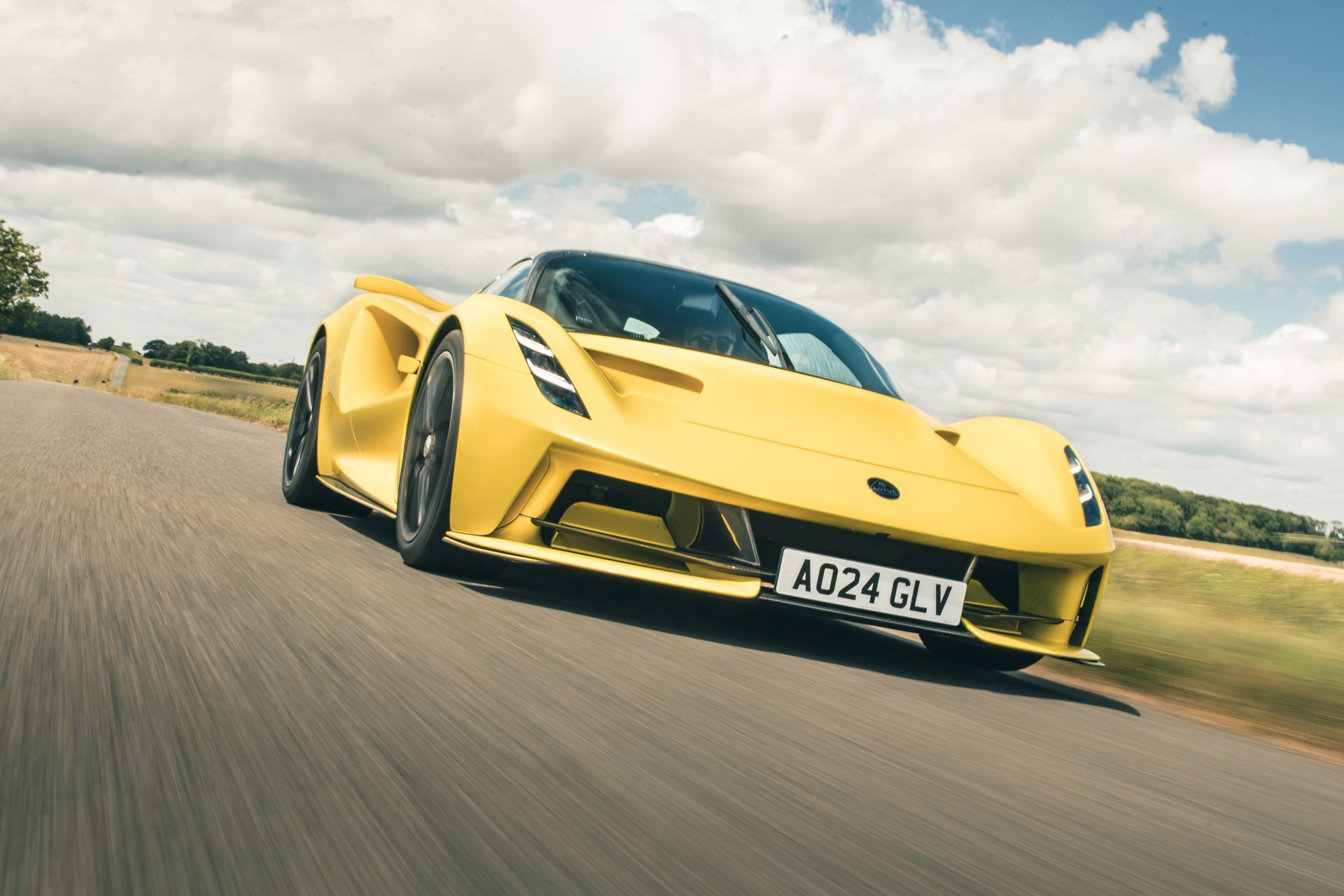
In a stunning demonstration of electric performance, the Lotus Evija has shattered long-standing performance records during Autocar’s definitive road test, elevating the £2 million, 2013bhp hypercar into the upper echelons of automotive history. With customer deliveries now underway, the all-electric Evija follows in the storied tyre tracks of legends like the McLaren F1 and Bugatti Veyron, only to surpass them in ways few could have predicted.
During Autocar’s rigorous benchmarking — a series stretching back nearly a century to April 1928 — the Evija emerged as the fastest-accelerating production car ever tested by the publication, rewriting the playbook for what a road-legal vehicle can achieve.
A New Era in Acceleration
The figures are jaw-dropping. The Evija hits 150mph in just 7.7 seconds, eclipsing the Tesla Model S Plaid, Lamborghini Revuelto, and even the fearsome Bugatti Veyron Super Sport. From 0-200mph, the Evija stops the clock at 13.0 seconds — nearly 10 seconds faster than the Veyron and more than twice as quick as the iconic McLaren F1.
Even more extraordinary, the Evija reaches its 217.4mph top speed in just a standing kilometre — a distance where even the fastest hypercars are still winding up towards the 180mph mark. This staggering performance doesn’t just set records; it obliterates them.
The Standing Start Masterclass
In the standing quarter-mile — the litmus test for raw acceleration — the Evija clocked 9.5 seconds at 171.6mph, beating every rival, including the ultra-efficient Tesla Plaid. The standing kilometre? A scarcely believable 16.2 seconds at terminal velocity.
These aren’t just fast numbers. They’re historical. According to Matt Saunders, Autocar’s road test editor:
“Hypercar makers some time back shifted their focus away from top speed as a distinguishing feature. Some have opted for outright circuit pace, but Lotus chose something powerful electric motors could be truly exceptional at: the 0-200mph, standing-kilometre drag-strip blast.”
He adds:
“In 2011, the Bugatti Veyron cut the standard for that – as verified by this magazine in 1994 with the McLaren F1 – by 21%. In 2025, proportionally speaking, the Evija’s leap is twice that size.”
Speed Redefined
To contextualise this feat, consider this: the Evija accelerates from 150mph to 180mph in just 2.7 seconds — the same time it takes many high-performance saloons to sprint from 60-90mph. From 100-150mph, it is nearly three seconds quicker than any hypercar previously tested by Autocar. From 150-200mph, that advantage extends to five seconds — a gulf in performance rarely seen in a segment known for microscopic margins.
A Hall of Fame Performance
Here’s how the Evija compares in Autocar’s hall-of-fame metrics:
| Metric | Lotus Evija (2025) | Tesla Model S Plaid (2023) | Bugatti Veyron Super Sport (2011) | McLaren F1 (1994) |
|---|---|---|---|---|
| 0–150mph | 7.7s | 9.4s | 10.2s | — |
| 0–200mph | 13.0s | — | 22.2s | 28.0s |
| 1/4 Mile | 9.5s @ 171.6mph | 9.6s @ 152.1mph | 10.1s @ 147.9mph | — |
| Standing Km | 16.2s @ 217.4mph | 17.9s @ 158.5mph | 18.0s @ 183.4mph | — |
Legacy in Motion
As the Evija joins the rarefied company of road-legal vehicles timed to 200mph in Autocar’s test history — following the McLaren F1 and Bugatti Veyron — it does so not just as a peer, but as a pace-setter for the next generation of high-performance motoring.
The full 10-page Autocar road test, covering every technical detail of this electrifying record-breaker, is featured in the 30th July issue — available at newsagents, digitally via Autocar’s website, or on Apple News.
In the world of speed, Lotus has just redrawn the map — and the Evija is the landmark that now defines it.


