



KwaZulu-Natal’s automotive sector is shifting gears with intent, confidence, and a growing sense of global relevance. That momentum was on full display at the Automechanika Johannesburg Q2 CEO Breakfast, held on 17 April 2026 at the Durban Chamber of Commerce and Industry, where industry leaders gathered to take stock of a province that is no longer waiting for opportunity but actively engineering it.
Convened by Messe Frankfurt South Africa and supported by Nedbank, the event served as a strategic prelude to Automechanika Johannesburg 2026, bringing together policymakers, executives, and specialists across the automotive value chain. The tone was clear from the outset: KwaZulu-Natal is not merely participating in South Africa’s automotive future, it is positioning itself to help define it.
Meschack Zwane, Company Economist at Trade and Investment KwaZulu-Natal, painted a compelling picture of growth anchored in real economic movement. The province recorded GDP growth of 1.4% in 2025, supported by a sharp rebound in agriculture and a surge in vehicle and component exports exceeding 50% year-on-year. Business confidence, meanwhile, climbed to a record high in the final quarter of the year, signalling a shift in sentiment that extends beyond spreadsheets and into boardroom decision-making.
What stands out is not just the scale of growth, but its direction. Belgium has emerged as KwaZulu-Natal’s largest export partner, overtaking the United States, while exports to the UAE have surged dramatically. These shifts point to a reconfiguration of global trade relationships and a growing appetite for South African automotive products in new markets. The implication is unmistakable: KwaZulu-Natal is evolving into a globally recognised automotive hub, with the infrastructure and export capacity to match its ambition.
At a national level, the conversation turned to South Africa’s broader role in a rapidly changing automotive landscape. Tshetlhe Litheko, Chief Policy Officer at naamsa, highlighted the country’s production output of over 618,000 vehicles in 2025, alongside robust domestic sales growth. While exports experienced a decline, the narrative was reframed as one of strategic recalibration rather than retreat.
The transition to new energy vehicles remains a defining opportunity, and government policy is beginning to reflect that urgency. The introduction of a 150% investment allowance for electric vehicle production signals a clear commitment to future-focused manufacturing. For an industry navigating disruption, this creates a window where preparedness and agility can translate into competitive advantage.
Financing that transition will be critical, and Nedbank’s Takatso Sello addressed the realities facing manufacturers operating in a high-cost environment. His message was pragmatic but forward-looking. Sustainability, he argued, is no longer a compliance requirement but a strategic lever. Businesses that integrate it into their core operations stand to unlock both efficiency gains and long-term resilience. Financial institutions, in turn, have a role to play in enabling that shift, aligning capital with innovation and responsible growth.
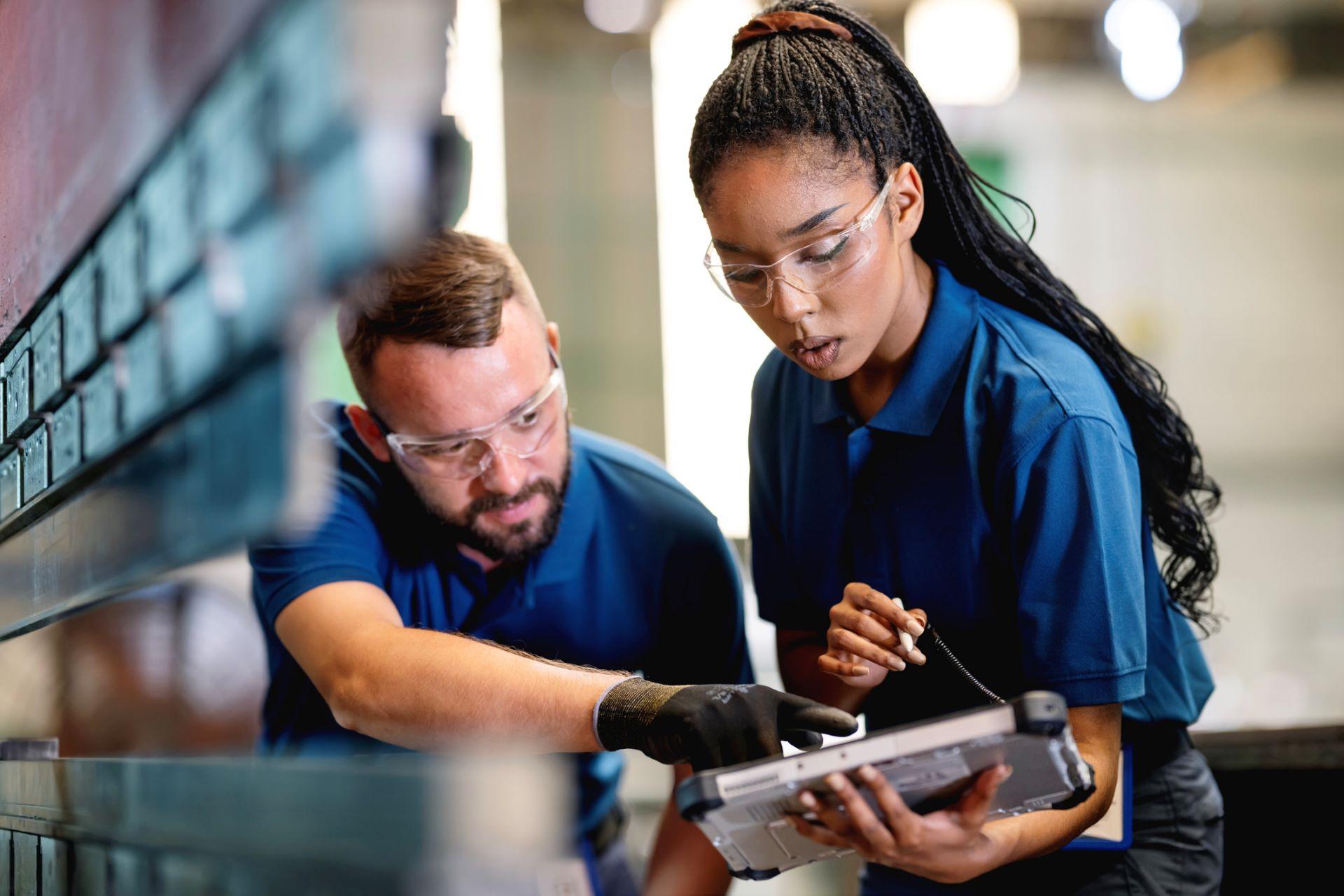
Beyond manufacturing, the aftermarket emerged as a powerful and often underestimated driver of economic inclusion. Anton Fiets of the Automotive Industry Development Centre underscored the importance of initiatives such as Township Automotive Hubs, which are equipping small businesses with the tools, training, and infrastructure needed to participate meaningfully in the sector. At the same time, investment in advanced technical skills, from mechatronics to EV systems, is laying the groundwork for a workforce that can meet the demands of a more complex, technology-driven industry.
What ties these threads together is a shared recognition that growth must be both scalable and inclusive. The automotive sector’s future will not be built solely in factories and export terminals, but also in workshops, training centres, and communities that form the backbone of the aftermarket economy.
Closing the discussion, Messe Frankfurt South Africa’s Managing Director Michael Dehn emphasised the importance of connection and collaboration in turning potential into progress. Automechanika Johannesburg, he noted, exists to provide precisely that platform, where data, dialogue, and partnerships converge to drive tangible outcomes.
As the industry looks ahead, the roadmap is becoming clearer. The next CEO Breakfast, set for 7 May 2026 in Gqeberha, will continue the conversation, while Automechanika Johannesburg 2026, taking place from 27 to 29 October at Gallagher Convention Centre in Midrand, promises to bring these ideas into sharper focus.
KwaZulu-Natal’s message is not subtle. The province is open, ready, and increasingly central to South Africa’s automotive narrative. The real question, as echoed throughout the morning, is who is prepared to move with it.