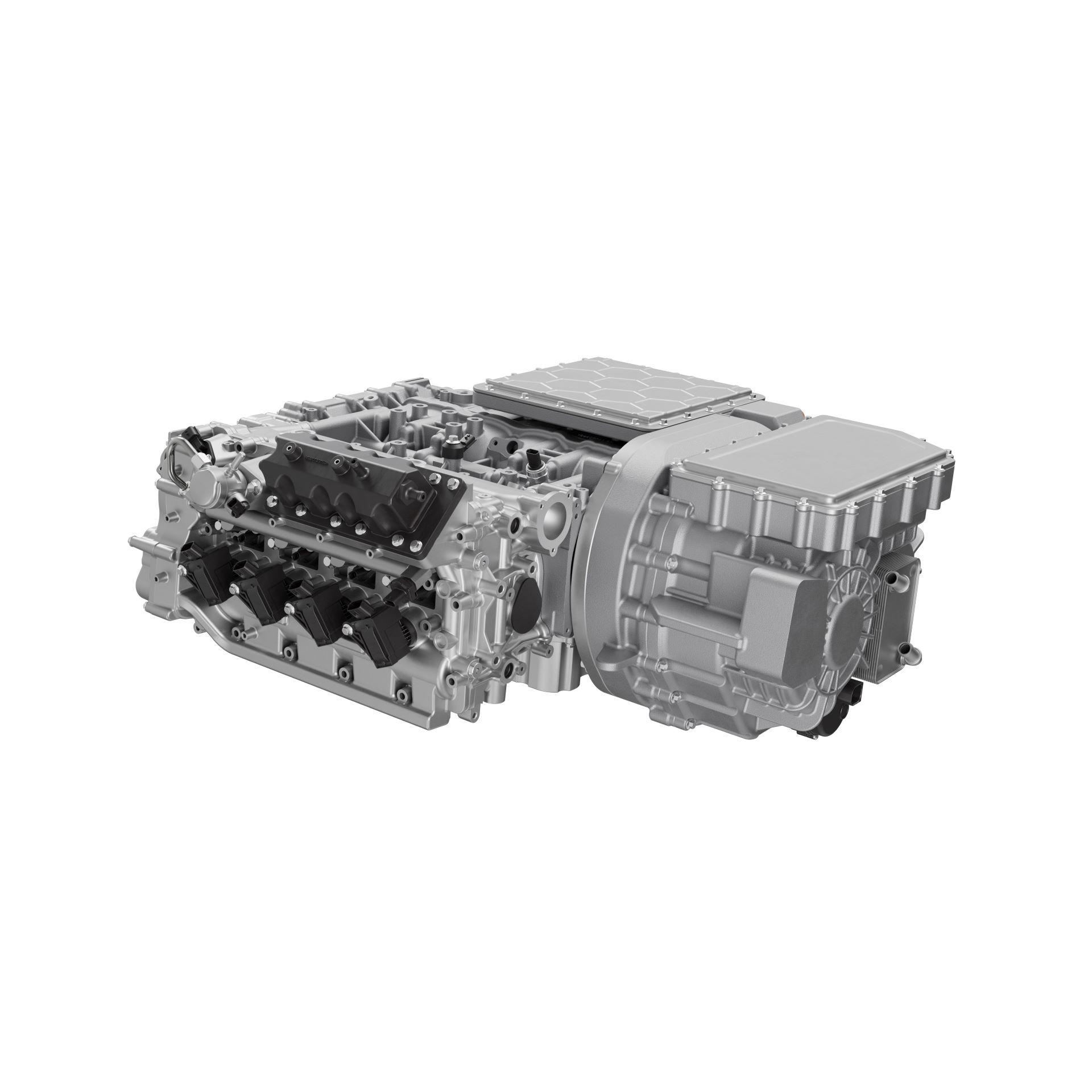
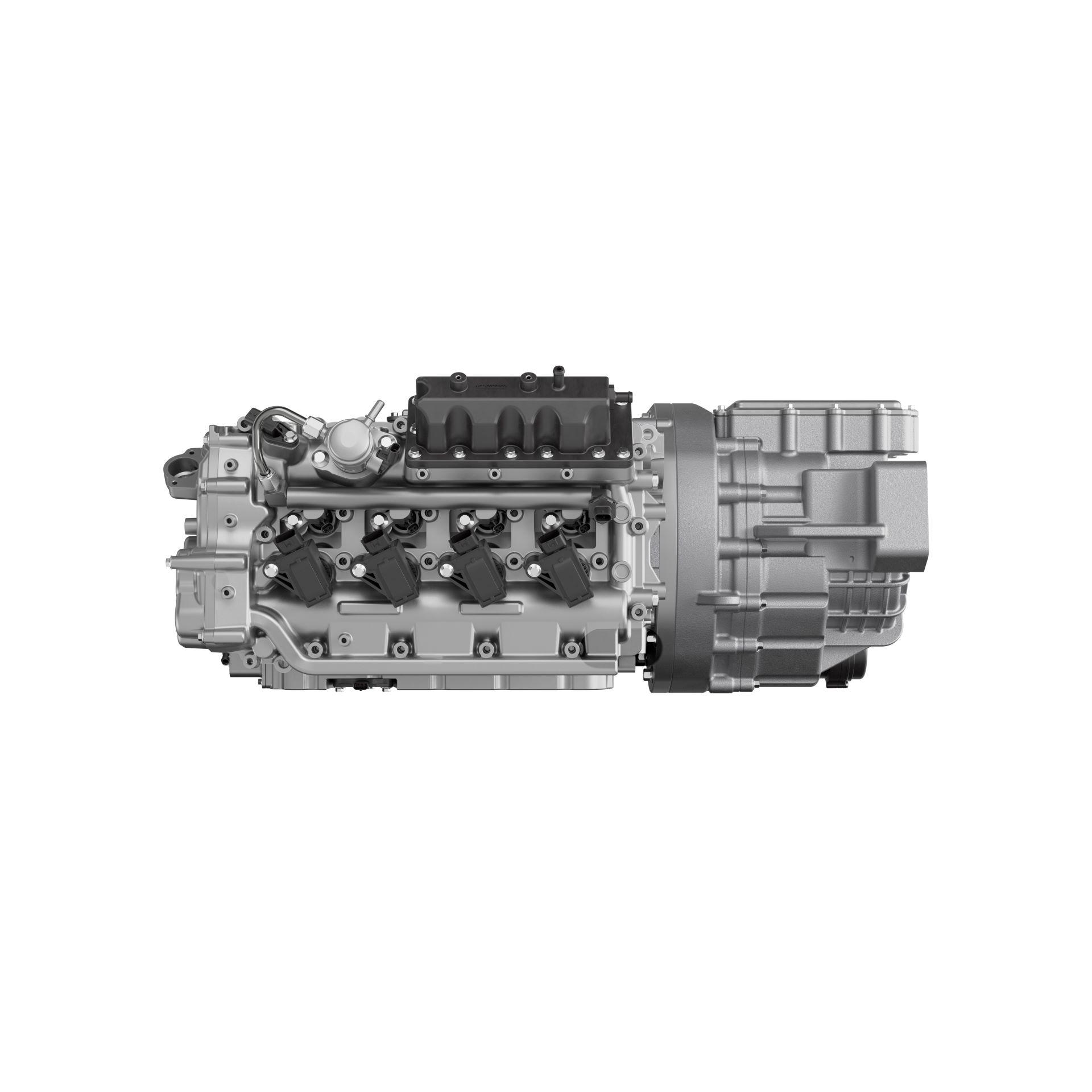
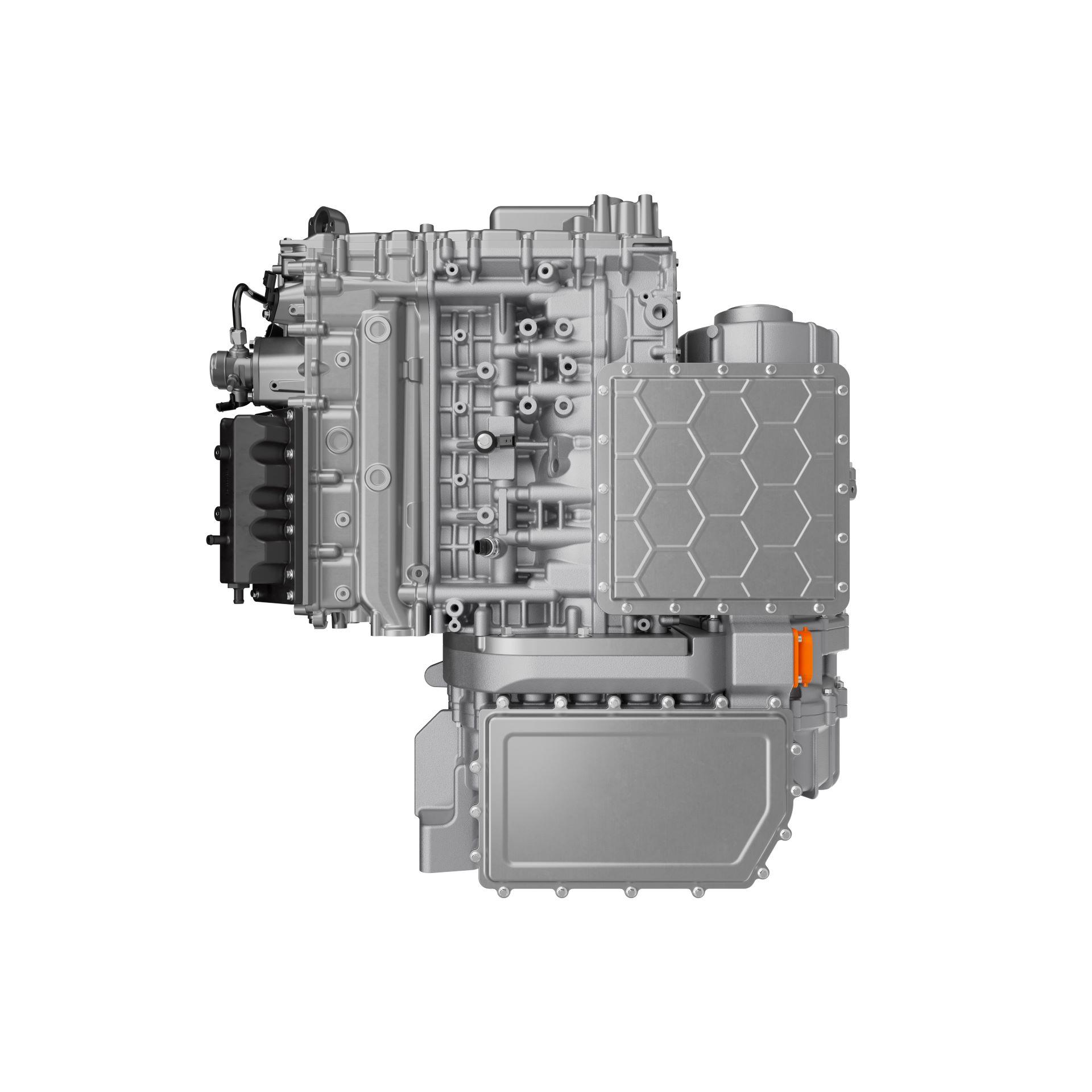
In an automotive landscape that increasingly resembles a game of strategic chess, flexibility has become the most valuable piece on the board. At the Beijing Auto Show 2026, Horse Powertrain has made a decisive move with the unveiling of its X-Range C15 Direct Drive, a compact, all-in-one hybrid powertrain engineered to transform how manufacturers think about electrified platforms.
At its core, the X-Range C15 Direct Drive is less a component and more a conversion kit for the future. Designed to replace the rear electric drive unit of a battery electric vehicle, it allows a single BEV architecture to underpin hybrid electric, plug-in hybrid, and range-extended electric variants without demanding costly redesigns or production upheaval. In an industry where platform investments run into billions, that kind of adaptability is not just convenient, it is commercially transformative.
The engineering itself reads like a lesson in spatial efficiency. A 1.5-litre four-cylinder engine, hybrid transmission, electric motors, and power electronics are all housed within a single, flat-profile unit. This tightly packaged system mounts neatly to the rear subframe, benefiting from a double isolated installation that enhances refinement by minimising noise, vibration and harshness. It is a solution that respects both mechanical integrity and passenger comfort, an increasingly delicate balance in electrified vehicles.
Flexibility extends beyond packaging. The engine can operate in naturally aspirated form, delivering up to 70kW for smaller B- and C-segment vehicles, or with turbocharging to produce up to 120kW for larger D-segment applications and light commercial vehicles. This dual-character approach allows manufacturers to tailor performance without reengineering the entire system, effectively giving the same hardware a split personality depending on market needs.
The hybrid architecture is equally nuanced. A P1 motor integrated at the crankshaft acts primarily as a generator, supporting both serial and parallel hybrid modes with outputs reaching 70kW or 110kW depending on configuration. Meanwhile, the P3 motor sits at the transmission output, delivering electric traction either independently or in tandem with the engine. The result is a system that can glide silently under electric power or combine forces for improved efficiency and performance, particularly in parallel mode where direct engine-to-wheel connection reduces energy losses.
Beyond propulsion, the placement of the system on the rear axle unlocks further advantages. Exhaust and after-treatment components can be neatly integrated at the back of the vehicle, freeing up valuable space within the floor structure. That space can then be reallocated to larger battery packs or improved cabin design, both of which are key battlegrounds in modern vehicle development.
The X-Range C15 Direct Drive does not exist in isolation. It joins a broader ecosystem that includes the front-mounted F15 system and the standalone C15 range extender, forming what Horse Powertrain describes as the industry’s first complete toolkit for hybridising BEV platforms. This modular philosophy signals a shift away from rigid drivetrain strategies toward a more fluid, demand-driven approach to electrification.
For automakers, the implications are substantial. The ability to pivot between fully electric and hybrid configurations using a shared platform dramatically shortens development cycles and reduces capital expenditure. It also provides a buffer against fluctuating market demand, allowing brands to respond to regional differences in infrastructure, regulation, and consumer readiness without committing to a single technological path.
As Matias Giannini noted, the X-Range family is designed to reflect the realities of a market that is anything but uniform. Electrification is no longer a straight road but a network of intersecting routes, and solutions like the X-Range C15 Direct Drive give manufacturers the ability to navigate that complexity with greater confidence and speed.
In a sense, Horse Powertrain has built something akin to a mechanical shapeshifter. It allows a vehicle platform to evolve without starting from scratch, adapting to different powertrain strategies as easily as changing a setting. In an industry defined by constant change, that kind of quiet versatility may prove to be one of the loudest innovations of all.