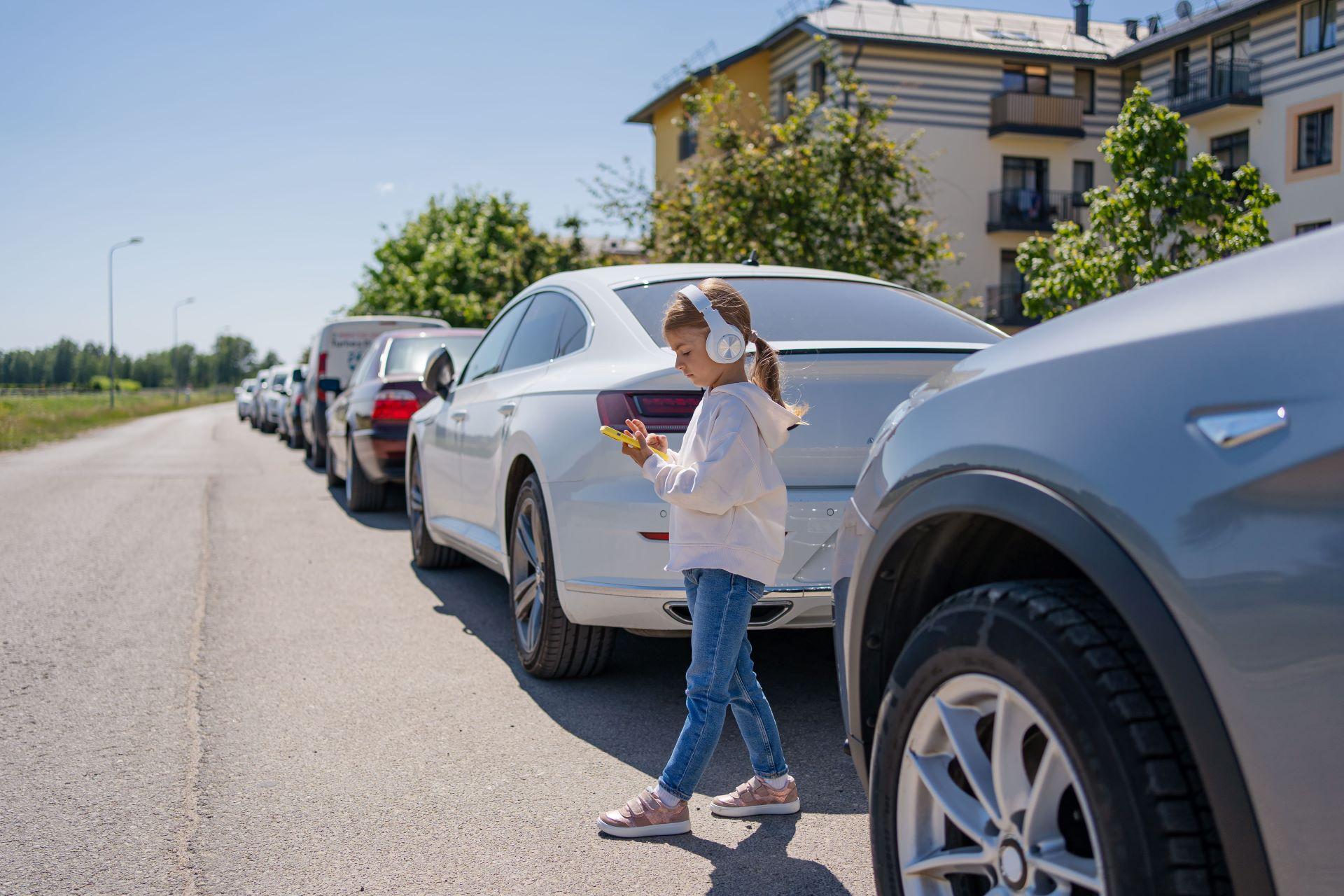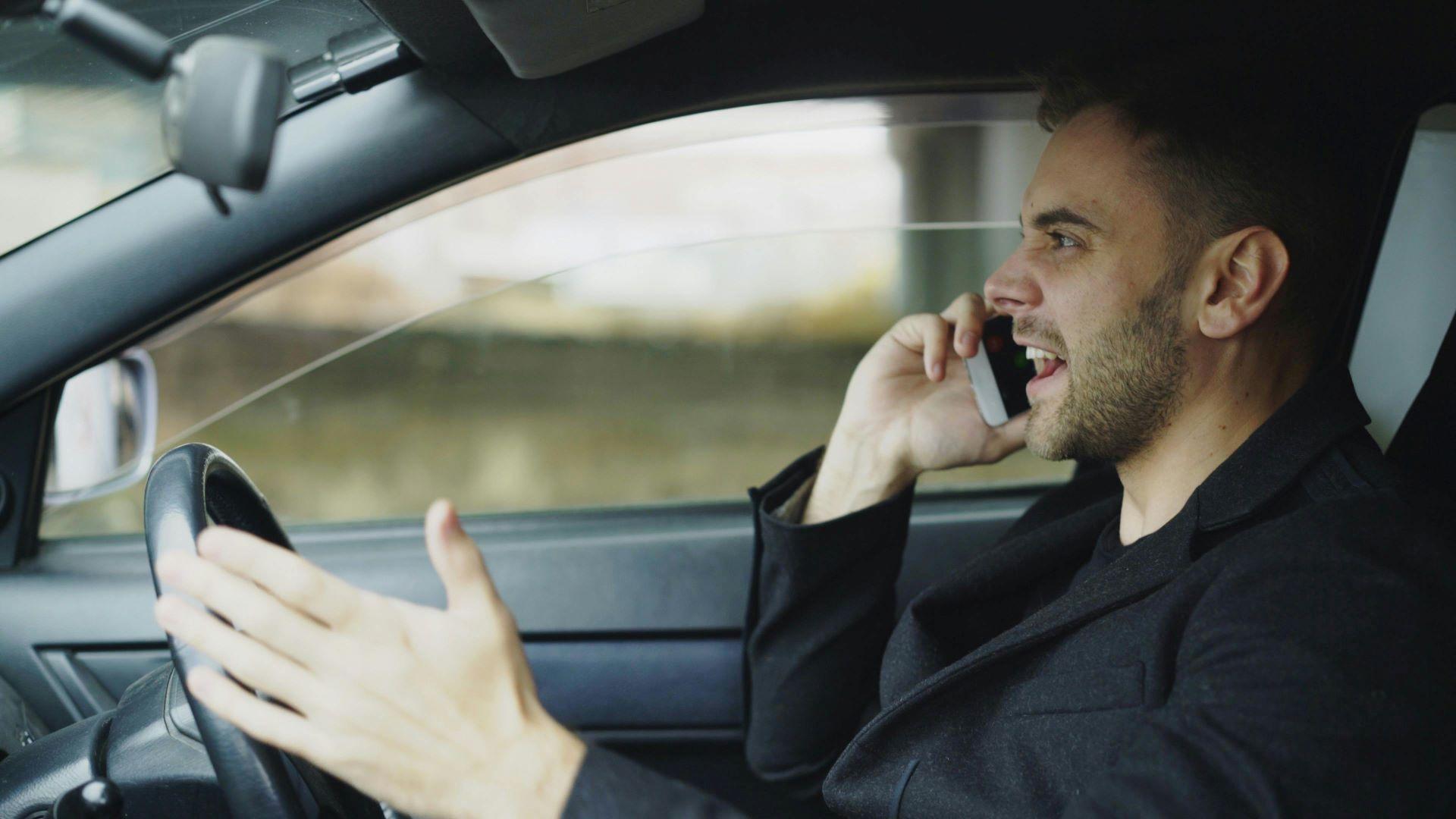
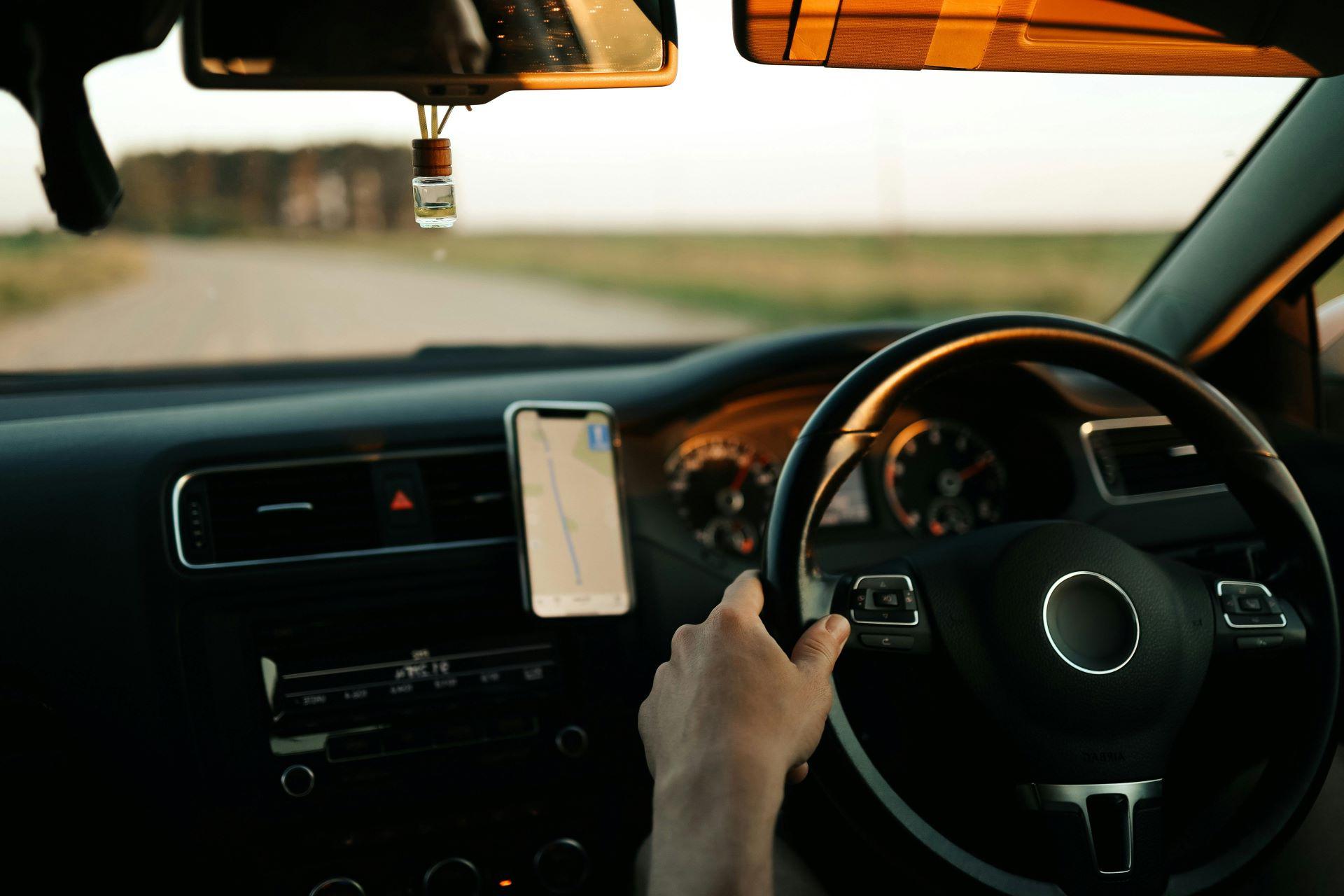
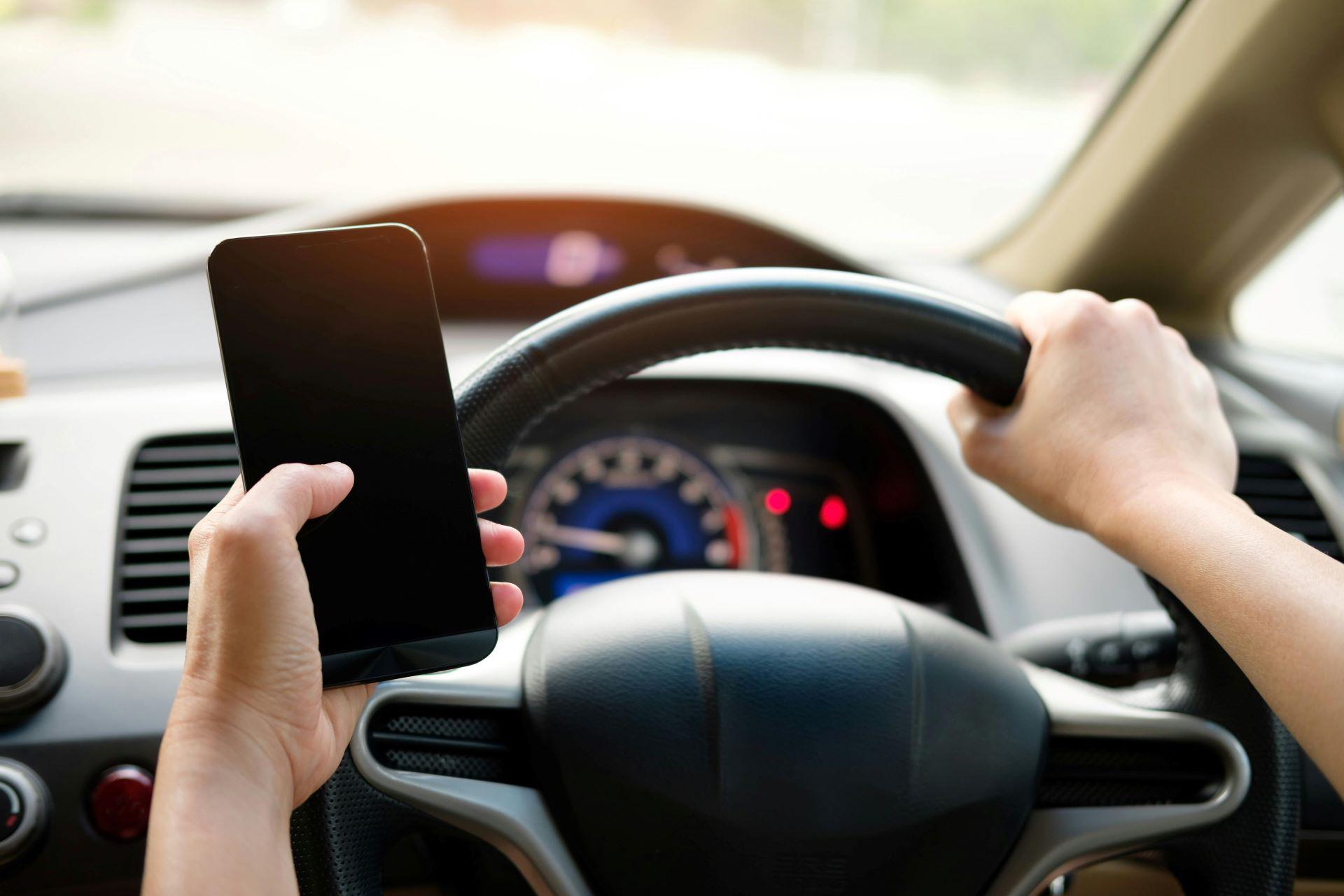

April is Distracted Driving Awareness Month, a calendar moment designed to sharpen attention on one of the most predictable yet stubbornly persistent risks on South African roads. The irony is hard to ignore. Awareness has never been higher, statistics are widely circulated, and most drivers can correctly identify that using a phone behind the wheel is dangerous. Yet behaviour refuses to follow belief. Around 60% of drivers still admit to doing it.
This gap between knowing and doing is where the real story begins. Because the problem is not ignorance. It is psychology.
At the centre of this disconnect sits a deeply human distortion known as optimism bias. It is the quiet conviction that risk applies broadly to others, but selectively to oneself. Eugene Herbert, CEO of MasterDrive, describes it as a persistent blind spot in modern driving behaviour. Research consistently shows that while drivers acknowledge distracted driving is dangerous in principle, many still believe they are above-average drivers who can safely manage it in practice. That belief, he warns, is precisely what makes it so dangerous.
There is a subtle shift that happens when confidence becomes overconfidence. The act of checking a message at a robot or glancing at a notification on the highway is not framed internally as reckless. It is framed as controlled, manageable, even efficient. The driver is not consciously rejecting safety. They are redefining it.
Herbert explains that some motorists have become so accustomed to multitasking that they now consider themselves safe while actively engaging in it. The more competent a driver feels, the less likely they are to interrogate the risk. In that mindset, statistics lose their persuasive power. Evidence becomes abstract. Personal experience becomes the only trusted reference point.
And personal experience rarely tells the truth.
The brain, in motion, is a poor witness to its own limitations. When a driver glances at a message, there is no internal alarm that registers what has been missed. The danger is not felt because it is not seen. Hazards avoided by chance or timing are quietly absorbed as evidence of skill rather than survival. Each uneventful journey becomes reinforcement, not warning.
This is where distracted driving becomes psychologically self-sustaining. A behaviour that should trigger caution instead generates reassurance. The brain rewards the driver with a false narrative: nothing went wrong, therefore nothing is wrong. Over time, this loop strengthens the illusion of control.
In reality, the physical cost of that illusion is severe. A five-second glance at a phone while travelling at highway speed covers a distance roughly equivalent to the length of a rugby field. During that stretch, the driver is effectively blind to changing conditions. The vehicle continues moving, but awareness does not. The contradiction is that the driver still feels in control, even while control has temporarily been surrendered.
That gap between perception and reality is where risk compounds.
Complicating the issue further is the environment in which this behaviour occurs. Humans are social learners, and driving is no exception. When motorists regularly observe others checking phones at traffic lights, responding to messages in slow-moving traffic, or even scrolling at speed without immediate consequence, the behaviour becomes normalised. What is seen repeatedly begins to feel safe, regardless of its actual risk profile.
The post-pandemic driving landscape has intensified this effect. Digital dependency increased across all aspects of life, and those habits did not remain at the office door or kitchen table. They followed drivers into their vehicles. Multitasking became not just common, but expected. The car, once a relatively bounded space for attention, now competes directly with an always-on digital environment.
Herbert points out that this normalisation is one of the most difficult barriers to reverse. Once a risk becomes socially invisible, it stops feeling like a risk at all. The absence of immediate consequences reinforces the illusion that the behaviour is harmless, even when the underlying danger remains unchanged.
This is why awareness campaigns alone struggle to create lasting behavioural change. Information can correct ignorance, but it struggles against identity and habit. A driver may fully understand the risk and still believe it does not apply to them specifically. Logic informs, but bias overrides.
The challenge, then, is not simply to increase awareness, but to interrupt the psychological mechanisms that sustain the behaviour. That means confronting overconfidence directly, not just the act of distraction itself. It also means recognising that safety is not only a matter of knowledge, but of systems, habits, and constraints that shape behaviour in real time.
Organisations and fleet operators increasingly have a role to play here, not only through policy but through practical interventions that reduce opportunity for distraction. Technology that limits phone interaction while driving, combined with behavioural accountability structures, begins to close the gap between intention and action. Without these guardrails, the burden remains entirely on individual willpower, which is precisely where optimism bias thrives.
Ultimately, distracted driving is not sustained by ignorance. It is sustained by a convincing internal narrative that says, “I can manage this.” It is a story written by familiarity, reinforced by repetition, and protected by the absence of immediate consequence.
As Eugene Herbert cautions, the most dangerous driver is not the one who does not know the risk, but the one who knows it well and still believes it does not apply to them. In that space between knowledge and self-deception, the real danger on the road continues to grow quietly, one glance at a time.