London is set to become the staging ground for a rare kind of automotive storytelling on 2 June, when Andy Wilman steps into the spotlight for “Mr Wilman’s Motoring Adventure,” an exclusive live conversation presented by MICA in collaboration with Esquire. Hosted at the newly refurbished House of Hearst on Panton Street, the evening promises an inside look at one of the most influential eras in modern motoring television, told by the man who helped shape it from the inside out.
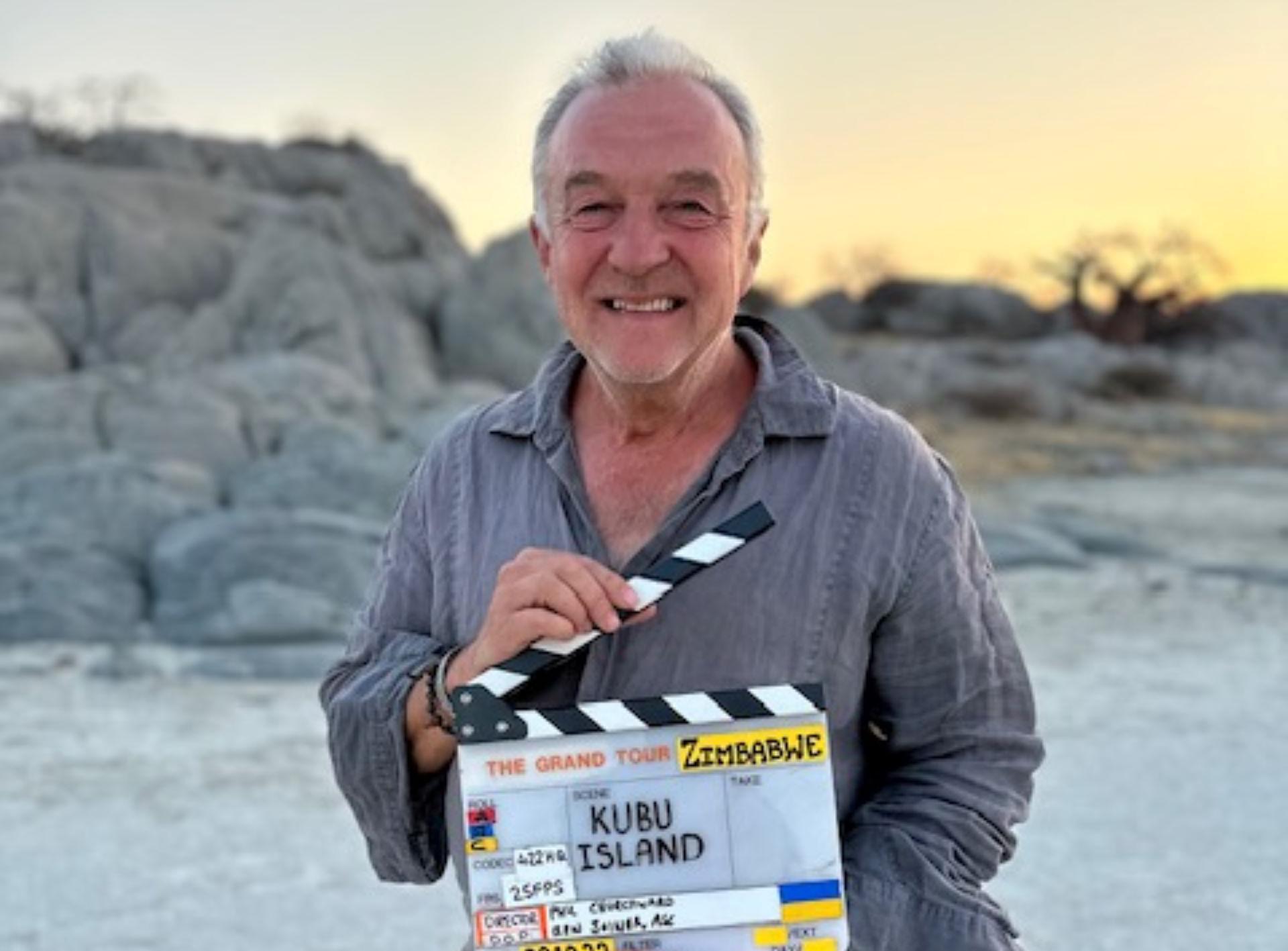
For two decades, Wilman has occupied a uniquely powerful vantage point in automotive media. As co-creator and executive producer of Top Gear and later The Grand Tour, he has not only witnessed the transformation of factual motoring entertainment but actively engineered its cultural acceleration. What began as a modest motoring programme evolved into a global television phenomenon, exporting British humour, engineering curiosity, and road-trip chaos to audiences that stretched far beyond petrolheads.
This event, running from 6pm to 8pm, offers an unusually intimate lens into that evolution. Wilman is expected to reflect on the early creative risks that turned Top Gear into a format-defining success, where carefully balanced chaos, chemistry, and cinematic production values reshaped what a factual entertainment show could be. It is a story not just about cars, but about tone, timing, and the unexpected alchemy between producers and presenters.
As Top Gear reached unprecedented global reach, Wilman and his collaborators found themselves navigating both success and scale. The question was no longer whether the formula worked, but how far it could stretch without snapping. That tension ultimately helped define the next chapter: The Grand Tour, a show that transplanted familiar dynamics into a new production environment while embracing even greater cinematic ambition. For audiences, it was familiar yet expanded; for creators, it was a test of reinvention under global scrutiny.
Wilman’s journey did not end on the open road. Alongside Jeremy Clarkson’s pivot to Clarkson’s Farm, he once again found himself exploring a different kind of storytelling rhythm, trading supercars and studio segments for muddy boots, agricultural unpredictability, and the quiet drama of rural life. It is a reminder that behind the spectacle of automotive television lies a producer constantly adapting narrative form to match changing audiences and platforms.
The evening at House of Hearst will bring these threads together in a light-hearted Q&A hosted by Esquire’s Johnny Davis. Rather than a formal retrospective, the session is designed as a conversational exploration of over twenty years of on-screen experimentation, success, and controlled chaos. Expect behind-the-scenes insights that rarely surface in interviews, including how production decisions are shaped, how personalities are managed, and how global entertainment brands are built from what often begins as instinct and improvisation.
For MICA members and supporters, the event also reflects the organisation’s wider mission: to cultivate professional and social development within the international automotive communications sector. In an industry increasingly shaped by digital transformation, electrification, and shifting audience behaviour, the opportunity to step back and examine the foundations of modern motoring media is both timely and valuable.
Following the conversation, attendees will move into a networking session, offering space for automotive communicators, marketers, and media professionals to connect in a setting that blends industry insight with informal exchange. The choice of venue, Hearst UK’s newly refurbished headquarters, underscores the intersection between traditional publishing heritage and contemporary media evolution.
Attendance is free for MICA members, with non-members welcome for £25. In a media landscape often dominated by short-form content and rapid consumption, the evening stands apart as a slower, more reflective encounter with one of the industry’s key creative architects.
Bookings are available at www.mica.org.uk
, with demand expected to be strong given the rarity of Wilman’s extended public appearances and the enduring cultural footprint of the programmes he helped bring to life.
For those working in automotive communications, this is not simply an event. It is a chance to hear how some of the most recognisable motoring stories of the last twenty years were shaped, challenged, and ultimately driven into global consciousness.