


With fuel prices continuing to bite into household and business budgets, many drivers are actively searching for ways to stretch every litre further. But according to road safety and breakdown organisation GEM Motoring Assist, not all “fuel-saving hacks” are created equal. In fact, some of the most commonly shared tips can quietly erode safety, increase wear on your vehicle, and even cost more in the long run.
Modern vehicles are already engineered for impressive efficiency, yet GEM warns that the pressure to cut costs often pushes drivers toward shortcuts rather than smarter habits. The difference matters, because while small, sensible changes in driving style can reduce fuel consumption by up to around 15 percent, misguided tricks can undermine both performance and safety.
One persistent myth is that coasting downhill in neutral saves fuel. In reality, modern engines are designed to cut fuel delivery automatically when a driver keeps the car in gear and lifts off the accelerator. Coasting not only removes this efficiency advantage, it also reduces vehicle control at a time when stability is most important.
Another widely repeated belief is that air-conditioning should be avoided at all costs. While it is true that heavy use of climate control can slightly increase fuel consumption, switching it off permanently is not the answer. In fact, occasional use helps maintain system seals and efficiency, while judicious use is far more effective than avoiding it entirely.
There is also the outdated idea that engines need long warm-up periods before driving. Idling on the driveway does little more than burn fuel unnecessarily. Today’s engines are designed to warm up best under gentle driving conditions, making smooth departure far more efficient than sitting stationary.
Tyre pressure myths also persist, particularly the suggestion that over-inflating tyres improves economy. While it may slightly reduce rolling resistance, it does so at the expense of grip, comfort and tyre life. The safest and most efficient approach remains sticking to manufacturer-recommended pressures, which balance performance, wear and efficiency.
Similarly, some drivers believe keeping the fuel tank only half full reduces vehicle weight and improves economy. In reality, the difference is negligible, and frequent refuelling introduces inconvenience and the risk of rushed, less safe stop decisions.
GEM emphasises that genuine fuel savings come not from gimmicks but from consistent, mindful driving behaviour. Smooth acceleration and braking reduce unnecessary fuel burn and also lessen mechanical strain on the vehicle. Planning journeys in advance helps avoid congestion, detours and stop-start traffic that silently drains fuel efficiency.
Speed also plays a critical role. Driving at higher motorway speeds significantly increases fuel consumption, and reducing speed from around 80mph to 70mph can improve fuel economy by up to 25 percent while keeping driving within legal limits. It is a rare case where slowing down pays off twice, both financially and in safety margins.
Weight and aerodynamics matter too. Removing unused roof boxes, bike racks and heavy items from the boot reduces drag and load, allowing the vehicle to operate more efficiently without any change in driving behaviour.
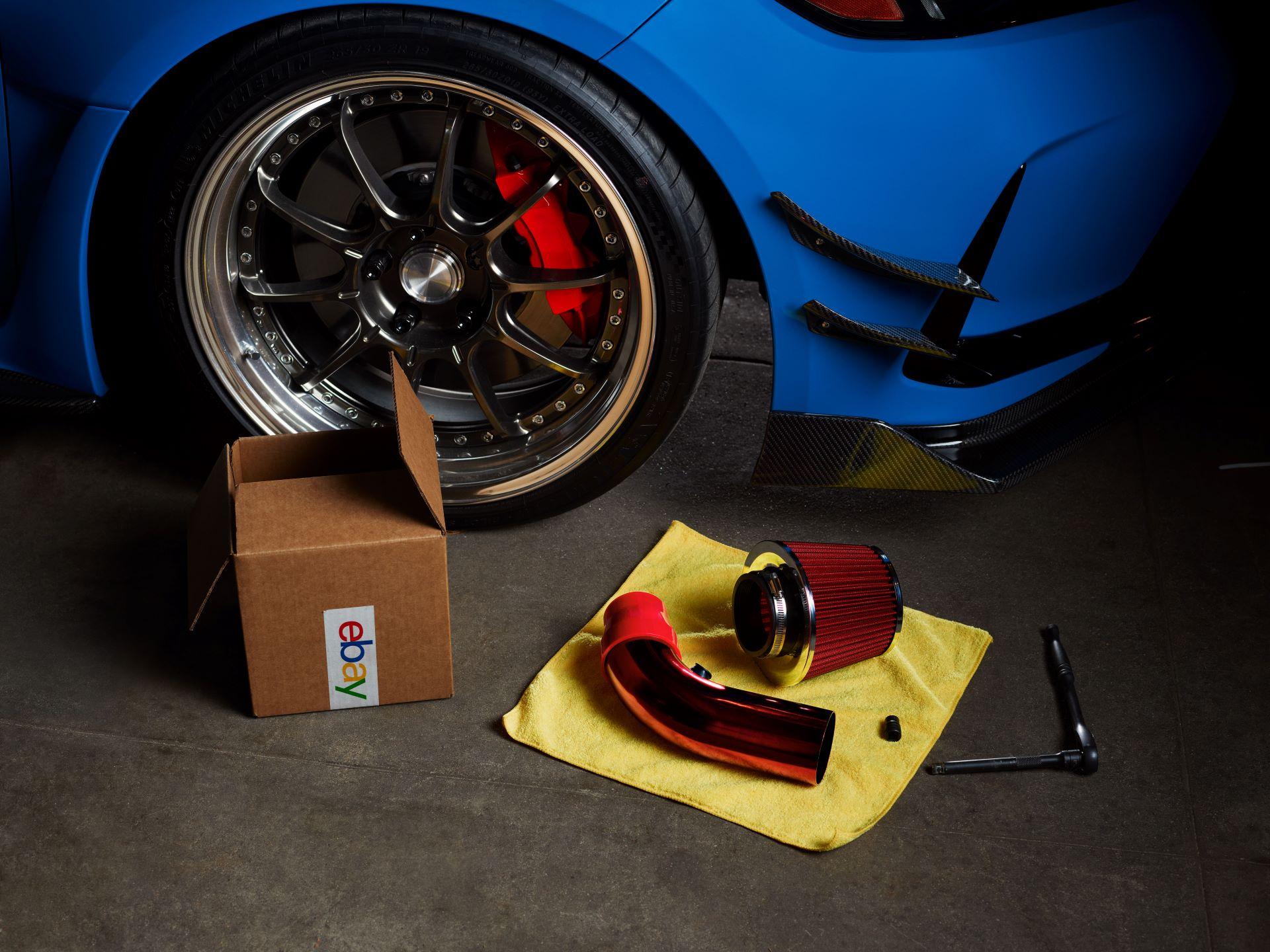
Maintenance remains one of the most overlooked contributors to fuel efficiency. Clean air filters, properly inflated tyres and regular servicing ensure the engine operates as designed rather than working harder than necessary.
For electric and hybrid vehicle drivers, similar principles apply, though with a few additional opportunities. Smooth driving and anticipation of traffic allow regenerative braking systems to work more effectively. Eco modes can extend range by moderating power output, while consistent tyre care improves both efficiency and battery performance over time. Charging habits also matter, with slower overnight charging often proving gentler on battery health than frequent rapid charging sessions.
GEM spokesperson James Luckhurst summed it up clearly, noting that there are no magic solutions in the current climate of rising energy costs. Instead, the real gains come from planning ahead, driving smoothly and maintaining vehicles properly. These habits not only save money but also improve safety and reduce environmental impact, proving that efficiency is less about tricks and more about thoughtful everyday driving.