

Recognition in fleet management is increasingly proving to be more than a moment of achievement. For top-performing entrants in the 2025 Fleet Safety Awards, the impact has carried well into 2026, translating into tangible professional development and operational improvement. This ongoing value was brought into focus at the first Fleet Management Workshop of the year, hosted by the Association of Fleet Professionals South Africa (AFP-SA) in partnership with Tracker.
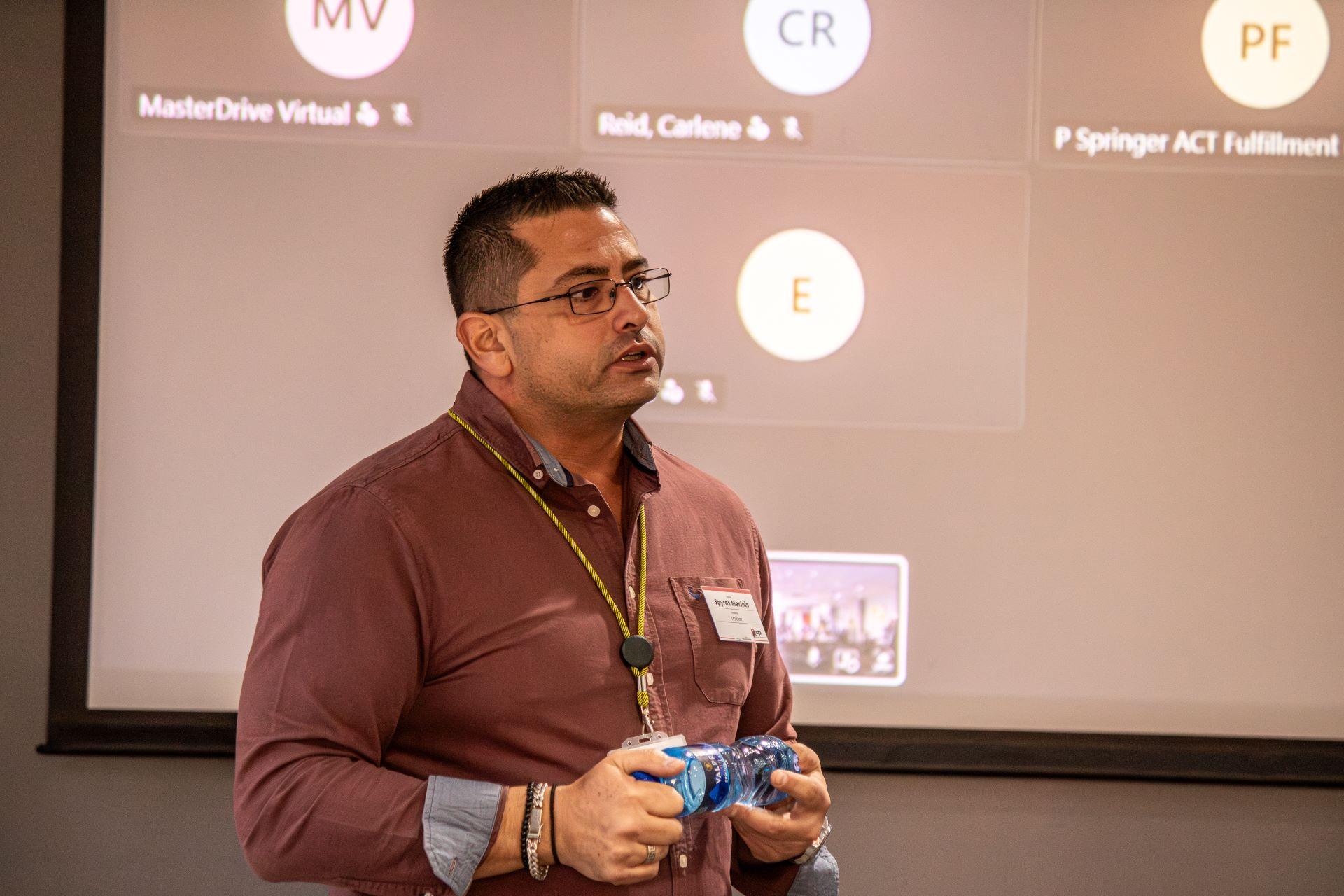
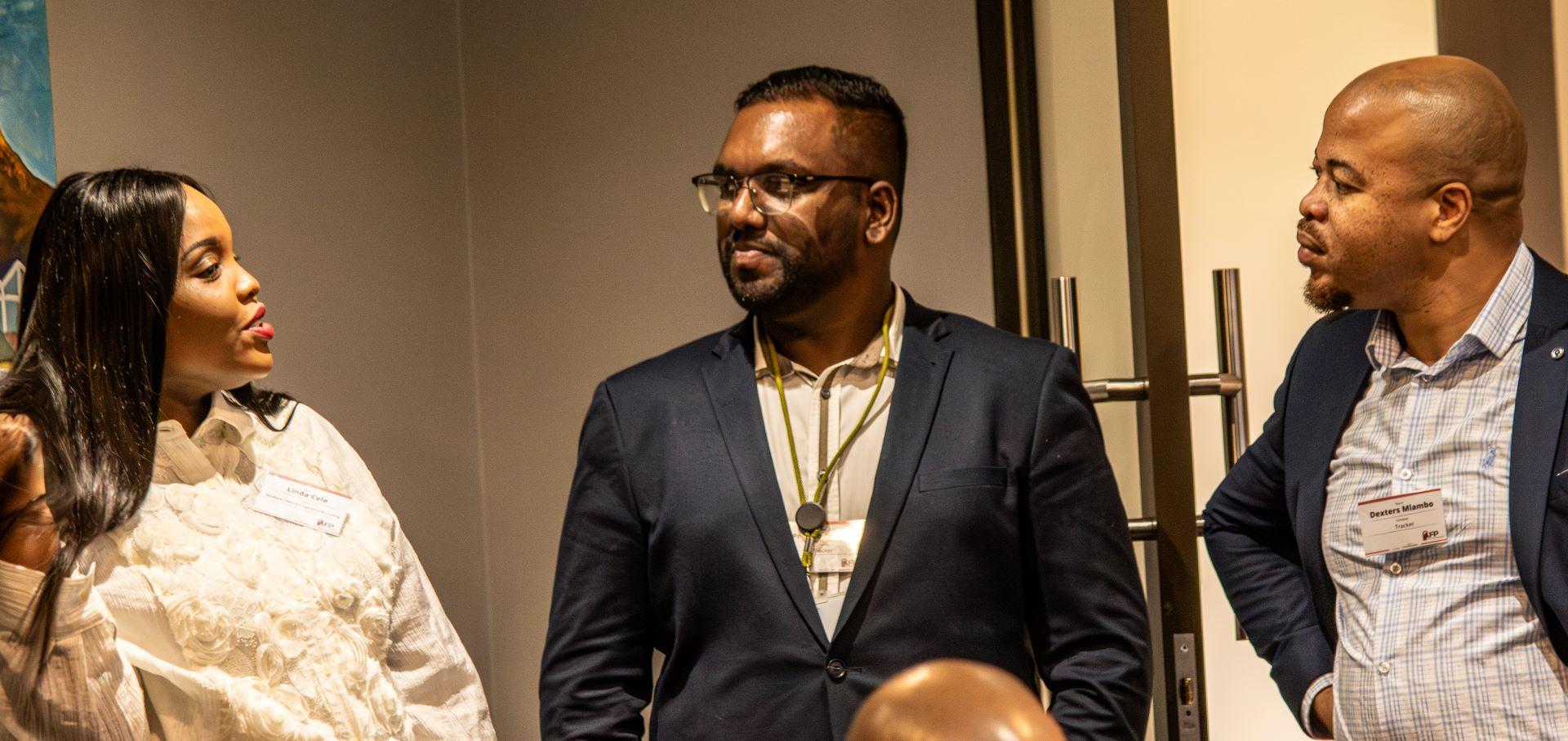
Held at Tracker’s offices, the workshop gathered a select group of fleet managers for a day centred on practical learning and peer engagement. The session reflected a broader shift within the industry, where recognition is no longer an endpoint but a gateway to deeper capability building. According to AFP President Eugene Herbert, the event brought together professionals who already demonstrate a strong commitment to safety, creating an environment where meaningful progress could take place.
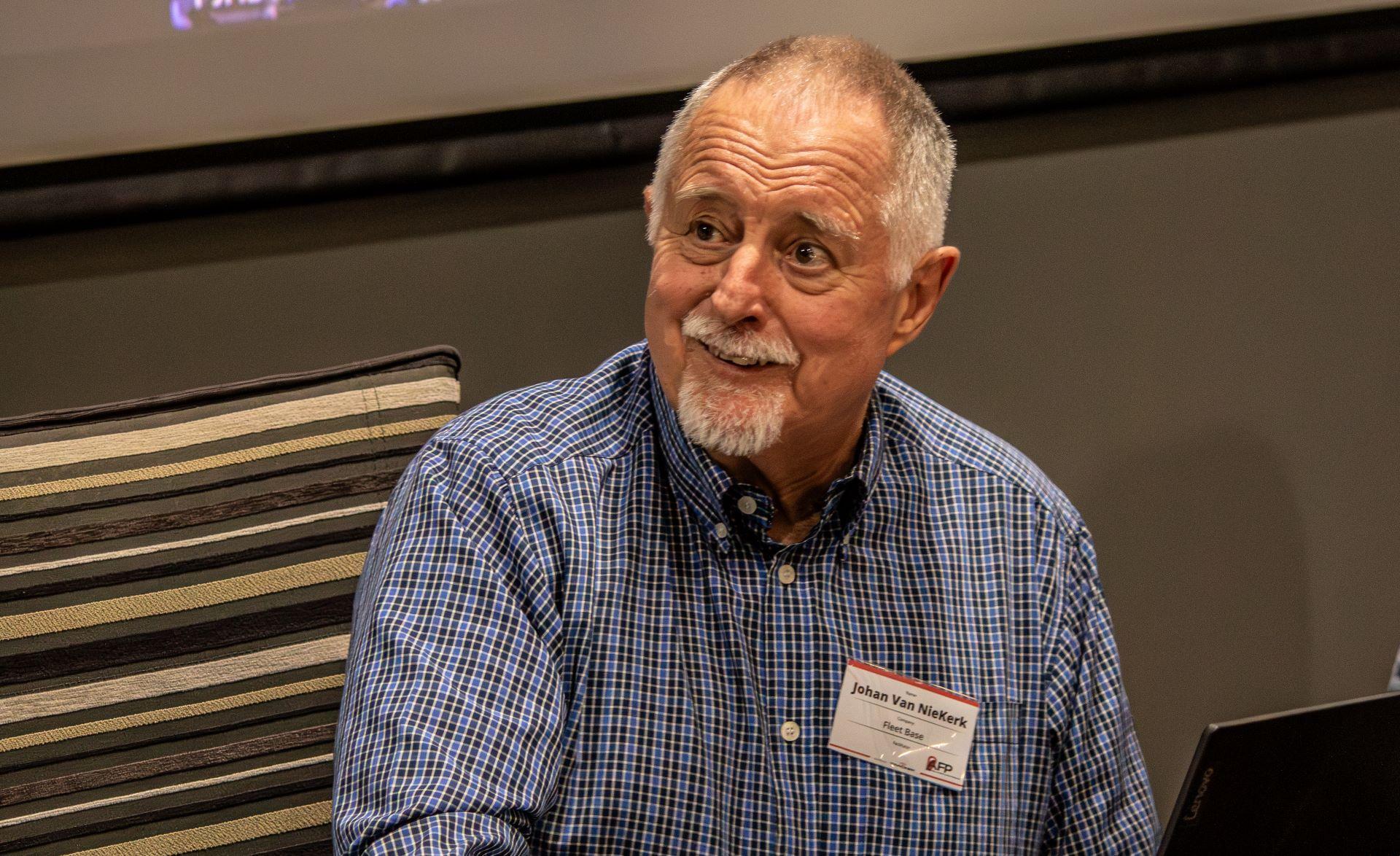
Facilitated by industry expert Johan van Niekerk, the workshop was designed to function as a springboard rather than a standalone intervention. The agenda addressed the full spectrum of modern fleet management, from macroeconomic pressures shaping the fleet landscape to the intricacies of asset management and the realities of daily operations. The result was a comprehensive exploration of the factors that influence fleet performance in a challenging and competitive environment.
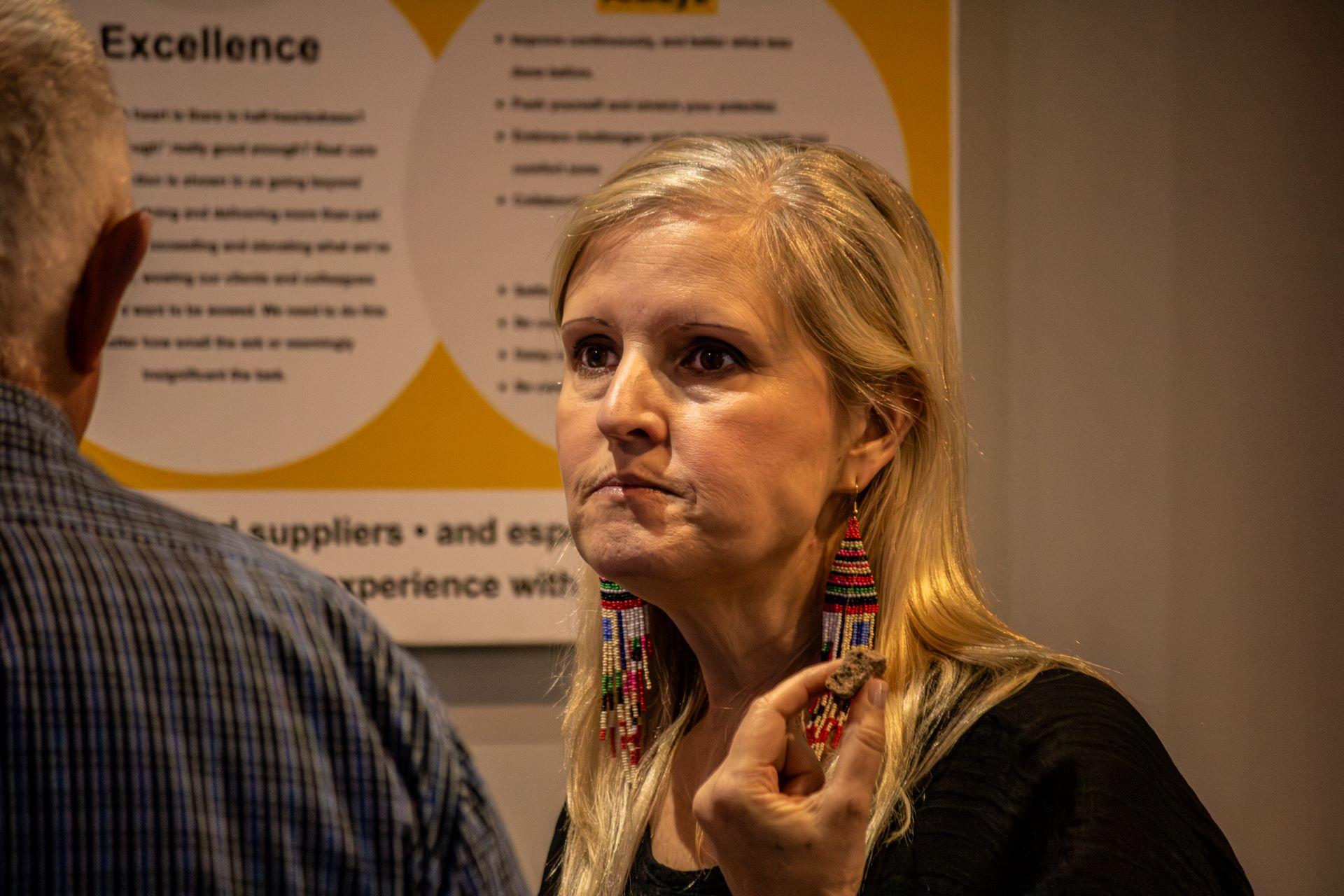
What distinguished the session was not only the breadth of its content, but the depth of its engagement. With a room filled by experienced and high-performing fleet managers, discussions quickly moved beyond theoretical frameworks into experience-led dialogue. Participants examined their own operational strategies, questioned established assumptions, and shared insights drawn from real-world challenges. This level of interaction underscored a key industry truth: even the most accomplished professionals benefit from continuous refinement of their approach.
The importance of such initiatives is amplified by the high-stakes nature of fleet management. Tight margins and the significant costs associated with accidents, inefficient operations, or poor asset decisions leave little room for error. Access to structured learning environments, combined with peer-driven insight, provides a valuable mechanism for mitigating these risks while enhancing overall performance.
A notable outcome of the workshop was a shift towards more holistic thinking. Fleet managers were encouraged to view their operations as interconnected systems, where financial performance, operational efficiency, and people management are closely aligned. This integrated perspective supports more informed decision-making and fosters stronger cohesion across all aspects of fleet operations.
Looking ahead, the Fleet Safety Awards 2026 are set to build on this momentum. In addition to recognising excellence, the awards will continue to offer participants access to development opportunities, including workshops scheduled for 2027 with refreshed and expanded content. Importantly, eligibility extends beyond overall winners, with the top ten finalists across all three Best Fleet Manager categories gaining access to these initiatives. This approach reinforces the idea that participation itself can serve as an investment in professional growth.
Further workshops planned throughout 2026 will delve deeper into the industry’s most pressing topics, offering targeted exploration of the trends and challenges shaping fleet safety and operations. These sessions are designed to sustain the cycle of learning and improvement, ensuring that recognition is consistently linked to capability development.
The collaboration between the AFP and Tracker reflects a shared commitment to elevating standards across the fleet management sector. By creating platforms where achievement is directly connected to knowledge exchange, the industry is moving towards a model where continuous improvement is embedded in its culture. In this context, awards are no longer just accolades, but catalysts for long-term progress.