



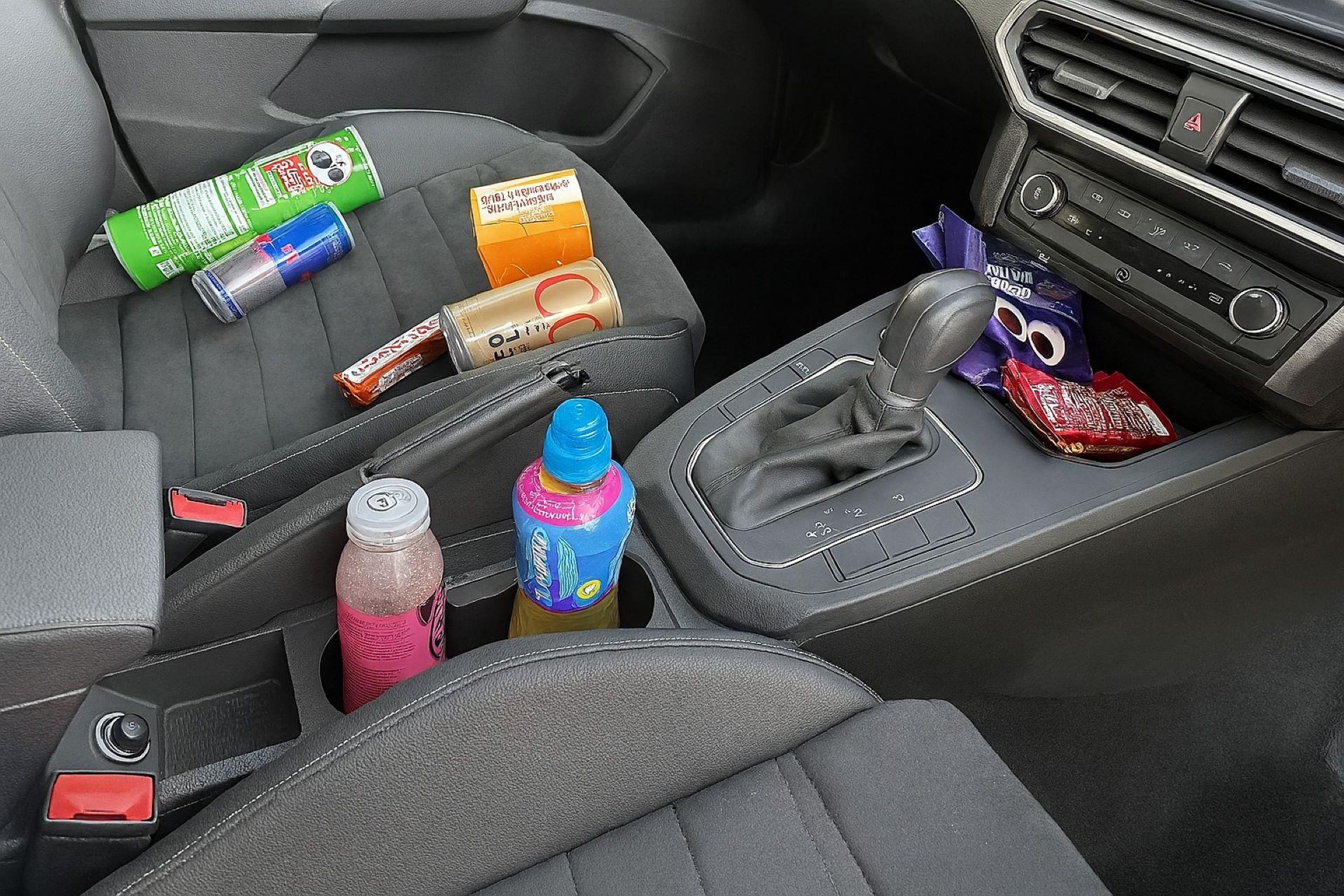
For electric vehicle (EV) drivers, charging at home is fast becoming more than just a convenience—it’s an unexpected boost for both your wallet and your waistline. Skipping the petrol station doesn’t just save emissions and fuel costs; it can also save drivers from the temptation of sugary snacks, energy drinks, and the irresistible “meal deal.”
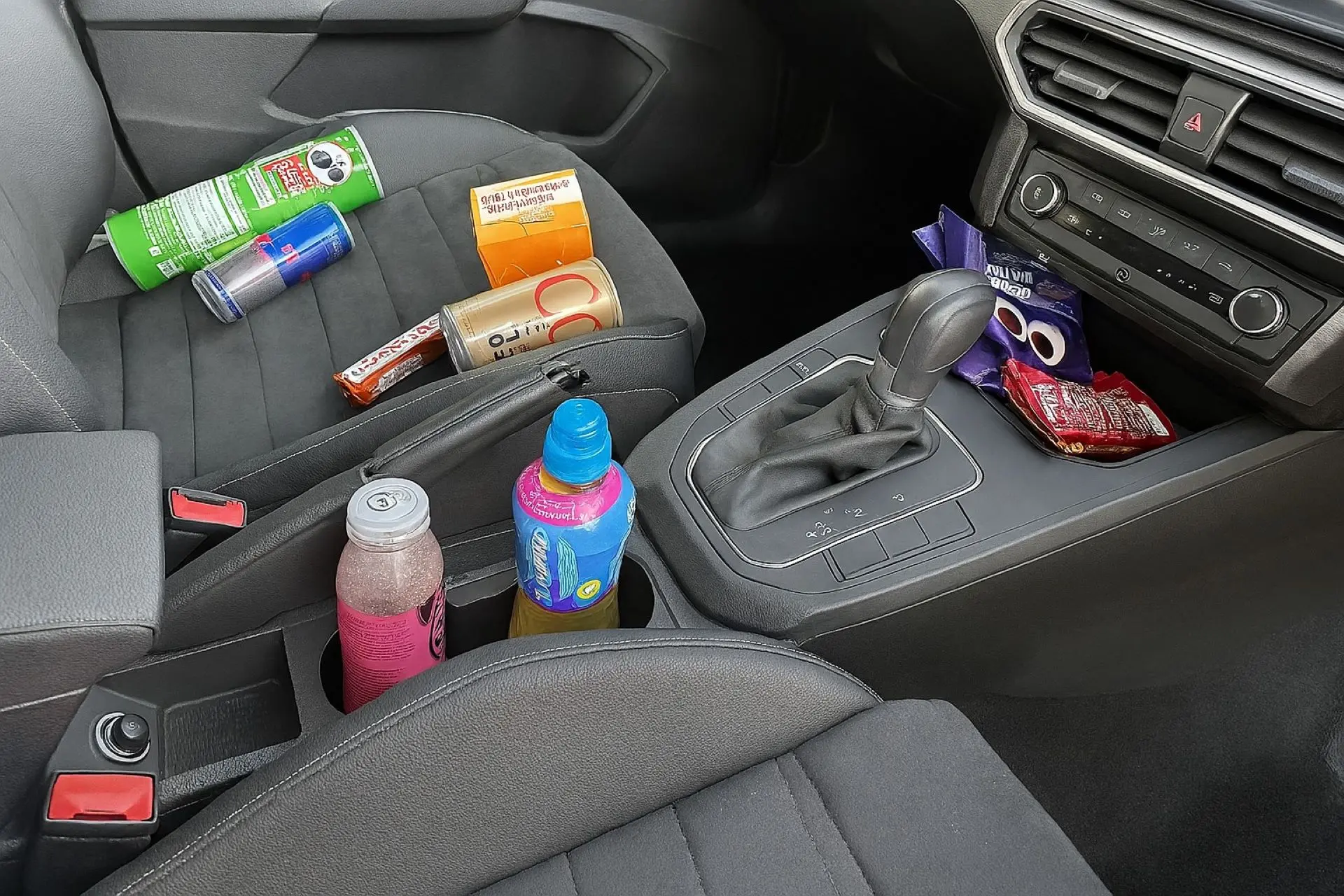
A new insight from British EV charger brand Simpson & Partners highlights a surprising perk of home charging: avoiding the weekly pit stop could prevent thousands of hidden calories from creeping into your diet. On average, a forecourt food and drink haul costs £5.00 per visit, adding up to around £260 a year. And while the financial hit is noticeable, the calorie count is equally eye-opening. A typical petrol station meal deal—like an M&S chicken and bacon sandwich, an Innocent Strawberry and Banana smoothie, and a Dairy Milk chocolate bar—totals 801 calories in a single sitting.
Mandy Simpson, co-founder of Simpson & Partners, explained the wider benefits:
“There’s so much talk in the media about weight loss drugs, sugar intake, and the rise of diabetes. One hidden benefit for EV drivers who home charge is simply not having to visit the petrol station and expose themselves to the snack aisle. It’s like a passive health benefit no one talks about.”
As more UK drivers adopt electric vehicles, home charging is becoming a preferred choice. Not only does it allow for off-peak charging at lower tariffs, reducing running costs, it also integrates seamlessly into daily routines. Overnight charging means your car is ready to go in the morning, while avoiding the bustle—and temptation—of public forecourts.
The financial incentive is significant, too. Public rapid charging can cost up to three times more than a smart, off-peak home charge. With convenience, energy efficiency, and savings on both money and calories, it’s no wonder more EV owners are swapping forecourts for their garages.
“Once you experience the convenience of home charging, it’s hard to imagine going back,” adds Simpson. “It’s energy-efficient, timesaving, and much less disruptive to your day—and turns out, it’s kinder to your waistband too!”
So next time you plug in your EV at home, remember: you’re not just powering your car—you might just be protecting your pocket and your health as well.


