



South African motorists are bracing for yet another hard knock at the pumps as global instability tightens its grip on fuel markets. With conflict in the Strait of Hormuz continuing to disrupt supply routes, fuel prices are once again surging, placing immediate pressure on households, logistics operators and fleet managers alike.
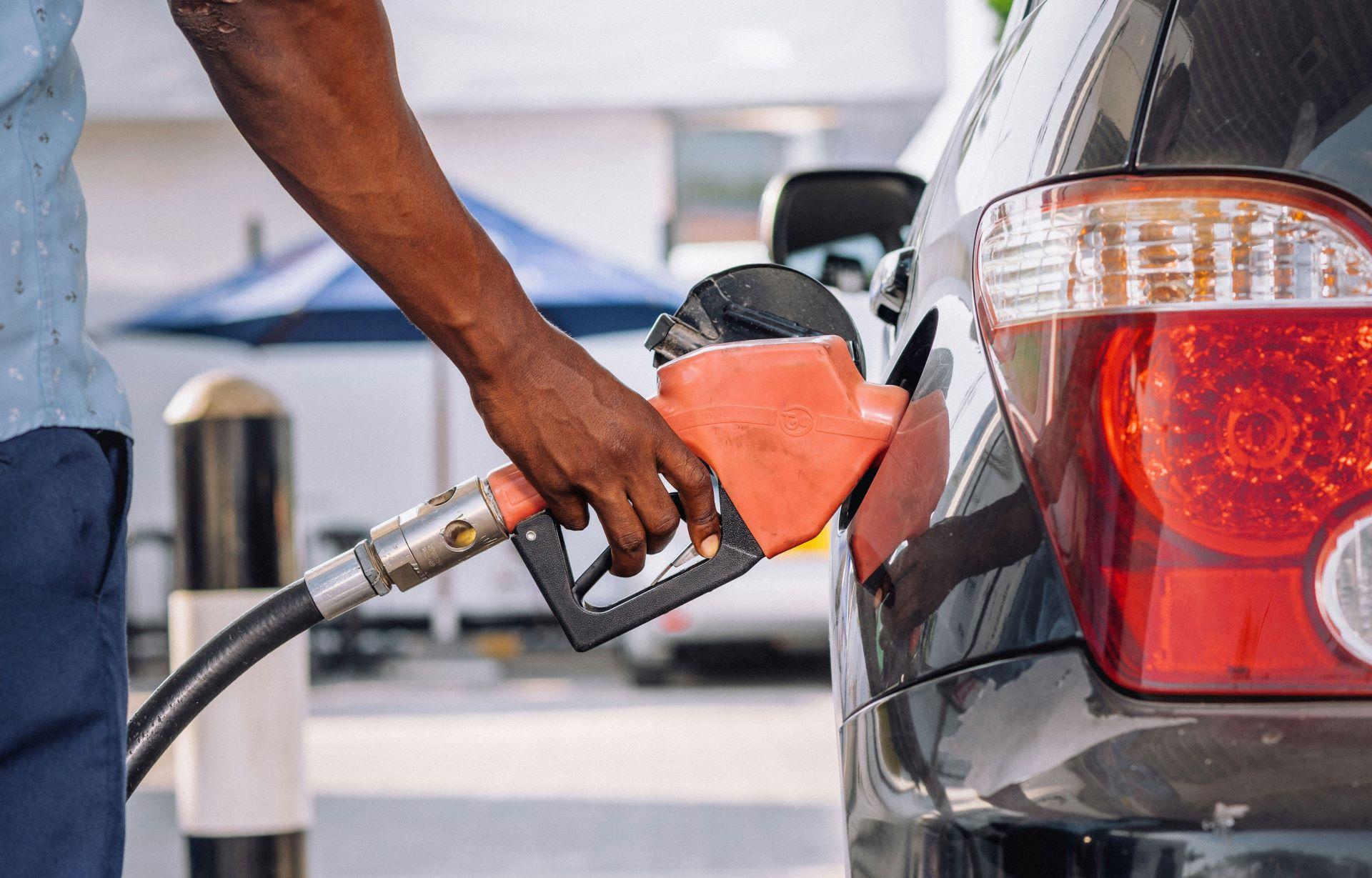
From tomorrow, petrol users will pay R3,27 more per litre, while diesel drivers are facing an even sharper increase of R5,26 per litre. For many, the impact will be felt immediately in daily commuting costs. For others, particularly those managing commercial fleets or high-mileage operations, the escalation is nothing short of structural. In some cases, filling a single tank will cost up to R500 more than it did just days ago.
The volatility has pushed industry experts to warn that short-term coping mechanisms are no longer enough. Eugene Herbert, CEO of MasterDrive, argues that the traditional approach of tweaking driving habits in isolation has reached its limit.
“Incremental adjustments are no longer sufficient,” says Herbert. “Instead, it requires a fundamental shift in how drivers and fleet managers think about fuel. Reactive responses to fuel price increases are unsustainable. What is needed are long-term and intentional strategies to decrease fuel spend. Those who will weather this best are those who embed fuel efficiency as a deeply ingrained culture, not an afterthought.”
That shift in mindset begins with reframing how fuel savings are understood. Herbert suggests moving away from percentages and instead thinking in rands, where the impact becomes tangible and decision-making more urgent.
“In May, a fuel saving of 15% in a vehicle covering 3 000km a month at 8L/100km can save over R11 300 per year by implementing eco-driving,” he explains. “Multiply that across a fleet of 100 vehicles and the saving surpasses 1 million Rand annually. Framing fuel efficiency in rands rather than percentages makes the urgency tangible and helps secure buy-in from both drivers and decision-makers.”
Beyond behavioural adjustments behind the wheel, Herbert highlights that mechanical condition remains one of the most overlooked drivers of unnecessary fuel consumption. Poor maintenance quietly erodes efficiency regardless of how carefully a vehicle is driven. Incorrect engine oil viscosity, worn spark plugs, clogged air filters and under-inflated tyres all contribute to higher fuel use, often without immediate warning signs.
Tyre pressure in particular plays a significant role. Even minor under-inflation increases rolling resistance, forcing engines to work harder and consume more fuel over time. In this context, disciplined servicing is no longer just preventive maintenance but a direct cost-control strategy.
Fuel waste also begins long before vehicles reach cruising speed. Short trips under 5km, fragmented daily travel patterns and peak-hour congestion all contribute to inefficient fuel burn. According to Herbert, the solution lies in rethinking how journeys are planned rather than reacting to them in real time.
“Most unnecessary fuel spend happens before cruising speed is even reached,” he says. “Cold starts on short trips, multiple isolated journeys in a day, and peak-hour congestion all increase consumption. The solution is smarter scheduling. Consolidate errands, carpool and use real-time traffic data to avoid congestion. These behavioural changes compound over time.”
For fleet operators, the most significant gains come from data-led decision-making. Telematics systems, for example, can expose inefficient driving patterns, idling behaviour and route inefficiencies that would otherwise go unnoticed. Herbert notes that such systems can reduce fleet fuel consumption by up to 15%, not by guessing where inefficiencies lie, but by identifying them with precision.
“Telematics enables targeted interventions. Without measurement, improvement is guesswork,” he says.
Training also plays a critical role in embedding long-term efficiency. Eco-driving programmes, Herbert explains, can reduce fuel consumption by between 15% and 20% on average. More importantly, they reshape driving behaviour at a subconscious level, turning efficiency into instinct rather than intention. The added benefit is improved road safety, which reduces accident-related costs and downtime.
As global uncertainty continues to shape fuel pricing, the message from industry leaders is clear. Motorists and fleet operators cannot influence geopolitical instability, but they can control how efficiently every litre is used once it is purchased.
Herbert summarises the challenge succinctly: “Build a culture of efficiency into every journey, service interval and fleet decision. You cannot control the price at the pump, but you can control everything that happens before you get there.”