


A new nationwide study commissioned by Hyundai Motor UK has revealed a striking contradiction at the heart of modern education: school trips may be one of the most powerful tools for learning and wellbeing, yet cost is increasingly keeping them out of reach for many pupils across the UK.
According to the research, cost is the single biggest barrier to participation, cited by 82% of teachers and 77% of parents. For many schools, the financial strain is now shaping not just how often trips happen, but whether they happen at all. Two-fifths of children have either missed out or nearly missed out on school trips due to affordability concerns, despite overwhelming agreement on their value.
The emotional and educational impact of these experiences is difficult to ignore. The study found that 77% of children describe a school trip as their best school day ever, while attention levels rise by an extraordinary 80% compared with a typical classroom day. In a learning environment often challenged by distraction and fatigue, this shift alone signals a profound opportunity.
Hyundai Motor UK’s research, conducted in collaboration with behavioural scientist Dr Martha Newson of the University of Greenwich, goes further by quantifying the psychological uplift associated with learning beyond the classroom. When lessons move into real-world environments, children experience measurable increases in curiosity at 75%, excitement at 71%, memory-making at 70%, interest at 66%, inspiration at 62% and happiness at 60%. Even deeper personal metrics such as self-esteem rise by 40%, highlighting how these experiences extend well beyond academic outcomes.
Dr Newson explains that comparing the same pupils across classroom and trip environments allowed researchers to isolate the true impact of experiential learning. The findings show that curiosity and self-esteem, both closely linked to engagement and retention, significantly increase on trip days. In simple terms, when children step outside the classroom, they don’t just learn differently, they feel differently.
Hyundai has translated these findings into a new framework known as the School Experience Index, designed to measure both wellbeing and engagement in a single score. Built from responses gathered across thousands of pupils, parents and teachers, the index compares classroom and trip-day experiences to better understand what makes learning truly effective. It offers schools a more structured way to evaluate how experiences outside the classroom contribute to focus, confidence and enjoyment.
Teachers themselves strongly reinforce the value of school trips. In a survey of over 100 educators, 93% said trips should offer new experiences, 91% prioritised learning new facts and 89% highlighted the importance of developing skills beyond the classroom. At the same time, 81% of parents believe school trips are essential for their child’s wellbeing, underlining a rare alignment between educators and families.
Despite this consensus, funding remains the defining obstacle. Dr Newson notes that the School Experience Index helps convert long-held teacher observations into measurable evidence, supporting more informed planning around educational experiences that maximise impact. The intention is not only to prove value, but to help protect it.
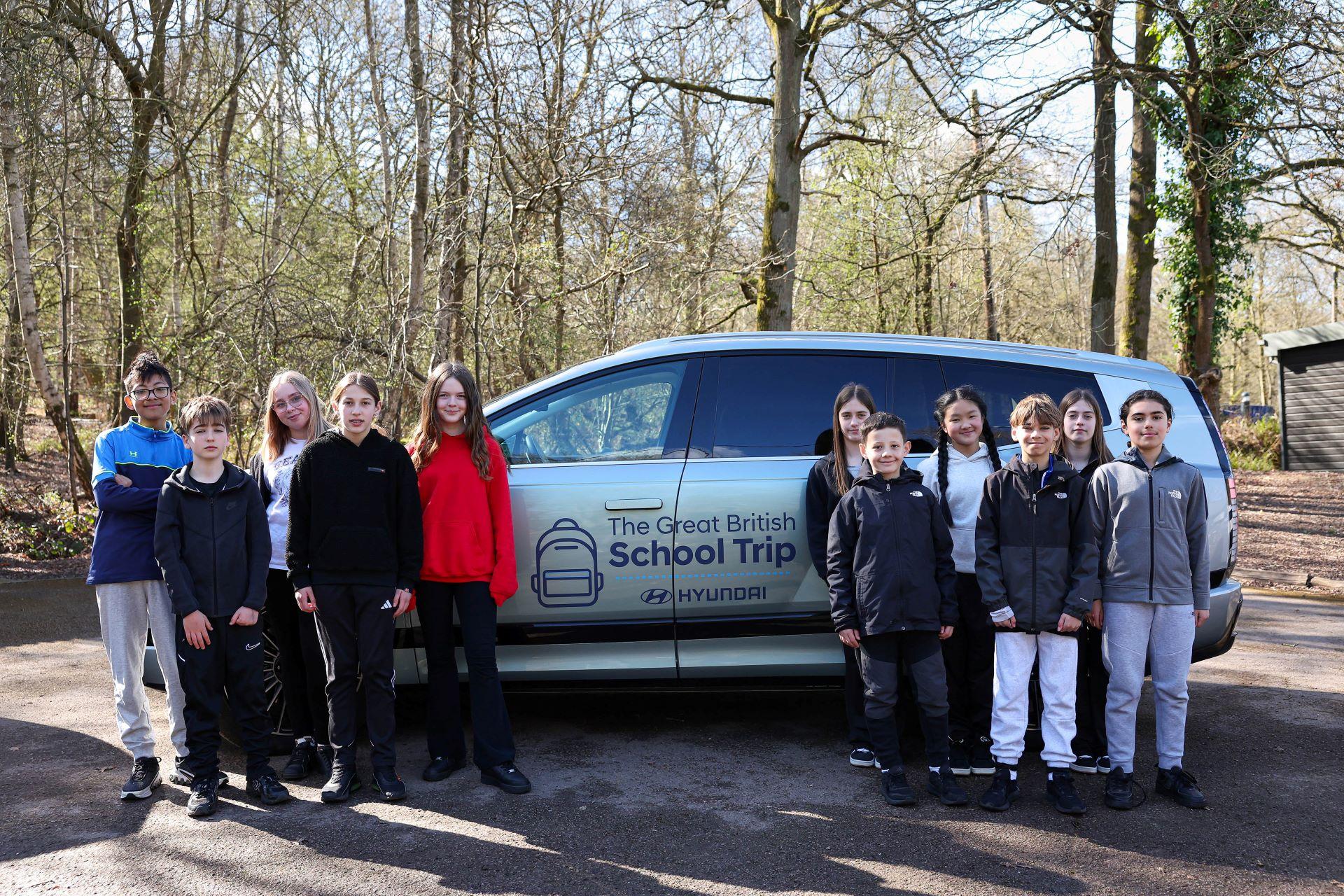
Since launching in 2022, Hyundai Motor UK’s Great British School Trip programme has invested more than £3 million in bursaries, enabling over 200,000 children to take part in school trips across the country and reaching nearly a third of UK schools. Ashley Andrew, President of Hyundai Motor & Genesis UK, describes the initiative as a way of ensuring that meaningful, real-world learning is not limited by circumstance.
As the programme enters its next phase, it is set to broaden its reach by involving parents more directly in helping to unlock further opportunities for pupils. The message from the research is clear: school trips are not a luxury add-on to education, but a powerful driver of engagement, confidence and wellbeing. The challenge now is ensuring that cost does not continue to determine which children get to experience them.