




The safety of drivers and pedestrians on the roads has always been a primary concern for fleet managers. Recently, findings from the third Safety Survey conducted by Heavy Duty Truck and Work Truck publications underscored the critical importance of driver training in improving road safety within fleets. However, the survey also revealed that fleet managers increasingly view vehicle technology as a pivotal factor in reducing crashes.
The National Safety Council (NSC) has highlighted the potential of advanced driver assistance systems (ADAS) to significantly reduce road deaths. According to the NSC, these systems could lower fatalities by as much as 62% in the United States. Eugene Herbert, CEO of MasterDrive, believes that the survey findings align with this potential, pointing to ADAS technologies as a key tool in reducing collision rates among fleets.
“ADAS technology acts like an extra set of eyes on the road, continuously monitoring conditions for potential hazards, offering timely alerts, and even intervening in certain situations,” says Herbert. “It is not influenced by distractions, fatigue, or human error, making it a powerful tool for improving road safety.”
Popular ADAS Technologies in Fleet Management
The survey identified the ADAS technologies most favoured by fleet managers for their role in collision prevention. The most commonly adopted features include:
- Speed limiters (51%)
- Air disc brakes (48%)
- Forward-facing in-cab cameras (39%)
- Lane departure warning (38%)
- Forward collision warning (35%)
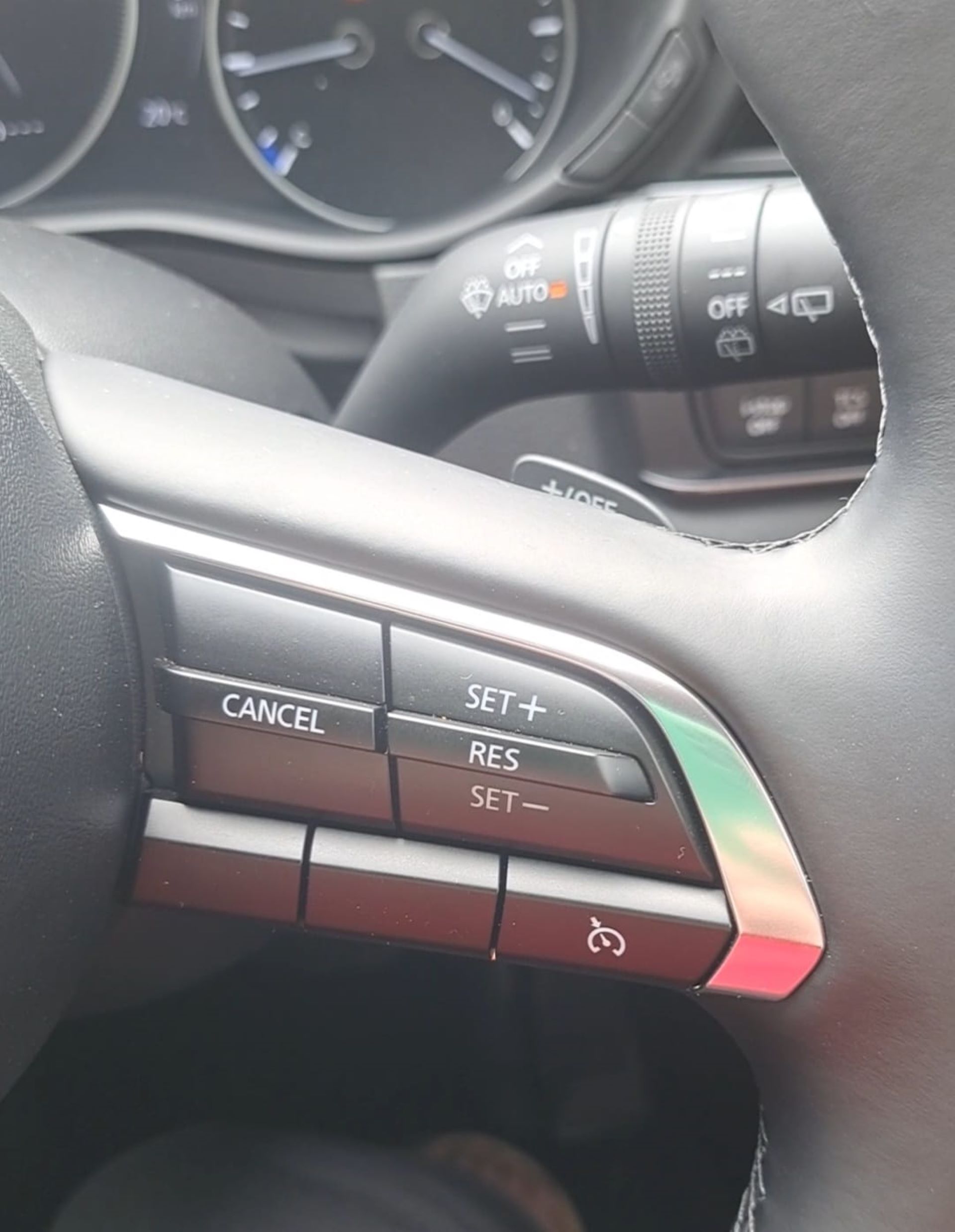
- Adaptive cruise control (32%)
- Backup cameras (32%)
- Electronic stability control (31%)
- Collision mitigation with automatic emergency braking (30%)
- Side blind spot monitoring (26%)
These technologies, whether working independently or in combination, serve as crucial tools in reducing the risk of various types of collisions.
Preventing Specific Types of Collisions
Forward Collisions
Forward collisions are a significant concern, especially in heavy-duty fleets. Technologies such as speed limiters, forward collision sensors, adaptive cruise control, and automatic emergency braking are particularly effective in preventing these types of accidents. According to the National Highway Traffic Safety Administration (NHTSA), these technologies have the potential to reduce collisions by 47.7% and decrease road fatalities by 6.1%, making them among the most effective systems in mitigating accidents.
Lane Change or Blind Spot Collisions
Blind spot monitoring and lane departure warning technologies are vital in preventing lane-change collisions. These systems are highly effective, especially when combined with other features like lane-keep assist or centring technology. According to Herbert, this combination has the potential to reduce collisions by up to 60%, offering enhanced safety when changing lanes or merging.
Pedestrian Collisions
Although not part of the top ten technologies highlighted in the survey, pedestrian safety remains a critical focus for vehicle manufacturers. Many vehicles are equipped with technology designed to prevent pedestrian collisions, which can range from simple collision warnings to automatic braking systems that help drivers avoid accidents when they fail to react quickly enough.
Reversing Collisions
Reversing collisions are one of the most common types of accidents, especially in confined spaces. Backup cameras, sensors, and automatic braking systems provide essential assistance to prevent these collisions. Fleet vehicles, in particular, benefit from these technologies, as they aid in maneuvering in tight spaces and can significantly reduce the financial costs associated with minor reversing accidents.
The Road Ahead: ADAS Integration and Driver Awareness
As the integration of ADAS continues to expand, it is inevitable that these technologies will become a standard feature in an increasing number of vehicles. While these systems offer substantial benefits in terms of safety, Herbert advises that drivers should remain vigilant. “It is important to remember that while ADAS can greatly enhance safety, no system is foolproof. All systems operate within the constraints of the laws of physics,” he explains.
A reverse camera, for example, may assist drivers in backing up, but it does not replace the need to check for pedestrians or obstacles that might be outside the camera’s field of view. Over-reliance on ADAS can lead to complacency, which could compromise safety for both the driver and other road users.
The Bigger Picture: ADAS as Part of a Comprehensive Safety Strategy
While ADAS technologies are an invaluable addition to any fleet, Herbert emphasizes that they should not be viewed as the sole solution to road safety. “When upgrading your fleet, it is essential to take a holistic approach to safety. ADAS should be a key part of your strategy, but driver training and other safety measures remain paramount,” says Herbert.
Fleet managers should assess which technologies will have the greatest impact on reducing collision rates and enhancing driver safety. The goal is simple: ensuring drivers return home safely each day while minimizing the financial burden of accidents.
In conclusion, ADAS technologies offer fleet managers a powerful toolkit to improve road safety and reduce accident-related costs. As these systems continue to evolve, their role in shaping safer roads and more efficient fleets will only become more pronounced. By combining cutting-edge technology with robust driver training, fleets can enhance safety, lower insurance costs, and contribute to a safer driving environment for all.


