



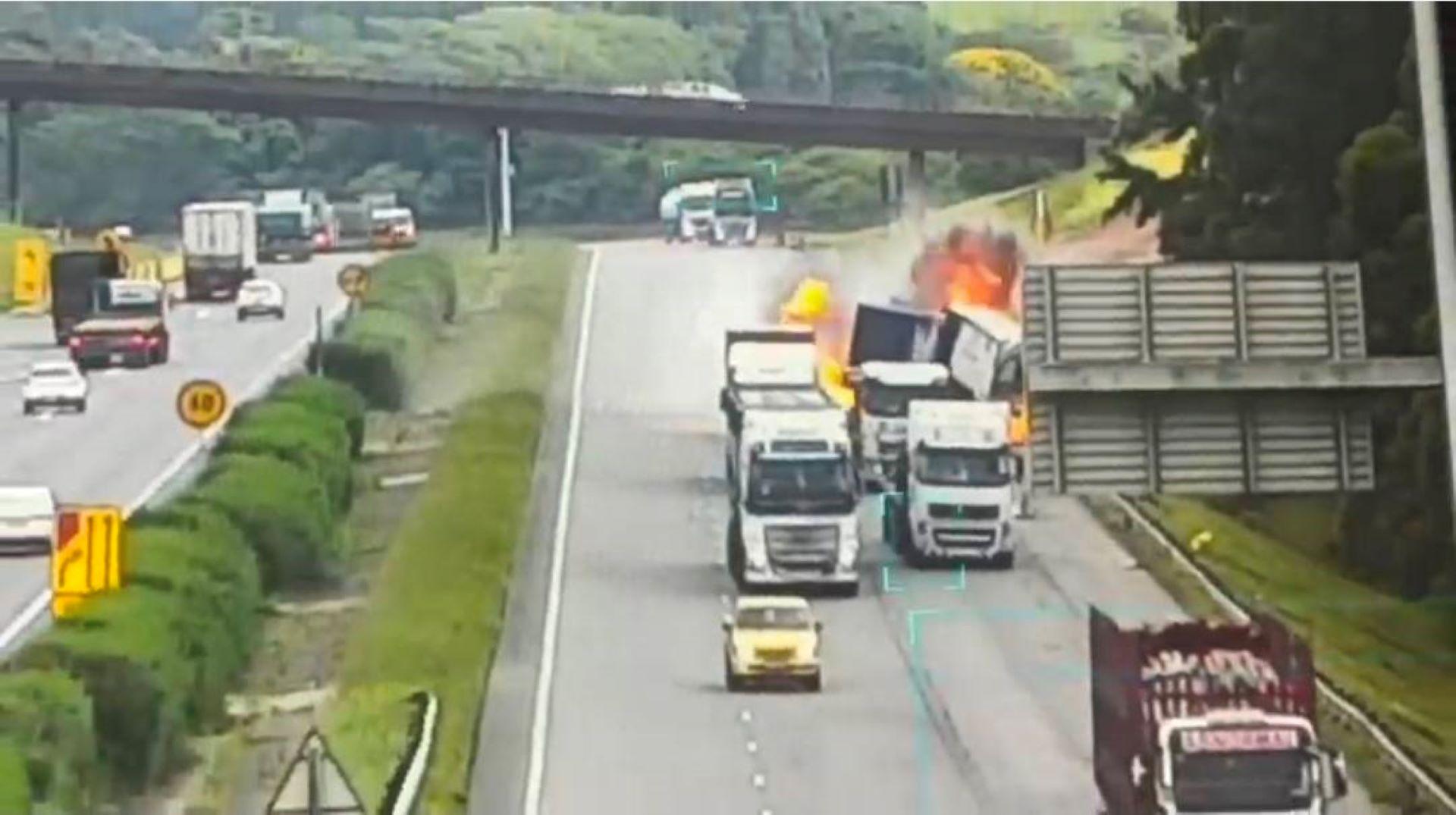
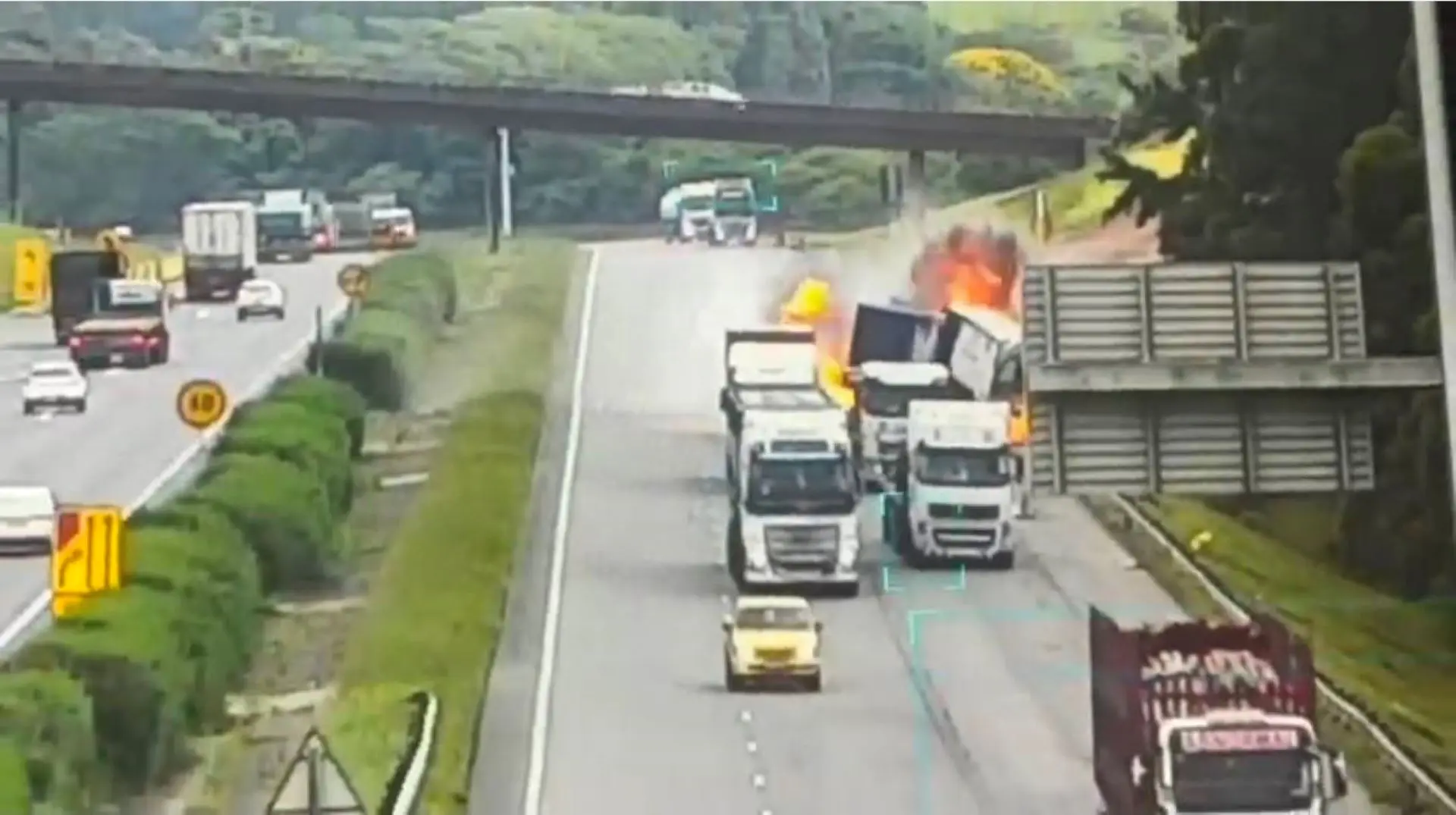
Footage circulating online has cast a harsh spotlight on a devastating crash that unfolded on a Durban highway in January. In a matter of seconds, a sequence of reckless decisions spiralled into catastrophe, leaving three people dead and multiple vehicles engulfed in chaos.
The clip shows a bakkie forced off the road, careering across a centre island and through several lanes of traffic. It slams into oncoming trucks before erupting into flames. In the confusion, another truck is pulled into the unfolding disaster, crossing into oncoming traffic as well. The driver believed to have triggered the incident has yet to be located and charged.
It is easy to treat reckless driving as an abstract notion. A statistic in a road safety report. A fleeting headline. A cautionary tale that belongs to someone else. Yet the Durban footage strips away that distance. It captures the precise, brutal instant when a reckless act behind the wheel translated into irreversible loss.
The CEO of MasterDrive, Eugene Herbert, says the video is a stark reminder of the real cost of road rage and impatience.
“Instead, the Durban footage shows something far more visceral: the precise moment when a reckless decision while driving ended the lives of three people. Beyond the tragedy, there are financial and operational consequences too.
“Reckless driving is a choice drivers often make and repeat. In the heat of the moment, it is easy to justify being in a hurry, others driving too slowly, or a temper loss. Many times, drivers escape the consequences of reckless decisions, but the footage shows how devastating it can be when it catches up to you.”
Allowing anger to dictate behaviour at highway speeds is among the most dangerous decisions a motorist can make. A lapse in judgement at 120km/h is not merely a personal risk. It is a threat to every road user in proximity.
“Aggressive driving reduces time to react, increases impact force, shortens stopping distances and blinds you to risky situations, all of which contribute to the seriousness of crashes that result. Yet, in the grip of anger, drivers can become blind to these risks,” Herbert explains.
The physics of a crash are unforgiving. Reaction times shrink. Braking distances lengthen. The margin for correction disappears. What begins as frustration can end as fatality.
The tragedy of reckless driving lies in its senselessness. Lives are altered or ended not because of an unavoidable hazard, but because someone chose to let emotion override responsibility. Incidents like this, particularly when captured on video, underscore how preventable such devastation often is.
Every journey carries a responsibility that extends beyond the driver’s own destination. Remaining calm is not simply good advice; it is a safeguard for strangers sharing the same stretch of road. As Herbert notes, reckless driving is not a victimless act committed in isolation. Its cost is measured in loss, trauma and the ripple effects that follow long after the wreckage is cleared.
MasterDrive has extended its condolences to the families and communities affected by the crash, urging motorists to reflect on the weight of each decision made behind the wheel.


