




Despite a dramatic rise in the number of classic vehicles gracing UK roads, new data reveals that emissions per vehicle in this cherished sector have fallen sharply—down 16% on average since 2013. The findings, released by automotive communications agency loop, paint a compelling picture of a motoring tradition evolving in harmony with environmental responsibility.
At first glance, the numbers seem at odds. In 2013, the UK’s classic car parc stood at 466,830 vehicles. Today, that figure has more than doubled to 1,056,919. Yet, while the sector’s population has soared by 126%, total carbon emissions have climbed by just 34% in the same period. Thanks to advances in automotive technology and the ongoing arrival of younger, more fuel-efficient models into the classic fold, the environmental cost of classic motoring is falling—per car, year by year.
Classic Cars Are Getting Cleaner
The average classic car emitted 899kg of CO₂ equivalent (CO₂e) in 2013. By the end of 2024, that figure had dropped to 757kg per vehicle. For perspective, that’s about the same carbon output as one-and-a-half weeks of average household emissions.
This shift isn’t just down to better driving habits or fewer miles driven. In fact, classic owners are now using their vehicles more than they have in recent years. Average annual mileage has rebounded to 1,535 miles—up for the third consecutive year and now back to 2013 levels. Instead, the real change comes from what’s under the bonnet.
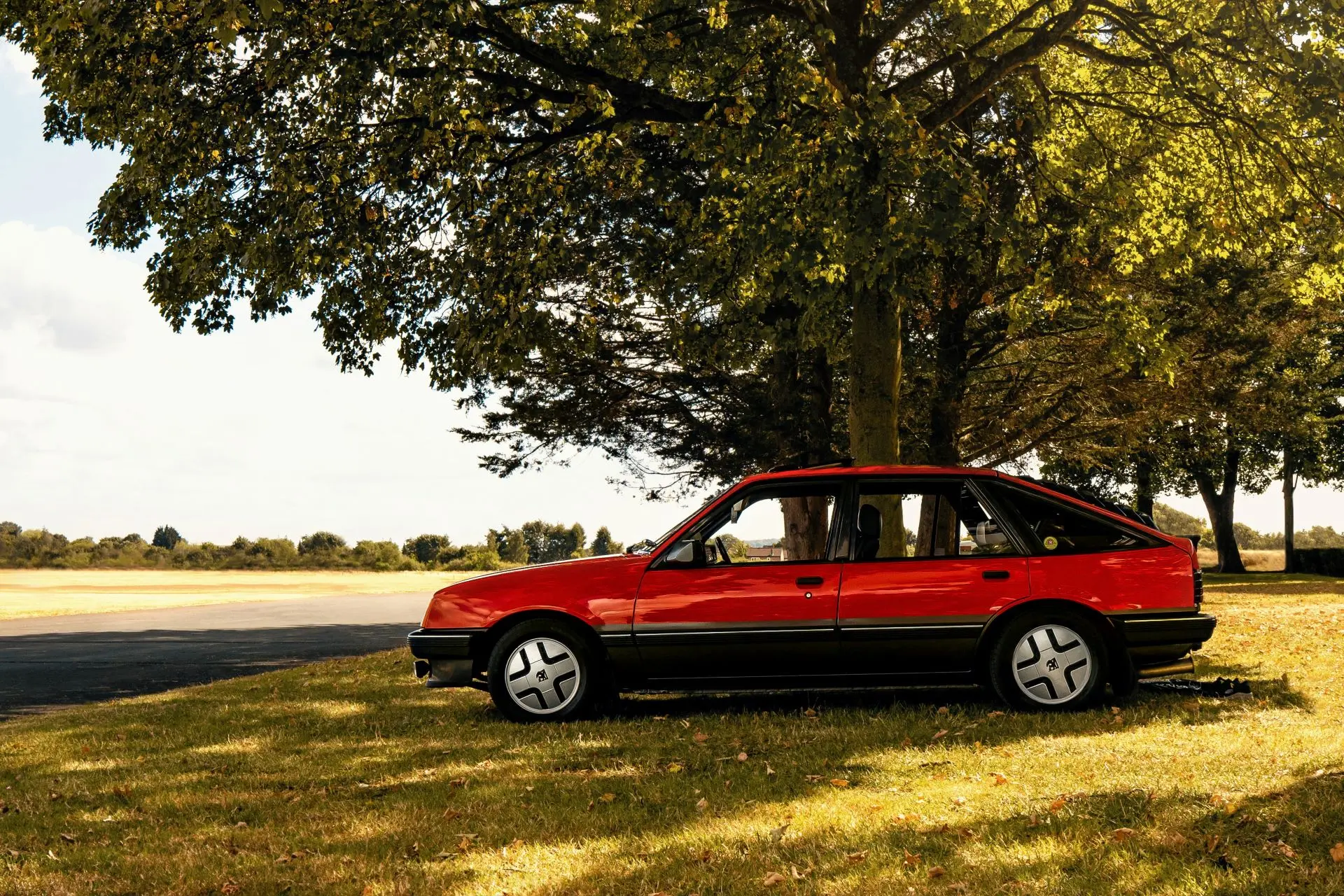
“As each year passes, a new generation of modern classics—cars from the late ‘80s and ‘90s—enters the scene,” says Alex Kefford, Head of Editorial at loop. “These cars brought with them major leaps in efficiency: fuel injection, electronic ignition, better aerodynamics, and tighter manufacturing tolerances. Their arrival is steadily improving the sector’s emissions profile.”
Indeed, between 1978 and 1995, average fuel economy improved by 21%—a trend whose benefits continue to reverberate through the classic landscape.
Emissions in Context
The total CO₂e output from all classic cars reached 338,413 tonnes in 2024. On the surface, that seems significant. But when placed within the broader framework of the UK’s transport sector, it equates to just 0.30% of total transport-related emissions. And when you consider that the number of cars aged 30 to 33 alone now surpasses the entire classic car fleet of a decade ago, the environmental efficiency gains are all the more impressive.
For instance, in 2013 there were approximately 18,000 30-year-old cars on the road. Today, that number stands at nearly 70,000. As Kefford notes, “This influx of young-timers is having a positive impact on the classic sector’s overall emissions, helping to offset what would otherwise have been a doubling in the environmental footprint of our motoring heritage.”
A Greener Golden Age
While classic car culture continues to thrive—from concours lawns to Sunday morning drives—the sector’s carbon credentials are quietly undergoing a renaissance of their own. Fuel-efficient technologies, stricter emissions standards of the past few decades, and thoughtful usage patterns are reshaping the narrative around classic motoring’s impact.
Classic vehicles may symbolise a bygone era, but their future is increasingly defined by forward-thinking values. Thanks to a fresh wave of tech-savvy young classics entering the fold, the sector is proving it can preserve history without compromising sustainability.
As Kefford concludes: “What we’re seeing is not just an uptick in popularity, but a fundamental shift in the makeup of the classic car parc. And the data clearly shows that this evolution is helping ensure that the legacy of these vehicles remains not only culturally significant but environmentally manageable.”


