



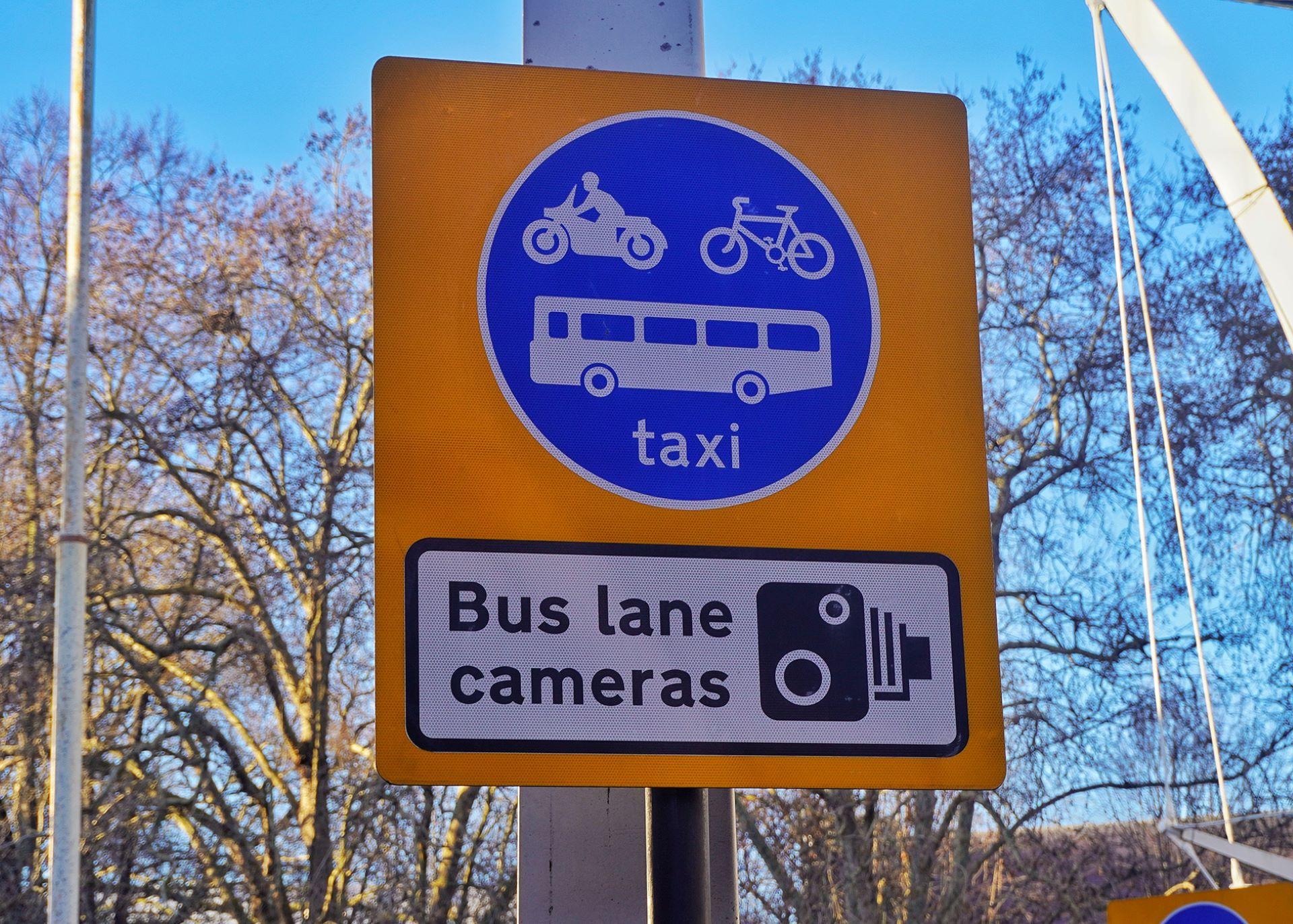
As councils expand the use of enforcement cameras across busy town and city centres, thousands of drivers are finding themselves penalised for avoidable mistakes. Road safety and breakdown organisation GEM Motoring Assist is urging motorists to refresh their understanding of key road signs and markings to avoid fines, reduce congestion and improve safety.
Since May 2022, councils in England outside London have been able to apply for powers to enforce moving traffic offences such as yellow box junction infringements, banned turns and one way street violations. The impact is already significant. Around one million bus lane penalty charge notices are issued annually in England’s largest cities, generating an estimated £68 million each year.
For many drivers, the problem is not reckless behaviour but uncertainty. Restrictions can vary by time of day, road layout or local authority rules. A moment’s hesitation or misunderstanding, particularly in unfamiliar areas, can quickly result in a fine arriving days later.
According to GEM’s Head of Road Safety, James Luckhurst, greater awareness is the simplest and most effective defence.
“Yellow box junctions are there to keep busy crossroads clear, so drivers should only enter when their exit is fully open, even if the traffic lights are green. The only exception is when turning right and waiting for a safe gap in oncoming traffic,” he explained.
Yellow boxes are designed to prevent gridlock. Entering one without a clear exit blocks cross traffic and rapidly compounds congestion, especially during peak periods. While the rules are clearly set out in the Highway Code, enforcement cameras now mean even brief misjudgements are likely to be recorded.
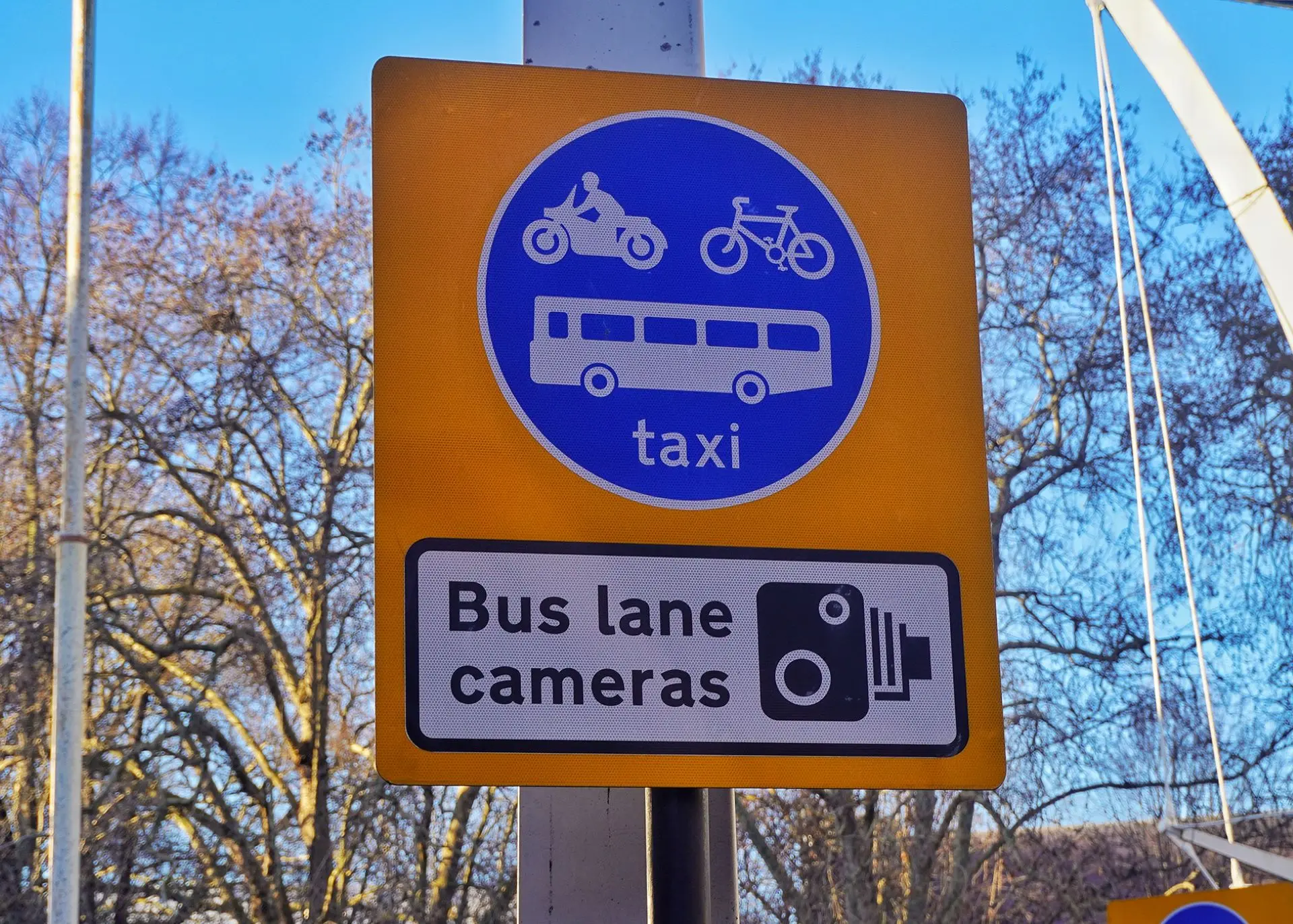
Bus lanes and the lesser known “bus gates” are another frequent source of penalties. Many operate only during certain hours, and signage can be missed by drivers concentrating on surrounding traffic. Bus gates, in particular, restrict access to authorised vehicles at specific points, often in urban centres aiming to prioritise public transport and active travel.
Zigzag lines near pedestrian crossings and school entrances also demand strict attention. These markings prohibit stopping to maintain visibility and protect vulnerable road users. Parking or pausing on zigzags, even briefly, can attract penalties and, more importantly, create serious safety risks.
Speed limits are another area where misunderstandings arise. In some locations, repeater signs may be absent, leaving drivers reliant on their knowledge of when national speed limits apply versus lower restricted limits. Assuming rather than confirming can prove costly.
GEM stresses that a short refresher of the Highway Code can significantly reduce the likelihood of penalties. Beyond the financial impact, better understanding of markings and restrictions contributes to smoother traffic flow, less driver stress and safer roads for everyone.
As enforcement becomes more widespread, the margin for error narrows. But with clearer awareness of yellow boxes, bus lanes, bus gates, zigzags and speed limits, drivers can navigate urban environments confidently, avoid unnecessary fines and play their part in keeping traffic moving efficiently.


