Munich, 2 December 2025 – The BMW Group has announced a significant new milestone in its journey toward net zero emissions. Building on its 2030 targets, the company now aims to cut CO2e emissions by at least 60 million metric tons compared to 2019 levels—an additional 20 million tons beyond its previous goal. This step underlines BMW’s commitment to achieving net zero across its entire value chain by 2050, in alignment with the Paris Agreement.
A Comprehensive Approach Across the Entire Life Cycle
The BMW Group’s strategy goes far beyond electrifying its vehicle fleet. “Global demand for electric vehicles alone will not be enough to meet our CO2e targets,” the company notes. Instead, the approach spans the full life cycle of every vehicle, regardless of drive type, addressing emissions from production, supply chain, use phase, and eventual recycling.
Key measures include:
- Sourcing renewable energy for production and the supply chain
- Increasing use of secondary raw materials, particularly in high-impact components such as batteries, aluminum, and steel
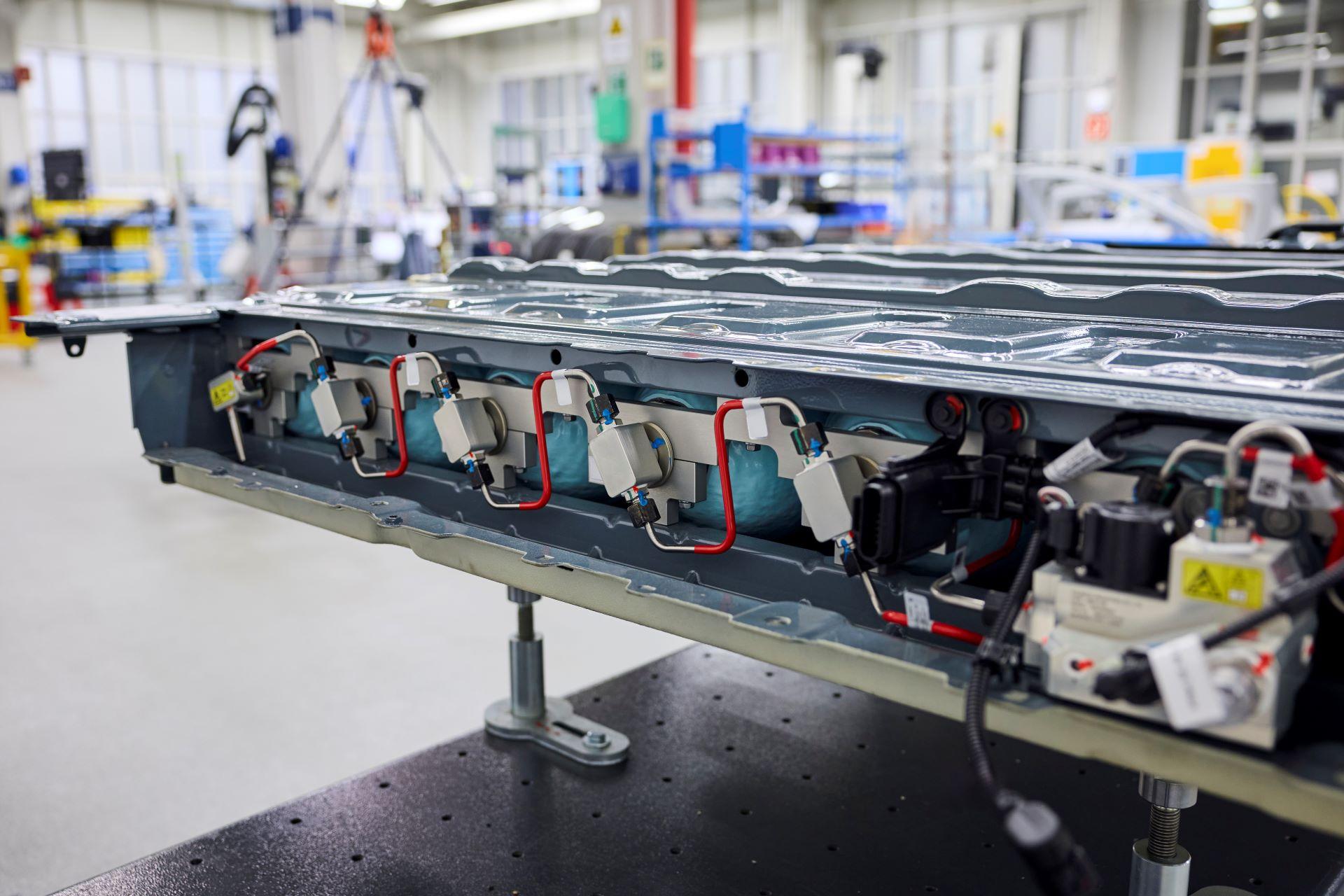
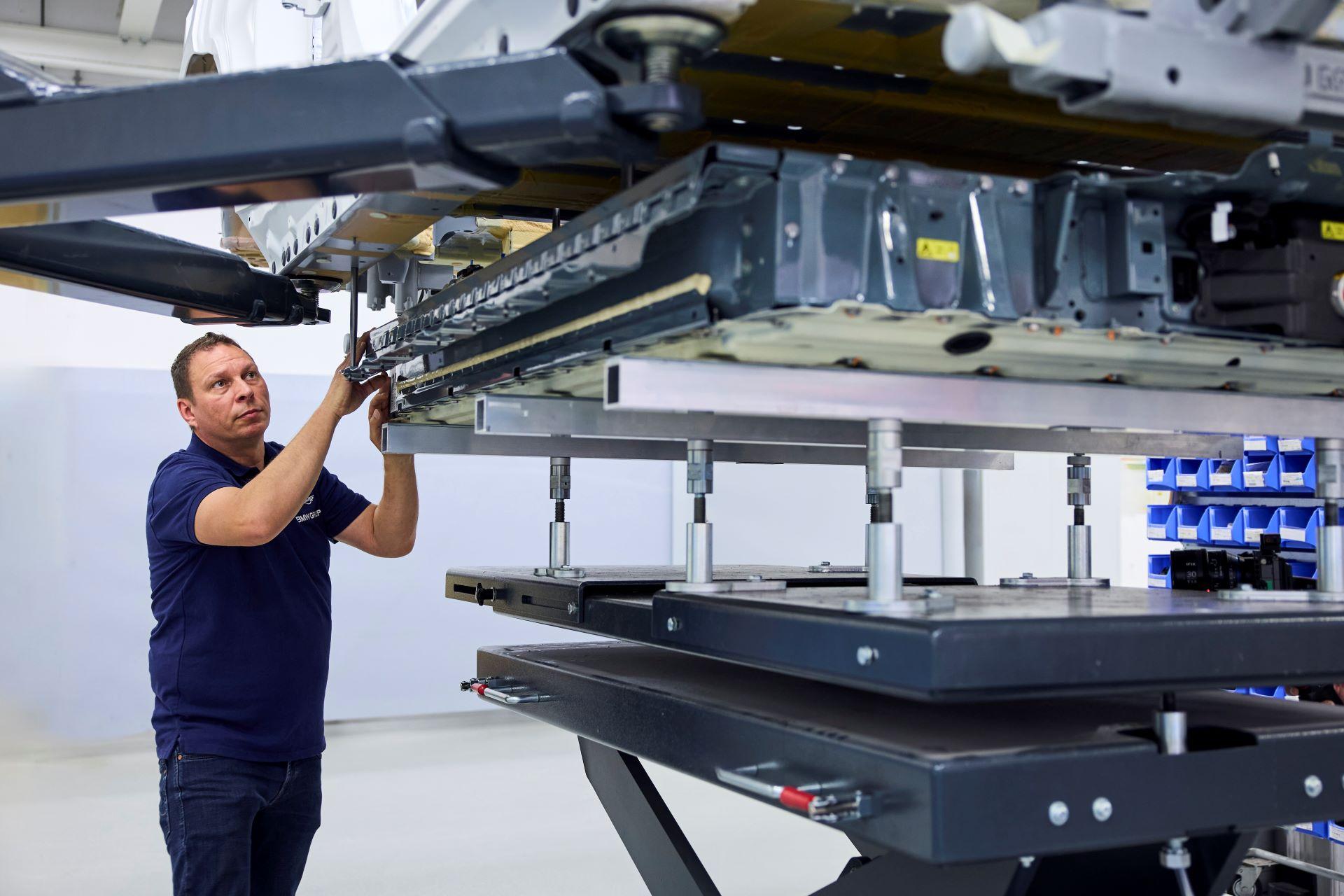
- Driving product and process innovation, including the sixth generation (Gen6) of BMW battery technology
- Enhancing vehicle efficiency through BMW EfficientDynamics and aerodynamic, drivetrain, and tire improvements
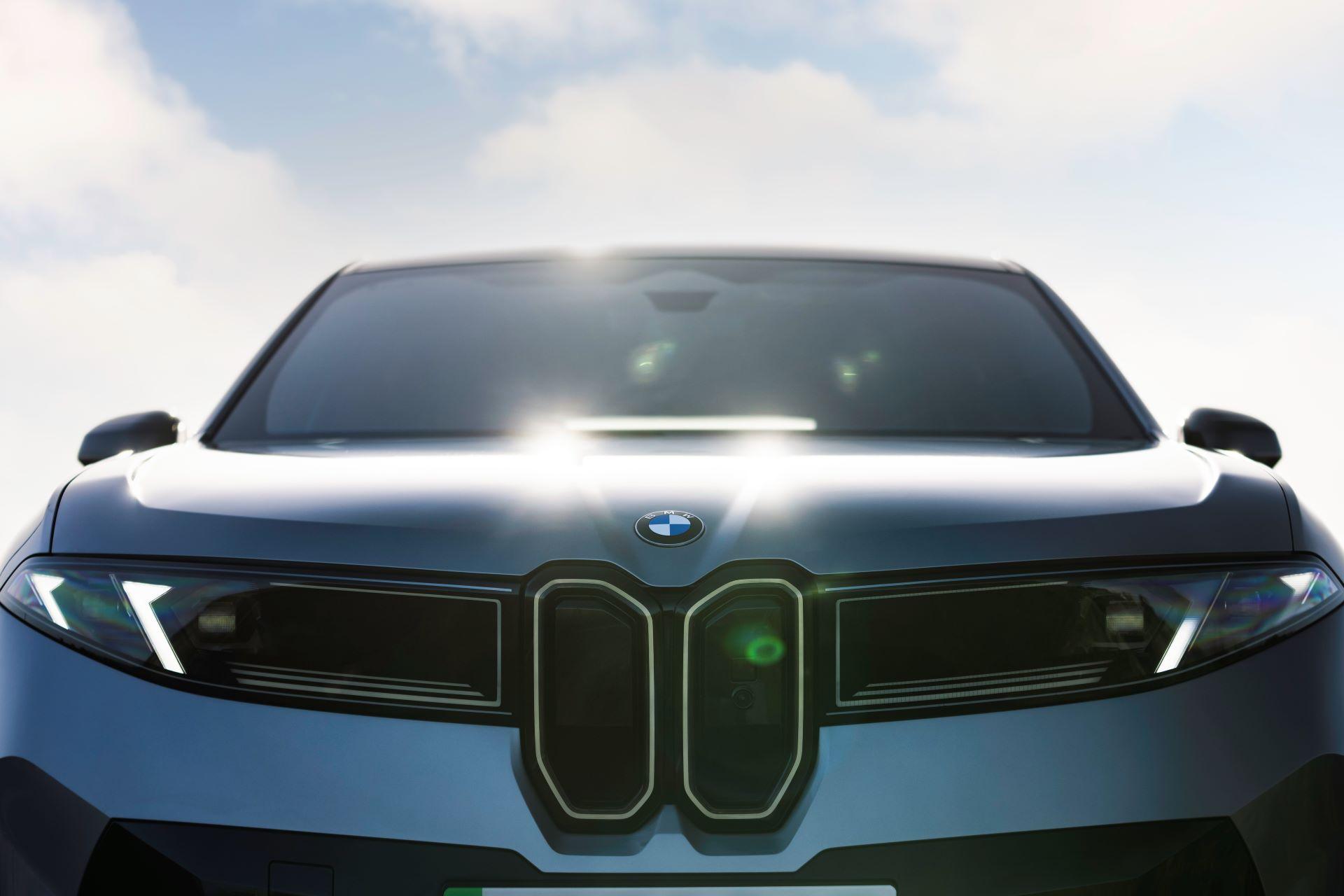
BMW’s commitment to decarbonization is already evident in its production operations. Since 2020, all externally sourced electricity for BMW plants worldwide comes exclusively from renewable energy. The iX3 plant in Debrecen, Hungary, is the company’s first factory to operate entirely without fossil fuels. Meanwhile, efficiency measures in the use phase have resulted in vehicles such as the new BMW iX3 consuming up to 20% less energy than its predecessor (WLTP combined).
Collaboration and Innovation Are Key
Achieving the 2035 milestone also depends on broader industry and societal shifts. The BMW Group is engaging in strategic initiatives that include:
- Supporting the transformation of the steel industry toward low-CO2 steel
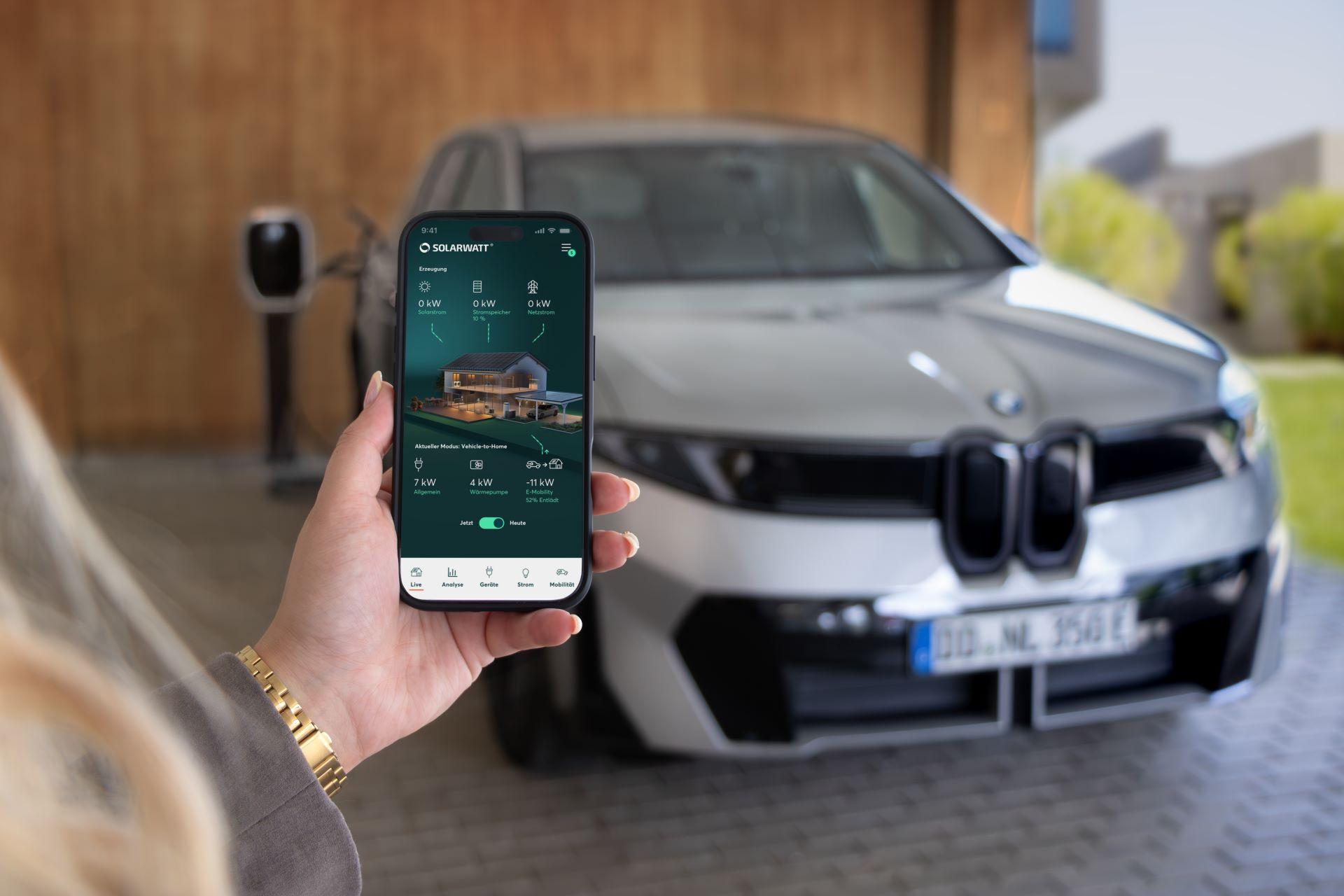
- Expanding electric vehicle charging infrastructure
- Advancing circular economy practices and battery cell technology
By 2035, BMW aims for a dramatic reduction in the carbon intensity of its business model: each euro generated will produce less than half the CO2e emissions compared to 2019.
A Technology-Neutral Future
BMW’s strategy maintains a technology-neutral stance, with decarbonization initiatives applying to all drive variants, from combustion engines to plug-in hybrids and fully electric models. This ensures that every vehicle produced contributes to the company’s overarching net-zero ambitions.
With this new 2035 milestone, the BMW Group is demonstrating that sustainable mobility is not only about electrification but also about systemic innovation across the entire automotive ecosystem—from materials and manufacturing to use and recycling.