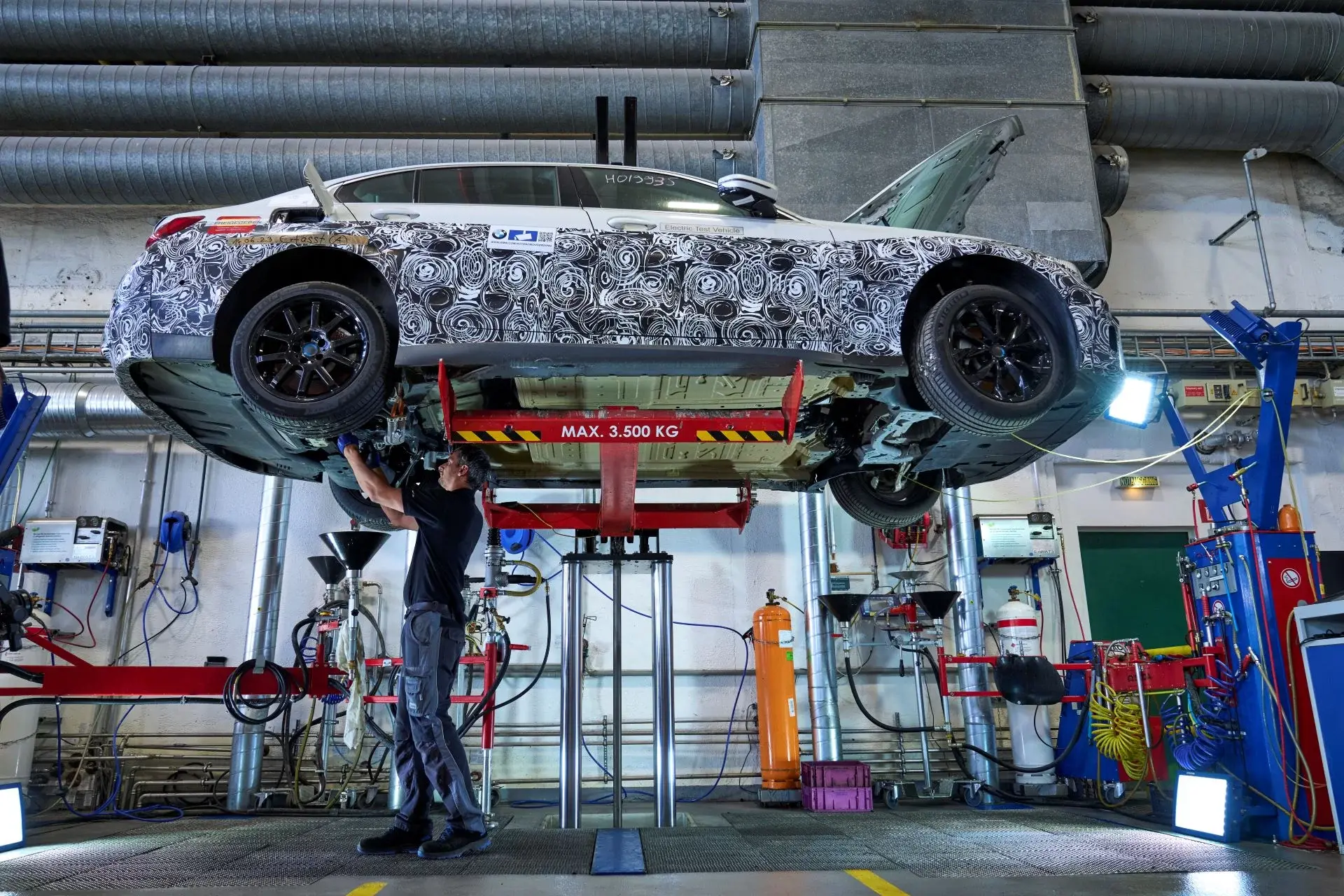
For over 30 years, the BMW Group has been at the forefront of sustainable automotive practices, particularly in vehicle recycling and circular economy development. Through its Recycling and Dismantling Centre (RDC), BMW has made significant strides in reducing waste and reusing valuable materials from vehicles at the end of their life cycle, including steel, aluminium, copper, glass, and plastics. The knowledge accumulated at the RDC has not only shaped BMW’s approach to recyclability but has also influenced the entire automotive industry.
A Legacy of Recycling Leadership
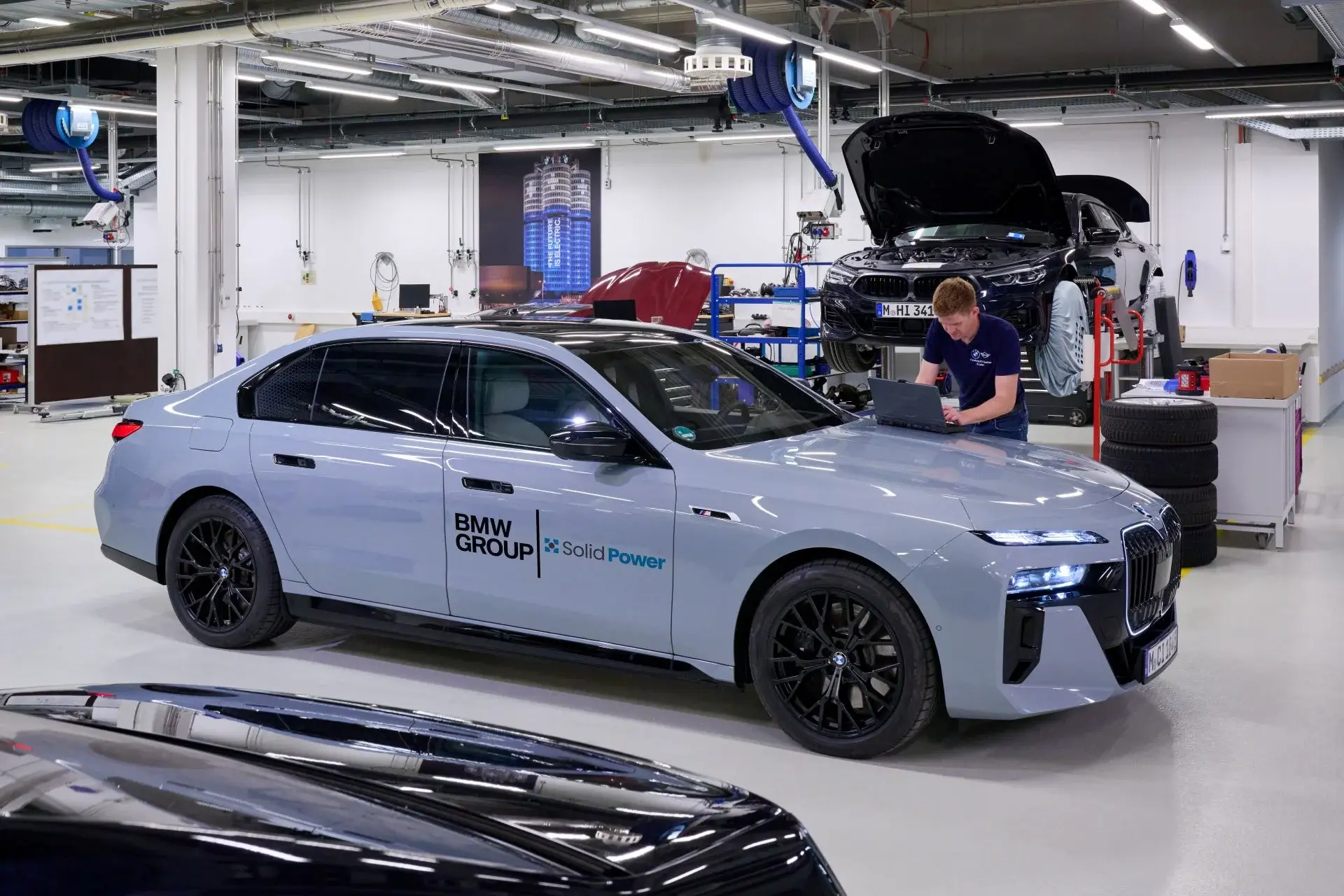
Since its inception in 1994, the BMW Group’s RDC has evolved into a hub of expertise for dismantling and recycling pre-series vehicles. These vehicles, having been used in testing, are no longer suitable for sale and instead are repurposed through a highly standardised recycling process. This process focuses on identifying reusable components, such as functional parts, which are often resold to registered dealers, and raw materials that can be fed back into the production chain.
What was once a modest recycling operation has now become a blueprint for the entire automotive industry. With BMW’s ambitious sustainability goals and new regulatory frameworks, the RDC’s methods have grown in importance, proving integral to the company’s vision of a closed-loop material cycle. By disseminating findings through platforms like the International Dismantling Information System (IDIS), BMW is shaping global practices. Over 3,000 organisations in 32 countries use the database to improve their recycling processes, benefitting from BMW’s expertise.
A Focus on Tomorrow’s Raw Materials
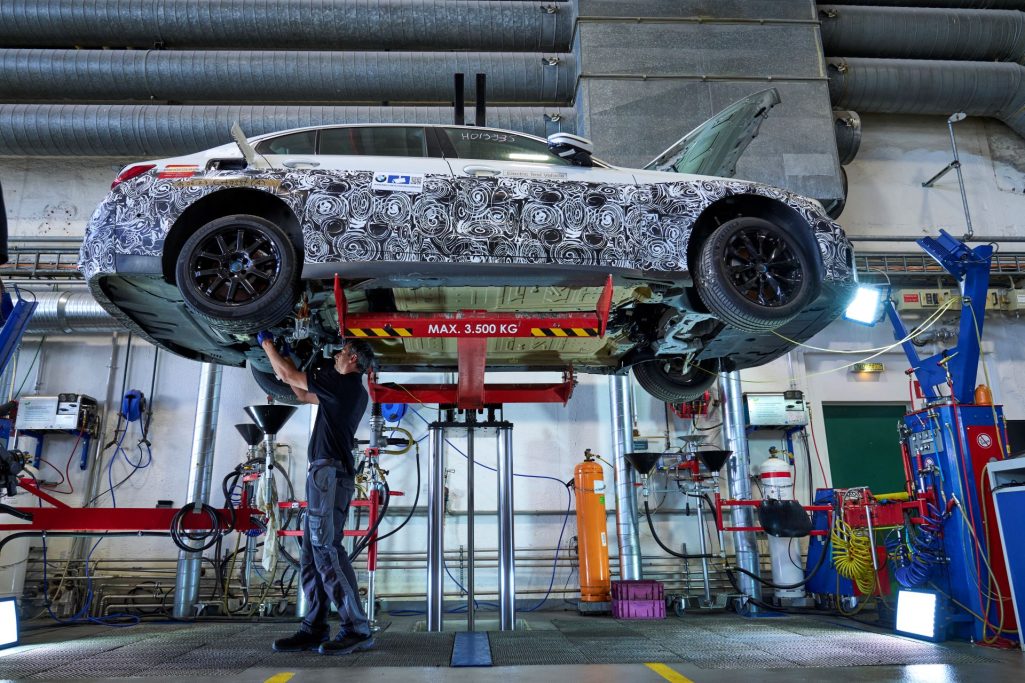
The RDC’s commitment to sustainable vehicle recycling is evident in its comprehensive dismantling process, which begins with the removal of fluids and the safe neutralisation of pyrotechnic elements such as airbags. Copper from wiring harnesses is meticulously separated, while metals from the powertrain are salvaged for future use. In today’s market, metals like copper are not only environmentally valuable but also highly lucrative, underscoring the economic efficiency of BMW’s recycling efforts.
BMW’s involvement in external initiatives like the Car2Car research project further amplifies its contributions to the circular economy. As the project’s consortium leader, BMW collaborates with raw material processors, recycling companies, and scientists to increase the share of recyclable materials used in new car production. This has led to breakthroughs in the recovery of steel, aluminium, copper, glass, and plastics from end-of-life vehicles, and a push toward semi-automated dismantling processes to make recycling even more efficient.
BMW is also addressing one of the biggest challenges in the transition to electromobility: the recycling of high-voltage batteries from electric vehicles (BEVs). The RDC is partnering with academic institutions and industry leaders to develop innovative methods for recycling these batteries. The lessons learned will be essential as the automotive industry moves toward greater electrification, further reinforcing BMW’s role as a leader in sustainable automotive practices.
A Centre of Excellence for the Future
As the automotive industry faces growing pressure to adopt circular economy practices, the BMW Group’s Recycling and Dismantling Centre remains a beacon of innovation and progress. For three decades, the RDC has set the standard for vehicle recycling, and in the era of electromobility, its expertise is more critical than ever. By pushing the boundaries of recyclability, the RDC ensures that the materials from today’s cars can become the raw materials for the vehicles of tomorrow.