The BMW Group is set to take a major step forward in the hydrogen mobility revolution, announcing plans to launch its first-ever series production fuel cell electric vehicle (FCEV) in 2028. This milestone represents a new chapter in the company’s commitment to providing a diverse range of all-electric powertrain options for customers. BMW’s pioneering efforts are the result of a long-standing collaboration with the Toyota Motor Corporation, pooling both brands’ technological prowess to develop the next generation of fuel cell systems.
By offering a locally zero-emission alternative, powered by hydrogen, BMW reinforces its ‘technology-openness’ approach, ensuring future mobility solutions that align with its customers’ evolving needs.
A Joint Vision for Hydrogen Mobility
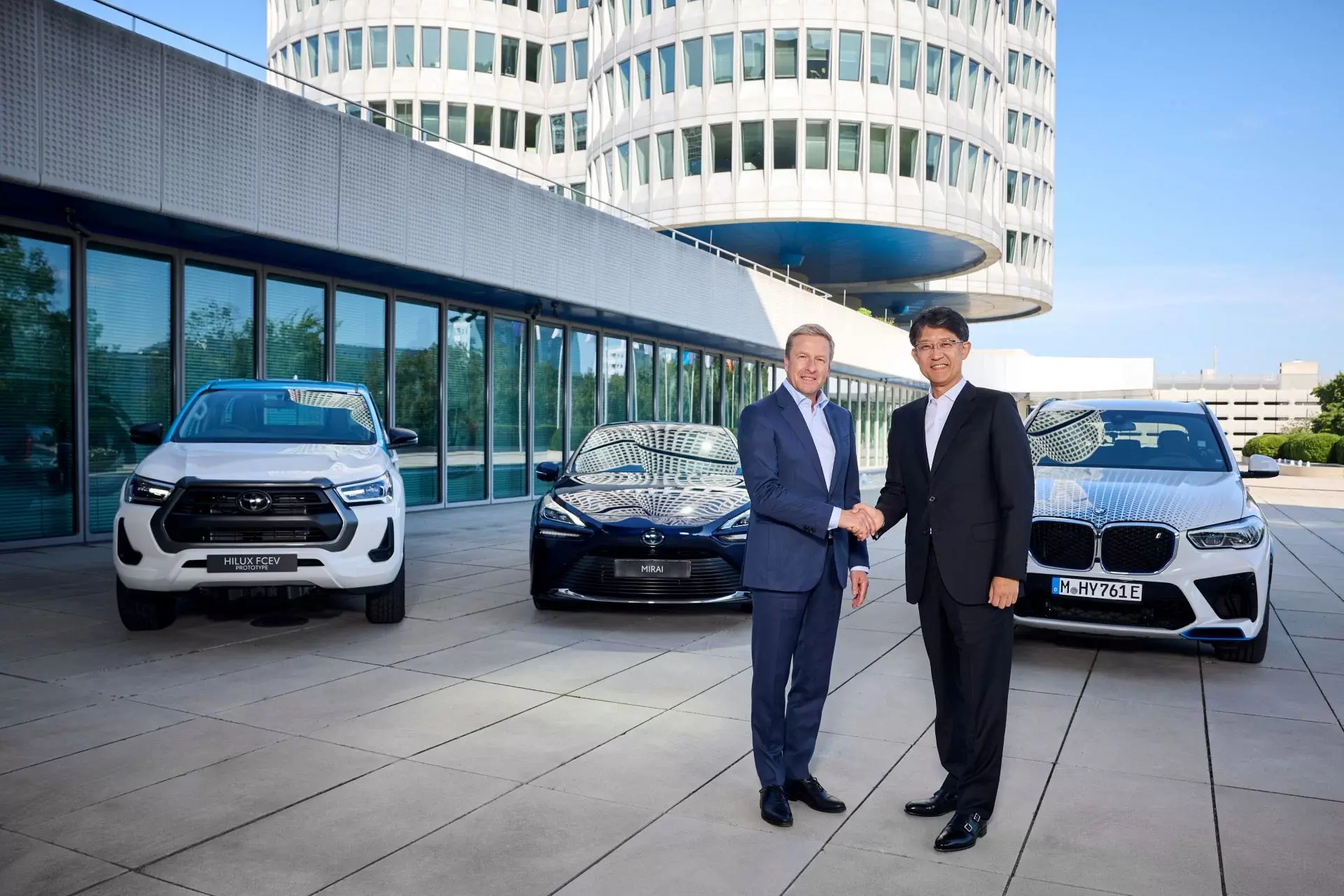
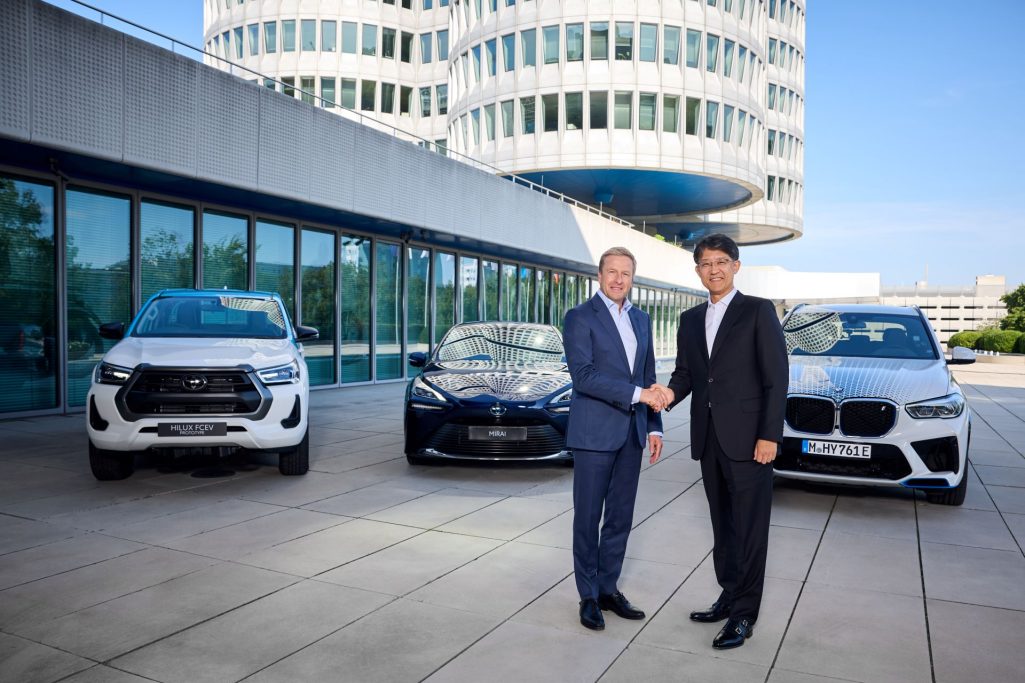
The partnership between BMW and Toyota is founded on a shared belief in the potential of hydrogen fuel cell technology. Both companies are committed to promoting a hydrogen-based economy, and this latest collaboration builds upon over a decade of trust and joint innovation. Oliver Zipse, Chairman of the Board of Management of BMW AG, highlighted the significance of this joint effort: “This is a milestone in automotive history: the first-ever series production fuel cell vehicle to be offered by a global premium manufacturer.”
Koji Sato, President of Toyota Motor Corporation, echoed these sentiments, emphasizing the importance of their shared vision. “BMW and Toyota share the same passion for cars and belief in a ‘multi-pathway’ approach to carbon neutrality. We will deepen our collaboration to accelerate hydrogen energy’s role in society,” Sato stated.
This alliance seeks not only to advance the technology behind fuel cell powertrains but also to foster the necessary infrastructure to support hydrogen mobility on a global scale.
Synergy in Powertrain Technology
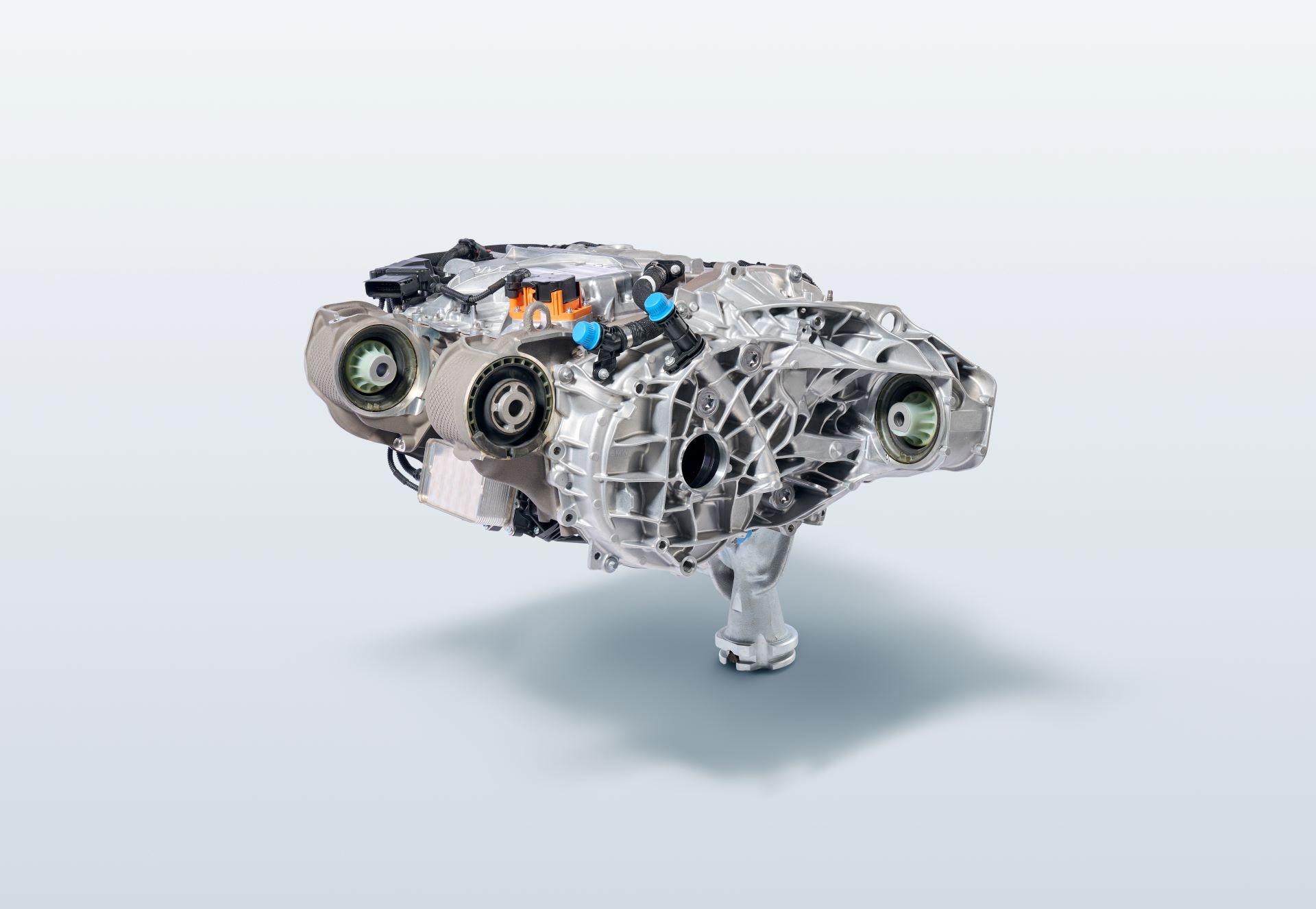
At the heart of this collaboration is the development of cutting-edge powertrain technology, with both BMW and Toyota utilizing the shared system across their individual models. This synergy will allow both brands to offer distinct fuel cell electric vehicles while benefiting from joint innovation and procurement, thereby reducing costs and increasing accessibility. The new fuel cell system, now in its third generation, will power not just passenger vehicles but also find applications in commercial transport, further expanding the reach of hydrogen technology.
BMW has already demonstrated its readiness for hydrogen power with the BMW iX5 Hydrogen pilot fleet, which has been undergoing rigorous testing worldwide. Now, the company is gearing up to integrate the series production of FCEV models into its lineup by 2028. By offering existing models with the hydrogen-powered option, BMW aims to complement its battery electric vehicles (BEV), plug-in hybrids (PHEV), and internal combustion engine (ICE) variants.
Hydrogen Infrastructure: Building the Future
The development of hydrogen-powered vehicles goes hand in hand with the creation of a comprehensive refuelling infrastructure. BMW and Toyota recognize this as a crucial factor in the widespread adoption of FCEVs. Together, they are working to expand hydrogen refuelling stations, while also advocating for government and private-sector support to accelerate these efforts. Their ambition is to establish FCEVs as a viable alternative, adding to the global automotive market’s powertrain diversity.
The benefits of hydrogen as a future energy carrier are substantial. It offers a promising solution for storing renewable energy, balancing supply and demand, and providing stable integration of renewable sources into the energy grid. In sectors where battery electric vehicles are not the optimal solution, hydrogen technology fills the gap, contributing to global decarbonization goals.
Conclusion
As the automotive industry continues to evolve toward a sustainable future, BMW and Toyota are leading the charge with their groundbreaking work in hydrogen mobility. The launch of BMW’s first fuel cell electric vehicle in 2028 will mark a new era for the brand and underscore the importance of collaboration in driving technological innovation. With their commitment to developing both fuel cell systems and the infrastructure to support them, BMW and Toyota are laying the foundation for a hydrogen-powered future.