


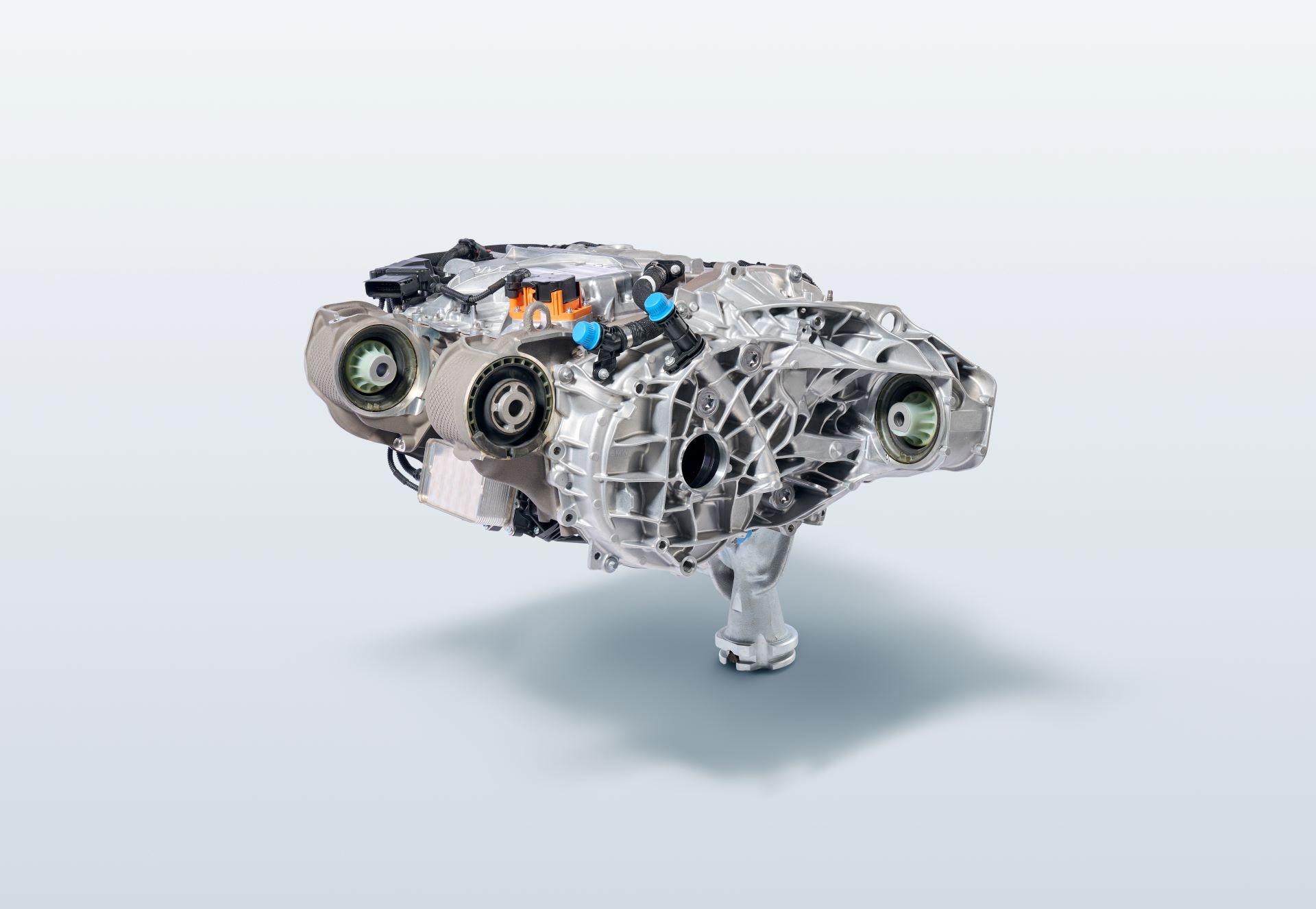
At the recent Tech Days event in Landshut, the BMW Group pulled back the curtain on its revolutionary sixth-generation eDrive technology—a milestone that not only redefines the electric drive but also paves the way for the next era of all-electric vehicles. With a blend of breakthrough battery innovations, flexible production strategies, and a technology-open mindset, BMW is setting new standards in performance, efficiency, and sustainability.
A New Era in Electric Mobility
BMW’s commitment to electric mobility is unmistakable. The new Gen6 technology brings a host of advancements that are designed to transform the driving experience. Fully electric models under the Neue Klasse umbrella will soon enjoy a system that offers up to 30% faster charging and a 30% increase in range—figures that promise significant real-world benefits. These improvements are complemented by an innovative 800V architecture, ensuring that the high-voltage battery is not just a power source but a critical structural element of the vehicle design.
The Heart of Innovation: The BMW Energy Master
Central to the Gen6 breakthrough is the BMW Energy Master—the intelligent central control unit that orchestrates the seamless interplay between high- and low-voltage systems. Developed entirely in-house at BMW Group Plant Landshut, the Energy Master controls not only the power supply to the electric motor and vehicle electrical system but also manages vital data flows from the high-voltage battery. This sophisticated system guarantees the safe and efficient operation of the battery while enabling real-time updates via Remote Software Upgrades, ensuring that vehicles remain at the cutting edge of technology throughout their lifecycle.
Revolutionary Battery and Motor Technologies
BMW’s sixth-generation eDrive is built on a fundamentally new high-voltage battery concept. At its core lies the BMW cylindrical cell, which boasts a 20% higher energy density compared to the previous prismatic cells. This innovation is realized through two groundbreaking manufacturing principles:
- Cell-to-Pack: Cylindrical cells are integrated directly into the battery pack without intermediary modules, streamlining design and enhancing energy density.
- Pack-to-Open-Body: The high-voltage battery itself becomes a structural component of the vehicle’s body, a design evolution that optimizes space and improves vehicle dynamics.
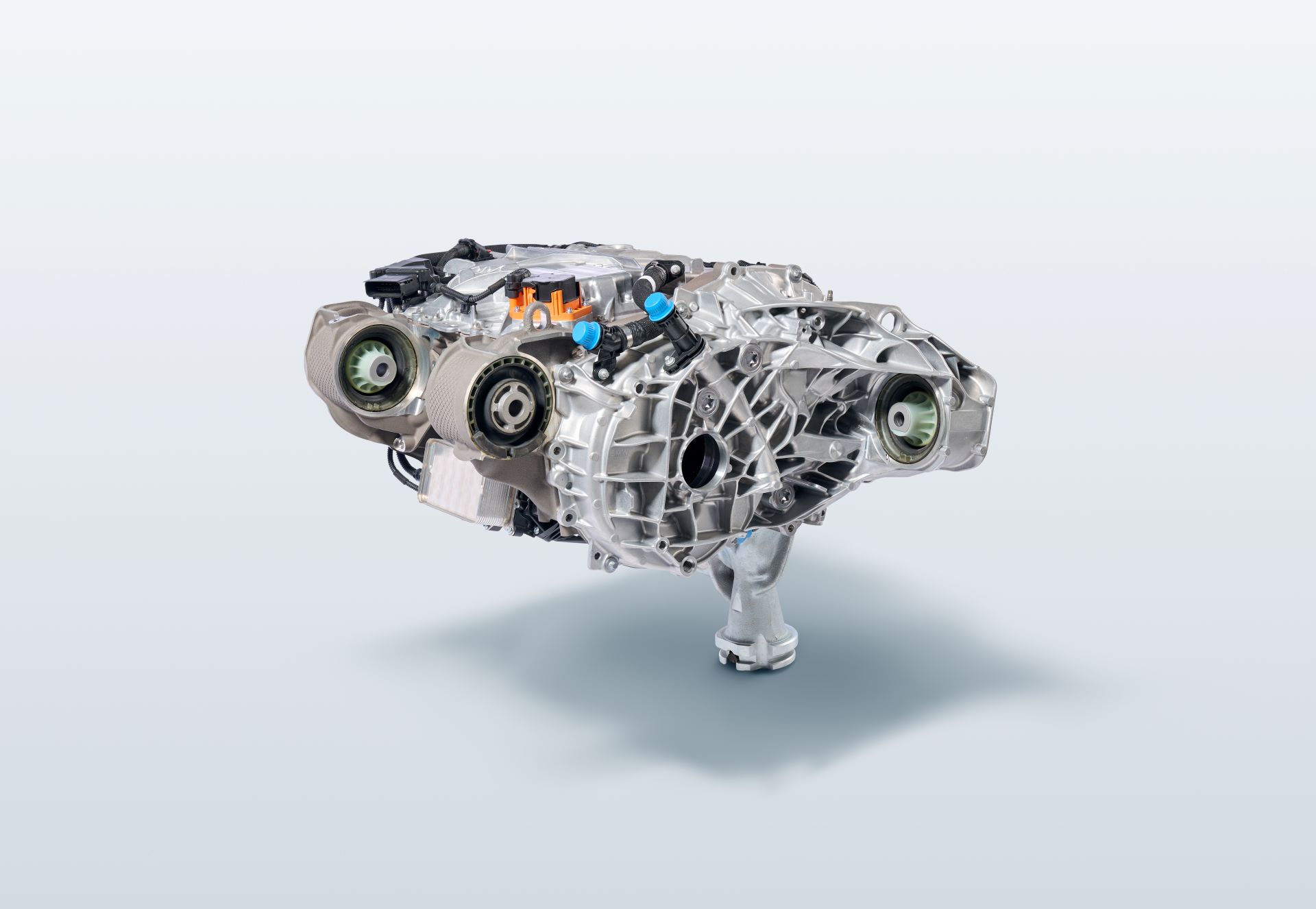
Moreover, BMW demonstrates its technology openness by incorporating dual electric motor technologies. The system features an electrically excited synchronous motor (EESM) for optimal efficiency under varying load conditions and an asynchronous motor (ASM) that provides a more compact, cost-effective solution. Together, these innovations contribute to a significant reduction in energy losses (by up to 40%), lower production costs (by 20%), and a reduction in weight (by 10%), culminating in an overall efficiency boost of around 20% compared to previous generations.
Flexible Manufacturing and Global Production
A key pillar of the Gen6 strategy is BMW’s “local for local” production approach. High-voltage batteries for the Neue Klasse are being assembled in five new facilities strategically located near major vehicle plants—in locations as diverse as Lower Bavaria, Hungary, China, Mexico, and the USA. This geographically distributed network not only enhances supply security but also mitigates risks associated with unforeseen geopolitical or economic disruptions.
At the heart of this production ecosystem is BMW Group Plant Landshut, the company’s largest in-house component manufacturer. Here, the BMW Energy Master is produced in a state-of-the-art facility that is set to begin series production in August 2025. With plans to expand the workforce from 200 to 700 employees, the facility underscores BMW’s substantial investment in electric mobility—a move that reinforces Germany’s industrial leadership.
Meanwhile, the Gen6 electric drive systems are taking shape at Plant Steyr in Austria. Known for its decades-long expertise in drive systems, Steyr now hosts pre-production trials and rigorous testing of these cutting-edge motors. With an annual production capacity of 600,000 units, the plant is evolving to meet the demands of a rapidly expanding electric future, while also ensuring a smooth transition for its workforce from traditional combustion engines to next-generation electric drives.
Sustainable Innovations and a Circular Economy
Beyond performance and efficiency, sustainability is at the core of BMW’s Gen6 philosophy. Recognizing the environmental challenges associated with battery production and disposal, BMW has integrated advanced recycling processes into its value chain. In collaboration with partners like SK tes, the company is establishing a closed-loop system that recovers valuable metals—cobalt, nickel, and lithium—from end-of-life batteries. This initiative not only minimizes waste but also ensures that recycled materials re-enter the production cycle, contributing to a more resilient and sustainable supply chain.
Additionally, BMW is exploring direct recycling methods through its joint venture with Encory. This innovative process mechanically breaks down residual materials and whole battery cells to recover high-purity components, thereby enhancing both material efficiency and production sustainability.
A Technology-Open Approach for a Global Market
Dr. Joachim Post, Member of the Board of Management for Purchasing and Supplier Network at BMW AG, succinctly captured the company’s vision:
“For the BMW Group, electric mobility is the future and a key area of growth. We are leading the way with this drivetrain technology. At the same time, we are deliberately taking a technology-open approach, recognizing that mobility needs vary between different regions of the world.”
This philosophy is evident in every facet of the Gen6 development—from the integration of different electric motor types to the modular design principles that allow for scalable production and cost efficiencies. By pooling expertise from Bavaria and Austria and applying a flexible manufacturing strategy, BMW ensures that its innovations not only meet current market demands but are also adaptable to diverse regional needs.
Looking Ahead: The Future of the Neue Klasse
The debut of the sixth-generation eDrive technology in the Neue Klasse models marks a significant milestone for BMW and the broader automotive industry. With series production slated to begin later this year at Plant Debrecen in Hungary, consumers can expect a new wave of electric vehicles that combine advanced battery technology, unparalleled performance, and sustainable production practices.
BMW’s Gen6 is more than just an evolution—it is a comprehensive transformation of the electric drive landscape. By integrating groundbreaking battery concepts, intelligent control systems, and a flexible, globally distributed production strategy, the BMW Group is not only enhancing the driving experience but also laying the foundation for a cleaner, more sustainable future in mobility.
As the world shifts towards electric mobility, BMW’s sixth-generation eDrive stands as a testament to what is possible when innovation, expertise, and a commitment to sustainability come together. With every fully electric Neue Klasse vehicle, BMW is not just setting new standards in performance and efficiency—it is redefining the future of driving.