


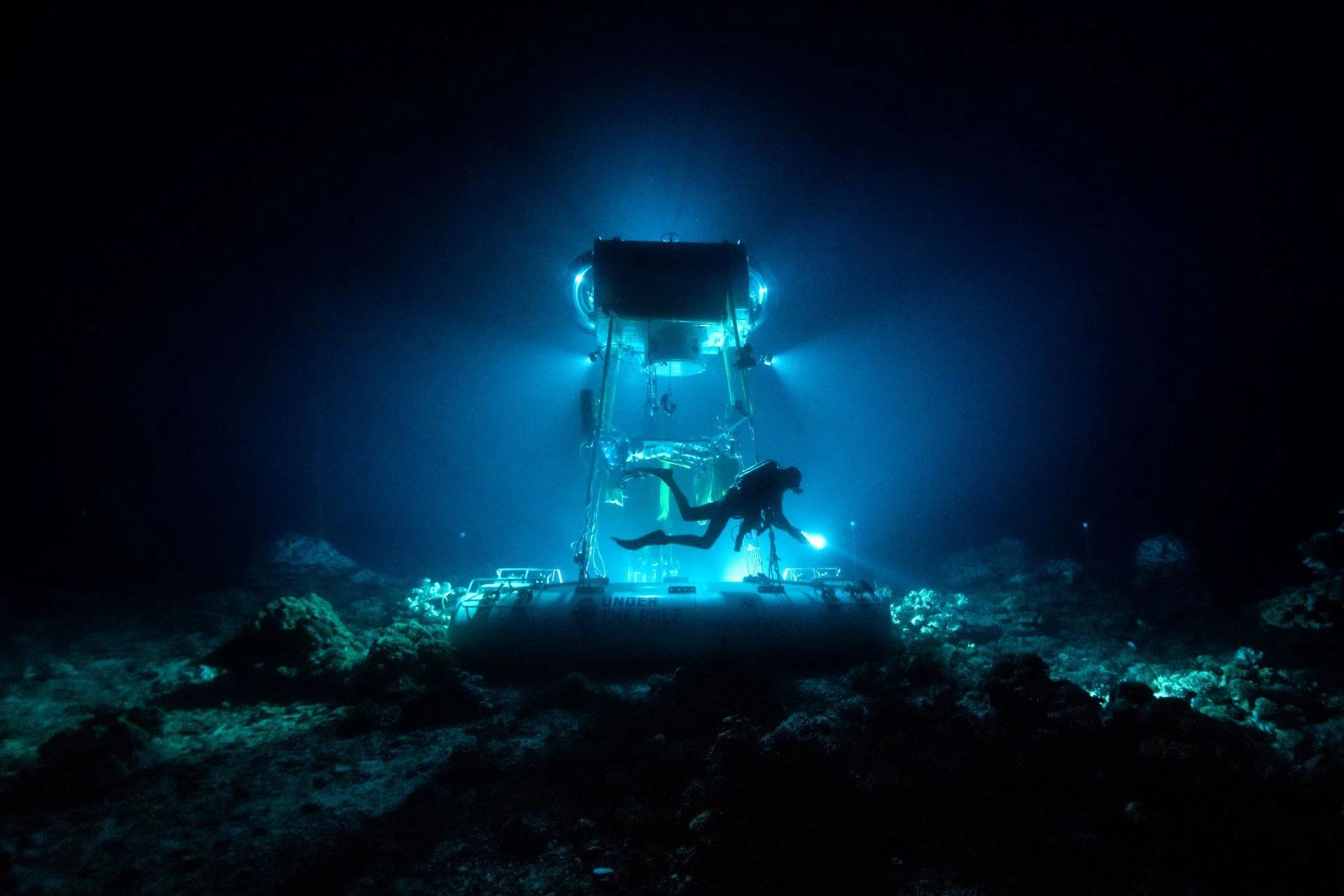
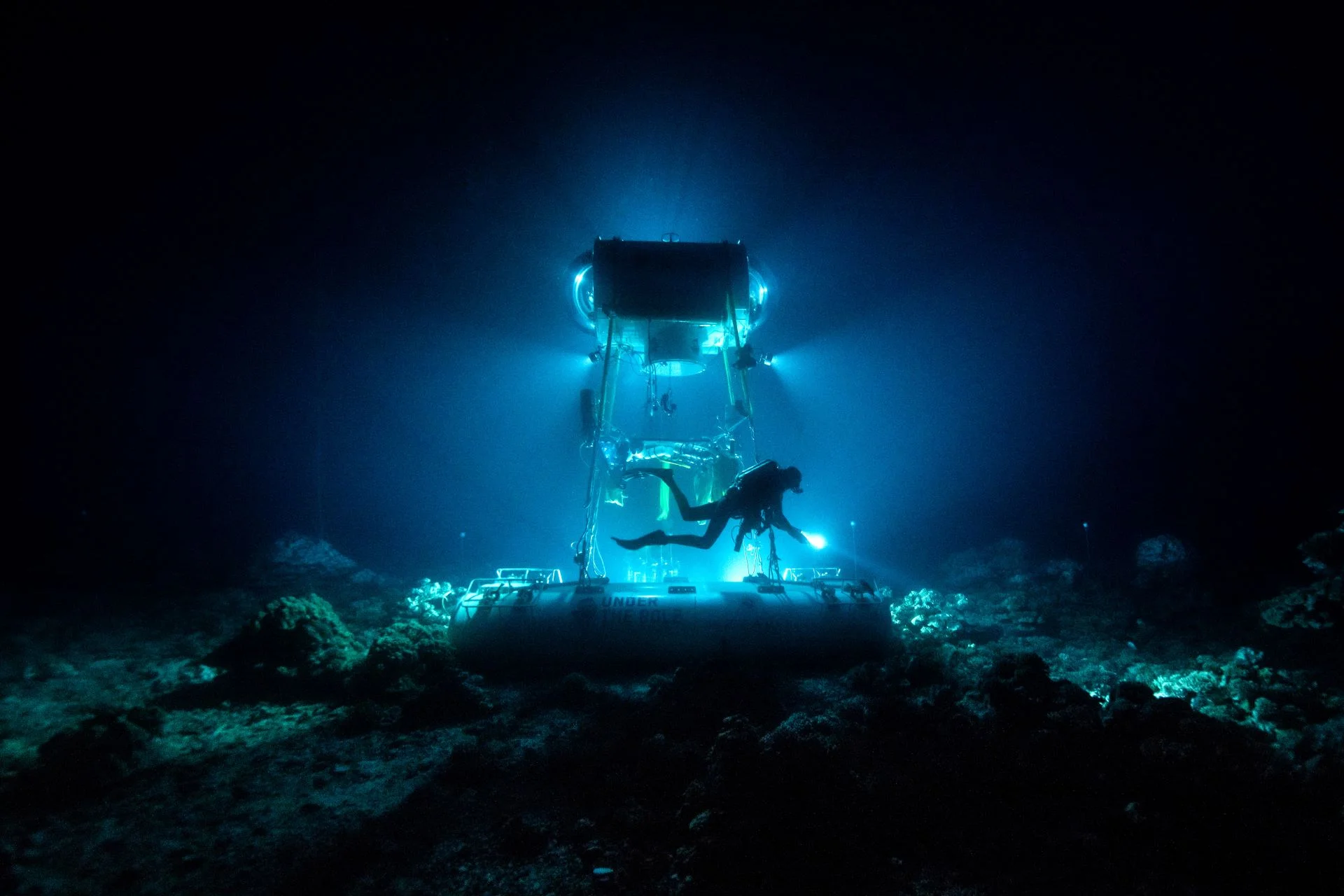
In a move that underscores its commitment to sustainable innovation and environmental stewardship, PEUGEOT has joined forces with French marine exploration initiative Under The Pole to develop the next generation of underwater habitat—Capsule II. Slated for launch in 2026, this pioneering structure represents a bold step forward in subaquatic science, where design, ergonomics, and ecological responsibility converge beneath the waves.
A Shared Vision for Sustainability and Science
Founded in 2008 by explorers Ghislain Bardout and Emmanuelle Périé-Bardout in Concarneau, France, Under The Pole has established itself as a leading voice in oceanographic research. Their mission: to protect the world’s oceans through science, technology, and public awareness. It’s a mission PEUGEOT deeply aligns with, not only in principle but in practice—especially as the automotive world pivots toward sustainability and circular innovation.
This latest collaboration, focused on Capsule II, is the next evolution in that shared vision. More than just a temporary underwater shelter, Capsule II aims to become a mobile and modular habitat that will allow scientists to spend extended periods submerged, studying marine ecosystems from within the environment they are working to protect.
Design Thinking Beneath the Sea
At the heart of this project lies a fundamental redesign of how humans live and work underwater. The existing Under The Pole capsule, while groundbreaking, has highlighted key areas for improvement—particularly in ergonomics, habitability, and communication systems. That’s where PEUGEOT and the Stellantis Design Studio step in.
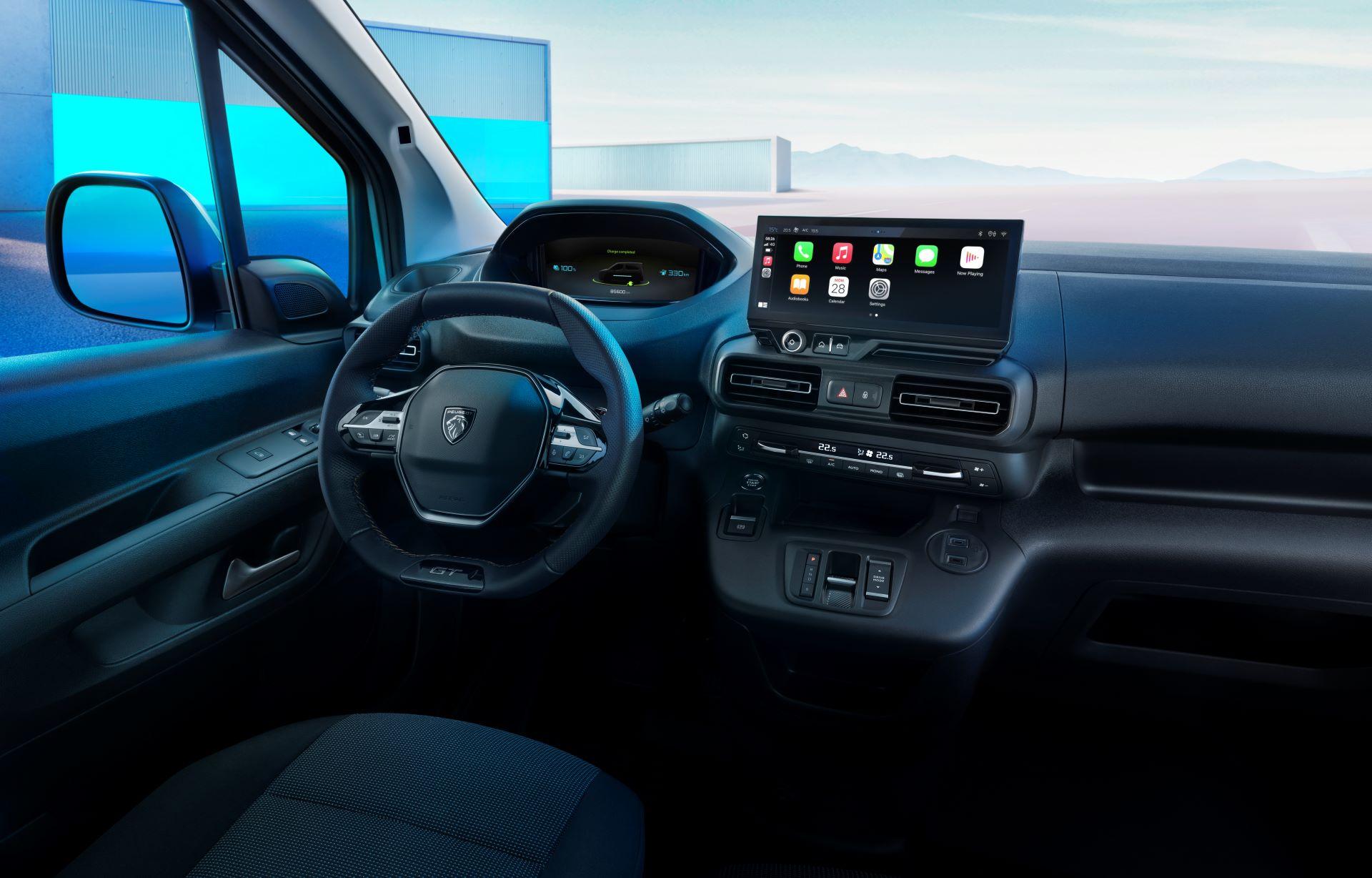
Leveraging their renowned expertise in the PEUGEOT i-Cockpit—known for its driver-centric ergonomics and intuitive design—PEUGEOT’s designers are now tasked with reimagining the interiors of an underwater habitat. The brief is ambitious: to create a space that not only maximizes function and safety but also prioritises comfort and mental well-being in a physically and psychologically demanding environment.
Four Key Areas of Innovation
The collaboration focuses on four core design principles to transform Capsule II into a cutting-edge underwater observatory:
- Optimised Exterior Interfaces: Equipment and structural elements will be redesigned to ensure ease of use and operational efficiency, even in challenging underwater conditions.
- Next-Level Ergonomics: Living quarters and working areas will be purpose-built for scientific tasks, long-duration stays, and multi-disciplinary missions—enhancing both performance and morale.
- New-Generation Materials: The team will explore innovative materials that offer superior durability in saline environments while also delivering warmth, comfort, and aesthetic appeal.
- Integrated Communication Systems: Capsule II will feature enhanced onboard connectivity, with improved interfaces and screen integration to facilitate seamless communication with surface teams and data processing centres.
Engineering Tomorrow’s Ocean Habitats
Between May 2025 and mid-2026, PEUGEOT and Under The Pole will enter a rigorous research and development phase. This period will include real-world feedback loops, simulations, and collaborative design sprints to identify optimal interior and exterior solutions. Once the final concepts are validated, the process will move into prototyping and engineering, culminating in a fully realised model of Capsule II ready for deployment.
From Design Studios to the Ocean Floor
What makes this partnership particularly compelling is the fusion of two seemingly disparate worlds: automotive design and deep-sea exploration. Yet, at their core, both disciplines demand the same meticulous attention to detail, human-centred design, and future-forward thinking.
In joining forces with Under The Pole, PEUGEOT is not only contributing to the future of marine science—it is redefining what modern mobility and innovation can achieve. From road to reef, from cockpit to capsule, this project exemplifies how cross-disciplinary collaboration can drive meaningful change for the planet.
As Capsule II takes shape beneath the surface, it serves as a powerful reminder: the journey toward sustainability doesn’t stop at the shoreline—it dives much deeper.