



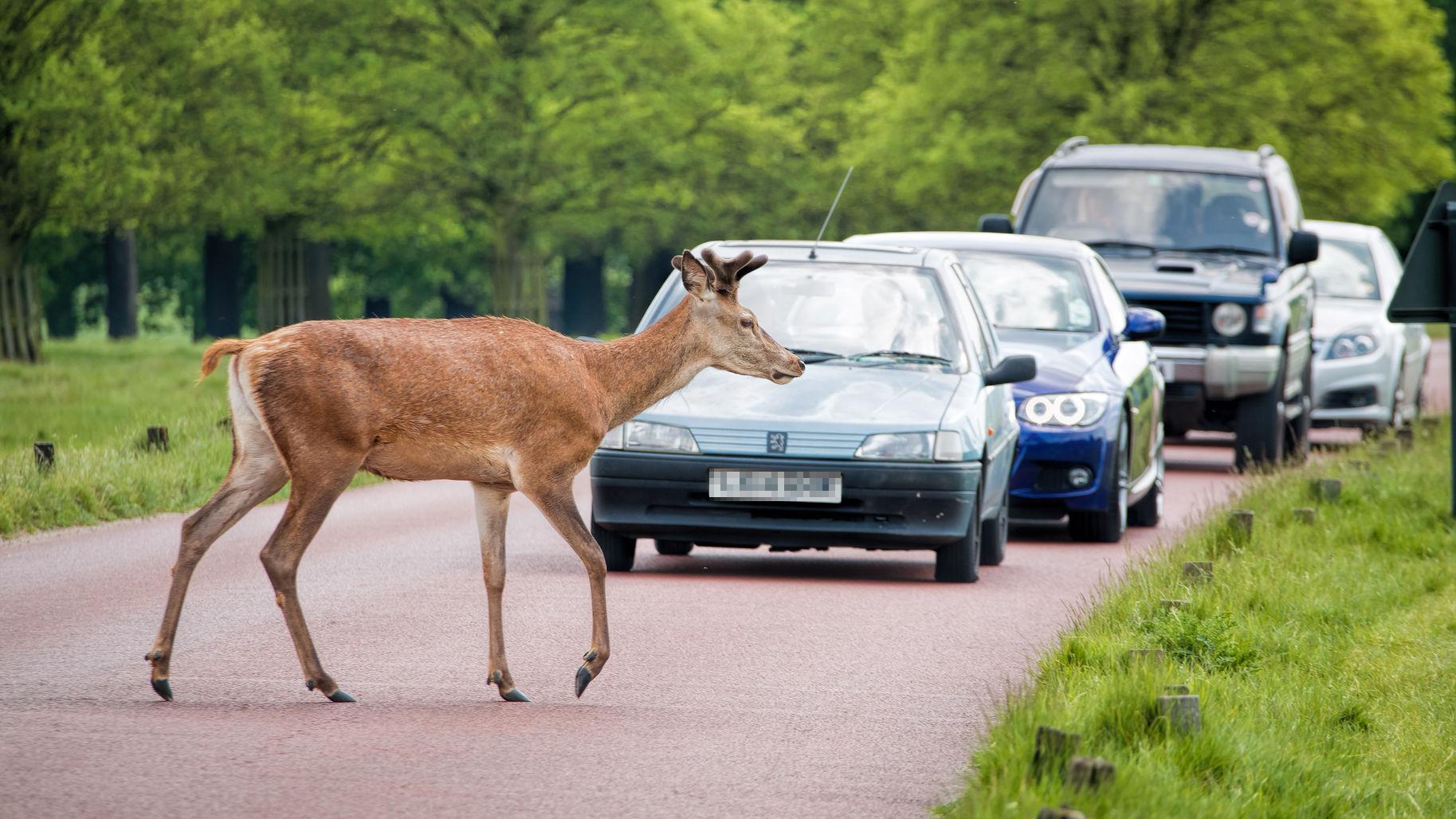
As the leaves turn and daylight hours dwindle, the roads are entering a period of heightened risk. GEM Motoring Assist is renewing its seasonal call for drivers to exercise extra caution, particularly in areas frequented by deer.
The autumn months herald the annual deer rutting season – a time when deer are more mobile and unpredictable as they seek mates. This natural behaviour significantly increases the likelihood of collisions, particularly on rural roads or stretches near woodland and open countryside.
The Scale of the Risk
Recent data underlines the seriousness of the threat. Each year, approximately 75,000 deer are involved in vehicle collisions in the UK, with around 10,000 killed instantly. Human casualties, though lower, still average between 10 and 20 fatalities annually. Beyond the tragic human and animal cost, these incidents result in at least £11 million in vehicle repair costs each year.
Periods of peak deer activity often coincide with dawn and dusk – times that overlap with morning and evening rush hours. This combination of factors makes the months from now through December particularly hazardous.
Expert Advice: Staying Safe
James Luckhurst, GEM Motoring Assist’s head of road safety, emphasises the importance of vigilance:
“The coming weeks will see the highest risks in areas where deer are found. We urge drivers to heed the warning signs and be alert and observant, especially at dawn and dusk.
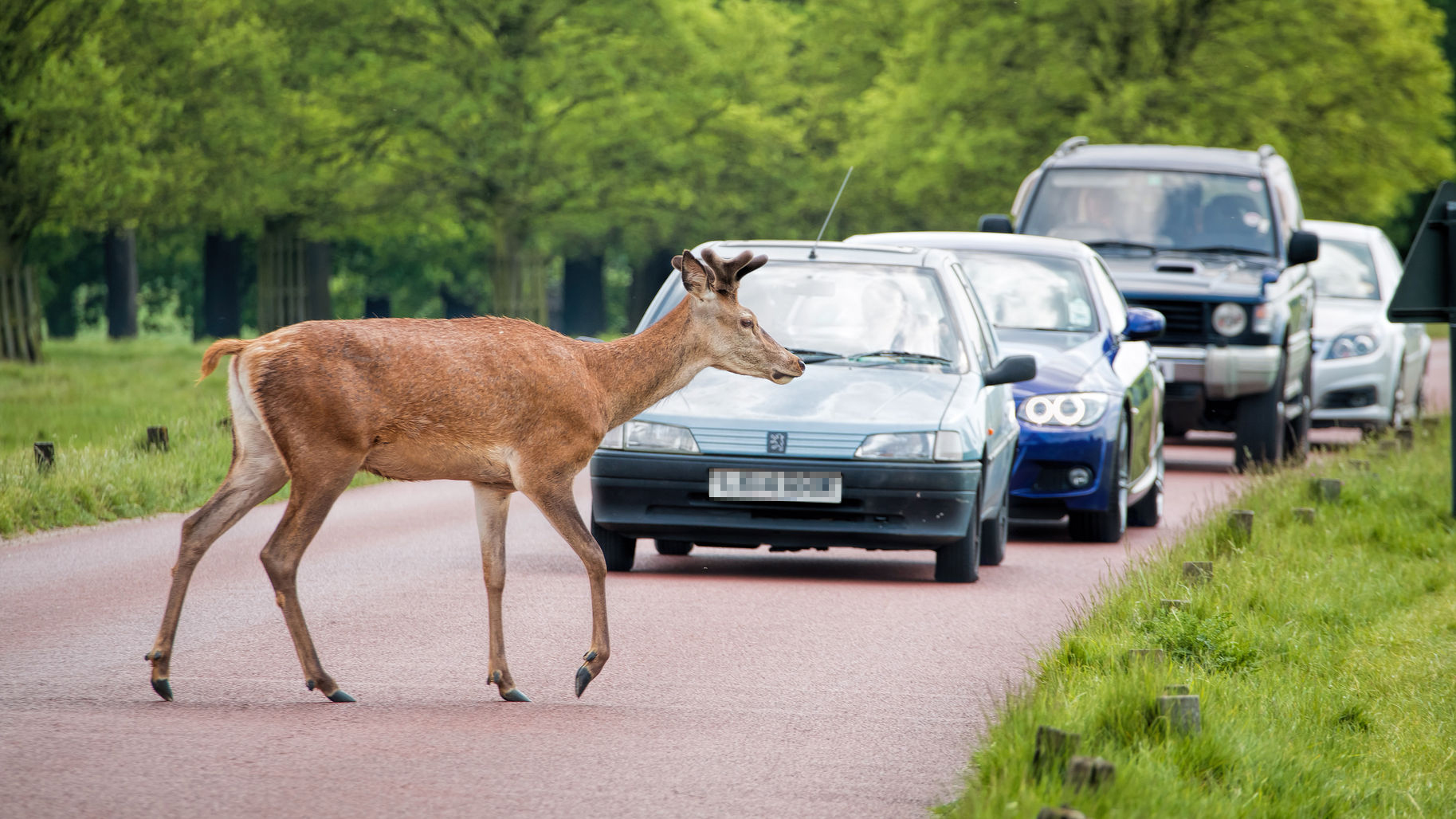
“Expert advice tells us not to veer for a deer that’s directly in front of us on the road. A sudden change of direction at speed can lead to far more serious consequences, including collisions with other vehicles or roadside obstacles.”
GEM’s Top Tips for Drivers
GEM’s guidance focuses on anticipation and control rather than reactive manoeuvres:
- Heed warning signs – slow down in areas marked for wildlife, particularly during dawn and dusk.
- Expect company – deer seldom travel alone. Seeing one means others may follow. Maintain a steady speed until the road is clear.
- Brake within sight – always ensure you can stop within the distance you can see to be clear ahead.
- Avoid sharp swerves – sudden changes in direction can result in more severe accidents than a direct collision.
Common Questions About Deer Collisions
Q: What should I do if a deer jumps out in front of me?
A: Remain calm, brake firmly if safe, and steer straight. Swerving sharply can lead to loss of control, collisions with other vehicles, or rollovers.
Q: How can I reduce the risk of hitting a deer?
A: Scan the road and verges continuously. Slow down and watch for movement or the reflection of eyes in headlights. If you spot one deer, anticipate others nearby.
Q: When are collisions with deer most frequent?
A: Historical data shows a spike from mid-October through December, coinciding with the rutting season.
Q: What time of day is riskiest?
A: Dusk and dawn are the most common periods for deer collisions, though these animals may appear at any time.
Staying Informed
Drivers are encouraged to follow GEM Motoring Assist for ongoing safety updates:
- X (Twitter): @motoringassist
- Facebook: @gemmotoringassist
- Instagram: @gem_motoringassist
- LinkedIn: GEM Motoring Assist Limited
As the roads become busier and wildlife activity rises, vigilance, patience, and control remain the best tools for keeping drivers, passengers, and animals safe this autumn.


