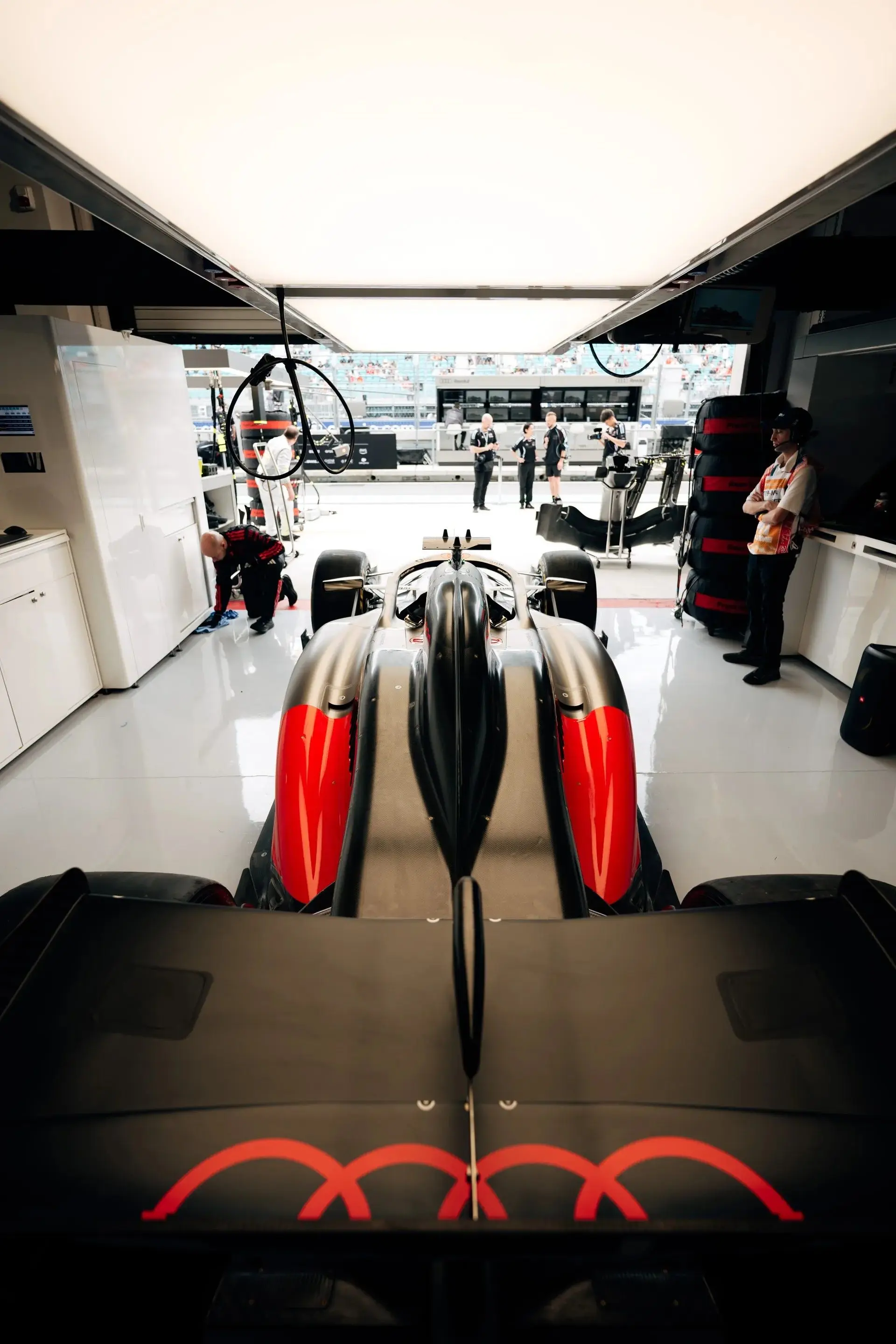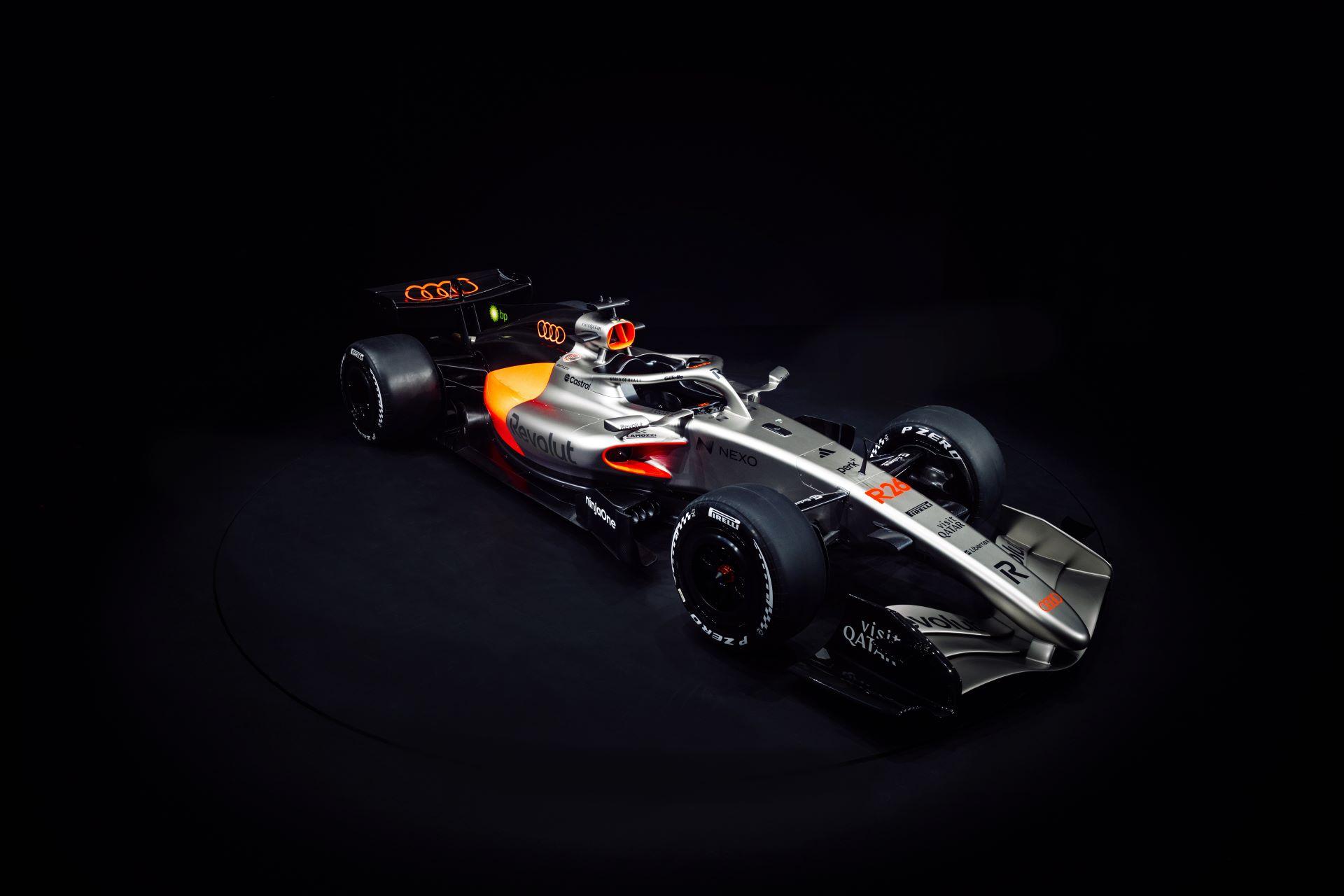
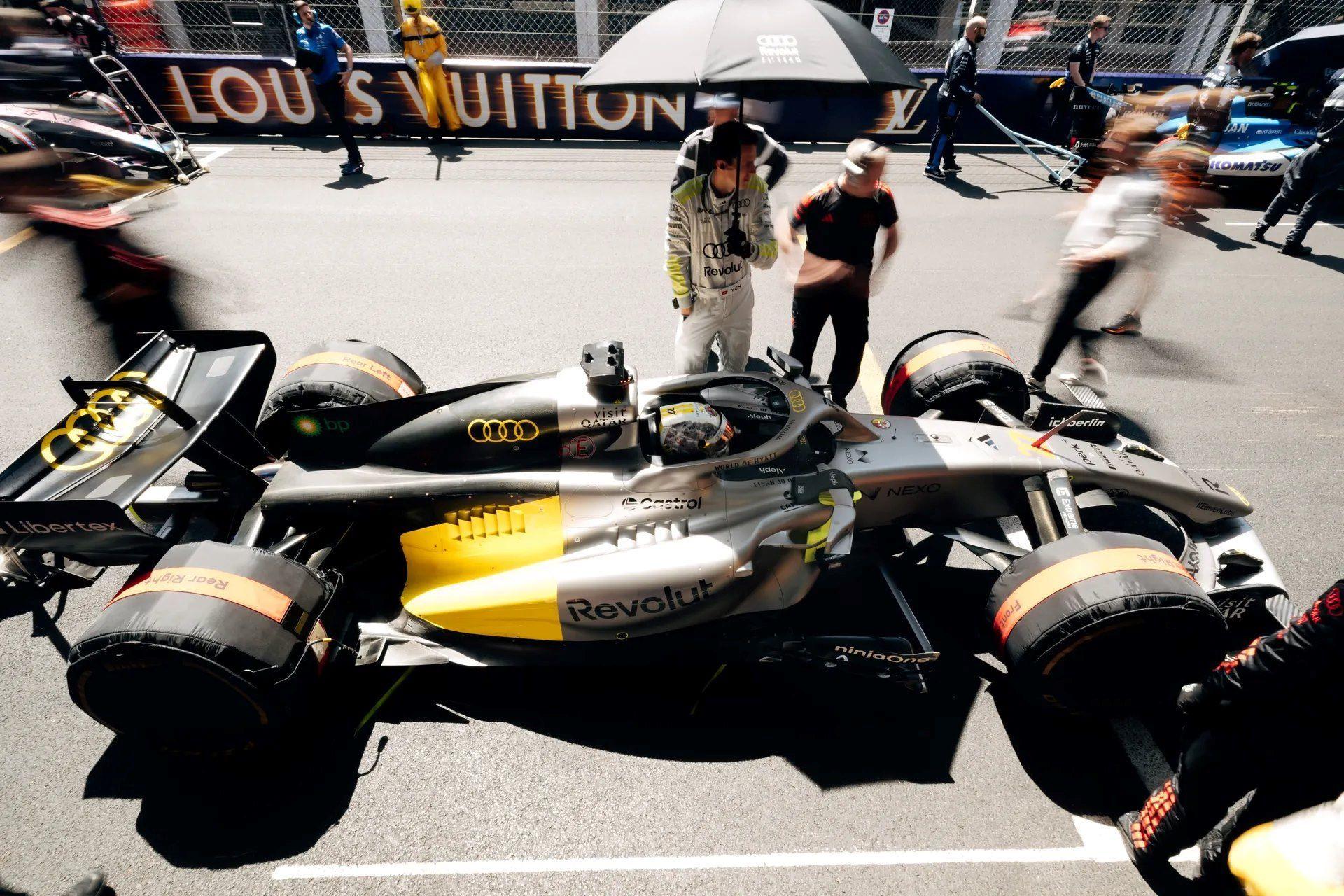
The Audi Revolut F1 Team leaves the Monaco Grand Prix with a peculiar mix of frustration and quiet optimism, the kind that tends to settle in after a weekend where the stopwatch told one story, but the final classification told another entirely.
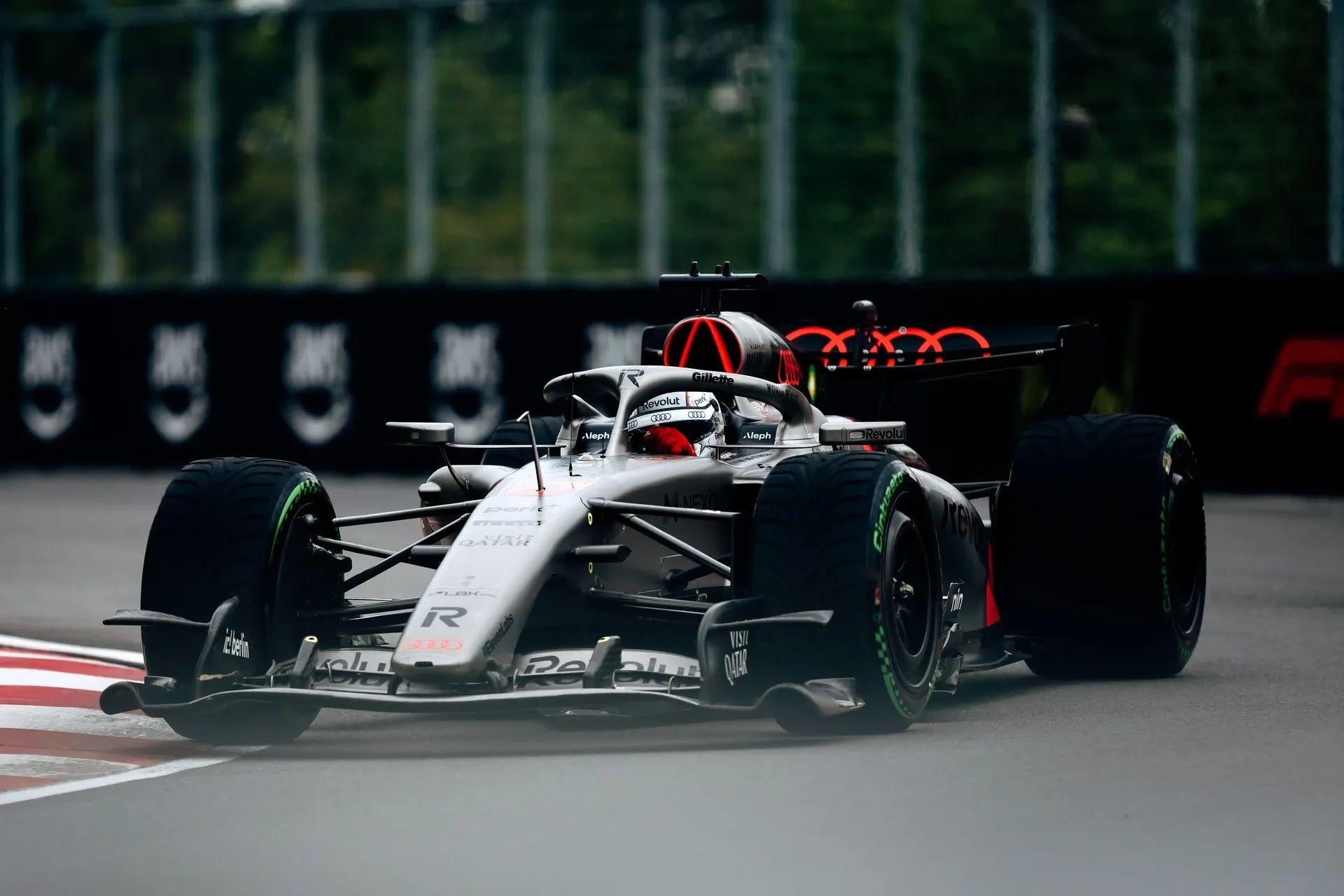
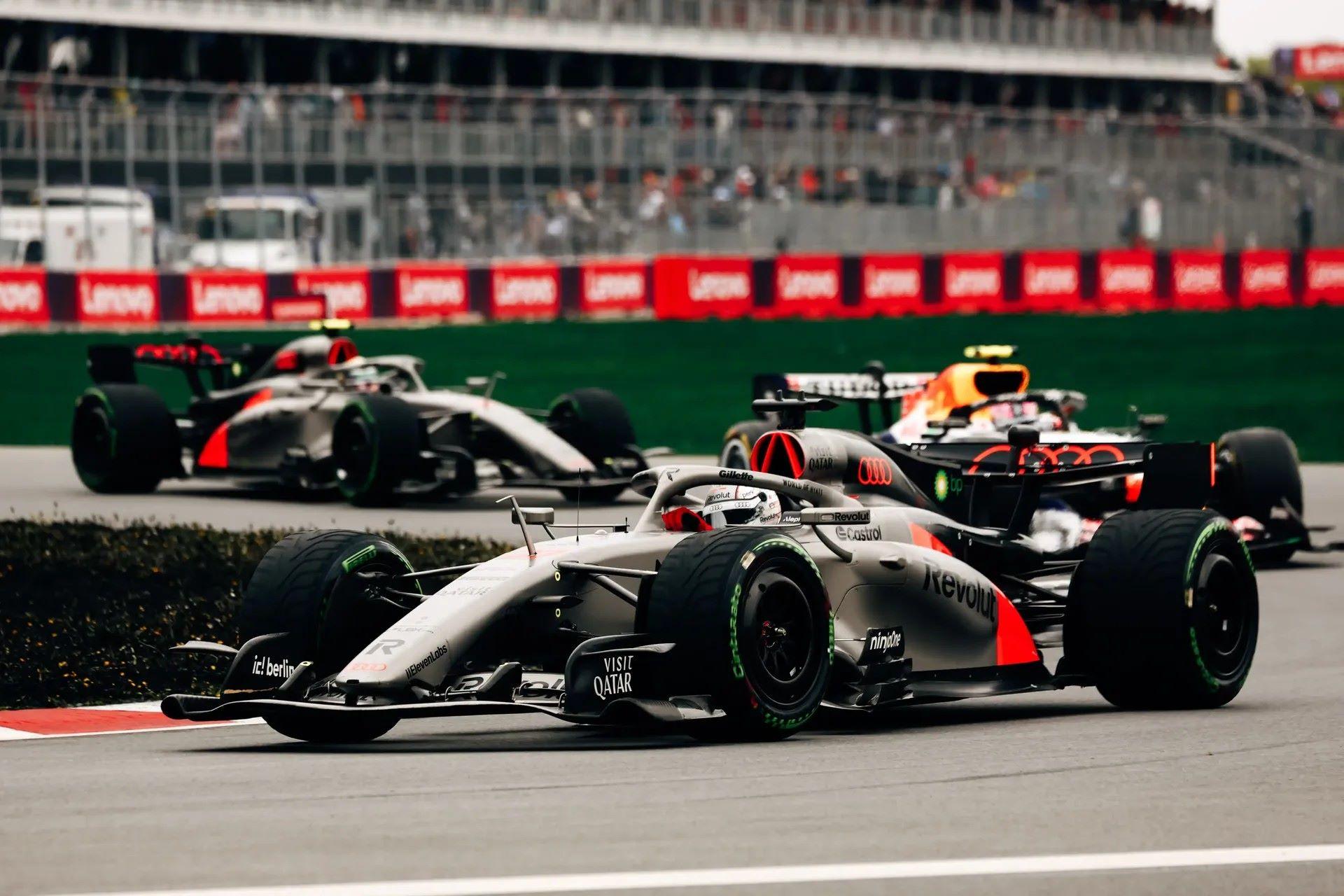
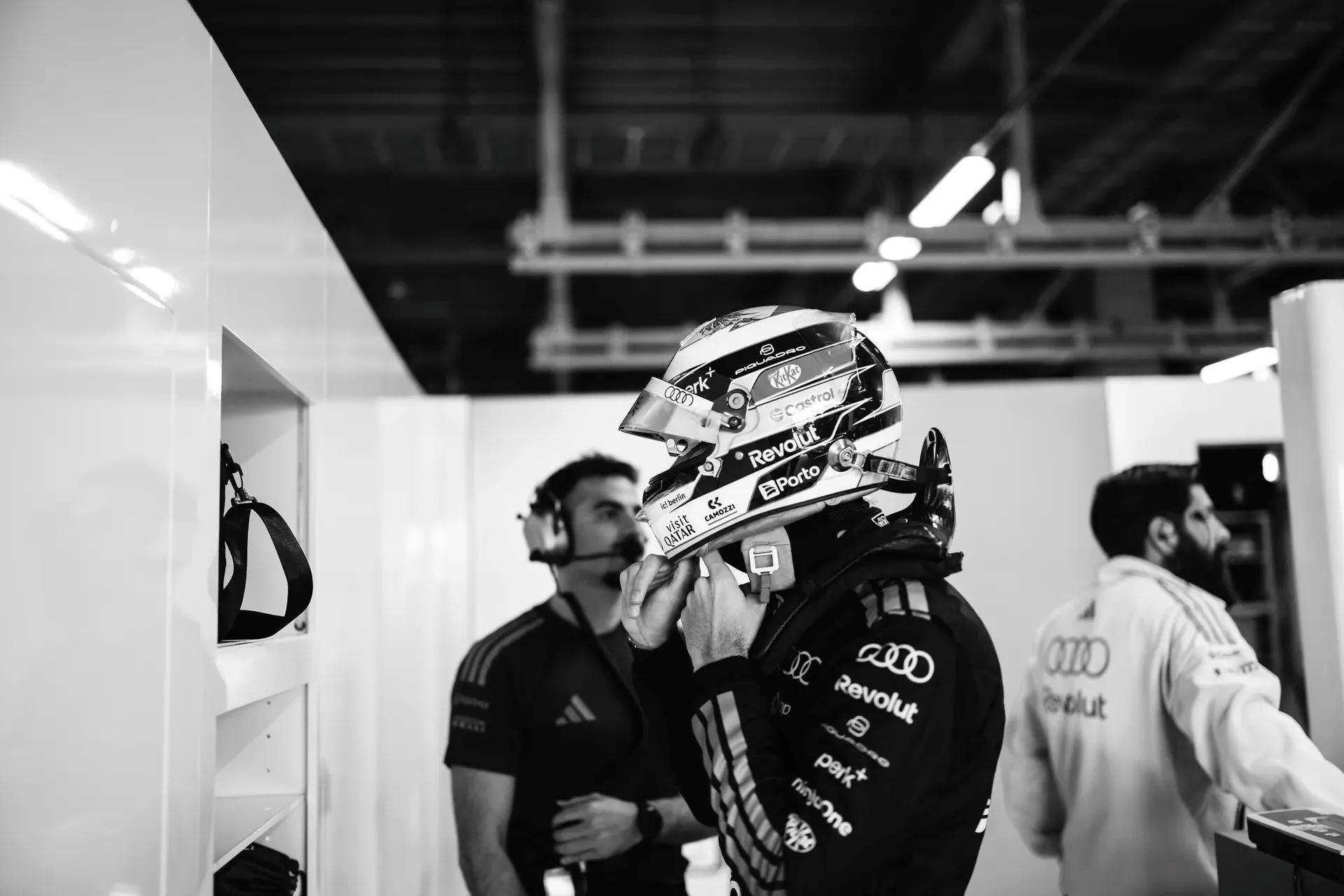
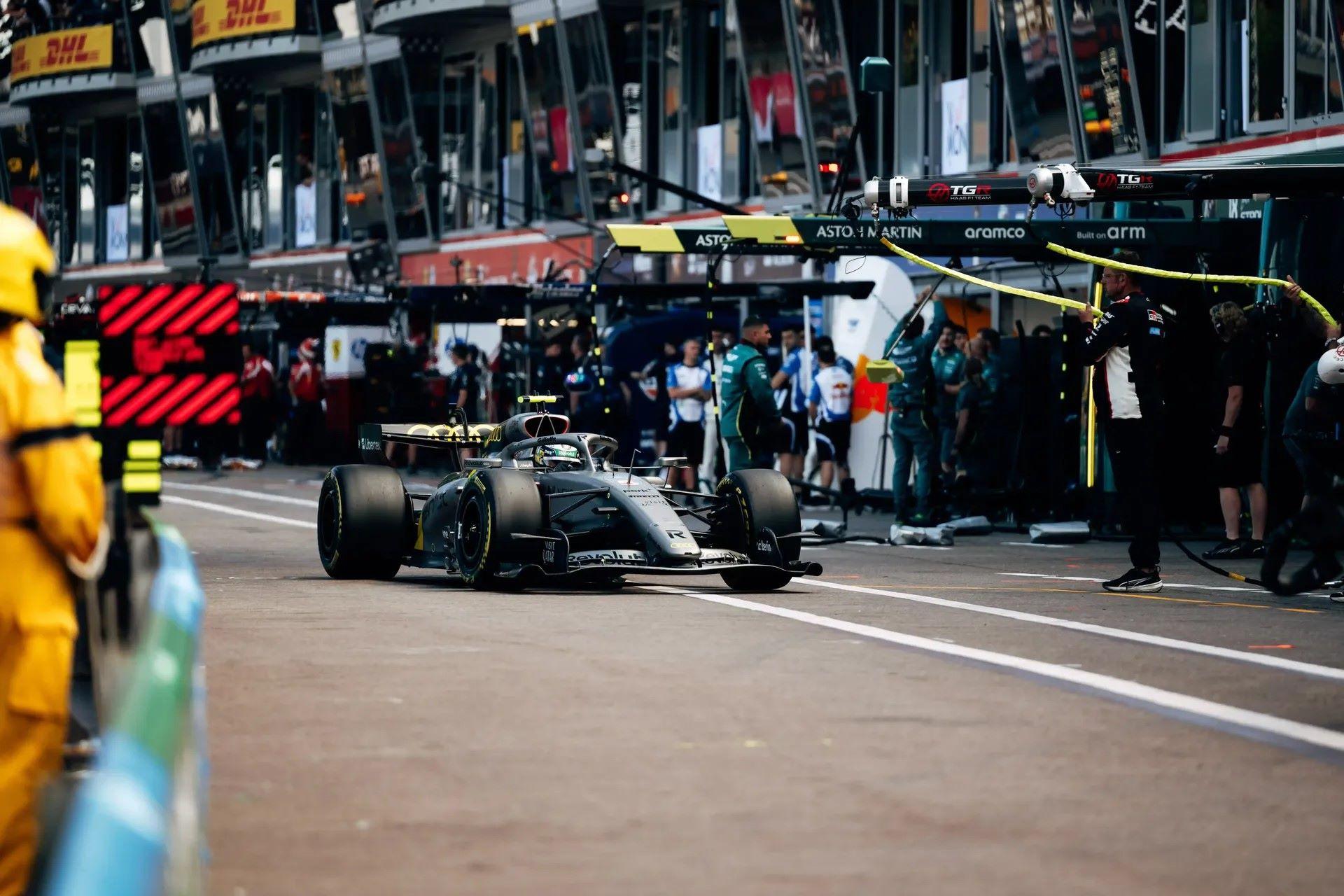
Both drivers demonstrated clear underlying pace capable of fighting in the points, even as circumstances conspired to keep the final reward just out of reach. Nico Hülkenberg delivered a composed and incisive drive, ultimately crossing the line in 9th before a post-race penalty demoted him to 14th. Meanwhile, Gabriel Bortoleto produced a standout recovery performance after a pre-race technical issue forced him into a pit lane start, climbing through the field to finish 12th.
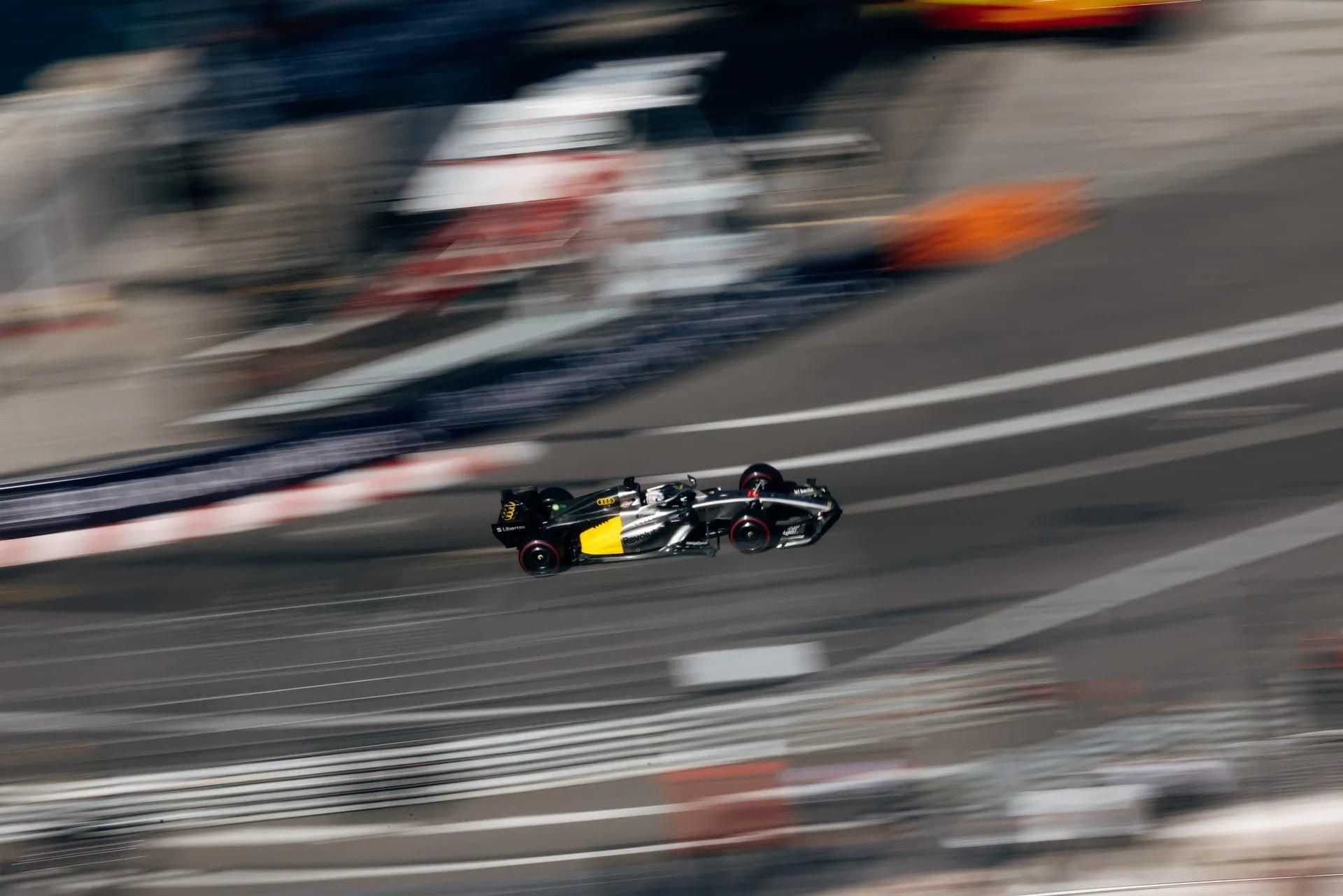
Monaco, as ever, offered little room for redemption once the race rhythm settled. Safety Cars repeatedly interrupted strategy flow, a red flag reshaped the order entirely, and every restart carried the tension of a knife edge. In that environment, outright pace alone is never enough, and execution becomes everything.
Hülkenberg’s race had all the hallmarks of a potential points finish. Early strategy decisions placed him in contention, and in clean air the car showed competitive pace that suggested more was possible. However, traffic soon became the defining factor, with limited overtaking opportunities trapping him in the midfield train. The late incident at the hairpin during a frantic restart ultimately led to a 10-second penalty, undoing what had been a determined and controlled drive.
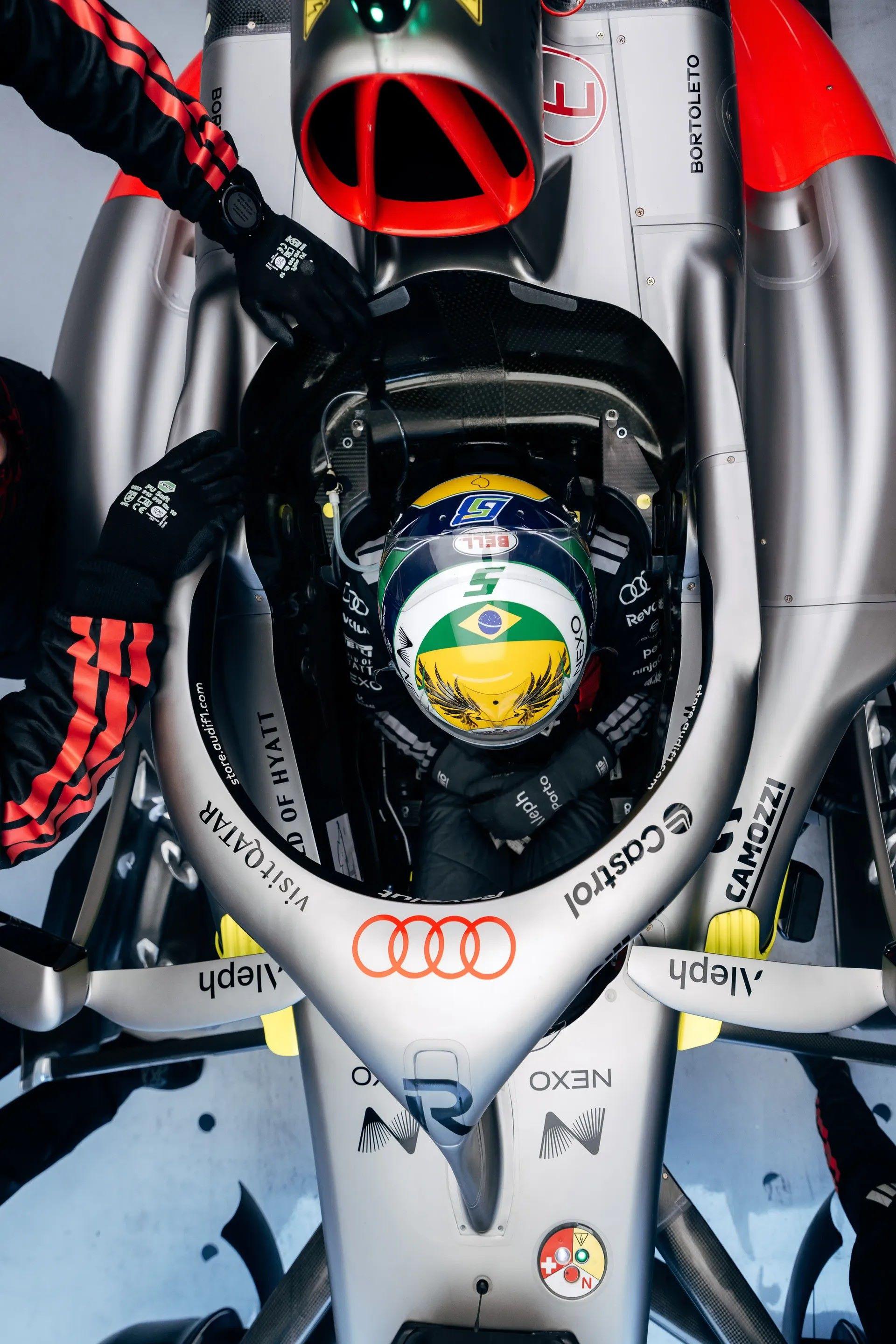
Bortoleto’s race told a different story, defined by resilience rather than positioning. The pre-race failure that forced his car to shut down during preparation could easily have ended his Sunday before it began, but rapid intervention from the pit crew restored his ability to start. From there, his race became a measured exercise in patience, navigating Monaco’s unforgiving layout and extracting every available opportunity in traffic to reach 12th at the flag.
Team reflections were measured but confident. Racing Director Allan McNish highlighted the disconnect between pace and outcome, noting that qualifying position and track position at Monaco often dictate results more than raw speed. His assessment underscored a key takeaway: the performance was there, even if the result was not.
Both drivers echoed similar sentiments. Hülkenberg expressed frustration at the penalty that erased a potential points finish, while acknowledging the encouraging pace shown earlier in the weekend. Bortoleto focused on the value of recovery and learning, emphasising the team’s collective effort in getting both cars to the finish under difficult conditions.
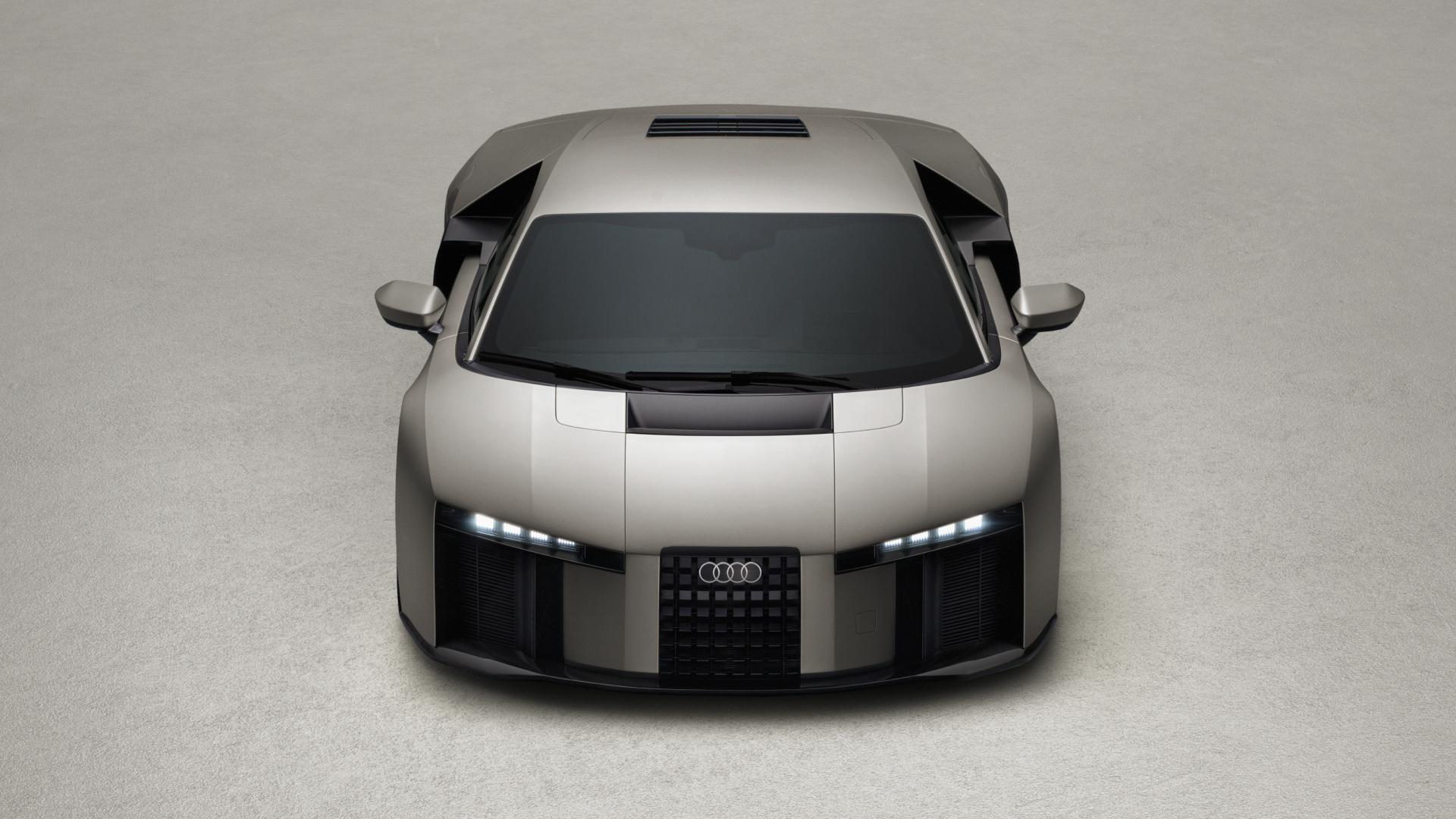
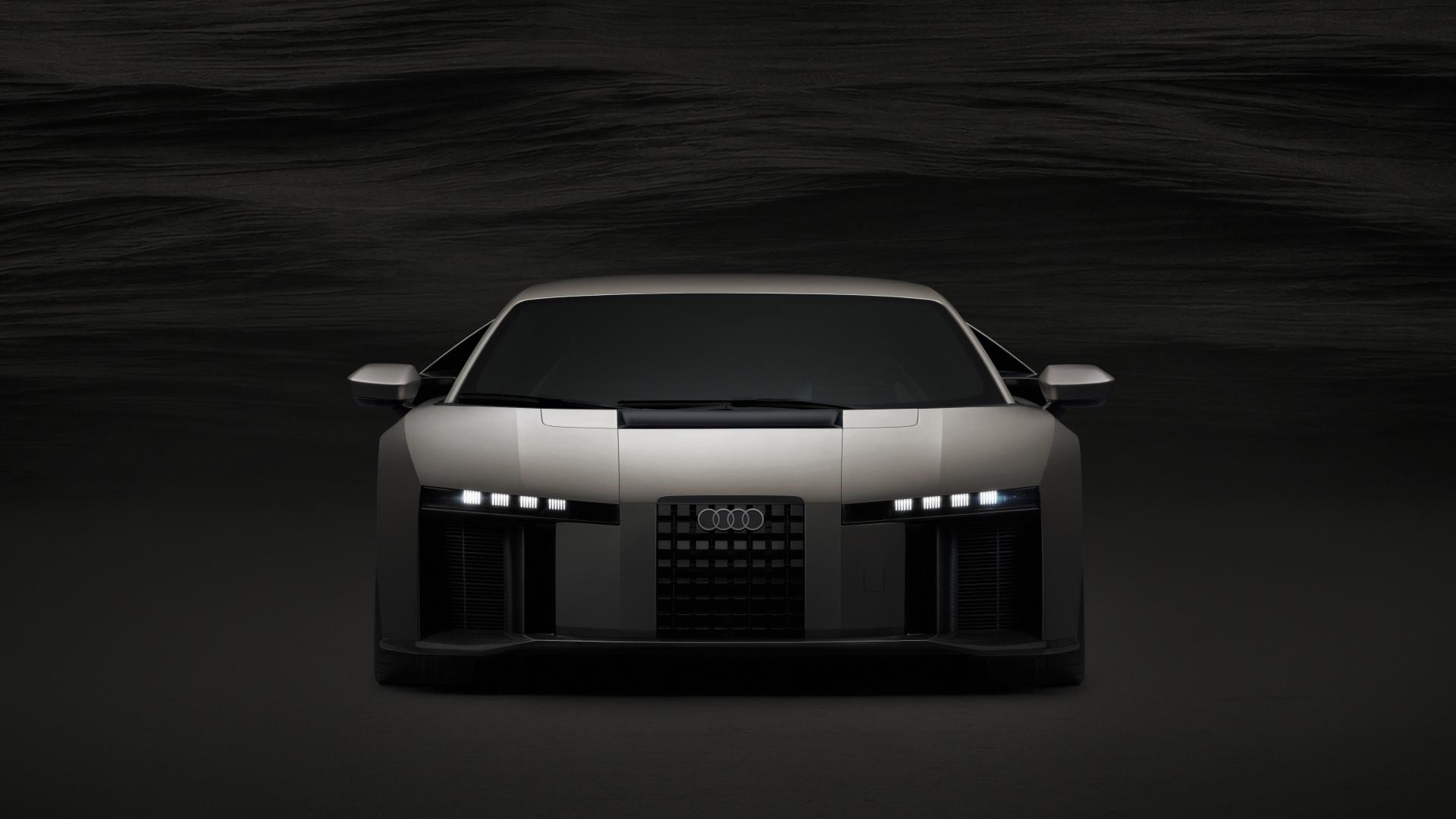
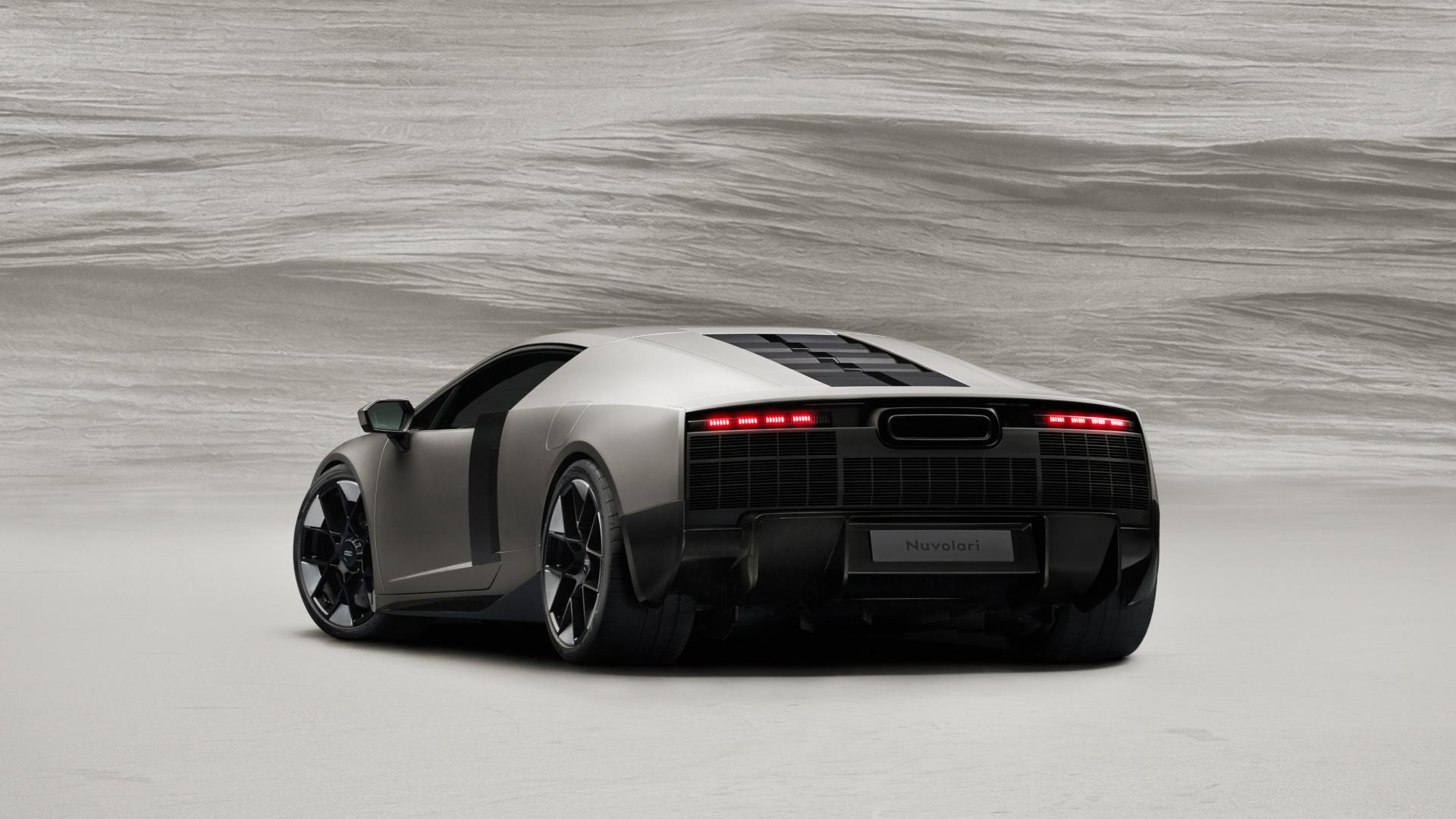
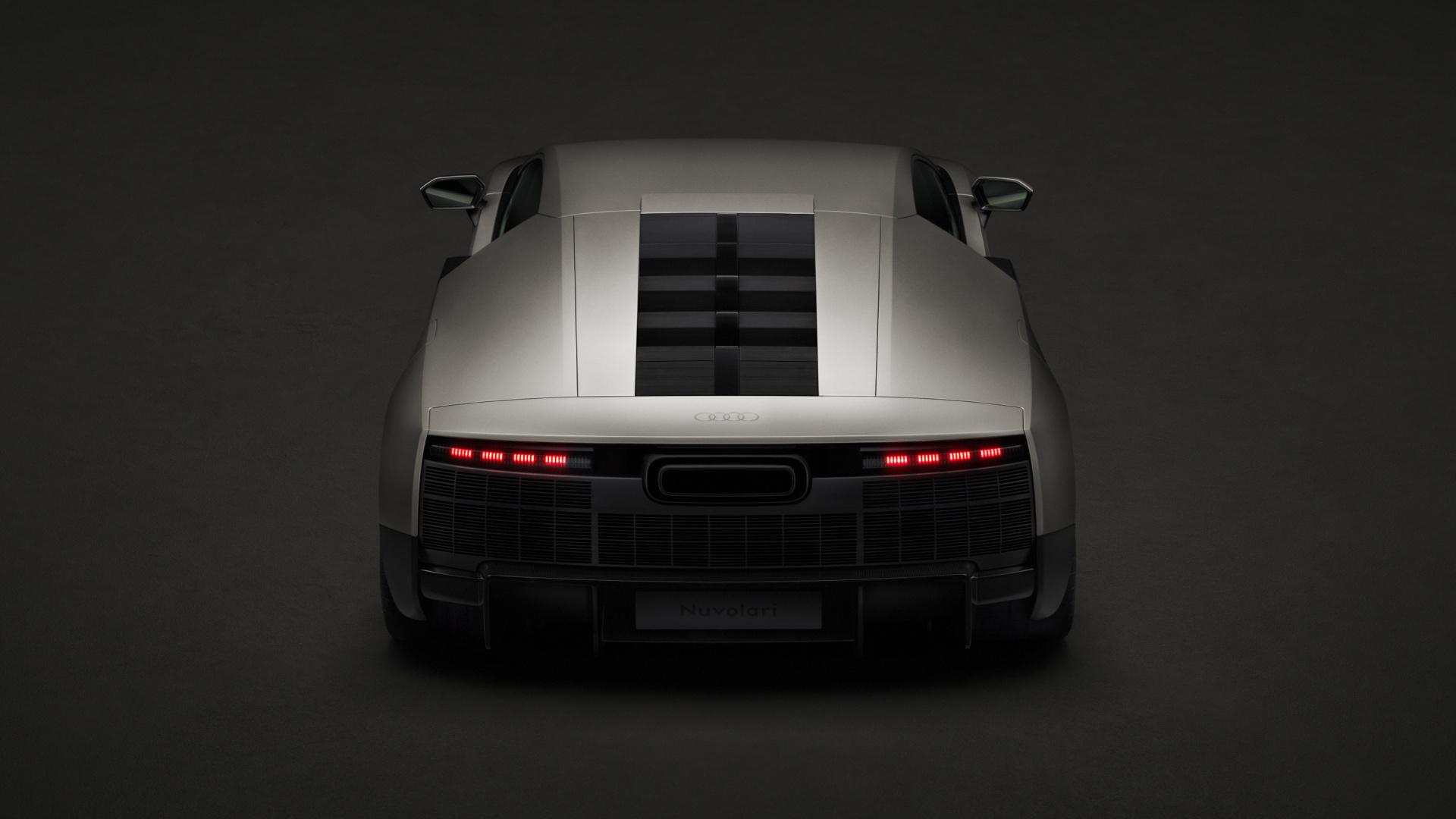
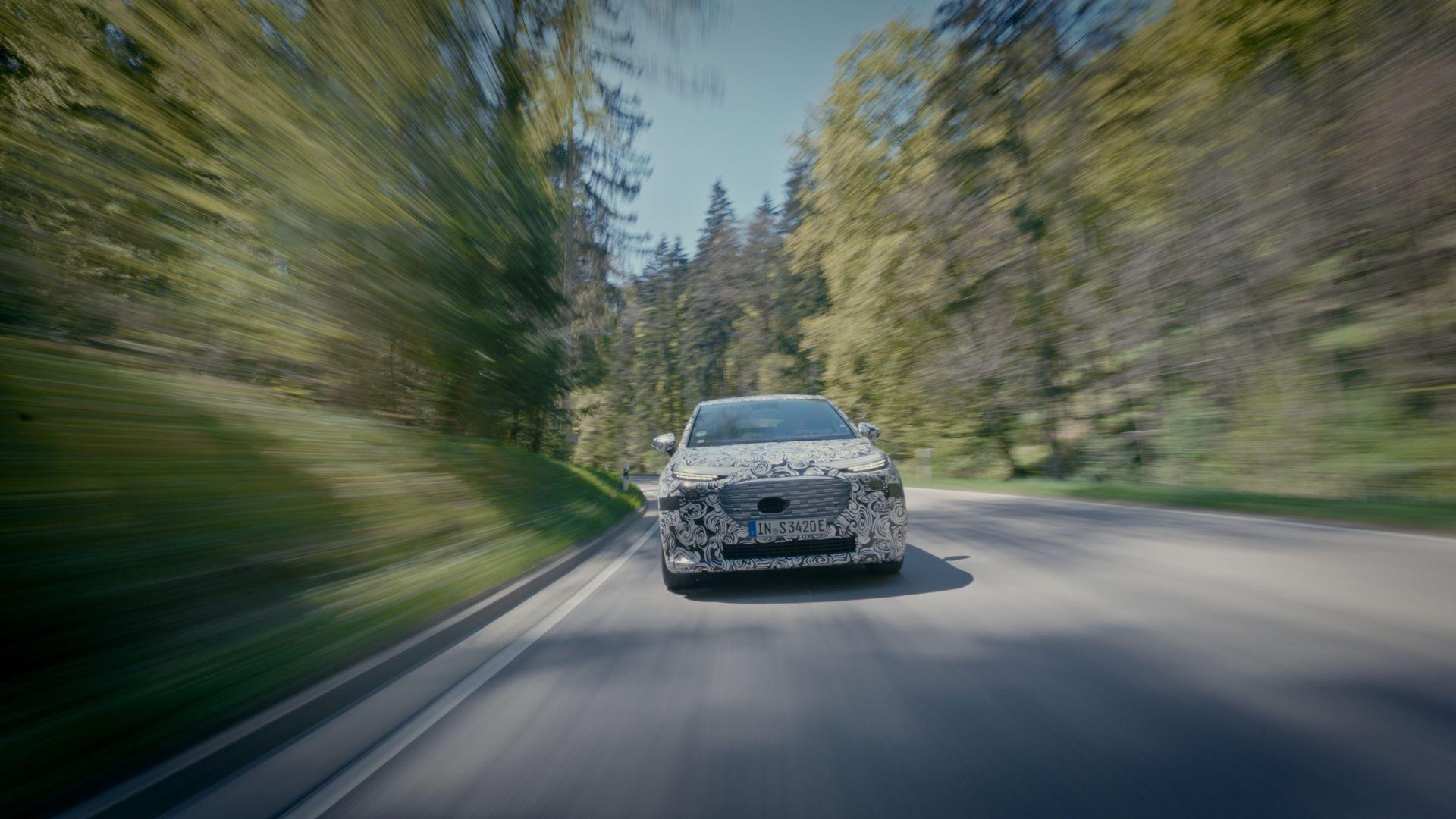
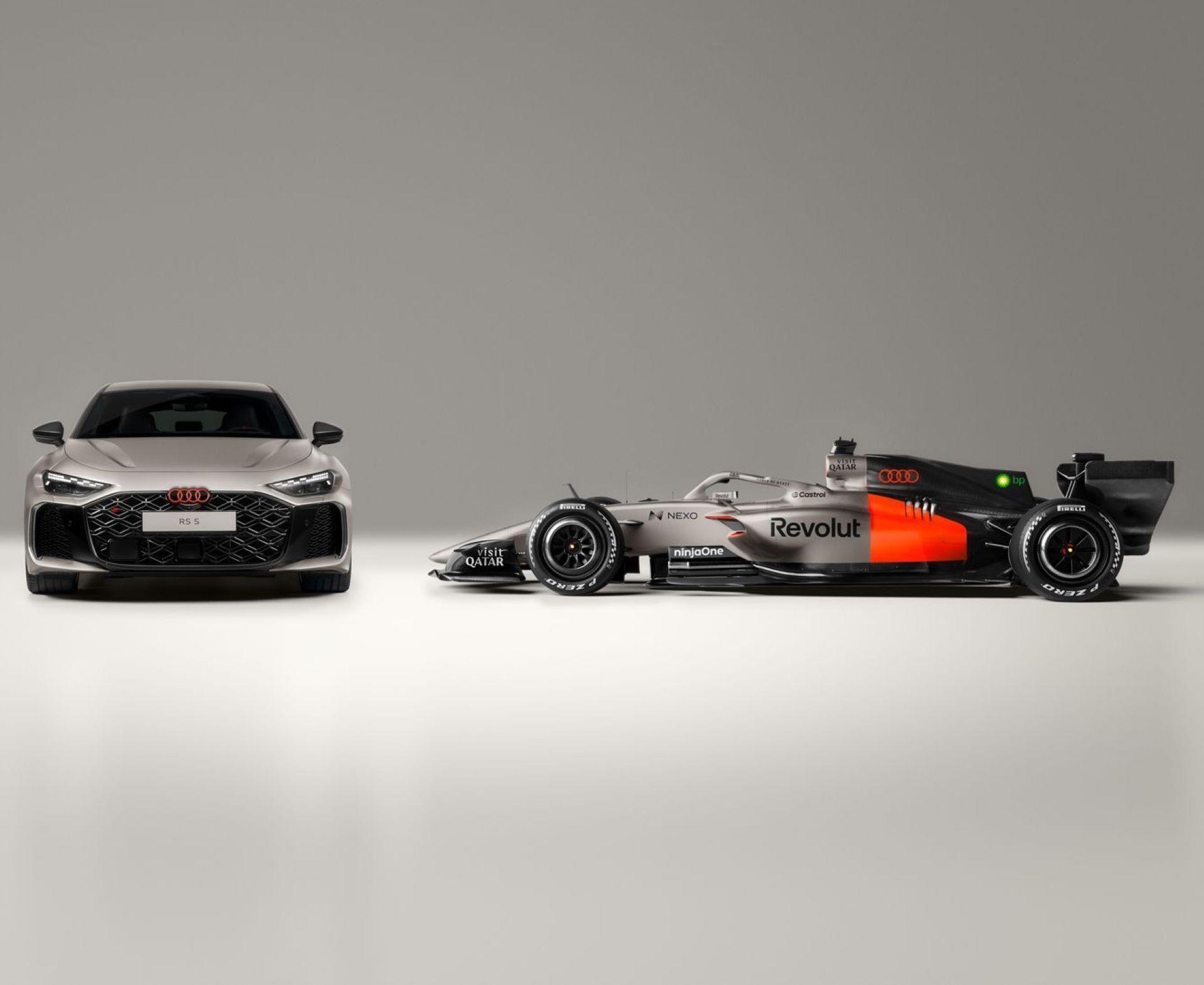
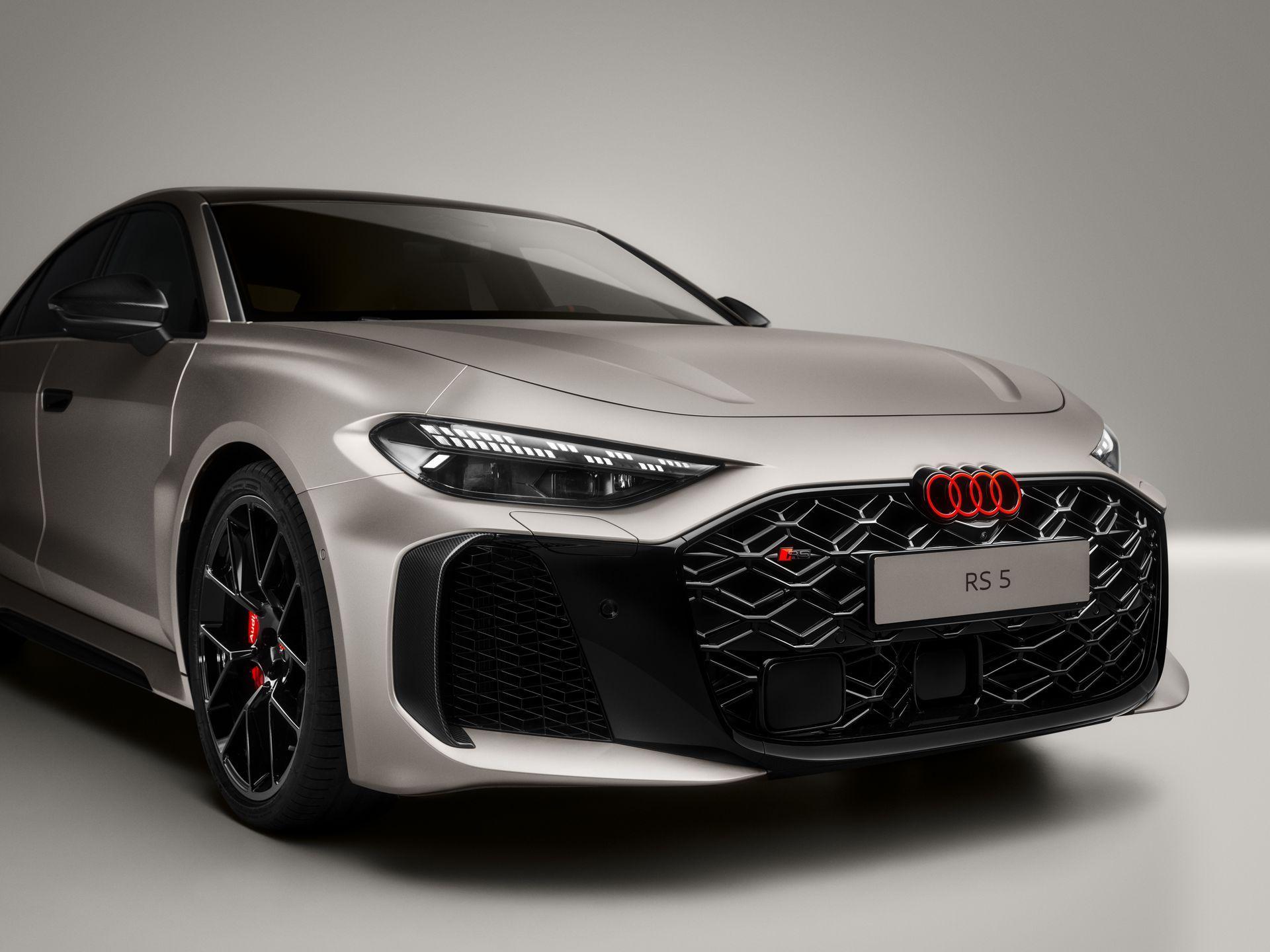
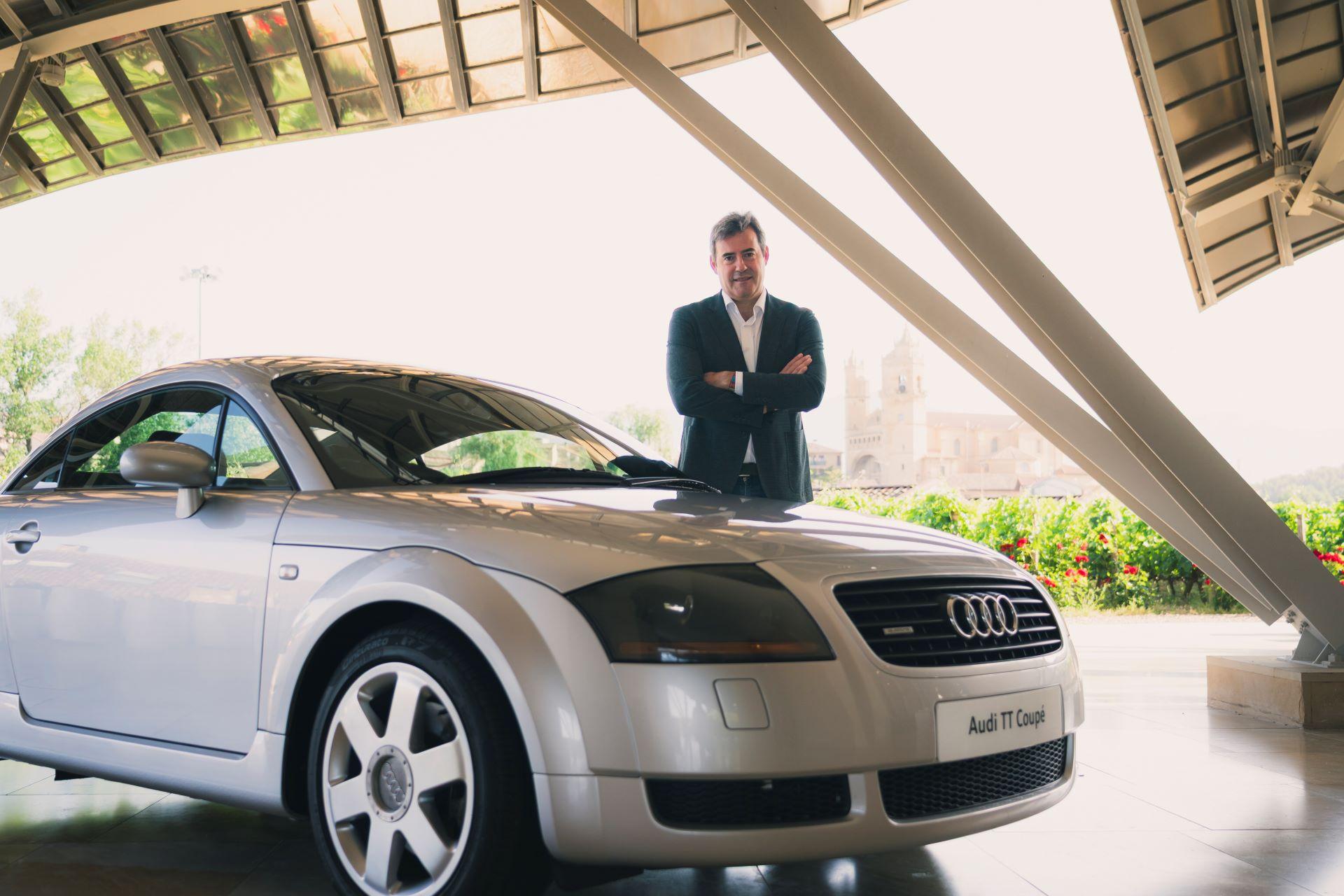
Amid the sporting narrative, Audi AG also used the Monaco weekend to unveil the Audi Nuvolari, a high-performance hybrid supercar positioned as the most powerful production vehicle in the brand’s history. Developed with clear inspiration from Formula 1 technology, it represents a significant step forward in Audi’s performance and electrification strategy.
The Nuvolari, guided by the vision of Gernot Döllner, delivers extraordinary performance figures, including 736 kW of power and a top speed exceeding 350 km/h. Its acceleration from 0 to 100 km/h in just 2.6 seconds reflects its motorsport-derived engineering philosophy, combining hybrid power, active aerodynamics, and advanced chassis construction.
Both Hülkenberg and Bortoleto have already tested the vehicle, describing it as precise, balanced, and remarkably responsive at the limit. Their feedback highlights the integration between aerodynamics, torque distribution, and chassis control systems that define its character.
As attention now turns to the Spanish Grand Prix, the sentiment within the Audi Revolut F1 Team is clear: the pace is competitive, the package is improving, and the results are beginning to feel like a matter of execution rather than capability.