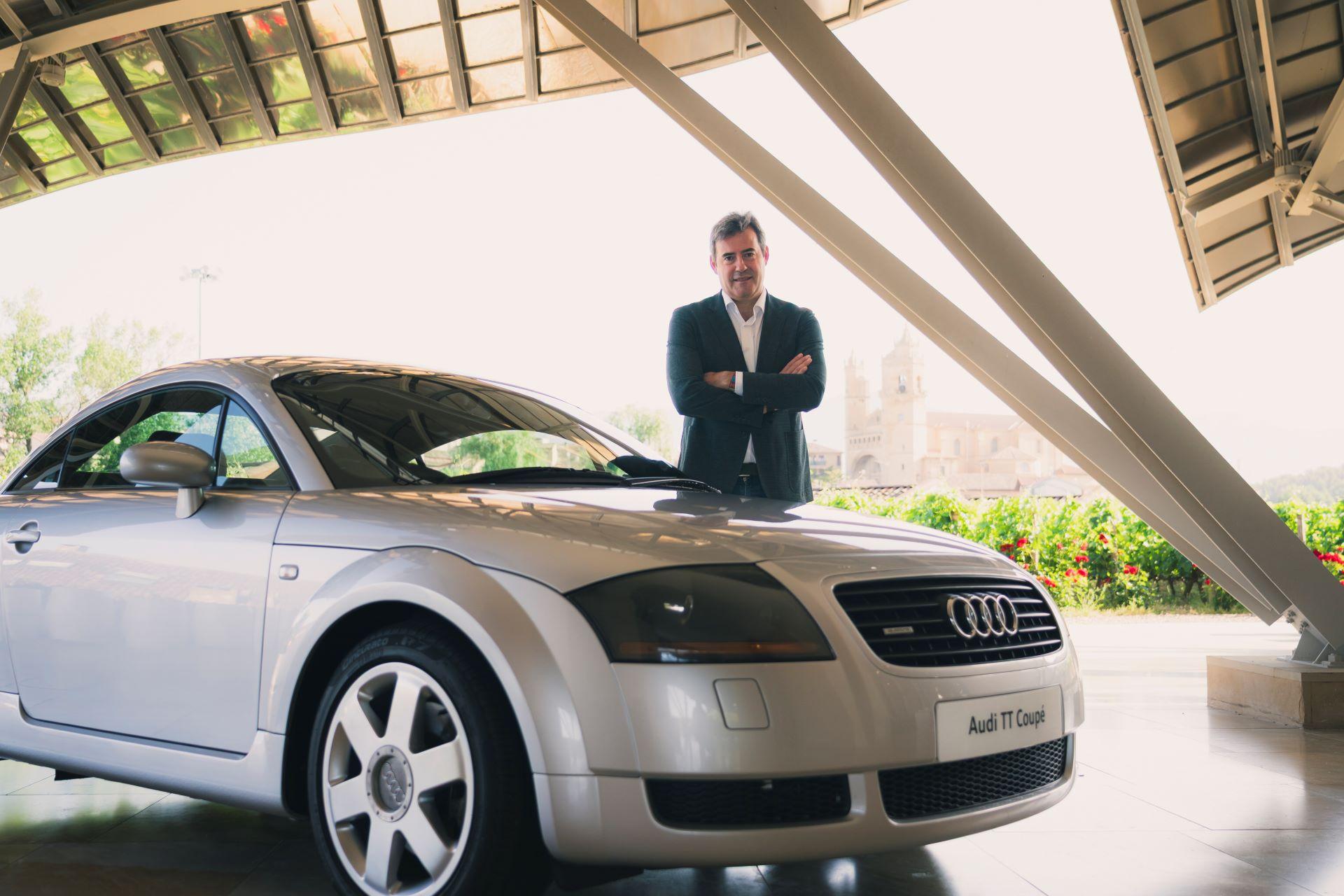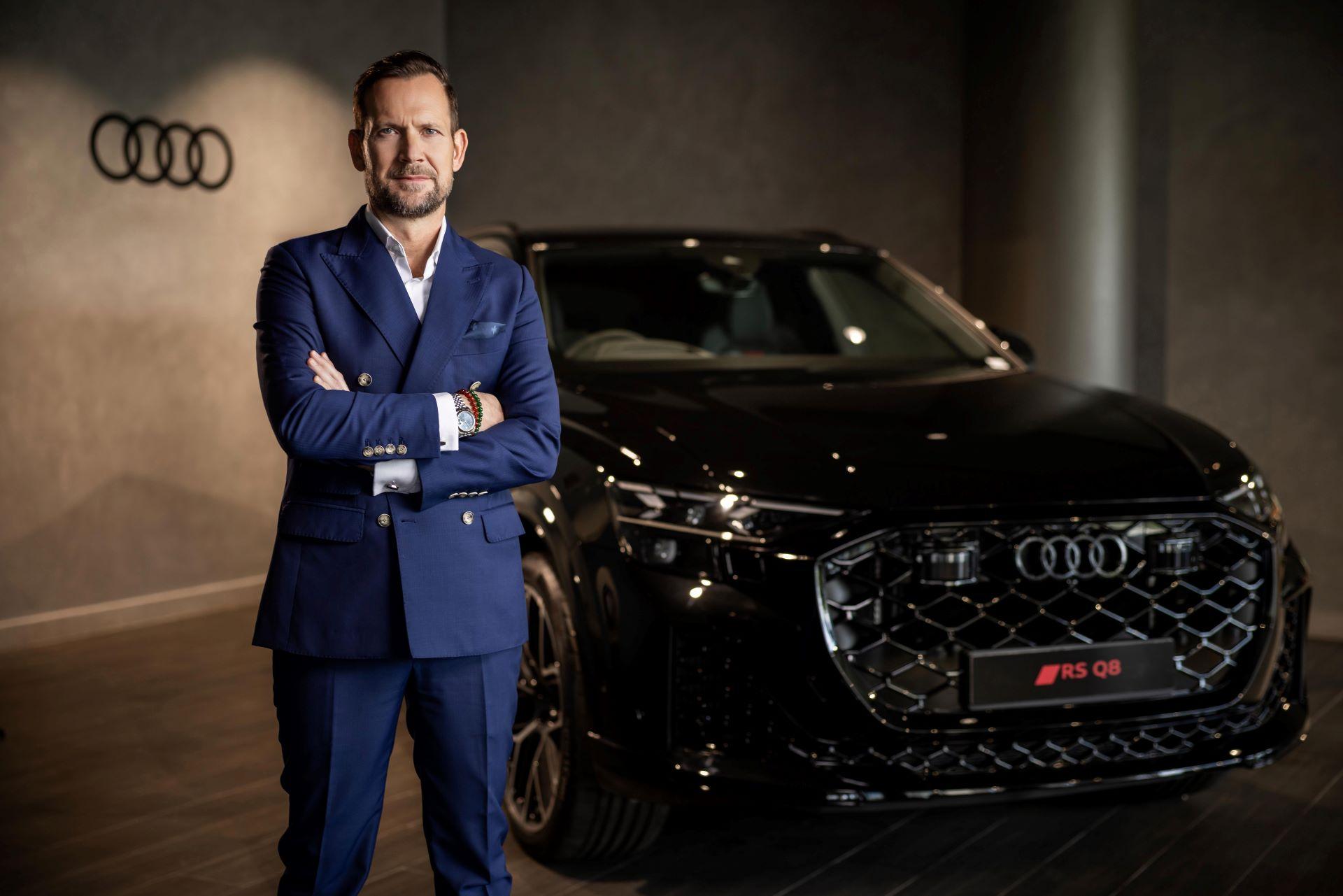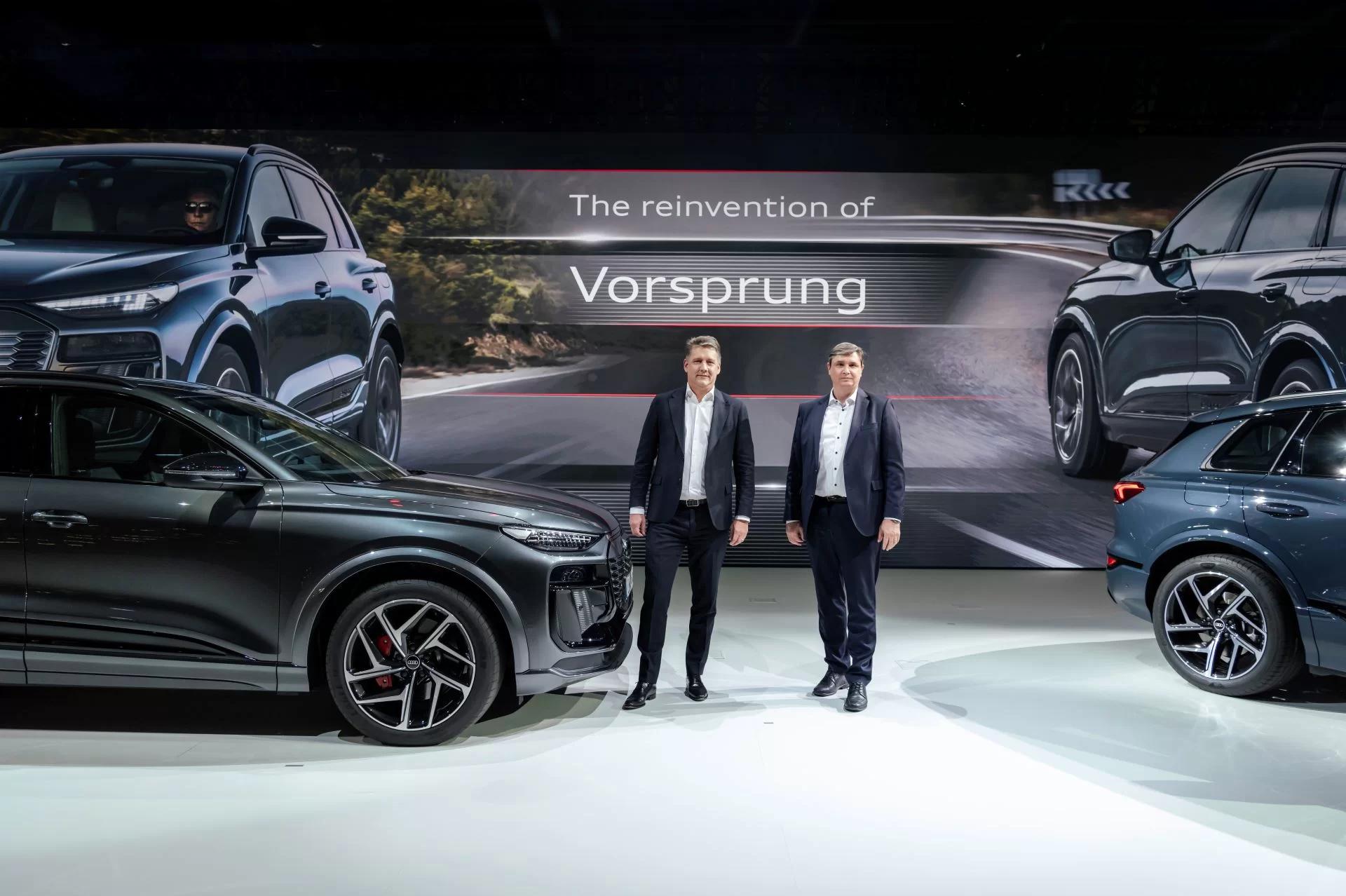




Ingolstadt, December 3, 2025 – Audi is gearing up to celebrate a remarkable milestone: 50 years of its legendary five-cylinder engine. First unveiled in 1976 in the second-generation Audi 100, this engine concept has become a hallmark of innovation, performance, and unmistakable character. From rally stages to the streets, the five-cylinder has cemented its place in Audi’s DNA, perfectly embodying the brand’s ethos of Vorsprung durch Technik.
A Legacy Begins: 1976–1980
Audi’s first five-cylinder engine, developed from the EA 827 inline-four concept, featured a displacement of 2,144 cc and delivered 136 PS (100 kW). Known internally as Type 43, it marked a decisive step up from four-cylinder engines, offering smoother power delivery and enhanced efficiency. Production of the Audi 100 5E began in March 1977, introducing drivers to a new standard of refinement and performance.
The engine’s pioneering spirit continued with turbocharging in 1979, powering the Audi 200 5T with 170 PS and 265 Nm of torque. Shortly thereafter, the iconic Audi quattro debuted, featuring a turbocharged five-cylinder, intercooling, and permanent all-wheel drive. With 200 PS on offer, it dominated motorsport and road alike, securing Audi the 1983 World Rally Championship manufacturer’s title and driver Hannu Mikkola the driver’s crown.
The Sport quattro, introduced in 1983, pushed boundaries further. A 306 PS four-valve, five-cylinder engine made it the most powerful German production car at the time, forming the basis for Group B rally domination with outputs reaching 450 PS.
Racing Pedigree and Global Success
Even after Audi’s withdrawal from Group B rallying in 1986, the five-cylinder continued to thrill. Walter Röhrl conquered Pikes Peak in 1987 with the Audi Sport quattro S1 (598 PS), while the 2.1-litre turbo engine in the 200 quattro Trans-Am powered Hurley Haywood to victory in the 1988 American Trans-Am series. The IMSA GTO version followed in 1989, boasting 720 PS, solidifying the engine’s global motorsport legacy.
Meanwhile, Audi innovated in diesel technology. The 1989 Audi 100 TDI, with a five-cylinder direct-injection turbo diesel, produced 120 PS from 2.5 litres, demonstrating that efficiency and performance could coexist.

Return to the Spotlight: 2009–Present
After a brief hiatus in the mid-1990s, the five-cylinder returned triumphantly in the Audi TT RS (2009) with 340 PS, combining turbocharging and gasoline direct injection. The RS 3 and RS Q3 followed, maintaining the 2.5-litre five-cylinder as a symbol of compact sports car performance. The 2016 evolution pushed output to 400 PS and 480 Nm, blending lightweight construction, reduced internal friction, and improved mid-range responsiveness.
The Audi RS 3 2.5 TFSI: 400 PS of Pure Excitement
Since 2021, the Audi RS 3 has showcased the 2.5 TFSI at its most potent: 400 PS and 500 Nm of torque. The compact sports car sprints from 0–100 km/h in just 3.8 seconds, reaching a top speed of 250 km/h (optionally 280 km/h) or 290 km/h with the RS dynamic package and ceramic brakes. Hand-assembled at Audi’s Bock plant in Győr, Hungary, the engine is a testament to craftsmanship, with each component carefully fitted by highly skilled technicians.
Signature Sound
The five-cylinder’s distinctive 1-2-4-5-3 firing order produces a throaty, unmistakable sound that evokes pure driving excitement. Audi’s engineers have refined the exhaust geometry and introduced fully variable exhaust flaps to enhance the auditory experience, while the optional RS sports exhaust system adds a further layer of intensity.
Engineering Excellence
The 2.5 TFSI features dual injection, the Audi valvelift system, and an aluminium crankcase for reduced weight. Lightweight materials, plasma-coated cylinder liners, and optimized thermal management all contribute to exceptional responsiveness, efficiency, and durability. At just 160 kg and under 50 cm in length, the engine is compact yet mighty, perfectly suited for transverse installation in the RS 3.
Hand-Built Precision
At the Győr plant, each engine is assembled by hand across 21 stations, from crankshaft installation to turbocharger integration. Every unit undergoes rigorous mechanical and electronic testing, including cold and hot start trials, before being transported to Ingolstadt for final installation in the RS 3. This meticulous process ensures every five-cylinder engine delivers maximum performance and reliability.
A Legend Lives On
Fifty years after its debut, Audi’s five-cylinder engine continues to define performance, sound, and character in both motorsport and road-going cars. From the Audi 100 to the RS 3, its legacy is unmistakable: a perfect blend of technology, passion, and emotion, fully embodying Audi’s promise of Vorsprung durch Technik.